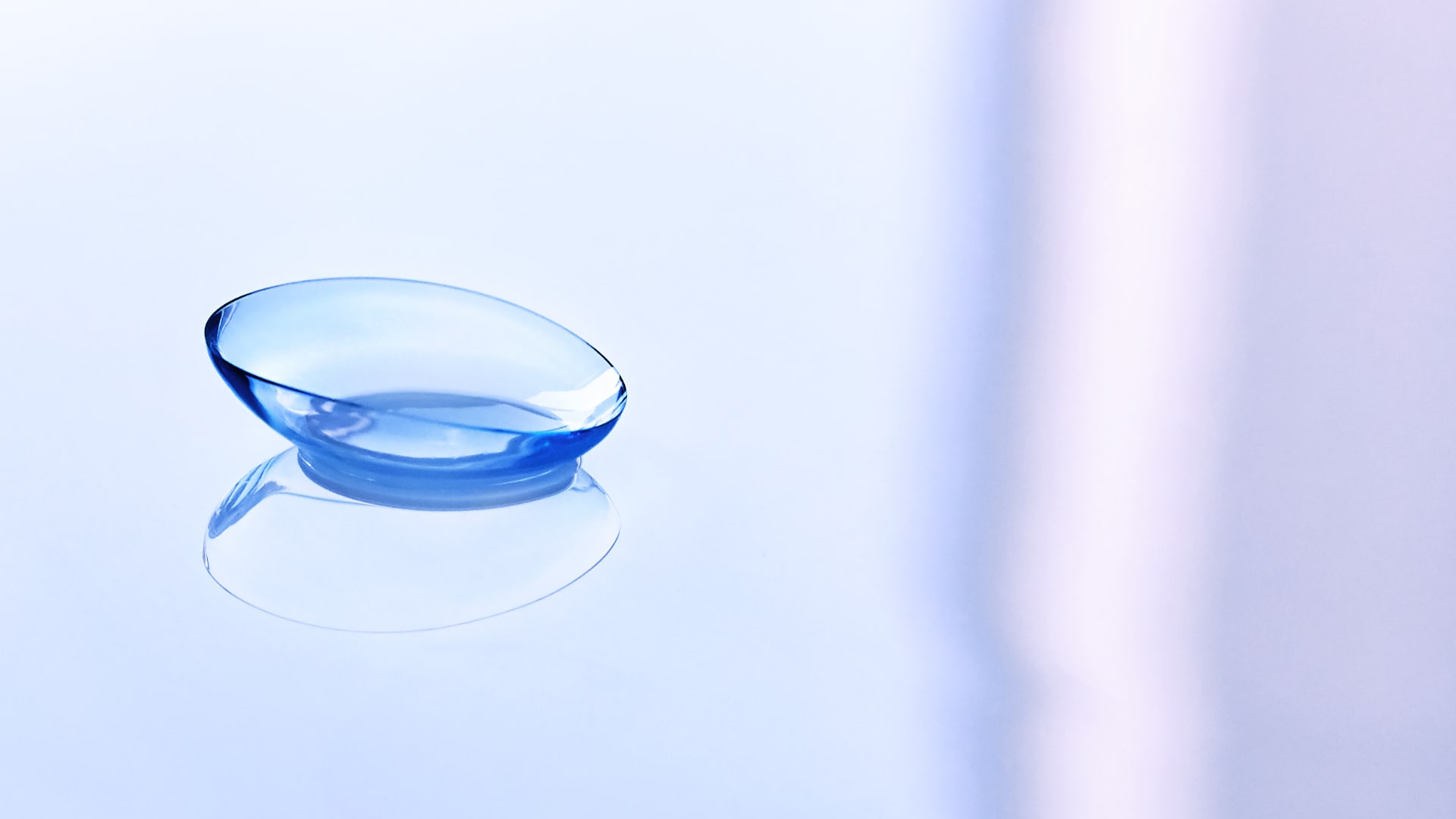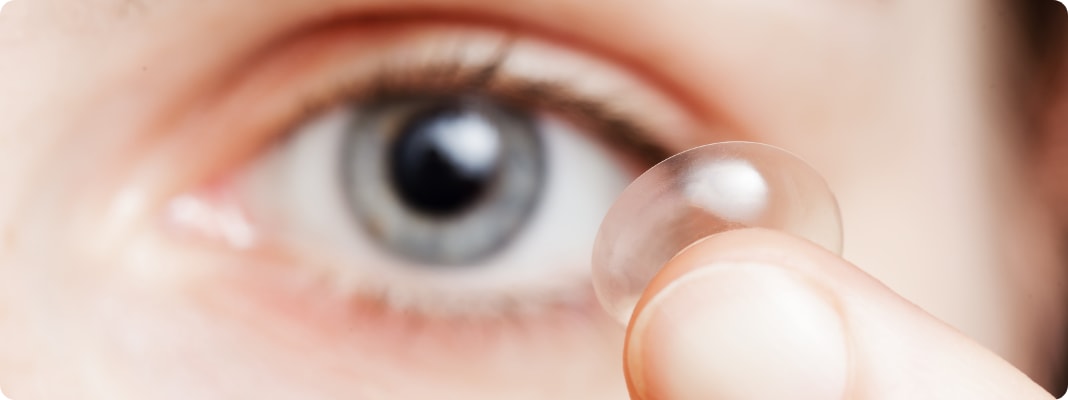

Varifocal contact lenses are lenses that hold more than one vision correction in a single lens, letting you see clearly up close, at arm’s length, and in the distance without switching between pairs of glasses. They are also called multifocal or progressive contact lenses. They are most commonly used by people over 40 who have developed presbyopia, the age-related decline in near vision.
If you have started holding your phone farther away to read it, or you keep reaching for reading glasses on top of your regular prescription, varifocal contacts are designed to solve exactly that problem. Here is how they work and who they suit best.
A single-vision contact lens has one power across the whole lens. A varifocal lens has several powers built into different zones, so your eye can focus at near, intermediate, and far distances through one lens.
Your brain learns to select the right zone for what you are looking at, much like it does with progressive eyeglasses, but without any visible lines on the lens. The lens does the optical work, and your visual system adapts to use it. Varifocal contacts come in soft and rigid gas permeable materials. Soft lenses are more comfortable for most people, while rigid lenses can give sharper vision for certain prescriptions.
Not all varifocal lenses use the same design. The three main types place the correction zones differently, and your eye care provider will recommend one based on your eyes and how you use your vision day to day.
Varifocal contacts are mainly for people with presbyopia. Presbyopia develops when the natural lens inside your eye becomes less flexible with age, usually starting around 40, which makes close-up focus harder. Reading, computer work, and phone use all get more difficult as it progresses.
They also suit people who have presbyopia alongside another refractive error like nearsightedness, farsightedness, or astigmatism. Instead of carrying separate glasses for reading and distance, a varifocal contact lens combines the corrections into one lens. If you already wear single-vision contacts and have started needing readers over them, varifocals are worth asking your eye doctor about.
Both correct presbyopia well, but they differ in everyday use. Here is how varifocal contacts stack up against multifocal glasses.
| Feature | Varifocal Contacts | Multifocal Glasses |
|---|---|---|
| Appearance | No frames, no visible lines | Visible frames, sometimes visible lines |
| Field of View | Wide, no frame blocking your view | Limited by the frame edges |
| Activity and Sport | Stay in place during movement | Can slip or get in the way |
| Adjustment Period | A few days to a few weeks | Usually quicker |
| Handling | Require insertion and removal | Put on and take off easily |
Many people use both, wearing contacts for active days and glasses when their eyes need a rest. Trusted lens names like ACUVUE, AIR OPTIX, Biofinity, and DAILIES all make varifocal options in a range of prescriptions.
Most people adjust within a few days to a few weeks. Your eyes and brain need time to learn how to use the different zones in the lens, and during that period your vision may feel slightly different from what you are used to.
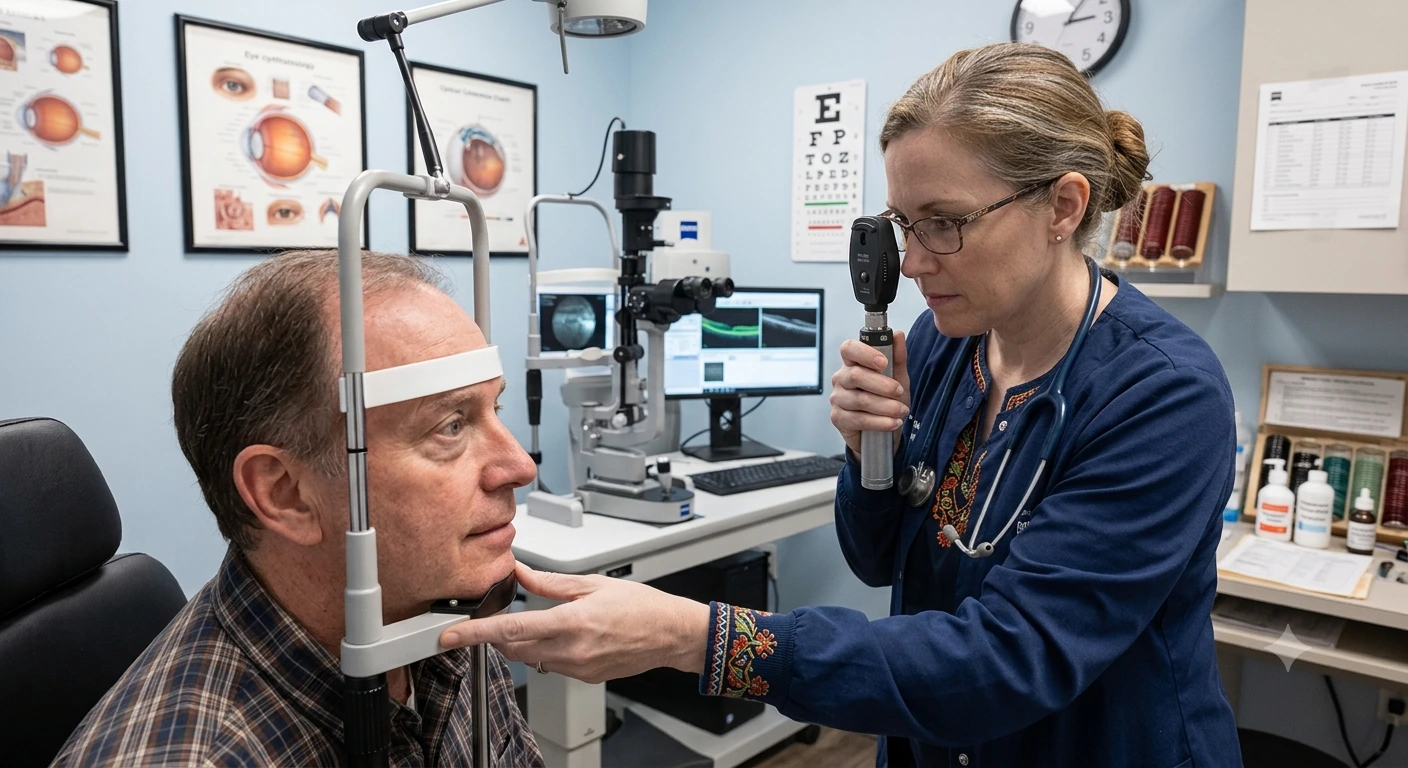
Give yourself time before deciding whether they work for you. Some people notice a brief adjustment in low light or when shifting focus quickly. If your vision still feels off after a few weeks, your eye doctor can adjust the lens design or power. The fit is rarely right by guesswork, which is why a proper fitting matters.
Have a question? Call us at
1-800 LENS.COM (536-7266)
Online 24/7
© 1995-2021 Lens.com. All Rights Reserved. Lens.com is a contact lens replacement company, and a direct to consumer marketer of contact lenses.
As a contact lens replacement center, we can only sell you contact lenses that you have a valid prescription for, and are wearing successfully.