Table of Contents
You want a subtle eye-color boost, a fresh everyday look, or a bold transformation, but the tint you choose can completely change the result. Some tinted contact lenses barely show once they are on your eyes, while others can make brown eyes look gray, green, blue, or hazel. That is why choosing the right tint type matters before you buy.
Not all colored contact lenses are designed to change your eye color. Some tints only help you see and handle the lens, some enhance your natural shade, and others create a noticeable color change for everyday wear, photos, costumes, performances, or or costume contact lenses looks.
If you want a soft, bright look without going too dramatic, light blue contact lenses may be worth comparing with other tinted options. If you prefer a deeper, more sultry look, you can opt for colored contact lenses for dark eyes.
What Are the Different Types of Tinted Contact Lenses?
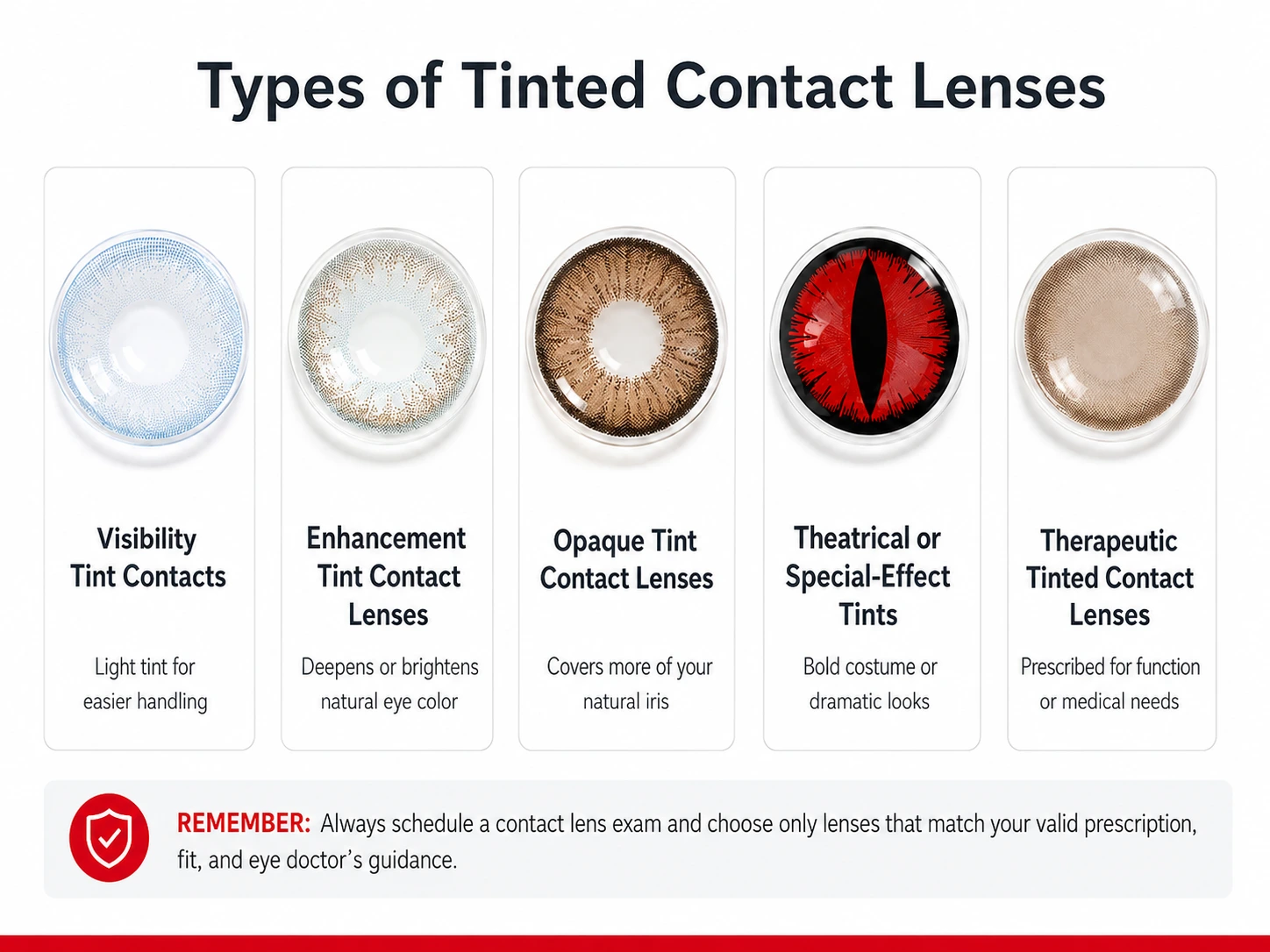
Among the many types of contact lenses, tinted options serve different purposes. Tinted contact lenses are contact lenses with color added to the lens material or design. Some tints help you see and handle the lens, some enhance your natural eye color, and others create a bold transformation. Some specialty tints are also prescribed for light sensitivity, glare, or certain medical eye needs.
The main types of tinted contact lenses include:
- Visibility tint contacts – Faint green or blue contact lenses that help you see the lens more easily, but usually do not change your eye color.
- Enhancement tint contact lenses – Translucent tints that deepen, brighten, or define your natural eye color for a subtle look. For example, to add depth to your brown eyes, you might want to wear brown hazel contact lenses.
- Opaque tint contact lenses – Stronger color tints that cover more of your natural iris and create a more noticeable change. An example would be coloured contact lenses for black eyes.
- Theatrical or special-effect tints – Costume-style lenses for dramatic looks such as cat eyes, vampire eyes, black lenses, red lenses, or fantasy designs. For seasonal costume effects, white contact lenses halloween styles are one example of this tint category.
- Therapeutic tinted contact lenses – Specialty tints prescribed for function, such as glare control, light sensitivity, contrast support, or certain medical eye needs.
Before buying any color contacts, schedule a contact lens exam and choose only lenses that match your valid prescription, fit, and eye doctor’s guidance. If you want a warm, natural-looking enhancement, light brown contacts may be worth comparing with other enhancement or opaque tint options.
What Are Tinted Contact Lenses?
Tinted contact lenses are contact lenses with color built into the lens design. Some tints are made for easier handling, some enhance or change your eye color, and others are designed for medical or light-filtering needs. The effect depends on the tint type, your natural eye color, the lens pattern, and how the lens fits your eye.
Tinted contacts use color in different ways. A faint handling tint can help you find the lens more easily, while a deeper color tint can make your eyes look brighter, richer, or completely different. If your prescription includes cylinder and axis values, ask your eye care professional whether good contact lenses for astigmatism are available in tinted or colored options that match your fit and vision needs.
Are tinted contacts the same as colored contacts?
Prescription colored contacts are usually a type of tinted contact lens. “Tinted” is the broader term because it can include visibility tints, enhancement tints, opaque tints, theatrical tints, and therapeutic tints. “Colored contacts” usually refers to lenses that enhance or change your eye color for cosmetic reasons.
Prescription vs Non-corrective Tinted Contacts
Prescription tinted contact lenses correct vision while also adding a tint or color effect. Plano tinted contacts do not correct vision, but they can still change how your eyes look. Both types still need a valid contact lens prescription, a proper fitting, and eye doctor approval because contacts sit directly on your eyes.
Before buying any color contacts, schedule a contact lens exam and choose only lenses that match your valid prescription, fit, and eye doctor’s guidance. If you want a dramatic character-inspired look, colored contact lenses cosplay options may be worth comparing with other opaque or special-effect tints.
Wondering why you still need a prescription even for plano cosmetic lenses? Understand why contact lenses are prescription only in the US so you can spot sellers that are cutting corners.
Visibility Tint Contact Lenses
Visibility tint contact lenses are the most subtle type of tinted contacts. They are not designed to change your eye color. Instead, they help you see the lens more easily before you put it in.
What Visibility Tints Do
Visibility tints are usually faint blue or green tints added to clear contact lenses. The color makes the lens easier to spot in the package, on your fingertip, in a lens case, or if you accidentally drop it. This can be helpful when contacts are naturally clear and hard to see.
How They Change Your Look
Visibility tints usually do not change your eye color once the lens is on your eye. The tint is too light to create a cosmetic effect. If your goal is a visible eye-color change, you will usually need enhancement tint contacts or opaque tint contacts instead.
Who Visibility Tints Are Best For
Visibility tints are best for new contact lens wearers, people who struggle to find clear lenses, and anyone who wants easier lens handling. They can also help if you often drop lenses or have trouble telling whether the lens is in the case. Choose this tint type if you want convenience, not a new eye color.
Enhancement Tint Contact Lenses
Enhancement tint contact lenses are made for people who want a subtle eye-color boost instead of a full color change. They work by adding a translucent tint that blends with your natural iris color. The result is usually softer, more natural, and easier to wear for everyday looks.
What Enhancement Tints Do
Enhancement tints deepen, brighten, or define the eye color you already have. They do not fully cover your iris the way opaque tint lenses do. Think of them as a color filter that makes your natural shade look richer instead of replacing it. For example, natural blue contacts can beautifully enhance your light blue eyes.
How They Change Your Look
Enhancement tint contacts can make blue eyes look brighter, green eyes look more vivid, or hazel eyes look warmer. The change is usually noticeable up close but still natural enough for work, school, photos, or daily wear. If you want natural looking colored contacts, this tint type is often a good place to start.
Best For Light Eyes
Enhancement tints often work best on blue, green, gray, or hazel eyes. Because the tint is see-through, it blends with the natural iris color underneath. This creates a soft boost that can make light-colored eyes look more polished without looking too dramatic.
When Enhancement Tints Do Not Show Well
Enhancement tints look too subtle on dark brown eyes because they are not fully opaque. If your eyes are very dark and you want a visible color change, this tint may not give you the result you expect. In that case, opaque tint contact lenses are usually the better option to discuss with your eye doctor.
Opaque Tint Contact Lenses
Opaque tint contact lenses are designed for a stronger eye-color change. They use more pigment to cover more of your natural iris color, which makes them a popular choice for people with dark eyes or anyone who wants a more noticeable transformation. These are the lenses most people think of when they search for colored contacts for dark eyes.
What Opaque Tints Do
Opaque tints use a stronger, less transparent color pattern than enhancement tints. The tinted part of the lens is designed to cover more of your natural eye color while leaving the center clear so you can see. This allows the lens to create a new color effect instead of simply boosting the shade you already have.
For example, wearing violet contact lenses can make your eyes uniquely purple or can enhance blue, gray, and green eyes to an unusual hue.
How They Change Your Look
Opaque brown colored contact lenses can create a more visible color change, such as brown to green, dark brown to gray, blue to hazel, or hazel to violet. The final look depends on your natural eye color, the lens pattern, the shade you choose, and the lighting around you. In daylight, the color may look softer, while flash photos or bright indoor lighting can make the tint appear stronger.
Best For Dark Eyes
Opaque contacts are usually the better choice for dark brown eyes because they have enough pigment to show over a deeper iris color. Hazel, honey, gray, green, blue, and amethyst tones can all create different effects, from warm and natural to bold and dramatic. If you want tinted contacts for brown eyes that actually show, ask your eye doctor about opaque designs that are available in your prescription.
Natural Vs Bold Opaque Contacts
Not all opaque contacts look the same. Lenses with blended iris patterns, soft edges, and natural color layering tend to look more realistic, while brighter shades, high contrast patterns, or stronger limbal rings can make the eyes look more dramatic. Choose the effect based on your goal: subtle everyday change, photo-ready definition, or a bold style shift.
Have dark brown eyes and want a color change that actually shows up in real life? Explore the best contact lenses for dark eyes so you can compare shades and effects that tend to look more visible.
Theatrical and Special-Effect Tinted Contacts
Theatrical tinted contacts are made for people who want a dramatic look, not a subtle eye-color change. They’re commonly used for costumes, performances, Halloween looks, photoshoots, film work, stage makeup, or bold creative styling. Cosplay contacts are also under this category. Because they sit directly on your eyes, they still need the same prescription, fitting, and care as any other contact lens.
What Theatrical Tints Do
Theatrical and special-effect lenses use printed patterns, strong colors, or fantasy designs to change the appearance of your eyes. Instead of simply enhancing your natural eye color, they create a character-driven effect. These lenses are often chosen when you want your eyes to become part of the costume or visual story.
How They Change Your Look
Special-effect lenses can create cat eyes, vampire eyes, reptile eyes, red eyes, white eyes, all black contact lenses, fantasy patterns, or other dramatic designs. Some lenses are made to look eerie or supernatural, while others are used for cosplay, drag, theater, or themed photos.
Safety Warning For Costume Contacts
Never buy costume contacts from sellers that do not verify your prescription. The FDA says colored and decorative contact lenses are medical devices, not cosmetics, and they require a prescription to help avoid eye injury. A costume lens that is poorly fitted, counterfeit, or contaminated can cause pain, scratches, infection, blurry vision, or lasting eye damage.
Therapeutic Tinted Contact Lenses
Therapeutic tinted contact lenses are used for function, not just appearance. They may be prescribed when your eyes struggle with glare, light sensitivity, iris defects, contrast problems, or certain visual performance needs. Unlike cosmetic tinted contacts, the goal is not simply to change your eye color, but to help control how light enters the eye or how comfortable vision feels in daily life.
What Therapeutic Tints Do
Therapeutic tints are chosen based on symptoms, eye health, and visual needs. Some reduce glare, some soften harsh brightness, and some help with contrast in certain lighting conditions. Others use prosthetic-style designs to help cover iris defects, scars, or irregular eye appearance while also supporting comfort and light control.
Tinted Contact Lenses For Light Sensitivity
Tinted contact lenses for light sensitivity may help people who struggle with glare, photophobia, or bright sunlight when they are prescribed and fitted by an eye doctor. These lenses can be considered for certain patients whose symptoms are not fully managed with regular sunglasses, hats, or environmental changes. If you are searching for tinted contact lenses for photophobia or tinted contact lenses for sun, start with an eye exam so the cause of the sensitivity can be checked first.
Contrast-Enhancing Tints
Some therapeutic lenses use yellow, orange, brown, gray, rose, or other specialty tint families to change how light and contrast feel. Yellow or orange tints are often discussed for contrast, while brown and gray tints may feel more neutral for broad light comfort. The right tint depends on your symptoms, lighting triggers, color sensitivity, job demands, driving needs, and professional testing.
Cosmetic Vs Therapeutic Tints
Cosmetic tints focus on appearance. They can make your eyes look brighter, deeper, lighter, darker, or completely different. Therapeutic tints focus on function, such as comfort, glare control, contrast support, artificial pupil effects, or medical eye needs.
If your goal is a style change, enhancement or opaque tinted contacts may be the right category to discuss. If your goal is less glare, better light comfort, or help with an iris-related condition, ask your eye doctor about therapeutic tinted lenses instead. The right choice depends on whether you want a new look, better visual comfort, or both.
How Tinted Contacts Look on Different Eye Colors
The same pair of tinted contact lenses can look soft on one person and bold on another. Your natural eye color sits underneath the tint, so it affects how the lens color shows once the contacts are on your eyes.
Tinted Contacts for Brown Eyes
Dark brown eyes usually need opaque contacts for a visible color change. Enhancement tints may add a slight sheen or depth, but they often look too subtle on deep brown irises. Hazel, honey, gray, green, and blue contact lenses for brown eyes can work well depending on the lens pattern, opacity, and how natural or dramatic you want the final look to be.
If you want a believable everyday change, try blended hazel, honey, brown, or soft gray tones. If you want a stronger transformation, opaque green, blue, violet, or gemstone-inspired shades can stand out more. For the most realistic result, choose a lens with layered color and a natural iris pattern instead of a flat solid color.
Tinted Contacts for Blue Eyes
Blue eyes often respond well to enhancement tints because the natural iris is already light enough for translucent color to show. An enhancement tint can make your eyes look brighter, deeper, or more defined, while green or aqua tones can shift the overall color without looking too heavy. Blue contact lenses for blue eyes are a strong option if you want natural-looking colored contacts for everyday wear.
Opaque contacts can create a bigger change if you want blue eyes to look green, gray, hazel, or brown. The result can look soft or dramatic depending on the shade and the limbal ring. Try the lenses before a major event so you can see how they look in daylight, indoor lighting, and photos.
Tinted Contacts for Green Eyes
Green eyes can look more emerald, brighter, or more defined with enhancement tints. Because green eyes already have visible color variation, translucent tints can add depth without covering the natural pattern. Hazel, honey, gray, or blue tones can also shift the overall effect if you want a different mood.
For a subtle look, choose green-enhancing or hazel-based tints that blend with your natural iris. For a cooler look, gray or blue tints can soften the green and create a more muted finish. For a warmer look, honey or light brown tones can make green eyes appear more golden.
Tinted Contacts for Hazel Eyes
Hazel eyes can change a lot depending on the tint you choose. Honey or brown lenses can make hazel eyes look warmer, while gray contact lenses can make them look cooler and softer. Green-enhancing tints can bring out the green flecks that may already be present in your iris.
If your hazel eyes are light, enhancement tints may be enough for a natural boost. If your hazel eyes are closer to medium brown, an opaque tint may show better. The right choice depends on whether you want to enhance your current color or move toward a different shade altogether.
Why The Same Lens Looks Different On Everyone
Tinted contacts do not create the exact same result on every person. Natural eye color, iris pattern, pupil size, skin tone, hair color, makeup, and lighting all change the final effect. A lens that looks soft brown in daylight can look brighter in flash photos, while a gray lens may look natural indoors but more striking outside.
This is why product photos are helpful, but they should not be your only guide. Try lenses in real lighting when possible, and ask your eye doctor which tint type fits your prescription, eye color, and comfort needs. The best tinted contacts for eyes should look good, feel comfortable, and fit safely.
How to Choose Tinted Contact Lenses for Your Look
Choosing tinted contact lenses starts with the result you want. A soft everyday change needs a different tint than a bold eye-color transformation, and your natural eye color affects how much the lens will show. Before choosing a shade, think about your eye color, skin tone, hair color, makeup style, lighting, and whether you want subtle or dramatic results.
For A Natural Everyday Look
For a natural everyday look, start with enhancement tint contacts or soft blended colors. Hazel, honey, gray, green, and warm brown shades can add depth without making your eyes look overly changed. If you prefer a subtle, realistic effect, natural contact lenses are designed to blend with your iris rather than look overly bold.
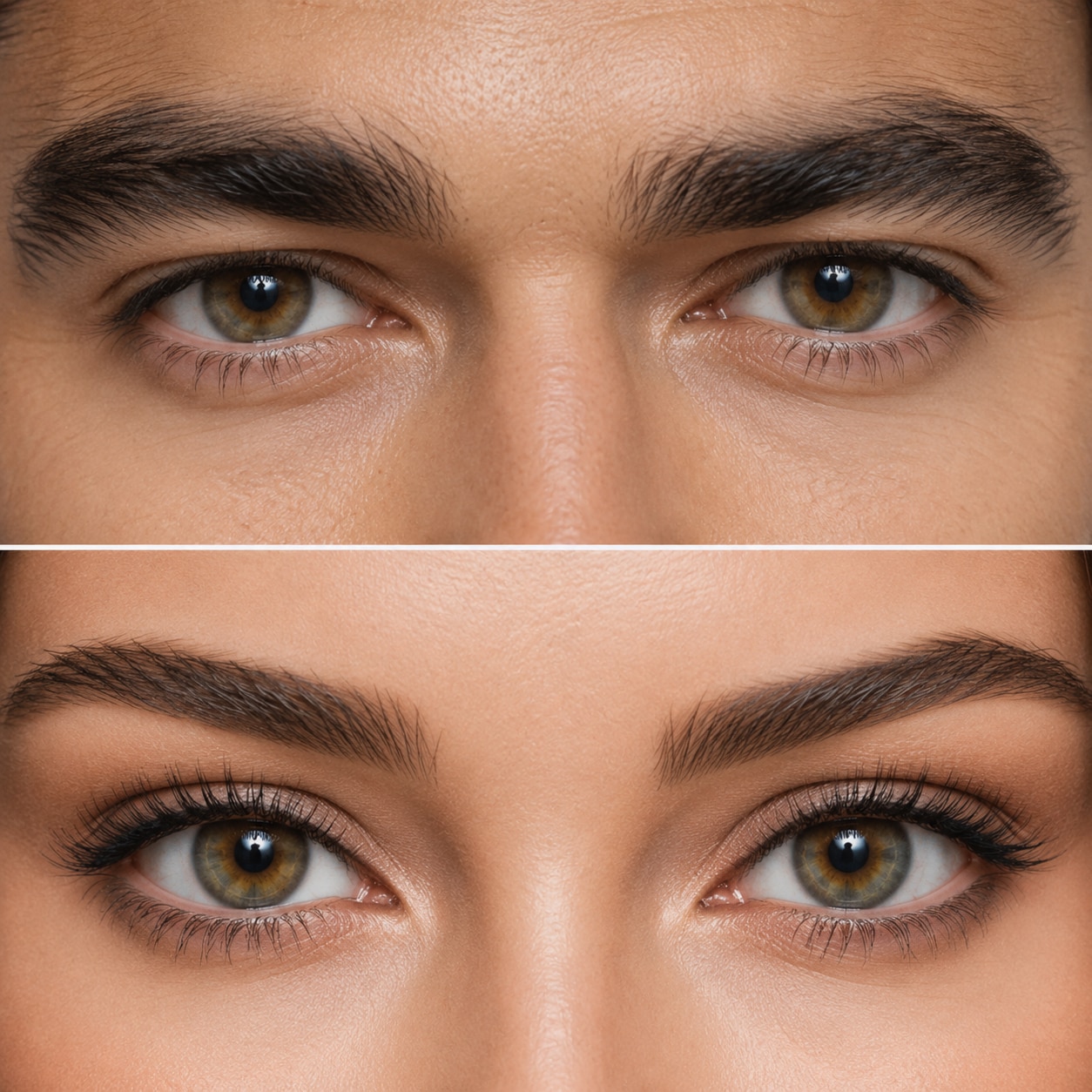
Natural-looking lenses often use layered patterns instead of one flat color. These patterns can mimic the small lines, dots, and color variations found in a real iris. This is why natural looking colored contacts often look better in daily wear, office lighting, and close-up conversations.
For A Bold Color Change
For a bold color change, look for opaque tint contact lenses in shades like blue, green, gray, violet, honey, amethyst, or brighter fashion colors. These tints use stronger pigment, so they can create a more noticeable before-and-after effect. A stronger limbal ring can also make the eyes look more defined, larger, or more dramatic.
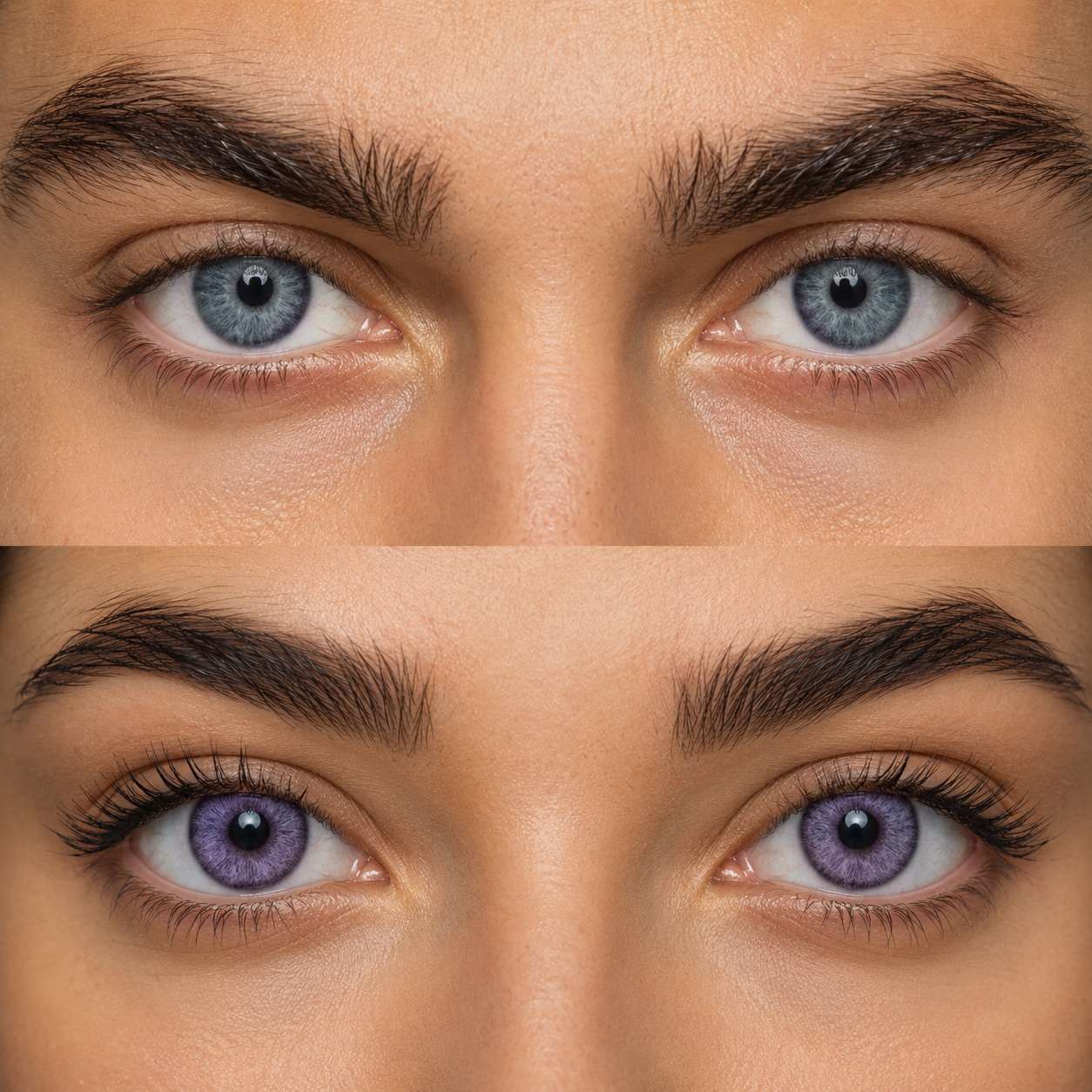
Bold tints work well for photoshoots, performances, costumes, night-out looks, or anyone who wants a clear color shift. For a horror-inspired costume rather than a traditional color change, Zombie contact lenses can create a more dramatic undead or infected-eye effect. Keep in mind that dramatic colors can look different in daylight, flash photography, stage lighting, and indoor lighting. Try the lenses before a major event so you can check comfort, vision, and color in real settings.
For Dark Brown Eyes
If you have dark brown eyes, opaque lenses usually show better than enhancement tints. Enhancement tints are translucent, so they can look too faint over a deep brown iris. For a visible change, choose colored contacts for dark eyes with enough pigment to show over your natural color.
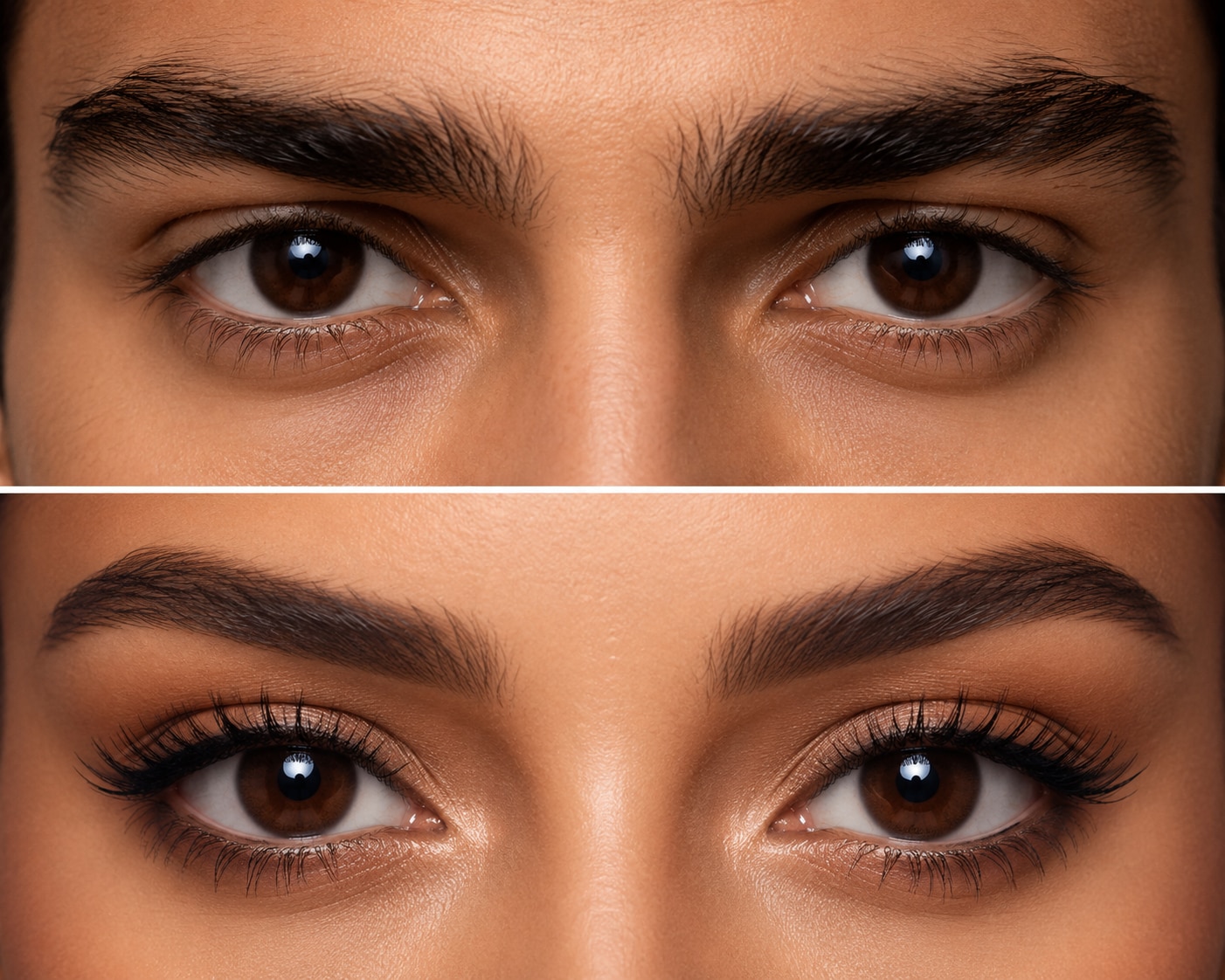
Hazel and honey shades can create a warm, realistic change, while gray, green, blue, or violet can look more striking. Blended opaque lenses often look more natural than flat, solid designs. If your goal is a noticeable but wearable look, choose a shade with soft edges and realistic iris detail.
For Light Eyes
If you have blue, green, gray, or light hazel eyes, enhancement tints can intensify your natural color beautifully. A blue enhancement tint can make blue eyes look deeper, while green or hazel tints can add warmth or brightness. Because light eyes already allow translucent color to show, you may not need a strong opaque lens for an everyday change.
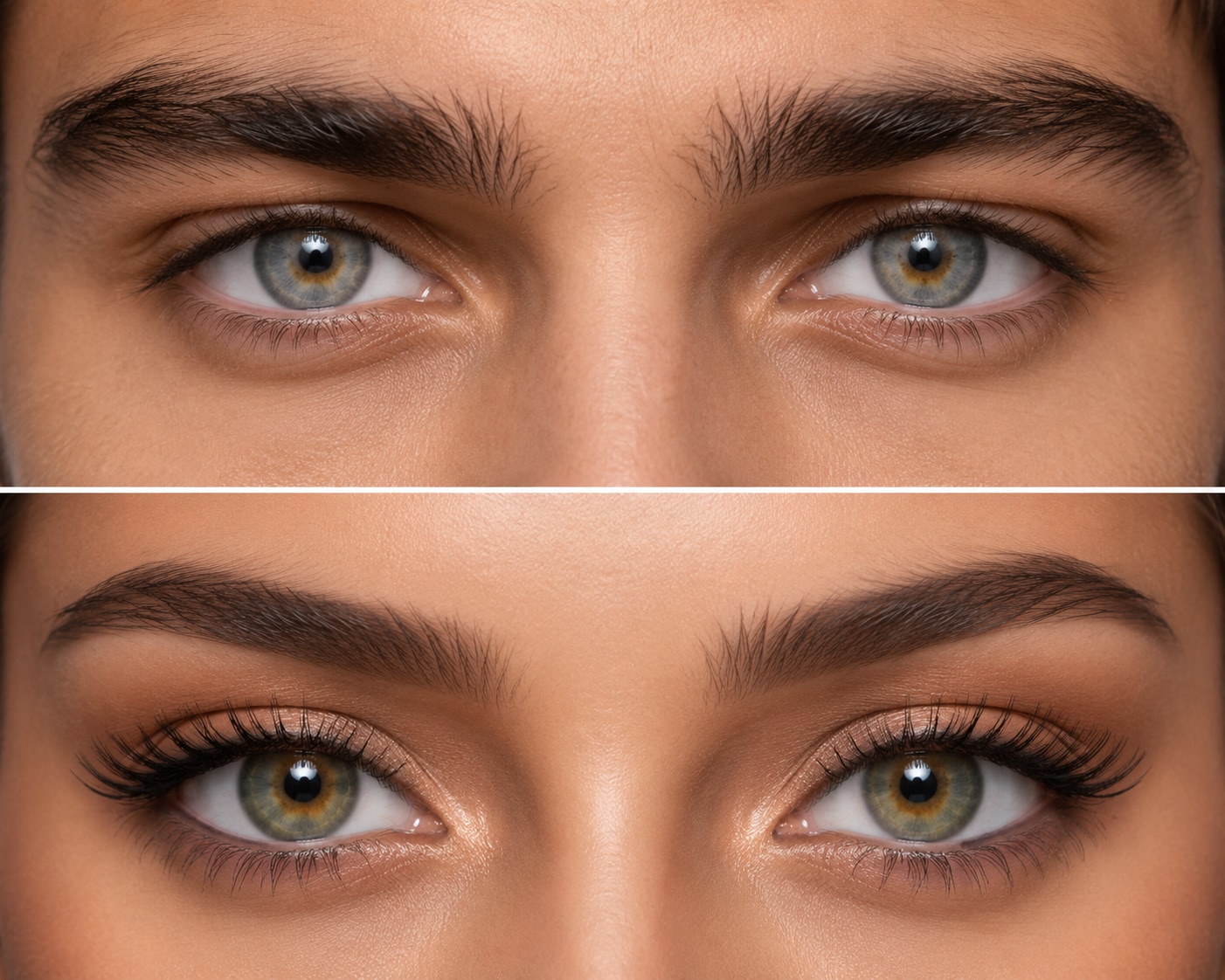
Opaque tints can still work if you want a bigger transformation. They can shift light eyes toward brown, gray, hazel, green, or a fashion shade. The choice depends on whether you want to enhance your current color or create a completely different look.
Match Your Tint To Skin Tone, Hair Color, Makeup
Your skin tone can change how a tint looks once it is on your eyes. Fair skin often pairs well with gray, blue, green, hazel, or soft violet tones, while medium or tan skin can look balanced with honey, hazel, green, warm brown, or deeper gray. Deep skin tones can look beautiful with warm brown, honey, hazel, gray, green, or bold shades, depending on whether you want a soft or high-contrast look.
Hair color matters, too. Blonde and light hair can make darker or cooler eye colors stand out, while black or dark brown hair can create contrast with blue, gray, green, violet, or hazel lenses. If your hair is brightly colored, such as pink, purple, blue, or red, a softer lens shade can keep the whole look balanced.
Makeup and lighting can change the final effect. A lens that looks natural in daylight can look brighter in flash photos, while a gray or blue tint can feel cooler under indoor lighting. Test your lenses with your usual makeup, event makeup, and different lighting before deciding on a shade.
Not sure whether you should go subtle, bold, or somewhere in between? Use tips to choose the best colored contact lenses for your eyes so your tint matches your eye color and the look you want.
Can You Get Prescription Tinted Contact Lenses?
Yes, you can get prescription tinted contact lenses if an available lens matches your prescription, eye shape, and fitting needs. Some tinted contacts correct nearsightedness or farsightedness while also enhancing or changing your eye color. Plano tinted contacts do not correct vision, but they still require a valid contact lens prescription and proper fitting.
Options for astigmatism and presbyopia can be more limited than standard tinted lenses. If you have astigmatism, you may need a toric design that stays stable on the eye, while presbyopia may require multifocal contacts, monovision, reading glasses, or another correction plan. A glasses prescription is not enough because contact lenses sit directly on your eye and must include lens-specific details such as brand, power, base curve, diameter, material, and expiration date.
Clear vision should come before color, especially if your prescription is more complex. Ask your eye doctor which tinted contacts are available for your power, eye shape, comfort needs, and vision goals. Buy only the exact brand and parameters your doctor approves so your lenses look good, fit safely, and help you see clearly.
Have astigmatism and wonder if you can still get a tinted look that stays stable on the eye? Check colored contact lens options for astigmatism and buying tips so you know what toric color choices may be available.
Are Tinted Contact Lenses Safe?
Yes, tinted contact lenses can be safe when they are prescribed, fitted, worn, cleaned, and replaced correctly. They sit directly on your eyes, so fit matters just as much as color. A safe lens should match your prescription, eye shape, replacement schedule, and eye doctor’s instructions.
No-prescription tinted contacts are risky because they may not fit your eyes or meet proper safety standards. A poor fit can cause corneal scratches, redness, irritation, allergic reactions, blurry vision, infection, or possible vision loss. Avoid street vendors, beauty stores, costume shops, flea markets, novelty stores, and websites that do not require a valid contact lens prescription.
Treat colored contact lenses like medical devices, not simple beauty accessories. Remove them right away if your eyes feel painful, red, swollen, scratchy, watery, blurry, light-sensitive, or irritated. Buy only from a seller that verifies your prescription, and do not wear the lenses again until your eye doctor says they are safe if symptoms appear.
How to Care for Tinted Contact Lenses
Caring for tinted contact lenses is simple when you follow the routine your eye doctor gave you. The right care depends on whether your lenses are daily disposable or reusable, so always follow the directions for your prescribed lens type.
1. Wear daily disposable tinted contacts once.
Daily disposable tinted contacts are made for one-time use only. Throw them away after wearing them, and do not clean, store, or reuse them the next day.
2. Clean reusable tinted contacts after every wear.
Reusable tinted contacts need to be cleaned each time you remove them. Wash and dry your hands first, then rub, rinse, disinfect, and store each lens with the solution your eye doctor recommends.
3. Use only the recommended contact lens solution.
Some tinted contacts have care instructions that depend on the lens material, tint design, and replacement schedule. Do not switch solutions, mix products, or change cleaning steps unless your eye doctor says it is safe.
4. Keep lenses away from water and saliva.
Never rinse, store, or wet your lenses with tap water, bottled water, distilled water, or saliva. Water and saliva can introduce harmful microbes, so remove your lenses before swimming, showering, or using a hot tub.
5. Replace lenses on schedule
Replace your lenses based on the schedule your eye doctor prescribed, not based on how clean they look. A lens can look fine but still have deposits, scratches, or surface changes that affect comfort, vision, and eye safety.
Good lens care keeps your tinted contacts more comfortable, clearer, and safer to wear. Follow your prescribed routine every time, and call your eye doctor if your lenses feel dry, cloudy, scratchy, painful, or uncomfortable before the replacement date.
Wondering why water is such a big no for contacts, even for a quick rinse? Review why you should never put contacts in water so you avoid one of the most common infection risks.
Top 5 Tinted Contact Lens Options
These are contact lens options to discuss with your eye doctor. Availability, prescription range, color selection, comfort, and suitability depend on your eye exam and contact lens prescription.
Air Optix Colors
Air Optix Colors is a monthly colored contact lens option for a noticeable but wearable color change. These Air Optix colored contact lenses work well for readers comparing natural looking colored contacts with bolder tinted options because it offers multiple eye-enhancing colors.
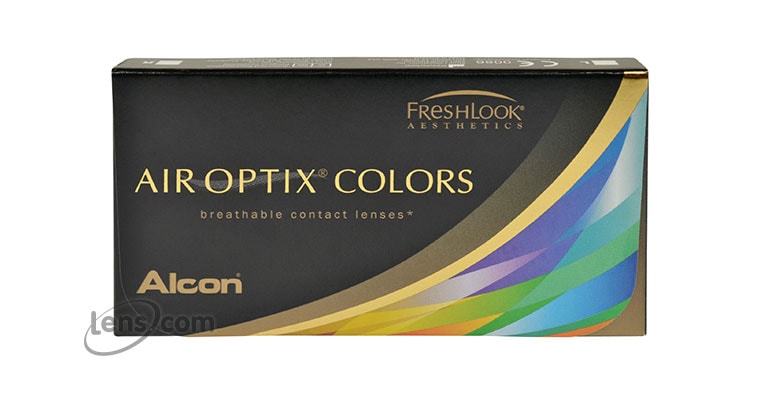
Choose Air Optix Colors if you want a reusable color lens option to discuss for everyday wear, photos, or a more defined eye-color look.
FreshLook ColorBlends
FreshLook ColorBlends is a blended color contact lens option for natural-looking or more noticeable changes. Its 3-in-1 color design makes it relevant if you want a dimensional eye-color effect instead of a flat color.
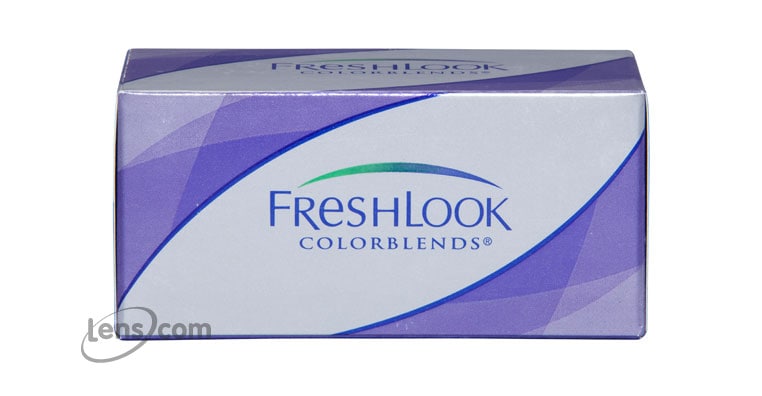
Pick FreshLook ColorBlends if you want a layered tint that can help create depth, definition, and a more blended iris look.
1-Day ACUVUE Define
1-Day ACUVUE Define is a daily disposable enhancement-style lens for a refined, natural look. It is useful if you want more definition and depth without a dramatic color change.
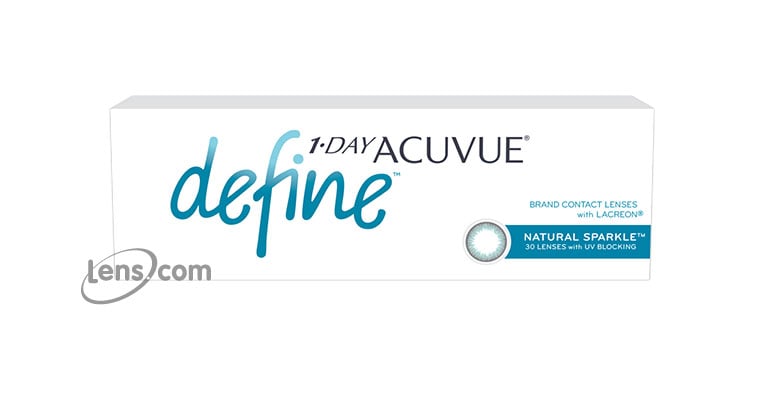
Try 1-Day ACUVUE Define if you prefer a fresh lens each day and want a subtle enhancement that keeps your natural eye color at the center of the look.
FreshLook One-Day
FreshLook One-Day is a daily disposable colored contact option for occasional wear. It can work well if you want a fresh pair for special events, photos, first-time color testing, or short-term style changes.
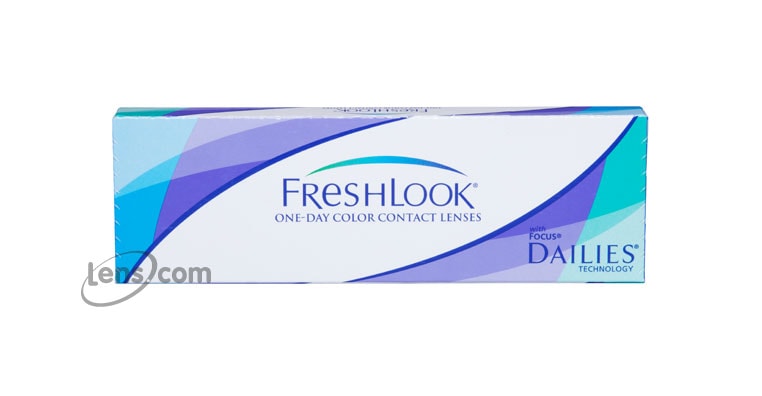
See FreshLook One-Day if you want a single-use color lens option to discuss before a party, photoshoot, costume look, or weekend change.
DAILIES Colors
DAILIES Colors is a daily disposable color option for subtle enhancement without a cleaning routine. It is relevant if you want color flexibility with single-use convenience and prefer starting each wear with a fresh pair.
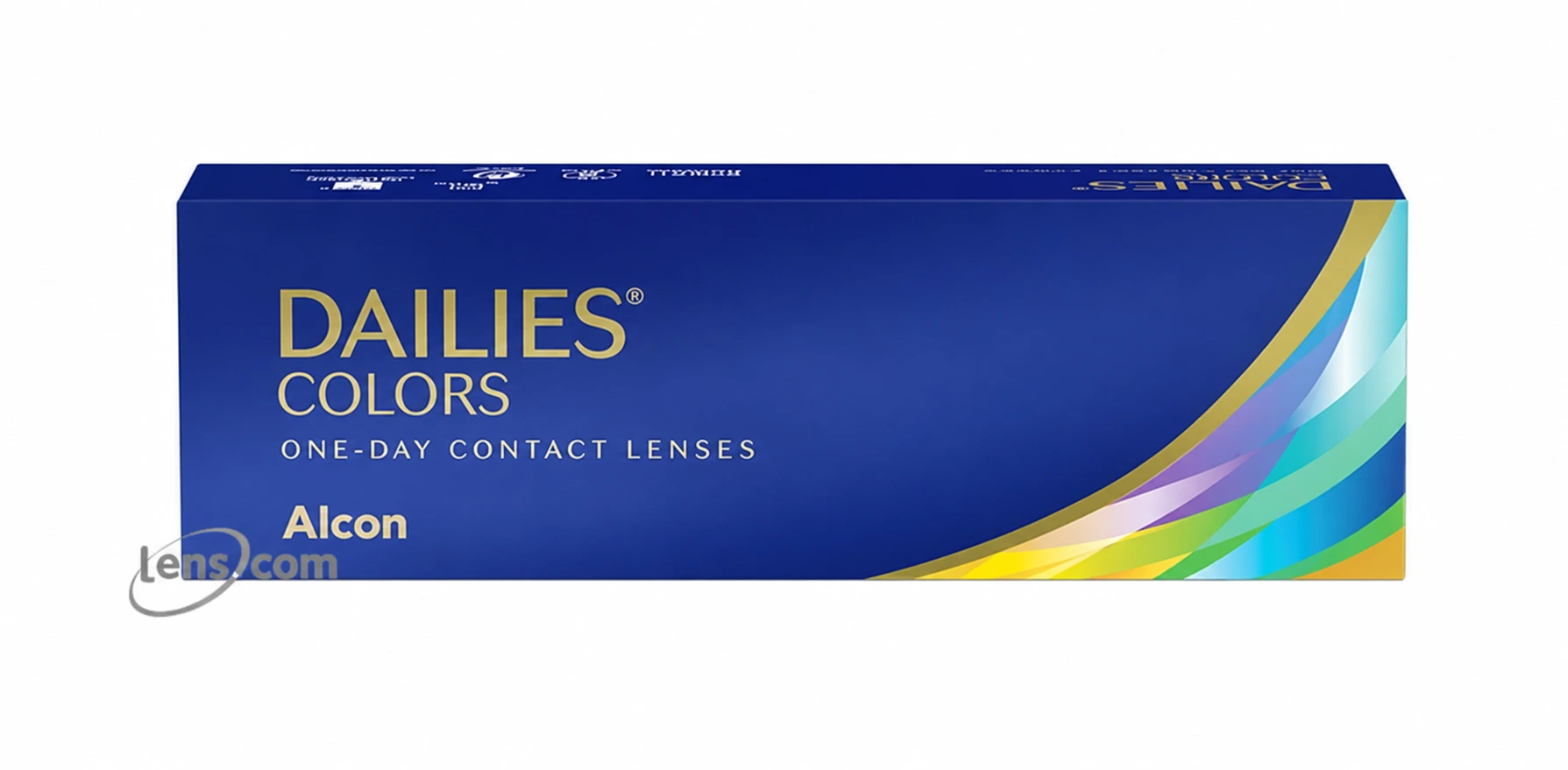
Wear DAILIES Colors if your eye doctor approves a daily color lens for a soft tint, occasional change, or low-maintenance color routine.
Do not switch to a tinted or colored lens without confirming the exact brand, power, base curve, diameter, and replacement schedule your doctor prescribed.
Common Mistakes to Avoid With Tinted Contact Lenses
Tinted contact lenses can change your look in a fun, subtle, or dramatic way, but they still need safe handling. Most problems happen when people treat them like beauty accessories instead of medical devices. Avoid these common mistakes so your lenses look good and feel safe.
Mistake 1: Buying without a prescription
Buying tinted contacts without a prescription is unsafe and illegal in the U.S. Even plano lenses with no vision-correcting power still need a contact lens prescription because fit, size, brand, material, and eye health matter. If a seller does not require prescription verification, do not buy
Mistake 2: Choosing color only from product photos
Product photos can help, but they do not guarantee how the lenses will look on your eyes. Your natural eye color, iris pattern, pupil size, skin tone, makeup, and lighting all change the final result. A lens that looks soft hazel on one person may look brighter, darker, or less noticeable on someone else.
Mistake 3: Sharing tinted contacts
Never share tinted contacts with a friend, partner, sibling, or makeup artist. Sharing lenses can transfer germs from one eye to another and raise the risk of infection. It can also expose your eyes to a lens that was not fitted for your eye shape.
Mistake 4: Sleeping in tinted contacts
Do not sleep in tinted contacts unless your eye doctor specifically prescribed that exact overnight wearing schedule. Sleeping in lenses can increase the risk of serious eye infection, especially if the lenses are made for daily wear only. Remove your lenses before bed, even if you only wore them for a short event.
Mistake 5: Wearing lenses too long
Wearing tinted contacts longer than prescribed can lead to dryness, redness, irritation, blurry vision, and infection risk. Your eyes still need oxygen, moisture, and a clean lens surface. Follow your wearing schedule and remove the lenses early if your eyes feel dry, scratchy, or uncomfortable.
Tempted to sleep in your lenses after a long night out? Learn what the science says about sleeping with contacts on so you understand the risks and safer habits.
How to Decide Which Tinted Contacts Are Right for You
The right tinted contacts depend on more than color. You need a lens that fits your eyes, supports your vision, matches your style goal, and works with your daily routine. Your eye doctor can help you compare tint type, prescription needs, comfort, and safe lens options.
Questions To Ask Your Eye Doctor
Bring your style goal to your contact lens exam, but also ask practical fit and safety questions. Ask whether your prescription is available in tinted contacts, which tint type fits your eye color, and whether your eyes are healthy enough for lens wear. You should also ask about astigmatism options, dry eye concerns, replacement schedule, approved solutions, and where to buy from a prescription-verifying source.
Helpful questions include:
- Which tinted contact lens type works best for my natural eye color?
- Do I need prescription or plano tinted contacts?
- Are tinted contacts available for my astigmatism or presbyopia?
- What base curve and diameter do my eyes need?
- How long can I wear these lenses each day?
- Should I choose daily disposable or reusable tinted contacts?
- Which solution should I use if the lenses are reusable?
- What symptoms mean I should stop wearing them?
The Right Tint Can Change Your Look Safely
Tinted contact lenses can do more than change eye color. The right tint can make lenses easier to handle, enhance your natural shade, create a dramatic transformation, support costume looks, or help with certain light-sensitivity needs. The safest choice is the one that matches your eye color, prescription, comfort needs, and eye doctor’s fitting guidance.
Before you buy, decide whether you want a subtle boost, a bold color change, a functional handling tint, or a medical tint for glare or light sensitivity. Then schedule a contact lens exam and ask which types of tinted contact lenses fit your eyes safely. A beautiful lens should look good, feel comfortable, and protect your eye health at the same time.
Want to see how the right tint could brighten, define, or completely change your look? Browse tinted and colored contact lens options on Lens.com and ask your eye doctor which lenses match your prescription, eye color, and comfort needs.
FAQs About Tinted Contact Lenses
What are tinted contact lenses?
Tinted contact lenses are contact lenses with color added to the lens material or design. Some help with handling, some enhance or change eye color, and some are prescribed for glare, light sensitivity, or medical eye needs.
What are the types of tinted contact lenses?
The main types are visibility tints, enhancement tints, opaque tints, theatrical or special-effect tints, and therapeutic tints. Each type changes your look or vision comfort in a different way.
Are tinted contacts the same as colored contacts?
Colored contacts are usually one type of tinted contact lens. Tinted contacts is the broader term because it can include handling tints, cosmetic color tints, theatrical lenses, and therapeutic tints.
Do tinted contact lenses change your eye color?
Some do, and some do not. Visibility tints usually do not change eye color, enhancement tints subtly boost your natural shade, and opaque or theatrical tints can create a much stronger color change.
Can you get prescription tinted contact lenses?
Yes, many prescription tinted contact lenses can correct nearsightedness or farsightedness while changing or enhancing eye color. Options for astigmatism or presbyopia may be more limited, so your eye doctor needs to confirm availability.
Do you need a prescription for tinted contacts?
Yes. All tinted contacts, including cosmetic and plano lenses, need a valid contact lens prescription and fitting because they sit directly on your eyes.
Are tinted contact lenses safe?
Tinted contacts can be safe when they are prescribed, fitted, worn, cleaned, and replaced correctly. No-prescription lenses, poor fit, overwear, and unsafe care habits can raise the risk of scratches, irritation, infection, and vision problems.
Can tinted contacts help with light sensitivity?
Some tinted contact lenses for light sensitivity may help with glare, photophobia, or bright-light discomfort when prescribed by an eye doctor. These are usually therapeutic lenses, not standard cosmetic color contacts.
How do you care for tinted contact lenses?
Wash and dry your hands before handling lenses. If they are reusable, rub, rinse, disinfect, and store them in fresh solution as directed by your eye doctor. Never use water, saliva, or old solutions.
What should you do if tinted contacts hurt?
Remove the lenses right away if you feel pain, burning, scratchiness, redness, sudden blur, discharge, or light sensitivity. Do not put them back in, and contact your eye doctor if symptoms do not clear quickly.
Disclaimer: This content is for general informational purposes only and is not a substitute for professional advice, diagnosis, or treatment.
References
Contact Lenses: What They Are, Types & How To Use. Cleveland Clinic. https://my.clevelandclinic.org/health/articles/10737-contacts. Date Accessed: June 9, 2026.
About Decorative Contact Lenses. Centers for Disease Control and Prevention. https://www.cdc.gov/contact-lenses/about/about-decorative-contact-lenses.html. Date Accessed: June 9, 2026.
Decorative Contact Lenses for Halloween and More. United States Food and Drug Administration.https://www.fda.gov/medical-devices/contact-lenses/decorative-contact-lenses-halloween-and-more. Date Accessed: June 9, 2026.
Healthy Habits: Keeping Water Away from Contact Lenses. Centers for Disease Control and Prevention. https://www.cdc.gov/contact-lenses/about/healthy-habits-keeping-water-away-from-contact-lenses.html. Date Accessed: June 9, 2026.
Prosthetic and Tinted Contact Lenses: 7 Tips for Patient Satisfaction. Jennifer Kirby. Contact Lens Spectrum. https://www.clspectrum.com/issues/2026/january-february/gsls10/. Date Accessed: June 9, 2026.