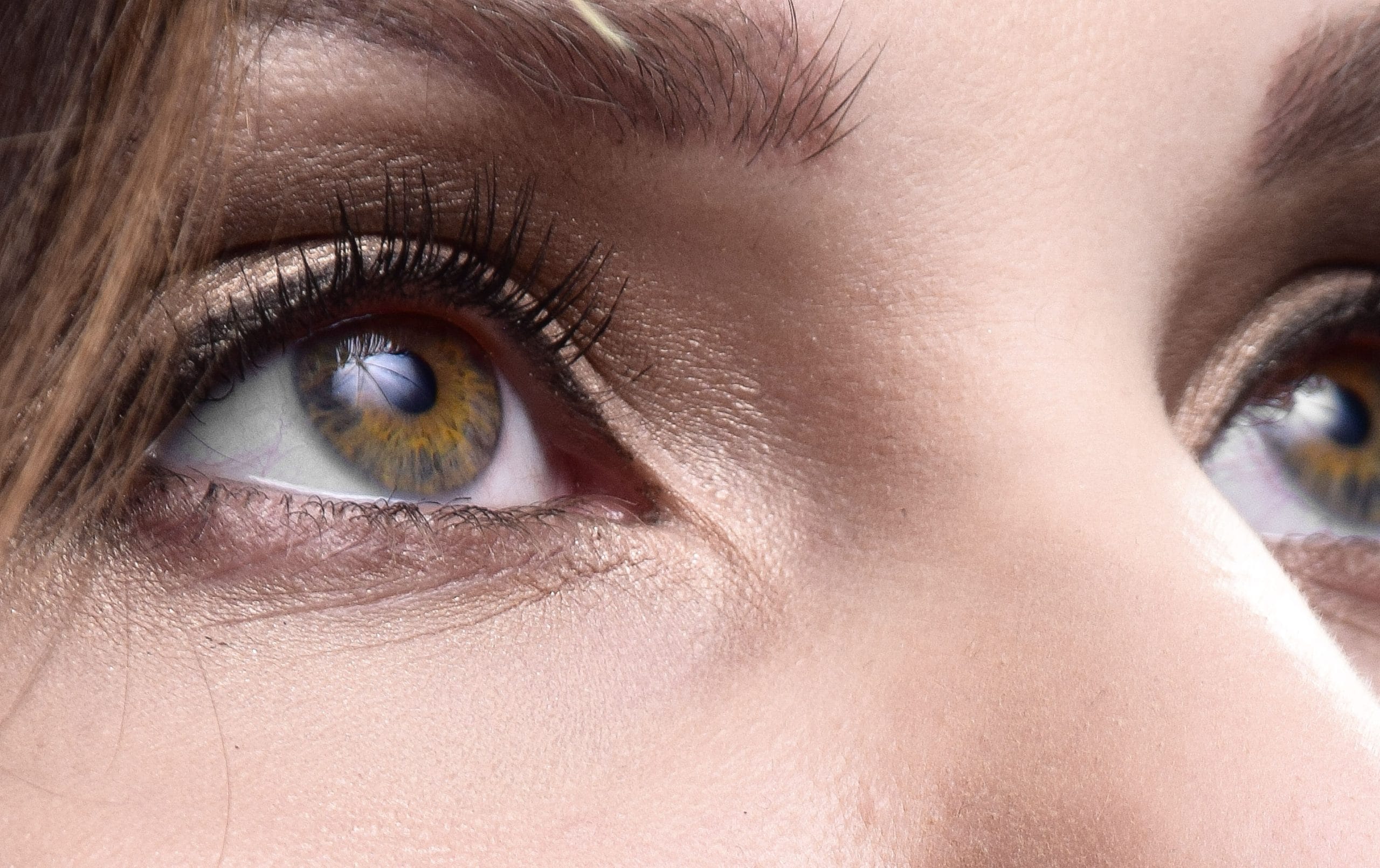
Most eye-nutrition articles hit the same notes: carrots and sweet potatoes for vitamin A, leafy greens for lutein and zeaxanthin, citrus for vitamin C, nuts and seeds for vitamin E, oily fish for omega-3s, and eggs for a mix of carotenoids (we’ve made just such a best-foods-list). Those staples are solid and supported by ophthalmology groups and medical outlets. (AAO, Medical News Today)
Here are ten lesser-talked foods with credible science behind their eye benefits, plus how they help and quick ways to eat them.
Why it helps: Saffron contains crocin and crocetin, carotenoid compounds linked to improved retinal function. In small randomized trials, daily saffron improved visual function in people with age-related macular degeneration (AMD).
Try it: Steep 5–10 strands in warm water and stir into risotto, paella, or yogurt.
Why it helps: Naturally rich in zeaxanthin, which concentrates in the macula. A randomized study in adults 45–65 found 28 g of goji berries, five days a week for 90 days, increased macular pigment optical density (MPOD), a biomarker linked with lower AMD risk.
Try it: Sprinkle the dried berries over oatmeal or blend into smoothies.
Why it helps: Among nuts, pistachios are notable sources of lutein and zeaxanthin. A 2025 randomized trial found a pistachio intervention increased MPOD in adults with low baseline intake.
Try it: Swap in a small handful as an afternoon snack or pulse into pesto.
Why it helps: Orange peppers are exceptionally high in zeaxanthin, the macular carotenoid that filters blue light and helps neutralize oxidative stress. Classic analyses identified orange pepper as the top vegetable source of zeaxanthin. (PubMed, PMC)
Try it: Slice raw with hummus or roast and add to grain bowls.
Why it helps: Kiwifruit deliver very high vitamin C and meaningful lutein and zeaxanthin, nutrients associated with lower cataract risk and better retinal antioxidant status.
Try it: Two kiwis after lunch or diced over Greek yogurt.
Why it helps: The delphinidin-type anthocyanins in maqui have been studied for dry eye. Randomized, double-blind trials of maqui extract reported improvements in dry-eye symptoms and signs.
Try it: Standardized maqui extract capsules are the format used in studies. Discuss supplementation with a clinician if you have medical conditions or take medications.
Why it helps: Packed with acylated anthocyanins that can cross the blood–retinal barrier in vivo and accumulate in ocular tissues. Lab and cell data point to protection of retinal pigment epithelial cells from oxidative stress.
Try it: Roast wedges or mash as a side; leave the skins on for added polyphenols.
Why it helps: Lycopene is a potent antioxidant found in the retina and lens. It is far more bioavailable from processed tomatoes than raw. Human pharmacokinetic work shows tomato paste yields roughly 2.5–3.8× higher blood lycopene exposure than fresh tomatoes. Emerging reviews have also discussed ocular protective roles.
Try it: Use double-concentrated paste in sauces, soups, or shakshuka.
Why it helps: Outstanding source of zinc, which supports rhodopsin regeneration for low-light vision and is a component of the AREDS formula that reduced progression to advanced AMD in higher-risk patients. Zinc deficiency links to night-vision problems. (PubMed, Linus Pauling Institute)
Try it: A half dozen oysters on occasion, or use tinned oysters in chowders. If you do not eat shellfish, beans, seeds, beef, and fortified foods can help cover zinc.
A few items have disease-specific trials. For example, saffron and pistachios have human data on AMD-related outcomes or biomarkers, while maqui targets dry eye. That does not make them cures, but it gives you stronger reasons to rotate them into meals. (PMC, PubMed)
Have a question? Call us at
1-800 LENS.COM (536-7266)
Online 24/7
© 1995-2021 Lens.com. All Rights Reserved. Lens.com is a contact lens replacement company, and a direct to consumer marketer of contact lenses.
As a contact lens replacement center, we can only sell you contact lenses that you have a valid prescription for, and are wearing successfully.