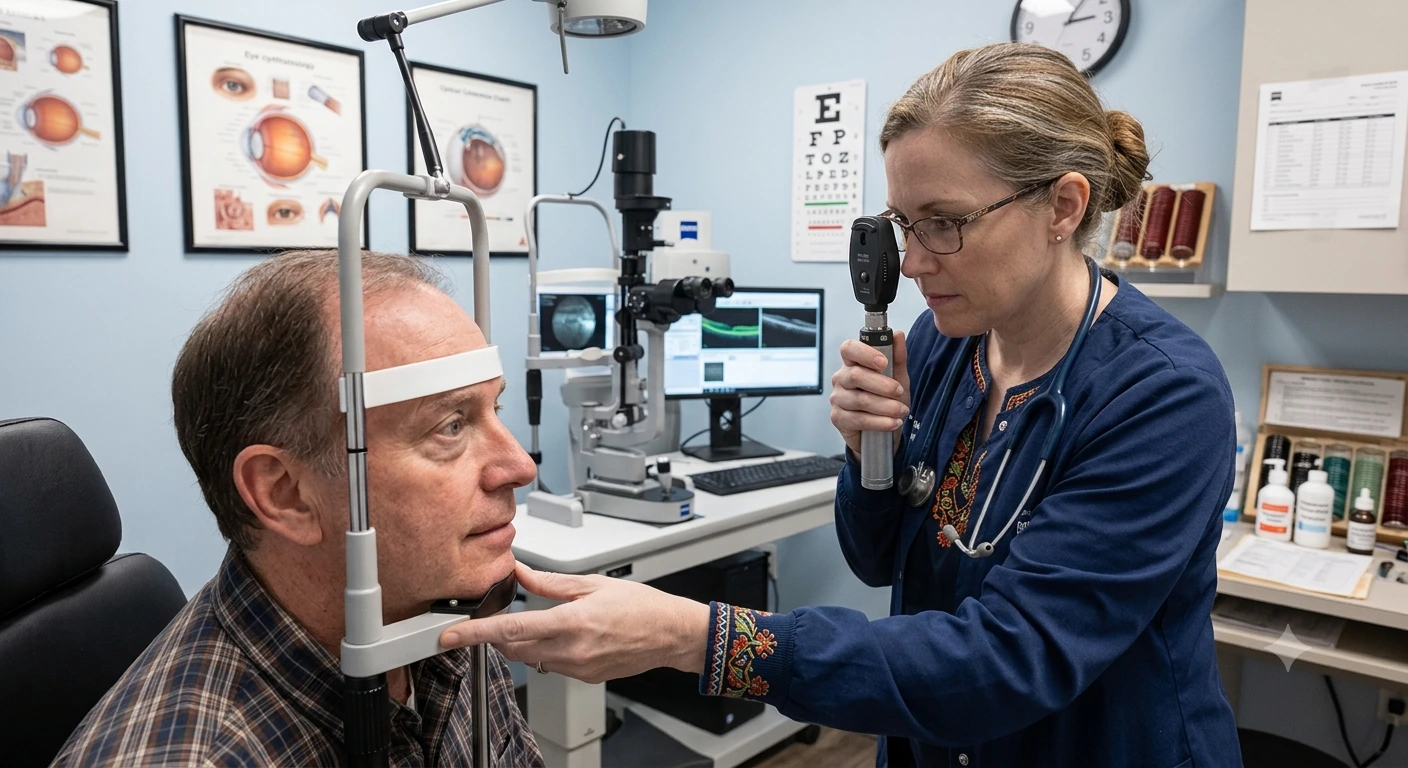

Age-related macular degeneration (AMD) is a leading cause of irreversible vision loss, particularly in the aging population. In the United States alone, millions of people are affected by this debilitating eye condition. While there are treatments available, they are often limited in effectiveness and come with unwanted side effects.
Thankfully, a new study published in Developmental Cell offers promising insights into the underlying causes of AMD and presents potential avenues for more effective treatments, giving hope to millions of patients and their families.
What Is AMD?
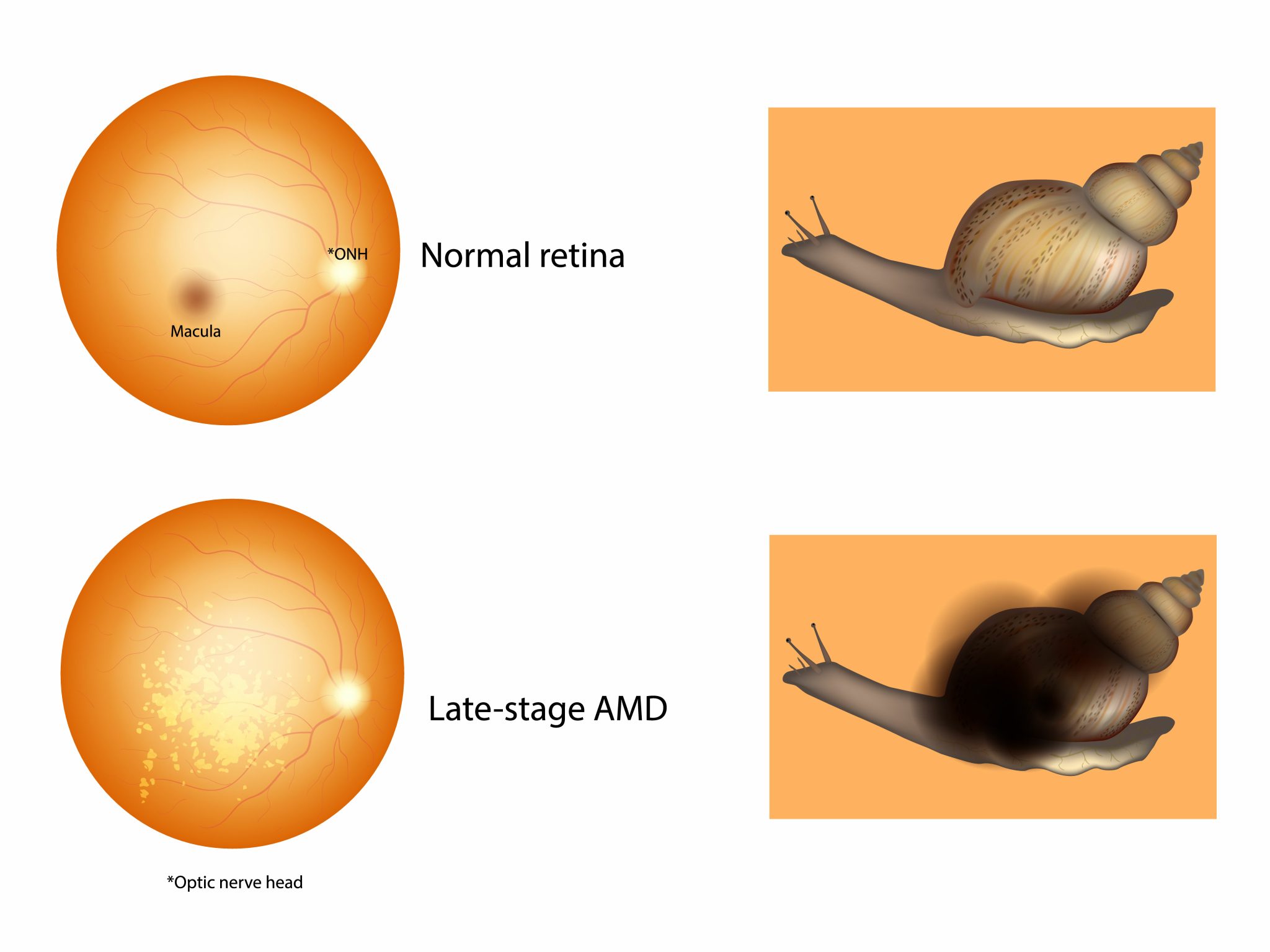
AMD, or age-related macular degeneration, primarily affects the macula, the part of the retina responsible for sharp central vision. Over time, the condition leads to the deterioration of this area, causing a gradual loss of the ability to see clearly. This makes tasks like reading, recognizing faces, and driving more difficult.
There are two forms of AMD—dry and wet. The dry form is more common and occurs as light-sensitive cells in the macula break down. Wet AMD, though less common, progresses more rapidly and involves the growth of abnormal blood vessels beneath the retina that can leak fluid or blood, hence damaging the macula.
Current treatments for AMD, particularly for the wet form, are focused on halting its progression rather than curing the disease. Unfortunately, many of these treatments come with various side effects, including eye pain, increased risk of infection, and a limited success rate in halting vision loss.
Can I Wear Contact Lenses or Eyeglasses If I Have AMD?

Yes, you can wear contact lenses or eyeglasses if you have age-related macular degeneration (AMD), but please note that they won’t stop the disease’s progression. Instead, they can help improve your remaining vision by addressing other vision issues, like nearsightedness or farsightedness. While contacts or glasses won’t necessarily correct the central vision loss caused by AMD, they can make everyday tasks easier and more comfortable.
For people with AMD, low-vision aids, such as magnifying glasses, special lenses, or even custom contacts designed to enhance peripheral vision, can offer additional support. It’s always best to consult with your eye doctor to determine what vision correction options are right for your specific needs as your AMD progresses.
Fortunately, this new research we’ll be discussing below brings hope for potentially more effective interventions that target the root cause of AMD.
The Study: TIMP3 as a Significant Player in AMD Development
Led by Dr. Ruchira Singh of the University of Rochester Flaum Eye Institute and Center for Visual Sciences, this breakthrough study utilized human stem cells to model the progression of AMD. The researchers were able to uncover more accurate and relevant insights by moving away from animal models, which often fail to fully replicate the human condition.
Their research focused on a specific protein called tissue inhibitor of metalloproteinases 3 (TIMP3), which plays a vital role in the early stages of AMD. TIMP3 is responsible for inhibiting the activity of enzymes known as matrix metalloproteinases (MMPs), which are highly important for maintaining eye health. However, in individuals with AMD, TIMP3 is overproduced, and this excess production hinders the normal activity of MMPs. This leads to an increase in inflammation and the formation of deposits known as drusen, made up of lipids and proteins.
Drusen accumulation is often one of the earliest indicators of AMD. These deposits form between the retina and the underlying tissue, contributing to the deterioration of the retinal pigment epithelium (RPE), a layer of cells essential for supporting retinal function.
As drusen accumulate, they interfere with the RPE’s ability to nourish retinal cells, eventually leading to the macula’s degradation. The identification of TIMP3 as a contributor to drusen formation offers a new avenue for AMD research, as targeting this protein could potentially halt the disease’s progression before vision loss occurs.
Inflammation: A New Therapeutic Target
In addition to identifying TIMP3’s role in AMD, the research team discovered that another enzyme, linked to increased inflammation, becomes more active when MMPs are suppressed. This enzyme further aggravates the accumulation of drusen, leading to the progression of AMD. Given the inflammatory nature of this process, targeting inflammation presents an exciting new approach to potentially preventing AMD from reaching advanced stages.
The researchers tested this theory by using a small molecule inhibitor to block the activity of the inflammation-inducing enzyme in their AMD model. The results were promising: drusen formation was significantly reduced. This suggests that anti-inflammatory strategies could be a powerful method for stopping AMD in its tracks, offering a preventative approach rather than relying on treatments that manage symptoms after the disease has already progressed.
“Cellular pathways involved in drusen formation are key drivers of AMD progression,” said Dr. Singh. “If we can halt the accumulation of drusen, we may be able to prevent the disease from progressing to a stage where vision loss occurs.” This research marks an exciting step forward, offering hope for millions of individuals affected by AMD.
Why Are Stem Cell Models Important in AMD Research?
One of the major innovations of this study was the use of human stem cells to model AMD, which overcame many of the limitations associated with traditional animal models. AMD is a complex disease that involves multiple genetic and environmental factors, making it difficult to replicate fully in animals.
Through the use of stem cells derived from patients with AMD, the researchers were able to more accurately recreate the cellular conditions that lead to the disease, providing a more reliable platform for testing potential treatments. Human stem cells allowed the researchers to examine the role of genes associated with AMD and other rare inherited forms of blindness, such as macular dystrophies.
This breakthrough in methodology is likely to inspire future studies, as the use of stem cells may open the door to more effective research on various age-related diseases. Dr. Singh’s study is a prime example of how stem cell research can be used to uncover the molecular mechanisms behind complex diseases, paving the way for new therapeutic strategies.
Collaboration and Future Directions
This research was a collaborative effort, bringing together experts from the University of Rochester, the National Eye Institute, the University of Melbourne, and the Cleveland Clinic, among others. Notable co-authors included Dr. Sonal Dalvi, Michael Roll, and Dr. Amit Chatterjee, as well as leading contributors from the National Eye Institute and institutions around the globe.
The study was supported by funding from the National Eye Institute, the ForeBatten Foundation, and Research to Prevent Blindness, reflecting the broad interest in finding new treatments for AMD and other vision-related diseases. Moving forward, the team hopes to expand their research to further explore the therapeutic potential of targeting TIMP3 and inflammation in AMD.
What to Look Forward in This AMD Treatment
While this research is still in its early stages, the findings offer hope for new treatment strategies that could prevent or slow down the progression of AMD. Through the use of cellular mechanisms that drive drusen formation as well as the role of inflammation, this study opens up new possibilities for early intervention.
Currently, AMD treatments are largely reactive, attempting to manage the disease after it has already caused vision loss. However, by targeting the underlying causes of the disease, such as TIMP3 overproduction and inflammation, future treatments might be able to stop AMD before any damage occurs. This shift toward preventive treatment could be a game-changer for the millions of people at risk of developing AMD as they age.
Takeaway
The research led by Dr. Ruchira Singh and her team has provided important new insights into the cellular mechanisms behind AMD, particularly the role of TIMP3 and inflammation in drusen formation. By using human stem cells to model AMD, the researchers have opened up new avenues for developing treatments that target the root causes of the disease, providing hope for preventing the vision loss that has long been considered inevitable in AMD patients.
As the search for more effective AMD treatments continues, this study stands as a promising example of how innovative research can bring us closer to preventing age-related blindness altogether.
Similar Articles
-

Guide to the Fairness to Contact Lens Consumers Act: Take a Stand Against Its Erosion (w/Full Text of FCLCA)
-

Can Wearing Outdated Prescription Contact Lenses Affect My Eyes?
-

Where to Buy Contact Lenses in NYC? Online and In-Store (2026)
-

Advanced Contact Lens Finder – Search by Feature, Diameter (DIA), Base Curve (BC), Overnight Wear & More
-

What Is Keratometry and Why is it Important?