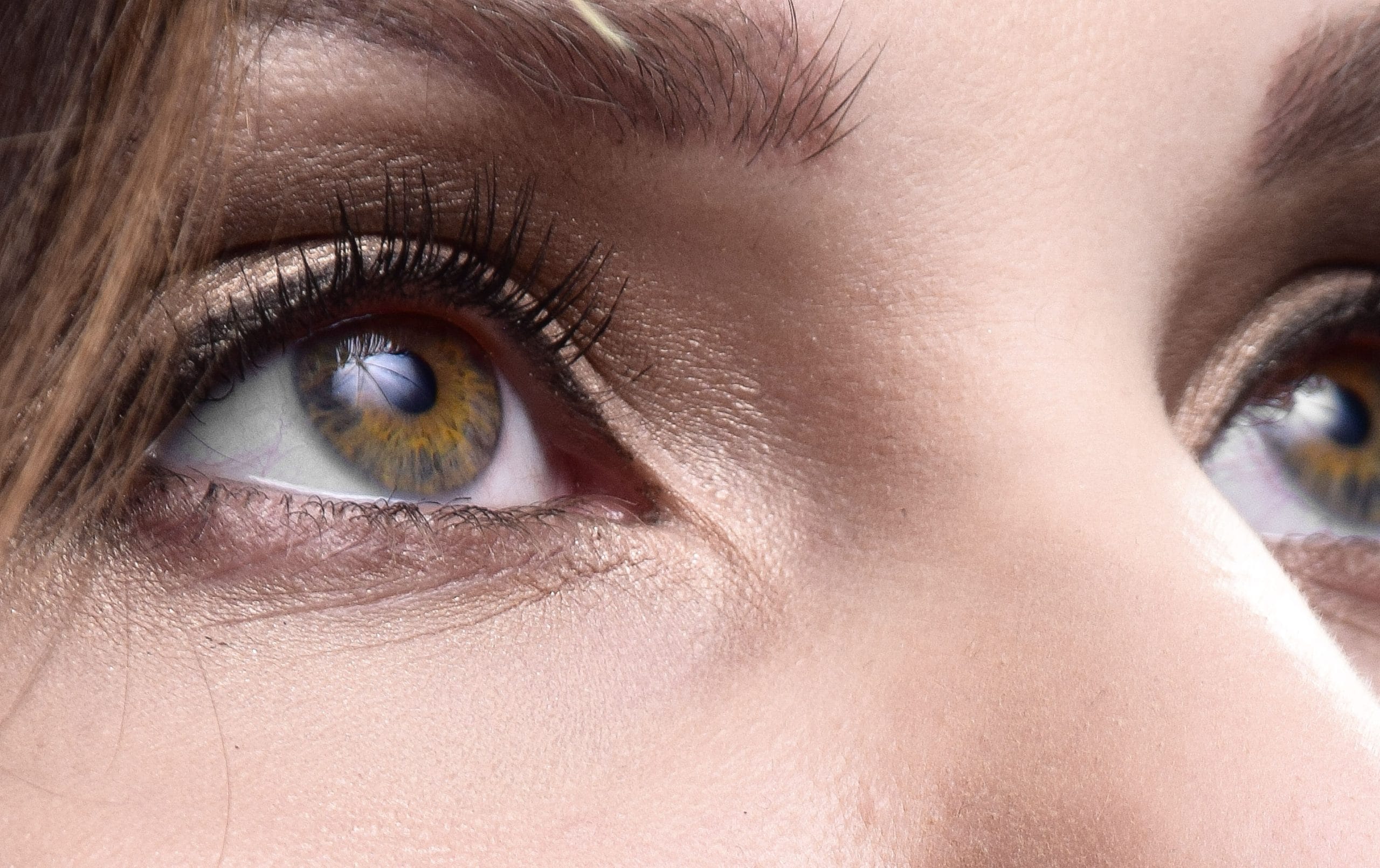

Updated July 29, 2026 – Do your eyes become watery while wearing contact lenses? Lens comfort can vary by age, prescription, tear film, and wearing routine, so comparing contact lenses for all ages with your eye care professional can help you find an option that fits your stage of life and daily needs. Even experienced lens wearers may occasionally notice excessive tearing, which can happen when the eyes become dry, irritated, or exposed to an unsuitable lens fit or material.
If dryness contributes to your symptoms, learning about the best contacts for dry eyes may help you identify moisture-focused materials and replacement schedules to discuss with your eye care professional. Tear quality, fit, and lens design can also affect comfort, especially when comparing specialty options such as ocular contact lenses for specific vision or eye health needs.
At Lens.com, we’ve put together some of the most common causes of watery eyes from contact lenses, including tips for avoiding this problem.
1. Dirty Contact Lenses
Over time, protein deposits, dust, pollen, and even makeup residue can accumulate on the surface of contact lenses, causing irritation and making your eyes water. Regular cleaning after each use is essential to keep lenses clear and comfortable. Using a suitable lens solution helps to break down these deposits and remove particles that can irritate your eyes.
In addition to cleaning your lenses, don’t forget to clean your contact lens case daily. The case can easily become a breeding ground for bacteria if not maintained, which increases the risk of transferring harmful bacteria to your lenses. Be sure to rinse the case with fresh contact lens solution—not water—each day, and allow it to air dry. Replacing your lens case every three months is another good practice for maintaining hygiene and preventing bacterial contamination.
2. Dirty Hands
Those substances can get in your eyes and cause irritation or, worse, infection. For example, you could end up with pink eye, an infection of the membrane that lines the eyelid and covers the white part of the eyeball. It typically causes red and very watery, irritated eyes.
To avoid irritation and infection, wash and dry your hands before touching your eyes, your contacts, and your contact lens case. Another way to protect your eyes is by using 1 Day Acuvue TruEye contacts, which eliminate the need for cleaning and storage.
3. Allergic Reaction to Contact Lens Solution
You can develop an allergic reaction to your contact lens solution, even if you have used the same brand for years. This typically occurs due to the preservatives used in solutions, which your contacts can absorb.
Your eyes may react to those preservatives, leaving them watery and irritated. If you’ve become allergic to your contact lens solution, try one specifically designed for sensitive eyes. You can also consult your eye doctor to determine which ingredients may be causing your allergic reaction.
4. Allergies
If you have seasonal allergies, wearing contact lenses can be challenging. Pollen, dust, dander, and other irritants can stick to the surface of your contacts and cause your eyes to water.
If you struggle with seasonal allergies as a contact lens wearer, talk to your eye doctor about trying daily replacement lenses. These lenses are designed to be worn for only one day before being discarded, so allergens have less time to accumulate on them.
The best option to consider is 1 Day Acuvue TruEye contact lenses. These types of lenses provide a clean, fresh pair every day, reducing the buildup of pollen and other allergens that can irritate your eyes. Many allergy-prone wearers order 1 Day Acuvue TruEye online to enjoy hassle-free comfort and minimize irritation from environmental triggers.
5. Damaged Contact Lenses
Even the tiniest tear or rip on your contact lenses will leave your eyes red and watery. Be sure to inspect your lenses before putting them on. If you suspect your contact lens is torn or damaged, throw it away and wear a new one.
6. Inside-Out Contact Lenses
To check if your contact lens is inside-out, place the lens on the tip of your finger, so the edge of the lens is pointing up. Hold it in front of your eyes and inspect it from the side. If the lens forms a cup shape with the edge perfectly upright, the lens is correctly oriented. If the lens has a noticeable rim that appears to bend outward, it is inside out.
Other Causes of Watery Eyes
If you get watery eyes even when you’re not wearing contact lenses, the culprits could be:
- Weather. Changes in the weather can affect the eye due to the amount of humidity in the air.
- Aerosols. Perfumes, hair sprays, and air fresheners contain irritants that can cause the eye to become red and watery, even if the product isn’t sprayed directly in the eye.
- Corneal abrasion. A scratch on the cornea (the clear, front surface of the eye) is extremely painful and will cause redness, watering, and even blurred vision.
- Makeup. Many makeup products are irritating to the eye and can cause watering and sensitivity.

- Ingrown eyelash. Eyelashes that grow inward instead of outward can touch the eyeball, causing pain, redness, and watery eyes.
- Styes. Styes develop from an eyelash follicle clogged with oil, debris, or bacteria. They typically cause tenderness, itching, and watery eyes.
- Smoking. Smoking harms nearly every organ in the body, including the eyes. Studies show that smoking can lead to eye conditions that can cause vision loss or blindness, such as cataracts and macular degeneration.
- Excessive screen time. Many people forget to blink when staring at a digital screen. This can cause the eyes to dry out and water, and it can also cause blurred vision.
Makeup, screen time, smoke, or even an ingrown eyelash can trigger watery eyes, especially if you’re already wearing lenses that don’t fit your needs. Some wearers who struggle with comfort in dry or irritating environments choose to buy Air Optix Aqua, which is designed to stay breathable and resist deposit buildup throughout the day.
Shop Quality Affordable Contacts at Lens.com
How Lens Care and Solution Choices Affect Watery Eyes
Proper lens care is essential to prevent eye irritation and discomfort, including excessive tearing. Using solutions not specifically formulated for your lens type can lead to irritation, as hard lens solutions can dry out or damage soft lenses, triggering watery eyes as the body’s natural response. Choosing a multipurpose solution designed for your specific contact lenses—such as soft lens solutions for daily wear—can help maintain comfort and hydration throughout the day.
Environmental factors like dust, pollen, or pollution can also contribute to watery eyes, especially for contact lens wearers. To reduce irritation, ensure your lenses are cleaned daily with the correct solution and stored in fresh solution each night. For individuals prone to allergies, consider lens solutions formulated for sensitive eyes, which help minimize reactions to preservatives and chemicals. Keeping your lenses clean and using the right solution can greatly reduce the chances of irritation and keep your eyes comfortable.
If you’re looking for a hassle-free option, 1 Day Acuvue TruEye 90 pack offers a convenient supply of daily disposable lenses. With this lens, you can minimize allergen buildup and enjoy clear and comfortable vision without the need for eye-cleaning solutions.
Keep Your Eyes Comfortable and Clear
While contact lenses are typically comfortable, occasional watering or irritation can be a sign that something’s amiss. If you experience these symptoms, remove your lenses right away and inspect them for tears, rips, or any signs of damage. Adopting good habits for cleaning, handling, and storing your lenses is key to keeping your eyes healthy and comfortable. You can also find cheaper options like Biofinity if you’re looking for a monthly lens that offers lasting hydration without stretching your budget.
Inexpensive contacts can also be worth comparing if you’re looking for a more budget-friendly option, such as Biofinity, that matches your prescription and comfort needs without stretching your budget.
Note: This guide is for general information and not a substitute for professional advice. If watery eyes or irritation become frequent, or if you notice any changes in your vision, consult your eye doctor to ensure your eye health is fully supported.
Summary: Why Do My Eyes Get Watery While Wearing Contact Lenses?

Similar Articles
-

What Is Hydraclear Plus (As in ‘Acuvue Oasys w/Hydraclear’)? A Complete Guide
-

HEV-Filtering Contact Lens Revolutionizes Athlete Performance, Study Suggests
-

Can Video Games Really Improve Your Vision?
-

Buyer’s Guide to Colored Contact Lenses: Pros & Cons, Costs, Most Popular Colored Contacts
-

Guide to Finding The Best Colored Contacts For Dark Eyes