RX

Visible Blood Vessels in Your Eyes

Table of Contents

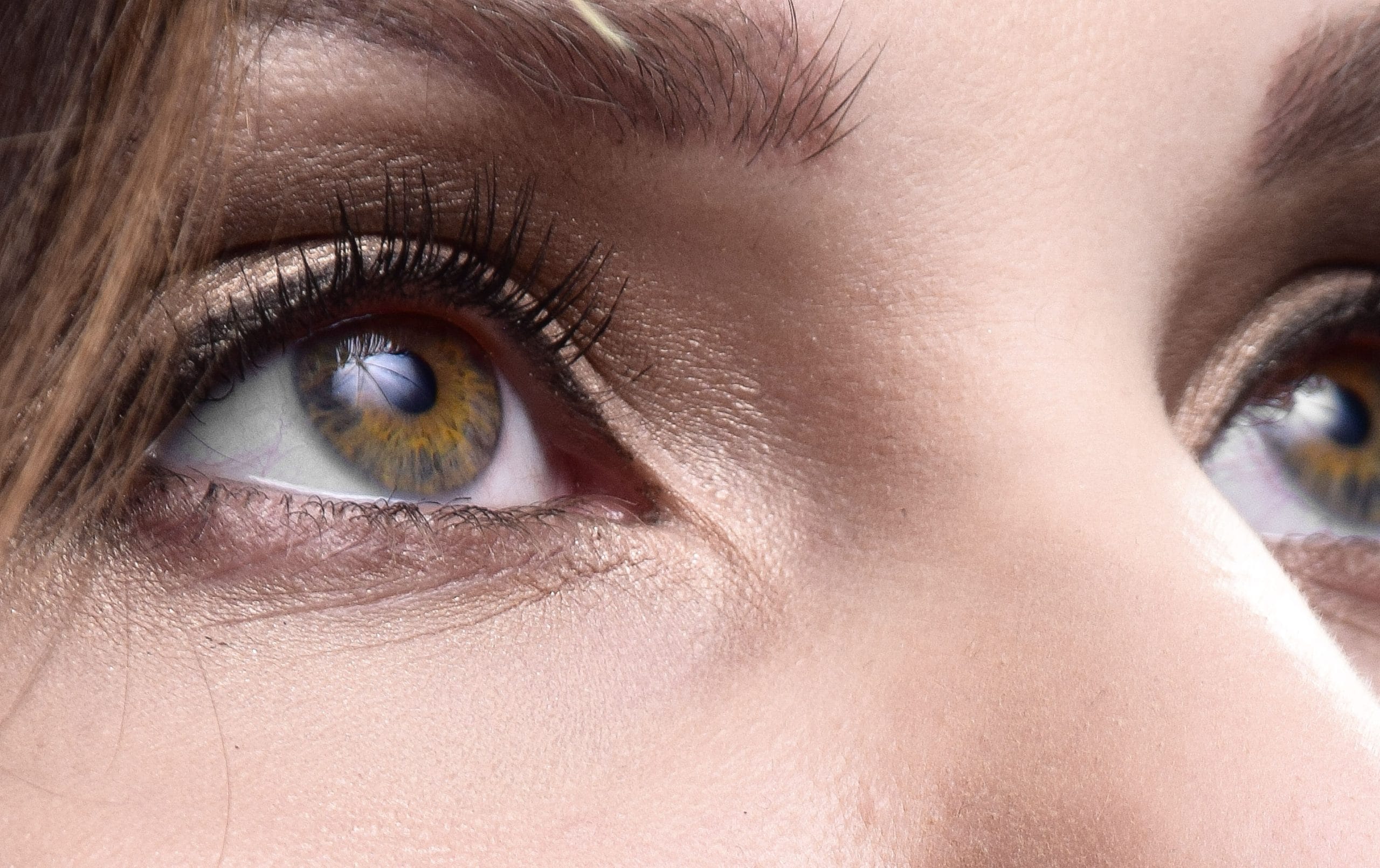
Red lines on the white part of your eyes are blood vessels that stand out more than usual. This often means your eyes are irritated or tired. Temporary redness is usually harmless, but ongoing or worsening redness might point to a serious problem.

Why Do Your Eyes Turn Red?

Your eyes depend on small blood vessels to supply oxygen and nutrients. These vessels are typically hard to see. When they swell, they become noticeable and make the eye look red. Causes range from short-term irritations to long-lasting conditions.

Common causes of temporary eye redness:

Cause Description
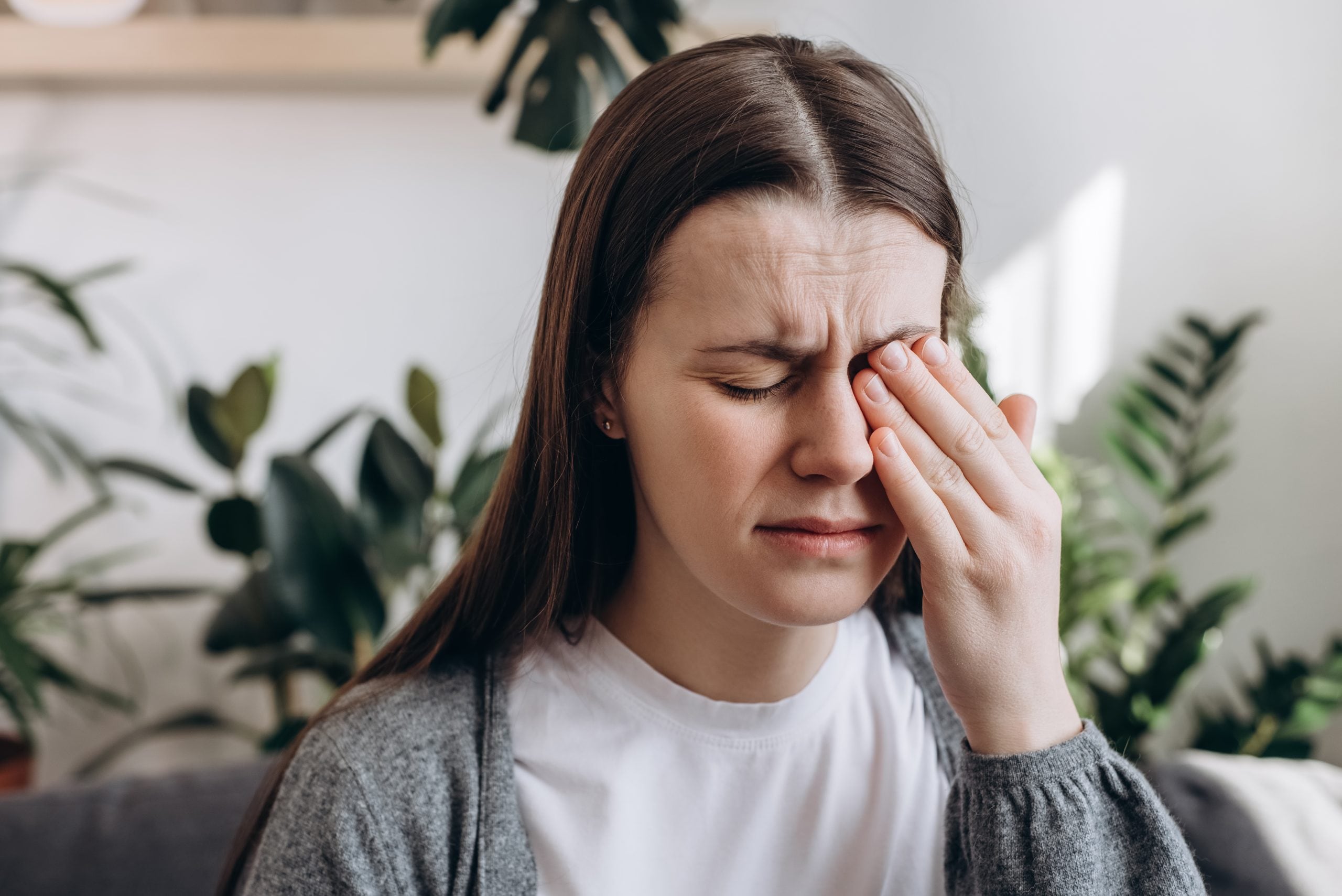
Dryness and Irritation Dry air, dust, or pollutants can irritate eyes. Staring at screens for long periods without blinking strains eyes, causing discomfort or tiredness.
Allergies Pollen, pet dander, or dust can trigger an immune response. This releases histamines, which swell blood vessels and cause itchy, red eyes.
Lack of Sleep Insufficient sleep prevents eyes from resting and repairing. It also reduces tear quality, leading to dry, irritated eyes.
Chemical Irritants Chemicals in pools, makeup, or cleaning products can cause redness. Chlorine strips away the tear film, leaving eyes unprotected.
Physical Causes Rubbing eyes or minor injuries can break small blood vessels. A strong cough or sneeze can raise blood pressure briefly, bursting a vessel.

More serious causes of chronic redness that require medical attention:

Cause Description
Infections Conditions like pink eye or eyelid inflammation cause lasting redness, swelling, and discharge. These need medical attention.
Underlying Medical Conditions Problems like high blood pressure or diabetes affect eye blood vessels. High blood pressure strains them, and diabetes can harm them over time.
Eye Diseases Glaucoma or uveitis can cause persistent redness with other symptoms. Glaucoma harms the optic nerve, and uveitis triggers inflammation.
Corneal Damage An injury or infection on the cornea can prompt blood vessel growth on its surface. This signals a serious issue.

Eye Anatomy

Understanding eye structure helps explain visible blood vessels. The conjunctiva, a thin, clear layer, covers the sclera, the white part of the eye. It contains tiny blood vessels that show up when irritated. 

The sclera, the eye’s tough outer layer, has deeper vessels that stay hidden under normal conditions. The cornea, the clear front dome, lacks blood vessels. If oxygen-starved or injured, new vessels may grow, a process called neovascularization.

Subconjunctival Hemorrhage

A bright red patch in your eye that appears suddenly is likely a subconjunctival hemorrhage, a burst blood vessel under the conjunctiva. It looks alarming but is usually harmless and fades in one to two weeks. 

Causes include coughing, sneezing, rubbing eyes, minor trauma, high blood pressure, or blood-thinning medications. The red spot is trapped blood, not active bleeding. It changes color as it heals, similar to a bruise.

Shop Quality Affordable Contacts at Lens.com

Preventing and Treating Red Eyes

Simple habits can keep blood vessels less visible. Follow the 20-20-20 rule: every 20 minutes, look at something 20 feet away for 20 seconds. Blink often to keep eyes moist. Wear sunglasses with UV protection outdoors or safety glasses around dust or chemicals. Drink water to support tear production, and get enough sleep to help eyes recover.

For temporary redness, try these at-home steps:

  • Use artificial tears to relieve dryness.
  • Apply warm compresses to ease irritation.
  • Rest eyes and avoid irritants to reduce redness.

For redness tied to a specific condition, treat the root cause. An eye doctor can prescribe drops for infections, allergies, or inflammation. For conditions like high blood pressure, work with a doctor to manage overall health.

When to See an Eye Doctor

Visit an eye doctor if redness persists or worsens. Seek immediate care if redness comes with:

  • Eye pain or soreness
  • Sensitivity to light
  • Blurry vision or vision changes
  • Nausea or headaches
  • Discharge or pus
  • Recent eye injury

Caring for Your Vision

Eye health connects closely to overall health. Visible blood vessels often result from temporary strain or irritation. Resting eyes and using drops can help. Pay attention to your body’s signals. Persistent redness or symptoms like pain or vision changes may indicate a deeper problem. Daily habits like protecting eyes and staying hydrated keep them clear and healthy.