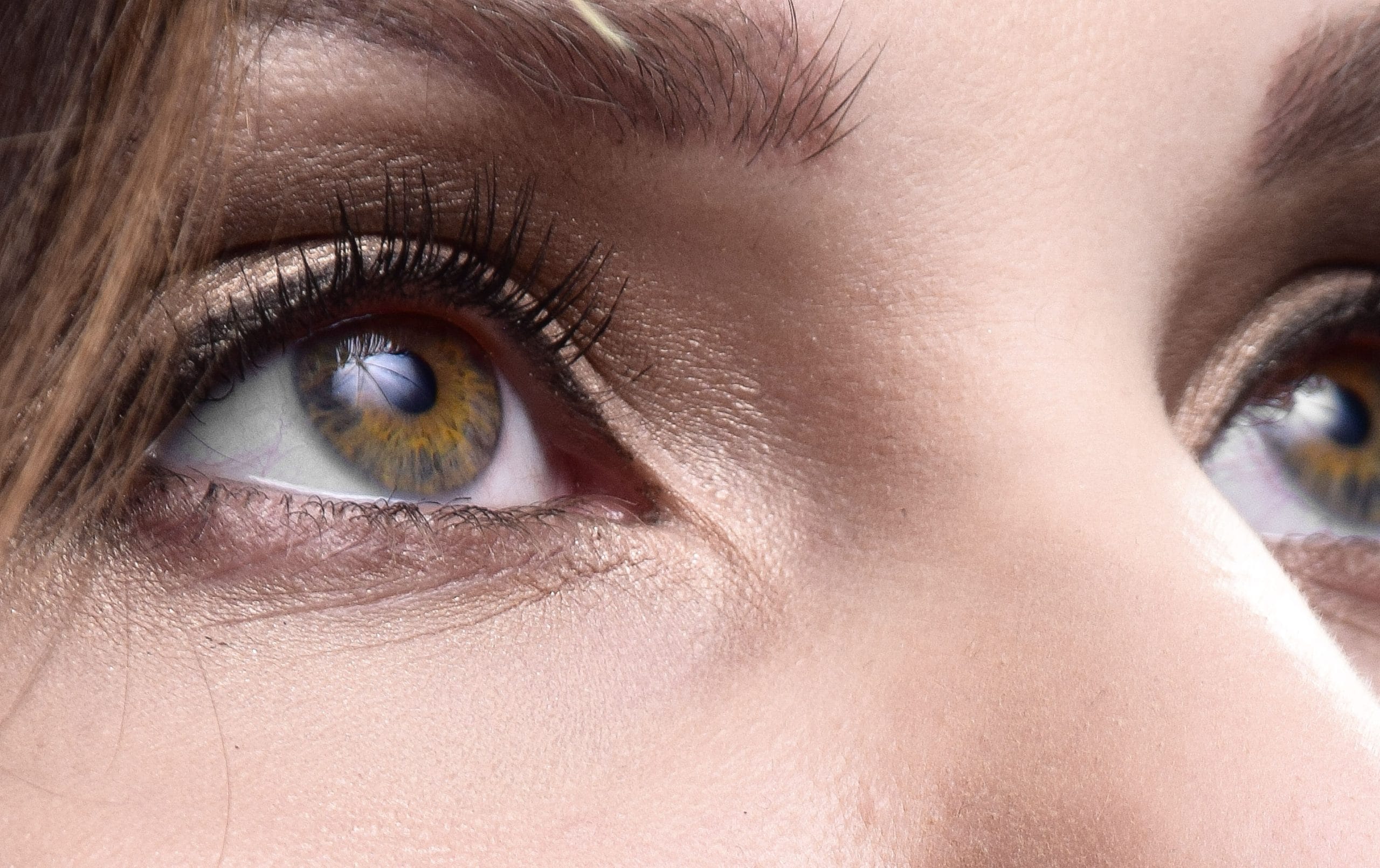

Behçet’s Disease (also known as Behçet’s Syndrome) is a rare condition where the immune system attacks your body’s blood vessels, affecting your eyes, skin, and mouth. This chronic disease causes blurry vision, eye pain, and redness in your eyes. For people who have been diagnosed with it, eye health is their main concern.
Although there’s no cure, patients can manage their symptoms with the right treatment and lifestyle adjustments. Knowing the causes, symptoms, and treatments for this rare condition can help patients find relief and improve their quality of life.
What are the symptoms of Behçet’s Disease?
Most symptoms are painful but not life-threatening. Common symptoms include:
- Eye inflammation (uveitis) that may cause blurry vision, light sensitivity, pain, or redness.
- Sores in the mouth, skin, or genital area.
- Chronic fatigue
- Depression
You should also watch out for serious symptoms such as the following:
- Vein inflammation and blood clot
- Joint pain
- Swelling in the brain and spinal cord (meningitis)
- Digestive issues, such as diarrhea or abdominal pain
What causes Behçet’s Disease?
No one knows the exact cause. However, here are the reasons why people most likely have Behçet’s disease.
Inflammation and immune response: Your immune system is fighting against an infection, thus attacking your blood vessels. This results in problems like swelling and pain.
Genetic: The gene HLA-B51, a variant of HLA-B5, is strongly linked to Behçet’s Disease across various ethnic groups. It’s prevalent in countries along the historical Silk Road, including Mediterranean, Middle Eastern, and Far East Asian countries.
Environment factors: Bacteria and viruses may cause the reaction to the HLA-B5 or HLA-B51 gene.
Who are affected by Behchet’s Disease?
Anyone can be at risk for Behchet’s Disease. However, some people are more at risk than others may include the following:
- Age: Men and women in their 20s or 30s. Children and elderly people can also develop the condition.
- Where you live: It’s most common in Turkey, Iran, Japan, and China. There were 80–370 cases per 100,000 people reported in Turkey compared to other regions. Although it is far less common, people in Western Europe and the United States might also be impacted.
- Sex: Men are more at risk compared to women.
- Genes: People with certain genes like HLA-B5 or HLA-B51 are more prone to the disease.

How will my doctor diagnose Behchet’s Disease?
There’s no specific lab test for Behchet’s Disease. That’s why doctors diagnose it based on your symptoms.
However, it’s difficult for doctors to diagnose the disease since symptoms don’t show up at the same time. Also, conditions like reactive arthritis, Stevens-Johnson syndrome, and Sweet syndrome have similar symptoms to Behchet’s.
Here’s what you can do: Keep track of your symptoms to help your doctor make the right diagnosis during your consultation. Write down your symptoms when they occur and share them with your doctor.
What’s the treatment for Behchet’s Disease?
The following treatments and adjustments can manage symptoms and prevent serious complications.
- Corticosteroids as eye drops, tablets, or injections
- Immunosuppressants such as azathioprine, ciclosporin, and tacrolimus—usually available as tablets, capsules, and injections
- Resting when you have symptoms
- Moderate exercise like walking when you don’t have symptoms
- Practice good dental hygiene
Frequently Asked Questions about Behçet’s Disease
Can Behçet’s disease cause blindness?
Yes, it can. Untreated uveitis can lead to decreased vision or blindness.
Is Behçet’s Disease hereditary?
There isn’t any conclusive proof that Behçet’s disease is hereditary. The many instances arise randomly and have no familial connection. There is no clear inheritance pattern, despite reports that a small percentage of cases may occur in the same family.
Can Behchet’s disease be transmitted?
No. Although the sores are located in the mouth and skin, Behcet’s disease is neither contagious nor infectious.
Can I wear contact lenses if I have symptoms of Behchet’s disease?
No. Don’t wear contact lenses while you still have your symptoms. Wearing contact lenses might worsen symptoms since Behçet’s disease can lead to eye conditions like uveitis.
After your symptoms have healed, you can wear your contact lenses. Consult your eye health care professional for personalized advice.
Consult your ECP for Behcet’s Disease
Behçet’s Disease is a rare condition that causes inflammation in blood vessels, affecting areas like the eyes, skin, and mouth. There’s no cure, but medications and a lifestyle change can help manage the symptoms.
While the cause isn’t fully understood, managing early inflammation and following medical advice can reduce complications. Visit your doctor regularly to catch early signs and adjust treatment as needed.
If you have questions about Behchet’s Disease, consult your eye care professional.
Similar Articles
-

Exploring ULTRA Contact Lenses: Are They Right for You?
-
10 Common Contact Lens Mistakes to Avoid
-

Contact Lens Solution Guide: How to Choose the Right Type for Your Lenses
-

Is it OK to Cry With Contacts In? (Spoiler: It Is, But Read On)
-

Contact Lenses Near Me, In-Store: Where to Buy Your Prescription Contacts in the US