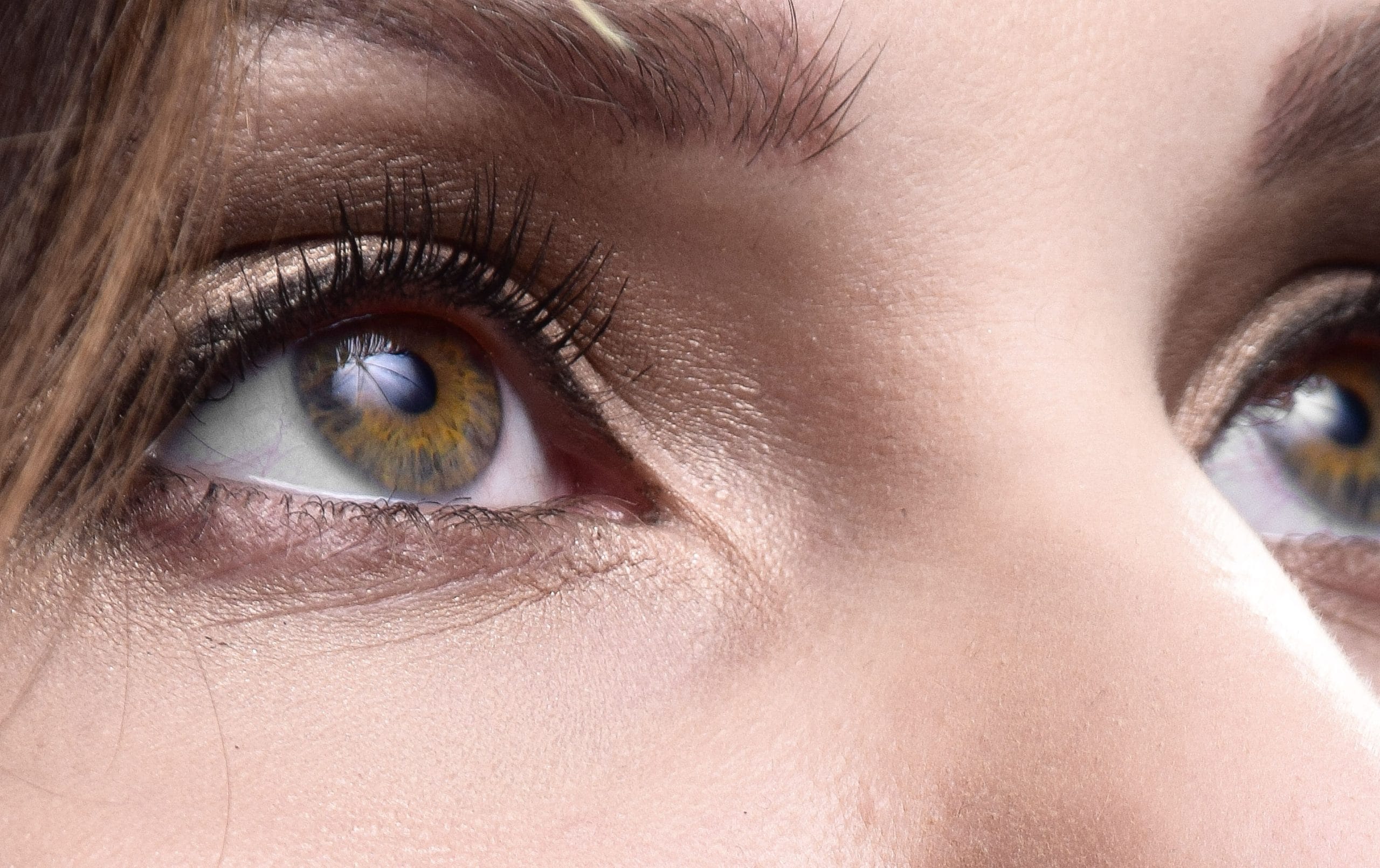

Every day, your eyes soak up ultraviolet (UV) rays—even when it’s cloudy. Over time, too much exposure to these rays can lead to problems like cataracts, macular degeneration, or even short-term issues like photokeratitis (think of it as a sunburn for your eyes—ouch!). Sunglasses can help, but they’re not the whole solution. That’s where UV-blocking contact lenses come in. These clever lenses act like a shield, filtering out harmful UV rays to keep your vision sharp and your eyes healthy. But can they do it all on their own? Let’s dive into how these lenses work, what they offer, and why teaming them up with a good pair of sunglasses might be your best move.
Why UV Protection for Eyes Matters
The sun gives off two types of UV rays that aren’t so kind to your eyes: UVA and UVB. UVA rays go deeper, potentially damaging your retina, while UVB rays are stronger and can harm your cornea and lens. Over time, all this exposure can cause serious problems like cataracts, macular degeneration, and even eye cancers.
Protecting your eyes isn’t just about avoiding temporary discomfort; it’s about keeping your vision safe for the long haul. Whether you’re soaking up the sun, working outside, or near reflective surfaces like water or snow, finding ways to block UV rays is a must for keeping your eyes healthy and happy.
How UV-Blocking Contact Lenses Work
UV-blocking contact lenses are like tiny shields for your eyes, built with special materials designed to absorb harmful UV rays. They act as a filter, stopping the rays from reaching your cornea and causing potential damage. These lenses come in two levels of protection:
- Class 1 UV-blocking lenses are the heavy lifters, offering the highest protection by blocking over 90% of UVA rays and 99% of UVB rays.
- Class 2 UV-blocking lenses provide solid coverage too, filtering more than 70% of UVA rays and 95% of UVB rays.
While these lenses do a great job at reducing your UV exposure, it’s important to remember they only protect the parts of your eyes they cover. This means areas like the sclera (the white part of your eye) and the skin around your eyes are still exposed.
To ensure full protection, pairing your lenses with UV-blocking sunglasses and a wide-brimmed hat can give you the all-around defense you need. By combining these measures, you can enjoy the outdoors without worrying about harmful rays sneaking through.
Popular UV-Blocking Contact Lenses
Several brands stand out for their UV-blocking capabilities, each offering additional features for comfort and hydration:
Acuvue Oasys (Bi-weekly) With Class 1 protection and Hydraclear Plus technology, these lenses provide a comfortable fit while offering top-tier UV defense.
1-Day Acuvue Moist (Daily) These lenses offer Class 2 protection and use Lacreon technology to retain moisture, ensuring all-day comfort.
Bausch + Lomb Ultra One-Day (Daily) Featuring Class 2 UV protection and ProBalance Technology, these lenses are designed for prolonged comfort throughout the day.
MyDay Daily Disposable (Daily) These lenses combine Class 2 UV protection with Smart Silicone chemistry for optimal breathability and comfort.
Avaira Vitality (Monthly) With Class 1 protection, these lenses balance UV defense with enhanced oxygen permeability, making them ideal for monthly use.
Each option caters to different needs, allowing users to choose between daily, bi-weekly, or monthly wear with varying levels of UV protection.
Limitations of UV-Blocking Contact Lenses
UV-blocking contact lenses do a great job of protecting your eyes, but they’re not a one-and-done solution. These lenses only cover your cornea and a portion of the sclera (the white part of your eye), leaving other areas around your eyes vulnerable to UV exposure. On top of that, UV rays can reflect off surfaces like water, snow, or pavement, sneaking past the lenses and increasing your overall exposure.
That’s why eye care experts suggest using UV-blocking contact lenses alongside sunglasses. A good pair of sunglasses with 100% UV protection can shield the parts of your eyes and skin that contact lenses can’t cover, giving you a full, all-around defense against harmful rays. It’s a simple yet effective way to keep your eyes safer and healthier when out and about.
Popular UV-Blocking Sunglasses
Sunglasses play a role in safeguarding areas of your eyes and skin that contact lenses can’t cover. Choose sunglasses that block 100% of UVA and UVB rays. Here are a few top-rated options:

Ray-Ban Chromance: Stylish and effective, these sunglasses enhance color clarity while blocking UV rays.
Oakley Holbrook with Prizm Lenses: Designed for active lifestyles, these lenses improve visibility and block harmful rays.
Maui Jim Polarized Sunglasses: Known for their superior UV protection and glare reduction, ideal for outdoor activities.
Costa Del Mar Fantail: Ideal for water sports, offering complete UV protection and polarization.
Warby Parker Haskell: A budget-friendly option with 100% UV-blocking lenses.
Combined with UV-blocking contact lenses, these sunglasses offer complete protection against harmful radiation, especially in high-risk environments.
Caring for UV-Blocking Contact Lenses
Clean your lenses regularly with the recommended solutions, store them correctly, and follow the replacement schedule provided by your eye care professional. Neglecting maintenance can weaken the lens material and reduce its UV-blocking effectiveness.
If you wear daily disposable lenses, remember to discard them after each use to avoid eye infections and maintain optimal protection. Taking these simple steps ensures your lenses continue to safeguard your eyes effectively.
Ready to Try UV-Blocking Contact Lenses?
UV-blocking contact lenses offer valuable protection against harmful UV radiation. They add a layer of defense to keep your vision clear and your eyes healthy. For better coverage, pair them with quality sunglasses that protect the entire eye area. Talk to your eye care provider to choose the best combination of lenses and sunglasses.
Ready to take the next step in protecting your eyes? Visit Lens.com to explore a wide range of UV-blocking contact lenses and find the perfect option for your lifestyle. With the right lenses and a little care, you can confidently enjoy the outdoors while keeping your eyes safe from the sun’s rays.
Similar Articles
-

New Year, New Vision: Setting Eye Care Resolutions for 2024
-

Sleeping with Daily Contacts: Risks, Eye Infections & Safe Removal Tips
-

Contact Lens Packaging, Labels, and Expiration Dates: A Simple Guide for Buyers
-

Can Contact Lenses Scratch Your Eye?
-

See the Future: What Are Smart Contact Lenses and How They Change the Game