
Updated – July 08, 2026
Some innovations burn bright but fade away. Nike MaxSight was one of those-a revolutionary contact lens designed for athletes. Launched in 2006 in partnership with Bausch & Lomb, MaxSight were designed to help athletes manage bright outdoor conditions with performance tints, sharper contrast, and UV-blocking lens features.
Though Nike MaxSight is now discontinued, the product still draws curiosity from athletes, contact lens wearers, and fans who remember how unusual it looked and how specific its purpose was. Even years later, it remains one of the most talked-about examples of contact lenses made not for eye color, but for sports visibility.
What Made Nike MaxSight Special?
Nike teamed up with Bausch & Lomb to create these UV-blocking contact lenses, hoping to serve a market that needed both eye protection and performance-focused vision. And for a moment, it seemed like they were onto something big.
Nike MaxSight wasn’t your ordinary contact lens. Designed for athletes, it featured a fully tinted soft lens that provided significant benefits compared to regular contacts or sports eyewear. It was available in two tints: grey-green for bright conditions (perfect for sports like golf or running) and amber for tracking fast-moving balls under varied light (ideal for baseball, soccer, and tennis).
MaxSight lenses weren’t just for show. In big outdoor sporting events like the FIFA World Cup 2026, where players compete in large stadiums, open-air settings, afternoon light, shadowed sections, and high-speed play, lenses like these would have come in handy.
They were designed to filter out blue light, reduce glare, and increase contrast, giving athletes an edge when tracking fast-moving objects or performing in intense sunlight. For athletes who needed every advantage on the field, these UV protection contact lenses helped improve clarity, minimize distortion, and protect against 99% of harmful UVA and UVB rays.
Another smart part was that MaxSight came in both prescription and non-prescription versions. Athletes who needed vision correction could wear them as sports contacts, while athletes who didn’t need correction could still use the tint. That gave the product a wider audience than regular prescription contacts.
The Pop Culture Connection: MaxSight and Naruto
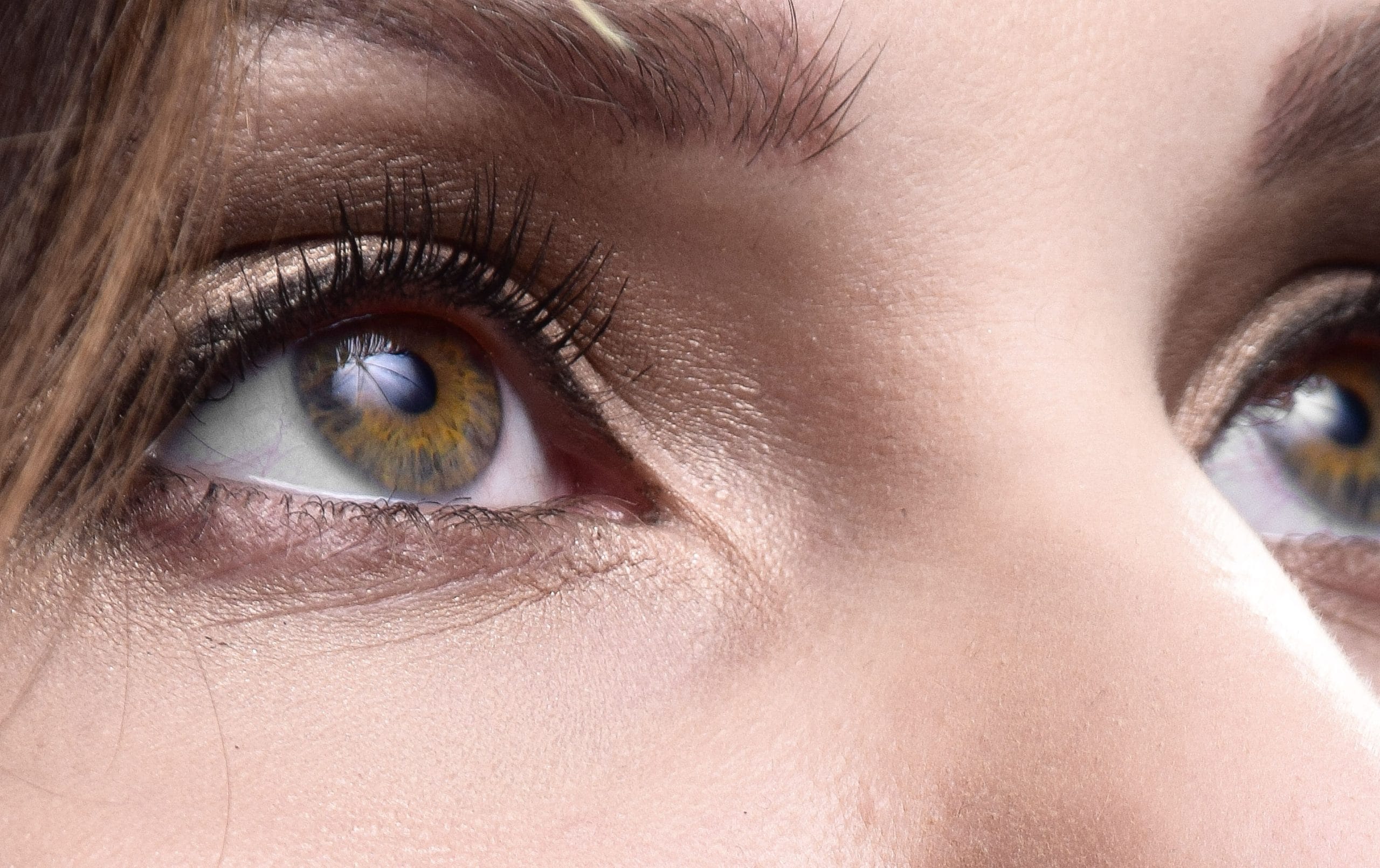
Nike MaxSight lenses found a second wave of fame, not because of their technological marvels, but thanks to pop culture. In 2023, throwback posts on social media started comparing the amber version of MaxSight to the Sharingan from Naruto. The resemblance was hard to miss with its bold reddish-orange tint and unusual look on the eye.
In Naruto, the Sharingan is a special eye ability linked to sharper perception, faster reactions, and heightened awareness. That made the comparison even more fitting, since Nike MaxSight was also designed around the idea of seeing better and reacting faster, albeit in the real world in the sports industry.
The anime connection helped introduce MaxSight to people who may have never seen the lenses when they were actually sold. For longtime fans, it became a strange little piece of sports tech nostalgia. For anime fans, it looked like the closest thing to wearable Sharingan contacts that had ever existed.
The Rise and the Sudden Fall
Nike MaxSight was initially well-received, and it looked like they might become a mainstay in sports. Athletes and sports vision specialists praised the lenses for the way they changed what wearers could see on the field, court, or course.
The amber tint could help fast-moving objects stand out, while the grey-green tint was made to soften harsh brightness. In sports, those small visual details can matter. A ball moving through sun and shade, a player running across a bright field, or a target blending into the background can all affect how quickly an athlete reacts.
Then came the controversy. In 2007, the National Football League (NFL) reportedly banned UV-blocking contact lenses over concerns about fairness and possible performance advantages. Their issue here was that tinted performance lenses would raise questions about fairness and safety in the games.
On the fairness side, leagues have to think about whether a piece of gear gives some players a visual edge that others do not have. If a lens can improve contrast, reduce glare, or make the ball easier to track, it can start to look less like standard eyewear and more like performance equipment.
Safety was another consideration. After a hard hit or possible head injury, medical staff and officials may need to examine a player’s eyes. Sports organizations have long been cautious about equipment that could make those evaluations more difficult, including tinted eyewear.
The NFL’s decision sent ripples through the sports community, but its decision was not the whole reason MaxSight disappeared. The lenses themselves were niche, unusual-looking, and made for very specific sports situations. Some athletes may have loved the idea, but that did not mean enough people would use them regularly.
As interest cooled, MaxSight struggled to find a lasting place in the market. Even though some athletes continued using the lenses outside of professional competition, they remained a niche product. Eventually, Nike pulled the plug, and MaxSight quietly disappeared from the market.
Alternatives: Where Do Athletes Go Now?
While Nike MaxSight is no longer available, advances in contact lens technology have continued. One of the most notable alternatives is Acuvue Oasys with Transitions from Johnson & Johnson. Unlike MaxSight, these lenses are designed to adjust to different light levels indoors and outdoors, while filtering blue-violet light from screens and sunlight.
Acuvue Oasys with Transitions made headlines in 2019 when MLB player Bryce Harper endorsed them, sharing how the lenses helped him react faster in different lighting conditions. They might not have the same striking amber tint, but they provide similar practical benefits for athletes who need reliable vision.
For wearers looking for a purely cosmetic option, there are also novelty lenses inspired by Naruto that mimic the look of the Sharingan. These lenses do not offer performance benefits, but they’re a fun nod to the pop culture legacy MaxSight accidentally became part of.
The Legacy of Nike MaxSight
Nike MaxSight may no longer be around, but its legacy lives on. It highlighted how eyewear technology could genuinely influence athletic performance. The concept of using contact lenses to enhance an athlete’s abilities-whether by reducing glare, improving contrast, or protecting against UV-continues to inspire innovation.
MaxSight was a bold step forward, one that challenged norms and pushed the boundaries of what performance gear could be. Its discontinuation may have been a setback, but the lessons it offered and the spirit of innovation it embodied are still relevant today. For athletes striving for every possible edge, the story of MaxSight remains a fascinating chapter in sports technology.
History & Timeline of Nike MaxSight
1990: Dr. Alan Reichow, founder of ALTIUS, begins research on eye glare reduction at Pacific University College of Optometry. The research focuses on “eye glare black”-the black smears athletes wear under their eyes-to improve visual clarity by reducing sun glare.
1998: Dr. Reichow and his team, in partnership with Paragon Vision Sciences, begin developing performance-tinted contact lenses to absorb harmful UV light, filter blue light, and enhance visibility. They engineer lenses to transmit the optimal amount and quality of light for athletes.
2000: Pacific University baseball coach Greg Bradley becomes the first coach to test the lenses, initially called SportsSight. He immediately praises their ability to improve visibility, leading to widespread use among his players.
Early 2000s: Nike and Bausch & Lomb take notice and form a partnership with SportsSight, rebranding the product as Nike MaxSight. The lenses are introduced to a broader audience, promising athletes better visual performance.
2005: MaxSight is officially launched at the American Optometry Association Annual Convention in Dallas, Texas. TIME Magazine recognizes Nike MaxSight as “One of the Most Amazing Inventions of 2005.” Despite requiring monthly replacement and proper maintenance, over 60% of MaxSight users do not require vision correction, showing the widespread appeal of the product.
2007: The NFL bans UV-blocking contact lenses, citing concerns about fairness and potential performance advantages. This leads to a decline in MaxSight’s popularity. Around the same time, Bausch & Lomb experiences issues related to contamination with their contact lens solutions, leading Nike to discontinue MaxSight due to safety concerns.
Post-MaxSight: Dr. Reichow continues their research and development, determined to improve upon MaxSight’s design. The MaxSight brand remains dormant however.
FAQs About Nike MaxSight
1. Why was Nike MaxSight discontinued? Nike MaxSight was discontinued primarily because of a ban by the NFL on UV-blocking contact lenses, which were considered to provide an unfair advantage. This regulation, combined with a lack of widespread adoption, led to declining sales and the eventual discontinuation.
2. What was the purpose of Nike MaxSight? Nike MaxSight lenses were designed to reduce glare, enhance contrast, and filter blue and UV light. They were particularly useful for athletes, as they provided better visual clarity and protection against sunlight, helping improve overall performance.
3. Are there any alternatives to Nike MaxSight lenses? Yes. One of the most popular alternatives is Acuvue Oasys with Transitions, which offers light-adjusting features and blue light filtering. While not identical, these lenses provide similar benefits for athletes needing optimal vision in different lighting conditions.
4. Why did Nike MaxSight lenses resemble the “Sharingan” from “Naruto”? The amber version of Nike MaxSight lenses had a distinctive red tint, which fans of “Naruto” noticed bore a resemblance to the “Sharingan” eye technique. This visual similarity led to a surge of interest in the lenses on social media in 2023.
5. Can I still buy Nike MaxSight lenses? No, Nike MaxSight lenses have been discontinued and are no longer available for purchase. However, there are other sports contact lenses, like Acuvue Oasys with Transitions, that offer some of the same benefits.
Similar Articles
-

Which Lens Survives Your Day-to-Day Grind, Air Optix vs Acuvue Oasys Contact Lenses
-

What Is PRECISION BALANCE 8|4 Lens Design?
-

Bausch and Lomb Ultra vs. Biofinity: Which Monthly Lens Offers Better Comfort and Performance?
-

Can I Wear Contact Lenses if I Have Astigmatism and Presbyopia?
-
What Are Varifocal Contact Lenses?