
Wearing contact lenses can be a game-changer, giving you clear vision without the hassle of glasses. However, this convenience can sometimes bring an unexpected challenge: watery eyes. This issue can be more than just a minor annoyance; it can impact your vision clarity, comfort, and even the effectiveness of your lenses.
Understanding why this happens and finding practical solutions is essential for a comfortable contact lens experience. By addressing the root causes, you can enjoy the benefits of contact lenses without the discomfort of watery eyes.
Why Do My Eyes Water with Contacts?
Watery eyes with contact lenses can stem from various factors, each with its own specific remedy. One common culprit is dry eye syndrome, a condition where the eyes don’t produce enough tears or the quality of tears is poor. When wearing contacts, your eyes may overcompensate for this dryness by producing excess tears.
Allergies are another frequent cause, as allergens can irritate the eyes, leading to increased tear production. Also, contact lenses that don’t fit properly can irritate the eye, causing it to produce more tears in an attempt to alleviate discomfort. Finally, the type of contact lens material and the wearer’s hygiene habits can also influence tear production.
Solutions for Every Scenario
Combatting Dry Eyes
Dealing with dry eyes can be a challenge, especially when you wear contacts, but there are ways to make it more manageable. Using lubricating drops specifically designed for contact lens users can offer quick relief by keeping your eyes moist. Additionally, opting for silicone hydrogel lenses, which allow more oxygen to reach your eyes, can significantly lessen dry eye symptoms.
Another effective strategy is incorporating omega-3 supplements into your diet. These supplements can enhance tear quality and gradually reduce dryness. By taking these steps, you can enjoy the comfort of wearing eye contacts without constantly battling dry eyes.
Addressing Allergies
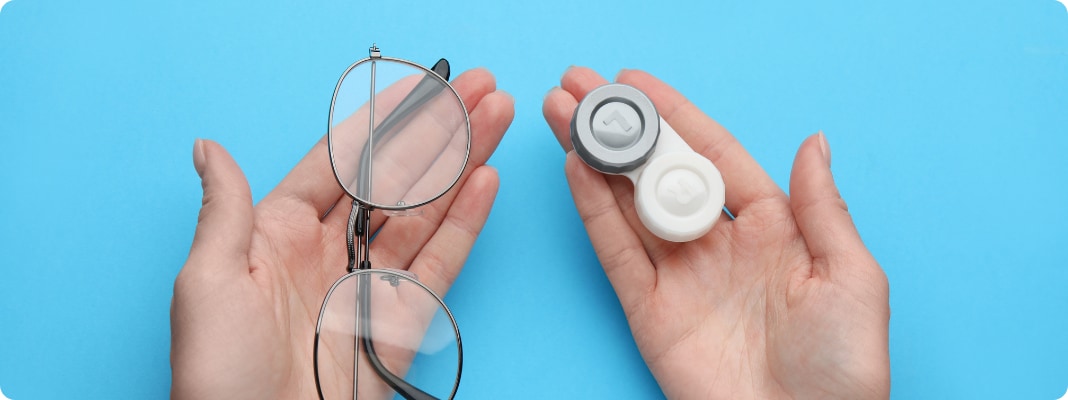
For allergy sufferers, managing symptoms is all about limiting exposure to allergens and finding effective relief methods. During peak pollen seasons, it can be beneficial to wear glasses more often. Glasses can act as a barrier, reducing direct contact with pollen and other airborne allergens that can irritate your eyes.
Antihistamine eye drops are also a great tool to have on hand. They can provide quick relief from the itchy, watery eyes that often accompany allergies, helping you feel more comfortable throughout the day. Also, maintaining good contact lens hygiene is essential. Regularly cleaning your lenses or switching to daily disposables during allergy season can make a significant difference in comfort. Daily disposables ensure you start each day with a fresh pair, reducing the buildup of allergens and other irritants.
By taking these steps, you can better manage your allergies and continue to enjoy clear, comfortable vision. It’s all about being proactive and finding the right combination of strategies that work for you.
Ensuring Proper Fit
An often-overlooked factor in contact lens comfort is the fit. Regular check-ups with an eye care professional ensure that your contact lenses are the right shape and size for your eyes. Ill-fitting contacts can not only cause watery eyes but also potentially damage the eye’s surface.
Adding to the emphasis on the proper fit of contact lenses, it’s key to remember that comfort and eye health go hand in hand. Well-fitted lenses not only prevent discomfort but also safeguard against long-term eye health issues. Regular updates to your prescription ensure that changes in your vision or eye shape are always accounted for, maintaining the best possible fit over time.
Choosing the Right Material and Maintaining Hygiene
The material of your contact lenses significantly impacts how comfortable they feel. Some people might be sensitive to certain materials or lens solutions, causing discomfort. If you experience this, it’s important to experiment with different types of lenses. Working with your eye care provider can help you find the most comfortable option tailored to your needs.
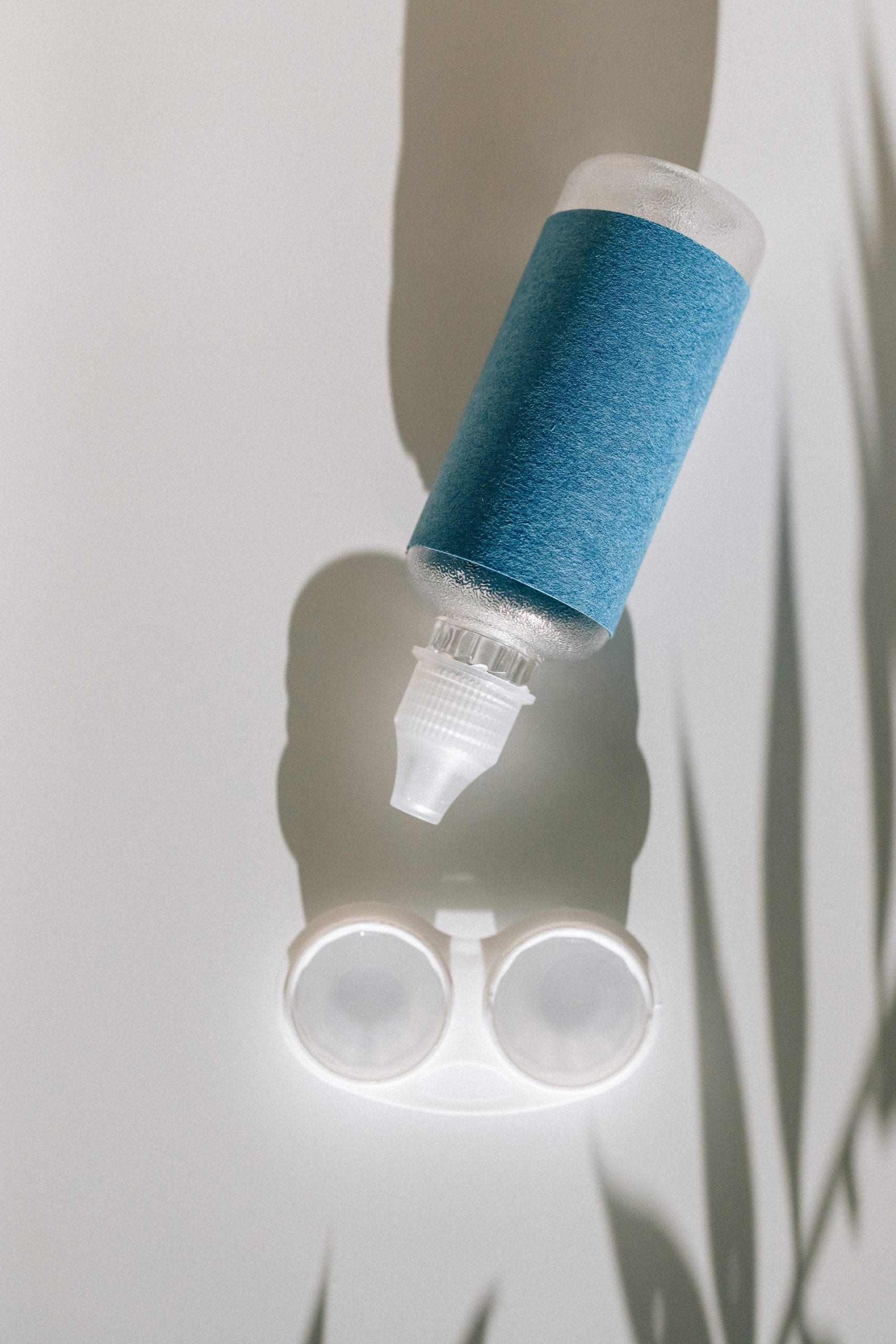
In addition to choosing the right lens material, maintaining good hygiene practices is essential. Always wash your hands thoroughly before handling your lenses to avoid transferring dirt and bacteria. Regularly replacing your lens case is also crucial, as old cases can harbor germs that cause irritation and excessive tearing.
By taking these steps, you can ensure your contact lenses remain comfortable and your eyes stay healthy. Remember, the right combination of lens material and proper hygiene can make a world of difference in your overall eye comfort.
Managing Screen Time
In our digital-focused world, it’s crucial for contact lens wearers to find ways to minimize screen-induced eye strain. One effective method is the 20-20-20 rule: every 20 minutes, take a 20-second break and look at something 20 feet away. This simple habit can help reduce the risk of tired, watery eyes. Plus, making sure your room has good lighting to minimize screen glare and adjusting your device settings for better eye comfort can make a big difference.
Regularly taking breaks to rest your eyes is also key to preventing discomfort from extended screen time. By incorporating these strategies, you can protect your eyes and keep your contact lenses comfortable, even with the demands of our digital age.
Summary
Watery eyes shouldn’t stop you from enjoying the benefits of contact lenses. By identifying the root causes and finding targeted solutions, you can enhance your comfort and keep your vision clear. Always consult with an eye care professional for persistent issues; they can offer personalized advice and adjustments to your contact lens routine, ensuring your eyes stay healthy and comfortable.
So, don’t let a bit of water blur your view of the world—there are clear solutions available. With the right approach and professional guidance, you can enjoy the clarity and convenience that contact lenses provide.