
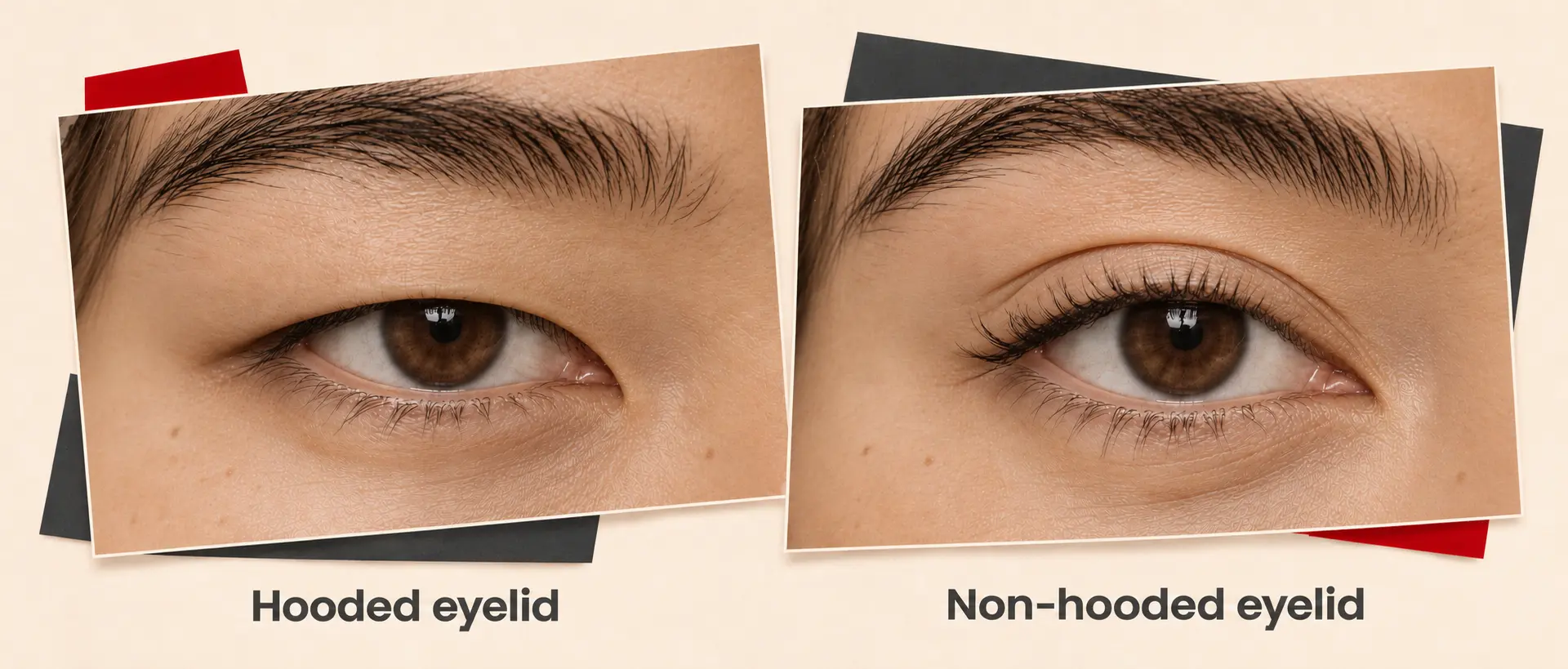
You blend your eyeshadow, open your eyes, and most of the color disappears beneath a fold of skin. That’s a familiar makeup challenge with hooded eyes, where skin above the upper eyelid covers part of the visible lid space. If you wear contact lenses, insert them before applying makeup so you can see your placement clearly.
Genetics and aging contribute to eyelid appearance. In a study of 5,578 Dutch European adults with an average age of 67.1 years, 17.8% had moderate or severe eyelid sagging. That figure concerns age-related excess skin, not every naturally hooded eye shape. Recognizing the difference helps you adapt your makeup and identify changes that deserve an eye examination.
Three Eyelid Features to Recognize
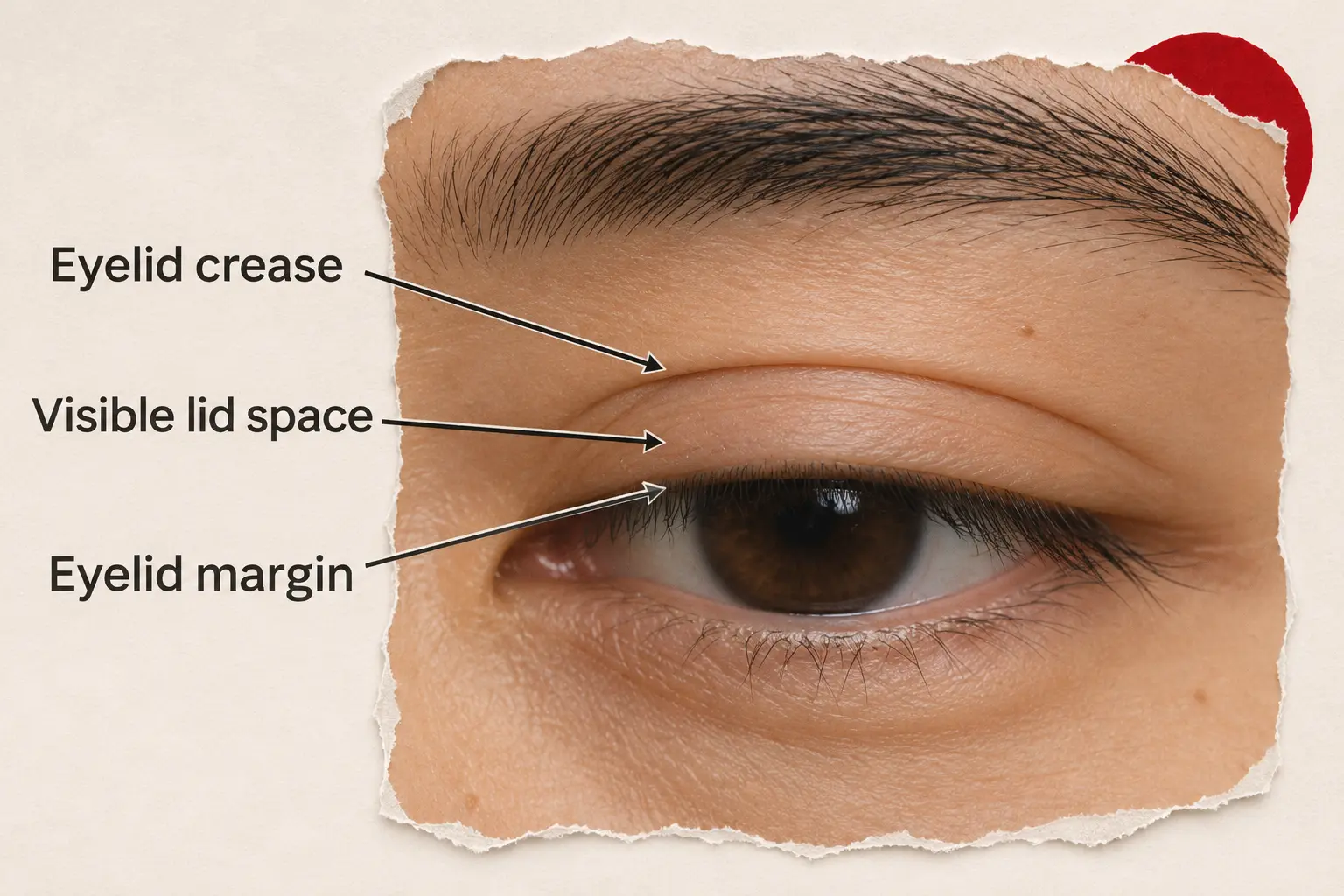
- The eyelid crease is the fold in the skin above your upper lash line. When your eyes are open, the skin above this crease can overlap part of the lid below it. With hooded eyelids, that overlap makes the crease or the area beneath it less visible. A crease can still be present even when you can’t see it clearly while looking straight ahead.
- The visible lid space is the area you can see between your upper eyelashes and the overlying skin fold when your eyes are comfortably open. This is the space where eyeliner and eyeshadow remain visible in a forward-facing view. If the fold covers much of that area, makeup applied with your eye closed can disappear once you open it. When trying looks such as siren eye makeup, use that visible space to guide your liner thickness and shadow placement.
- The eyelid margin is the edge of your eyelid where your eyelashes grow. Its position is different from the position of the skin fold above it. A fold can cover upper lid space while the eyelid edge remains in its usual position. If the edge itself sits unusually low, an eye care professional can check for ptosis, the medical term for upper eyelid drooping.
How to Tell if You Have Hooded Eyes
Look straight ahead into a mirror with your eyes comfortably open. Keep your face and eyebrows relaxed. Lifting your brows or tipping your head back changes how much upper eyelid you can see, which can make it harder to judge your usual eyelid shape.
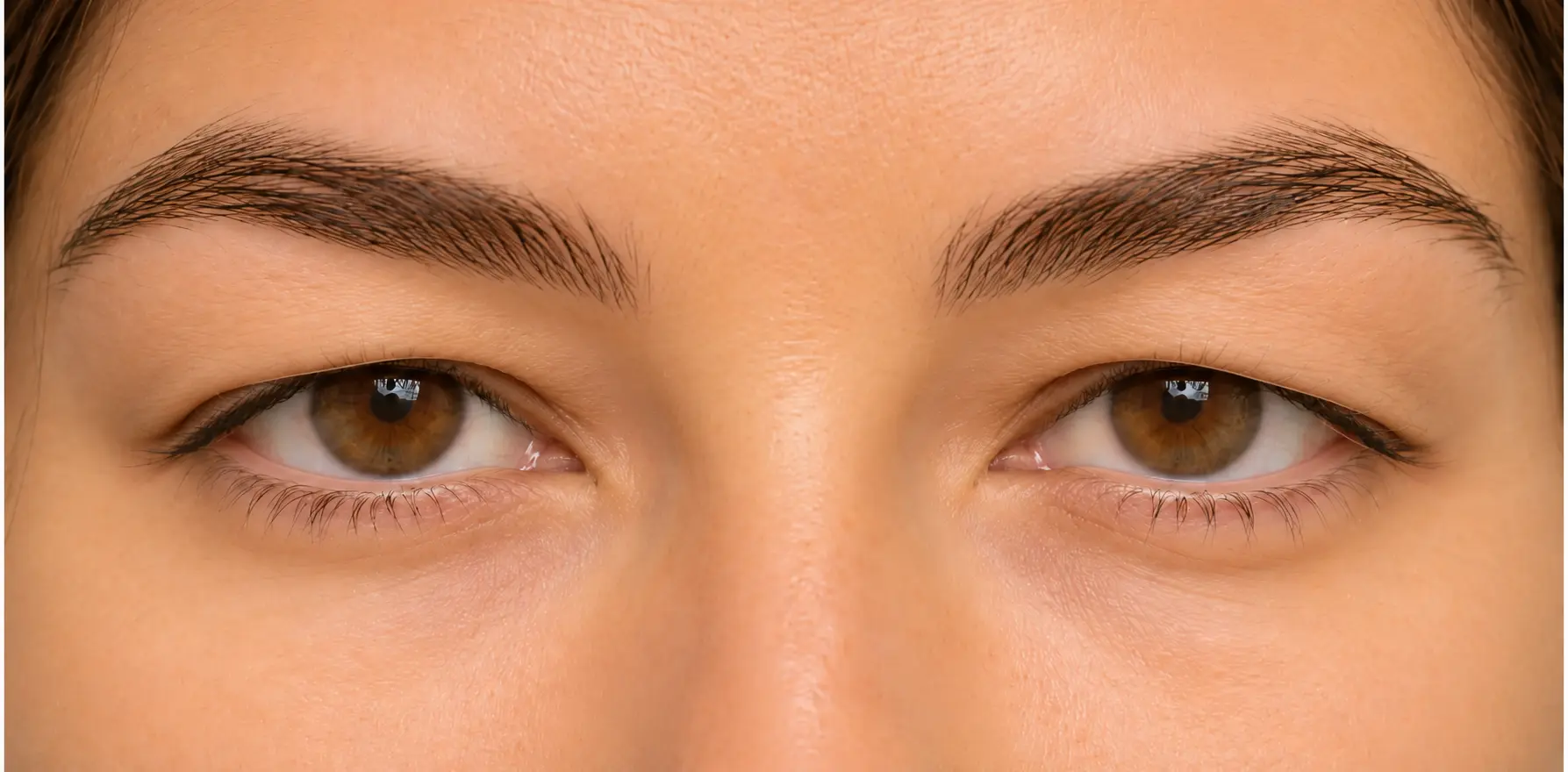
Focus on the skin fold, visible lid space, and lash line rather than whether your eyes look large or small. Hooded eyes describe how skin overlaps the upper eyelid. You don’t need a completely hidden crease to have some hooding, and the fold doesn’t have to cover the same area across the entire lid.
Check the Space Above Your Upper Lashes
Notice whether you can see a broad area of upper eyelid, a narrow strip, or very little lid space while looking straight ahead. Keep your eyebrows relaxed rather than raising them to expose more skin. This gives you a clearer view of how much eyelid space is visible in your usual expression.
Find the Overlying Fold
Look for skin that drapes over part of the upper lid and partly hides the crease or the area beneath it. This overlap is the feature people usually mean when describing hooded eyelids. A crease can still be present even when the fold makes it difficult to see.
Look Toward the Outer Corner
Check whether the fold covers more lid space toward the outer corner than near your nose. Hooding doesn’t have to extend evenly across the entire upper eyelid. This uneven coverage helps explain why an eyeliner wing can cross a fold even when some inner lid space remains visible.
Compare Both Eyes in the Same Position
Look at both eyes with your head level and eyebrows relaxed. One side can show more lid space than the other, so don’t expect an exact match. Notice whether the difference is familiar or new, and arrange an eye examination if the asymmetry has recently appeared or changed.
Check Your Makeup With Your Eyes Open
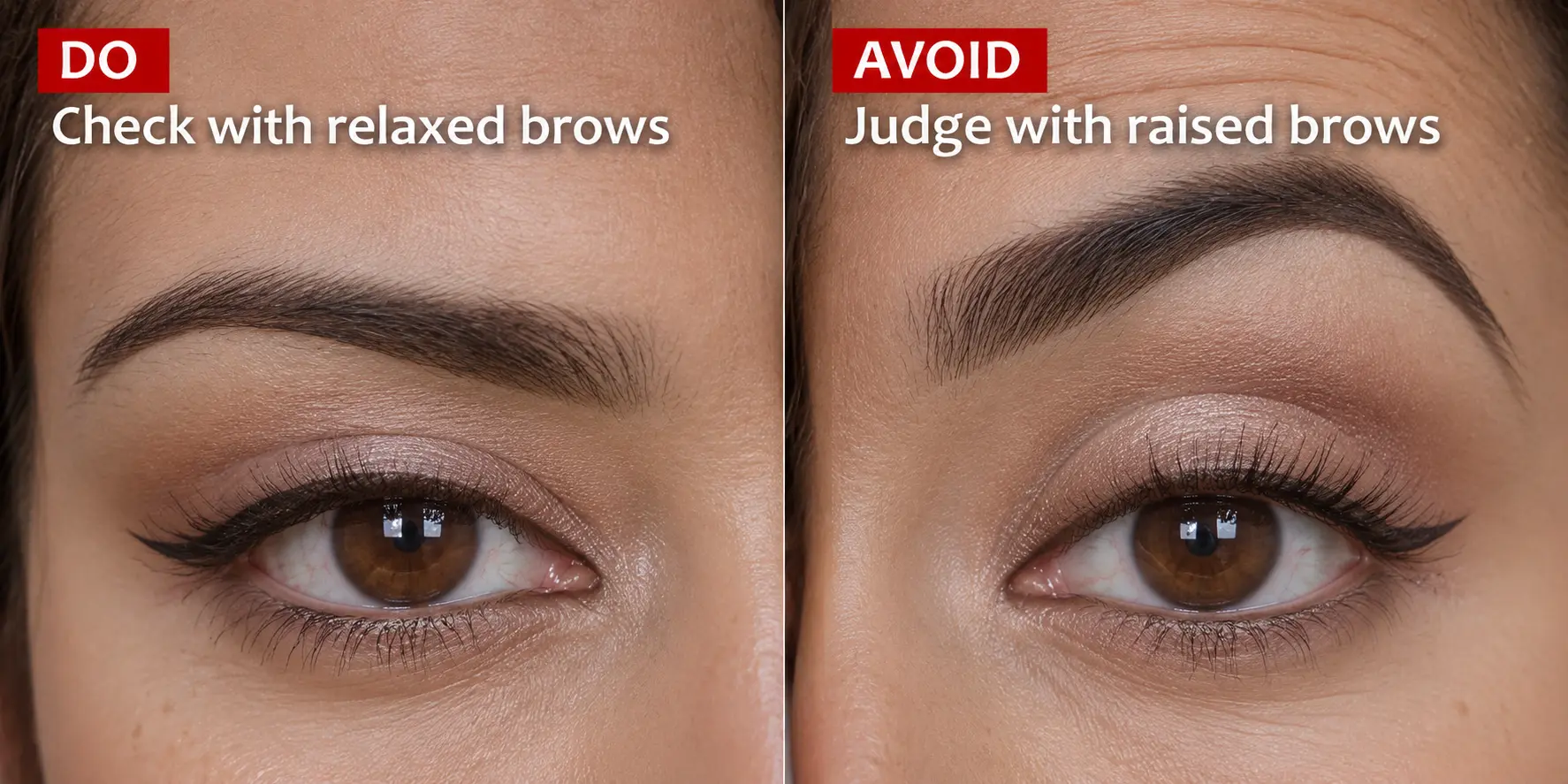
If your eyeshadow or eyeliner disappears beneath the fold, check its placement while looking straight ahead. Makeup applied with your eye closed can look different once you open it and relax your eyebrows. If you wear contacts, follow makeup tips for contact lens wearers alongside your placement adjustments. Use these observations to adapt your makeup, but remember that they can’t diagnose an eyelid condition.
“Partially hooded eyes” usually describes lids with some visible space beneath the fold. “Fully hooded eyes” generally describes very little visible lid space with the eyes open. These are informal descriptions, not standardized medical grades. They’re useful when discussing eyeshadow for hooded eyes, but they don’t measure eye health or establish whether you need treatment.
For makeup inspiration, beauty coverage uses Jennifer Lawrence and Blake Lively as examples of looks for hooded eyes. Compare where shadow and liner remain visible in forward-facing photographs, rather than trying to match their appearance exactly. Camera angle, facial expression, lighting, and makeup can change how an eyelid looks in a photograph. If you also want to experiment with iris color, ask your eye doctor about properly fitted colored contact lenses that match your prescription.
Hooded Eyes vs. Other Eyelid Features
Hooded eyes, monolids, double eyelids, and droopy eyelids describe different features. Some terms concern the crease, another concerns the skin above it, and ptosis concerns the position of the eyelid edge. Separating those details makes the comparison more useful than treating each term as a completely different type of eye.
Start with two questions. Can you see an upper eyelid crease, and does an overlying fold cover part of the lid? Then notice where the upper lash line sits. A crease hidden by skin is different from an eyelid edge that has dropped, even though both can make the upper eyelid look heavier.
| Feature | What It Describes | What to Notice |
|---|---|---|
| Hooded eyelids | A fold of skin overlaps part of the upper eyelid. | The amount and location of lid space visible with relaxed, open eyes. |
| Non-hooded eyelids | Less coverage from an overlying skin fold. | More exposed upper lid space. This is a comparison, not a healthier standard. |
| Monolids | Little or no defined upper eyelid crease. | Crease definition rather than the amount of skin hanging over an existing crease. |
| Double eyelids | An upper eyelid with a crease. | The crease can exist even when an overlying fold partly hides it. |
| Ptosis | An upper eyelid edge that sits abnormally low. | The position of the lash-bearing edge, not only the fold of skin above it. |
Hooded Eyes vs. Monolids and Double Eyelids
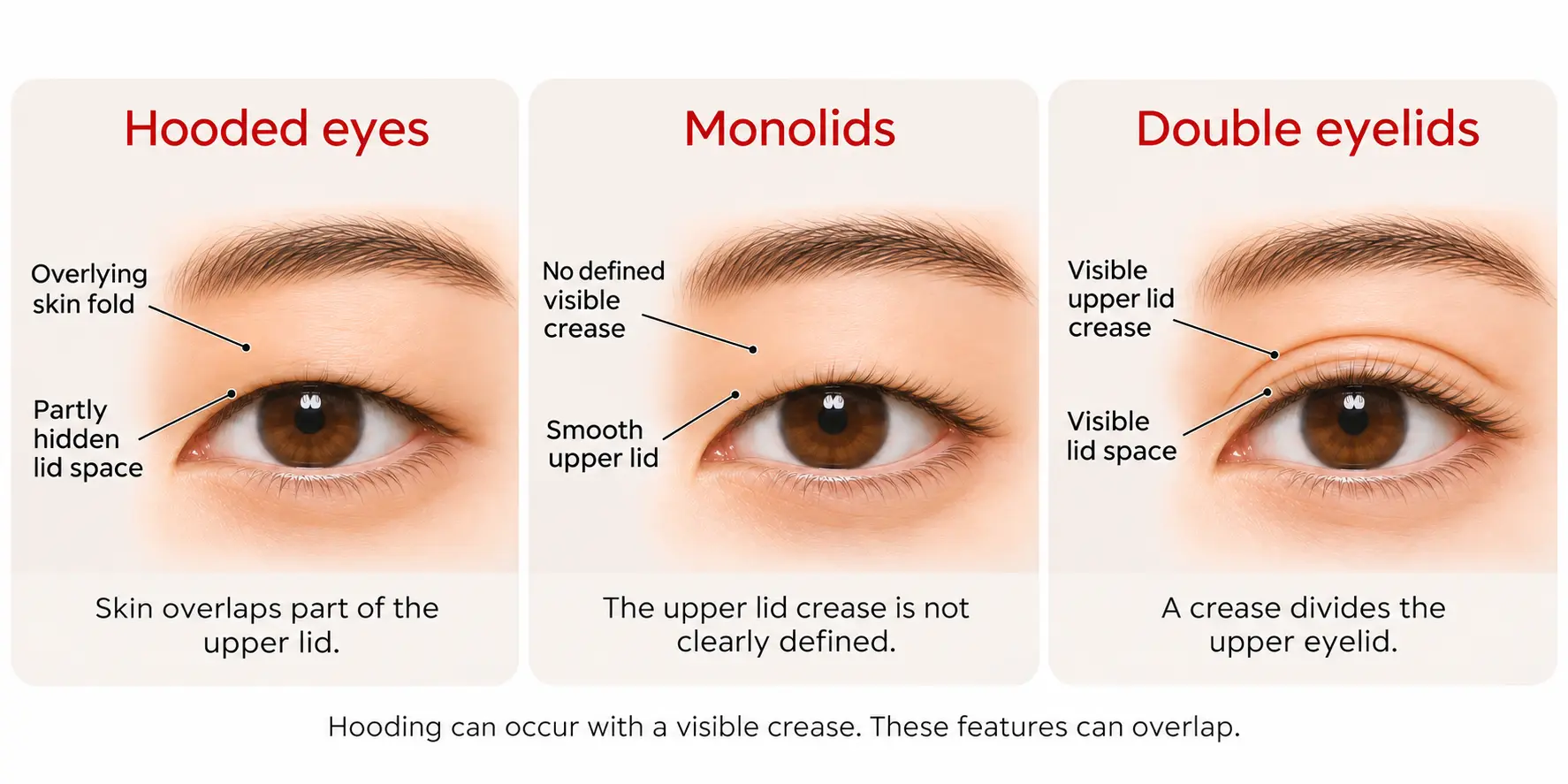
With hooded eyelids, the central issue is coverage from the fold above the lid. With monolids, the upper eyelid crease has little definition or isn’t visibly defined. A double eyelid has a crease, but that crease doesn’t guarantee a wide strip of visible lid space. You can have a crease and hooding at the same time.
Comparing monolids and their crease patterns can help you describe what you see. Use these labels as descriptions of visible features, rather than assuming every eye fits one exclusive category.
Hooded Eyes vs. Droopy Eyelids (ptosis)
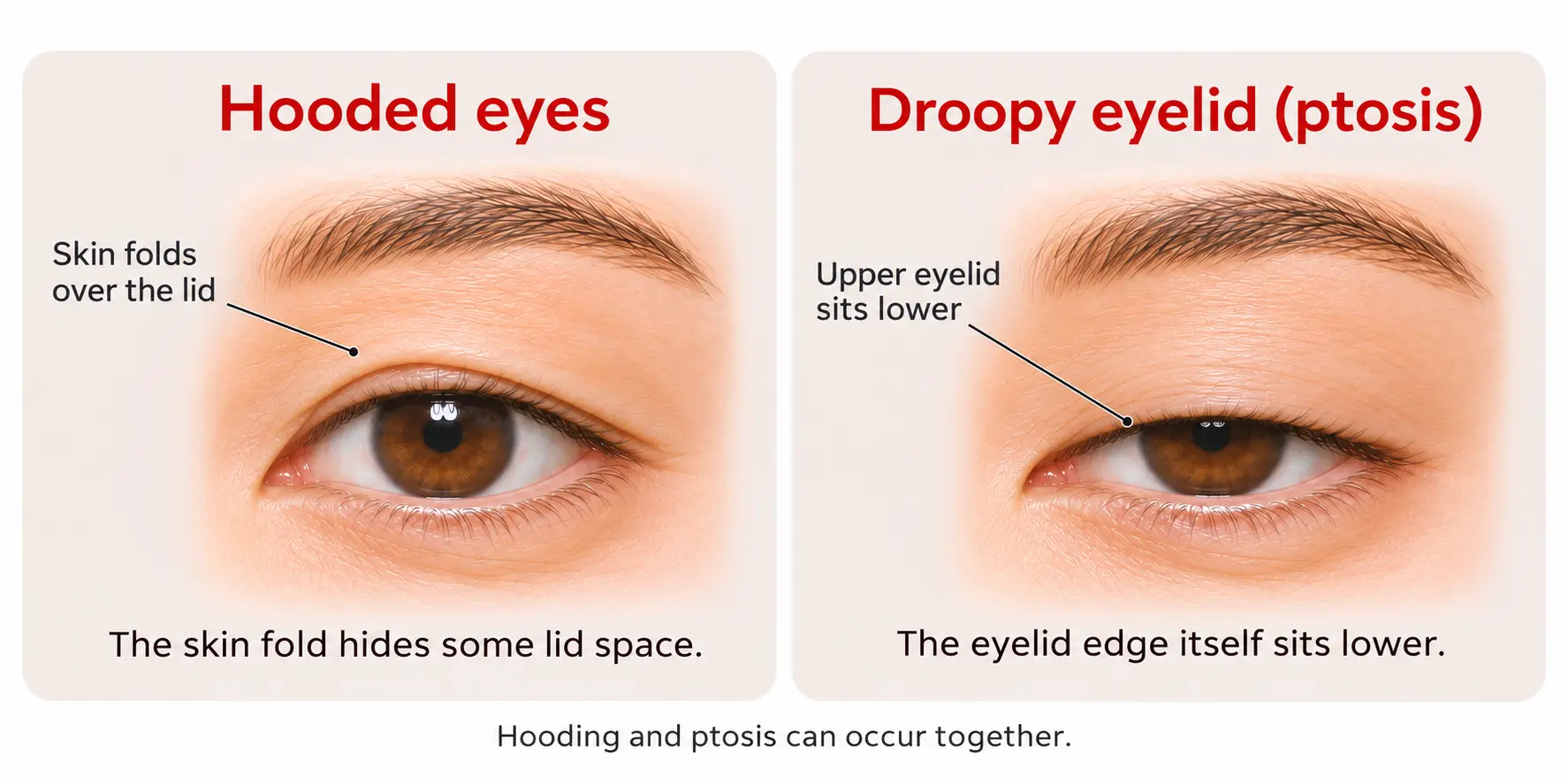
“Droopy eyes” can refer to several different things in everyday conversation. Dermatochalasis means excess eyelid skin. Brow ptosis means the eyebrow sits lower, while upper eyelid ptosis means the lid itself sits abnormally low. An examination can distinguish these features, which sometimes occur together.
A mirror check isn’t enough to decide which condition is present. Tell your eye doctor if the change is new, whether it affects one or both eyes, and whether it interferes with your view. If you wear prescription contact lenses, bring your lens details and describe any changes in fit or comfort. Those details are more useful medically than describing your eyes only as hooded or non-hooded.
What Causes Hooded Eyes?
Hooded eyelids can be a longstanding part of your appearance or become more noticeable with age. The visible result depends on the upper eyelid skin and surrounding brow area. That’s why two people describing hooded eyes can be talking about different starting points, including a familiar family feature or a later change in excess eyelid skin. If you’re considering daily disposable contact lenses, your eye doctor can assess their suitability during a fitting rather than choosing lenses based on eyelid appearance alone.
Research on the causes of hooded eyes needs a careful distinction. Studies usually measure eyelid sagging or dermatochalasis using specific photographic or clinical definitions. Their results help explain genetic and age-related contributions, but they don’t count every person with a naturally hidden crease.
Genetics Contributes to Eyelid Appearance
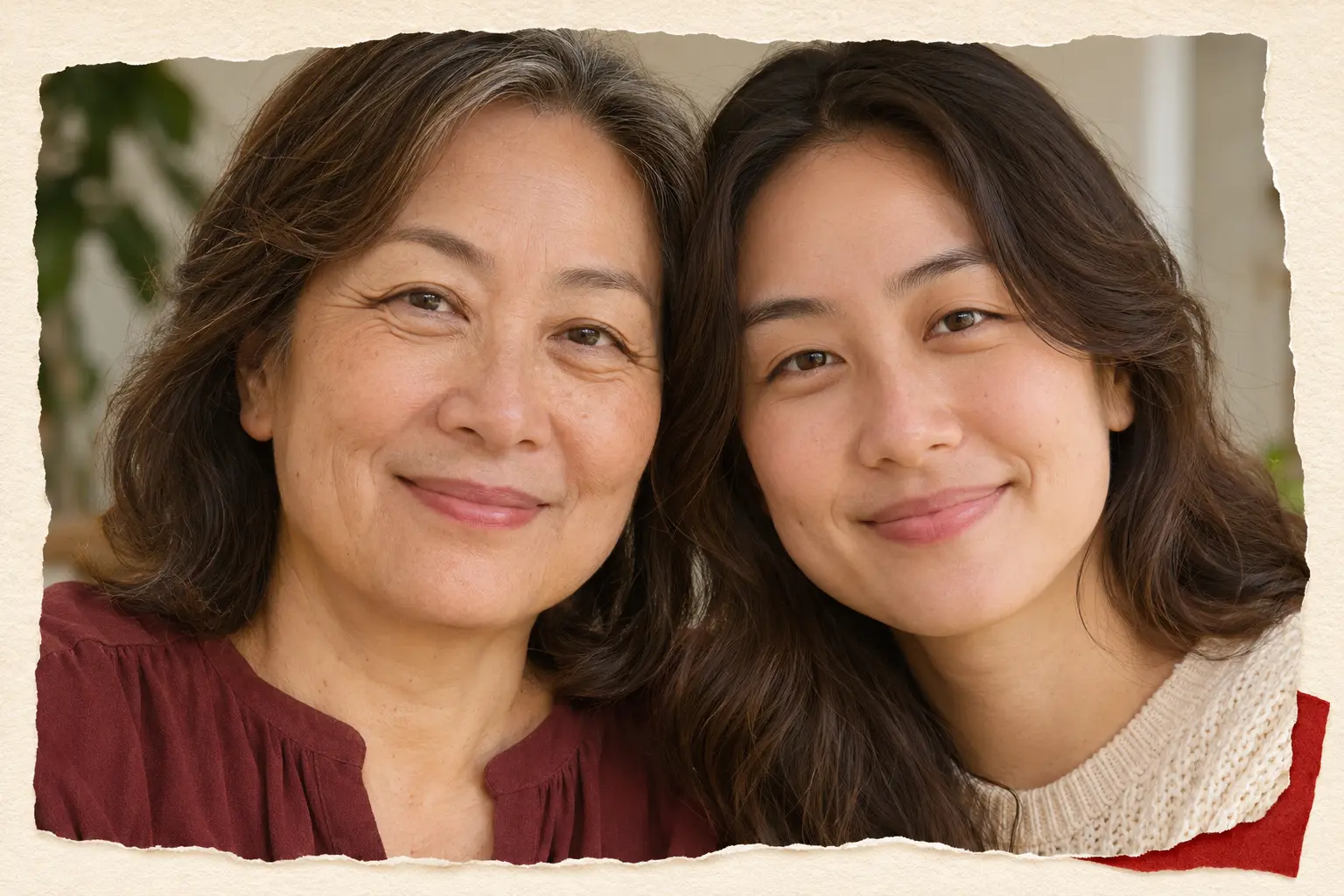
Family resemblance can include the skin and contours around your eyes, while how genetics influences eye color is another part of the inheritance picture. Twin and genetic association research also points to an inherited contribution to eyelid sagging. This doesn’t establish a single “hooded-eye gene” or a dependable rule that predicts a child’s eyelids from their parents’ appearance.
One analysis of 1,052 UK twin pairs estimated the heritability of sagging eyelids at 60.9%, with a 95% confidence interval of 43.7% to 76.3%. Heritability describes how much variation within the studied population was attributed to genetic differences under the study’s model. It isn’t a 60.9% chance that a child will inherit hooded eyes, and it doesn’t mean that percentage of one person’s eyelid shape is genetic.
A separate genetic association study included 502 unrelated women described as Caucasian, ages 44–70, living in the Paris region. Researchers graded eyelid sagging from standardized photographs and identified associations with genetic variants. The study adds evidence that genes contribute to sagging, but its population and design don’t establish an inheritance rule for all natural eyelid shapes.
For the reader asking “Are hooded eyes genetic?”, the answer is that genetics contributes to eyelid appearance and sagging. Age and other influences also matter. Having a relative with hooded eyelids doesn’t predict exactly how yours will look or change over time.
Aging Can Change the Eyelid Area
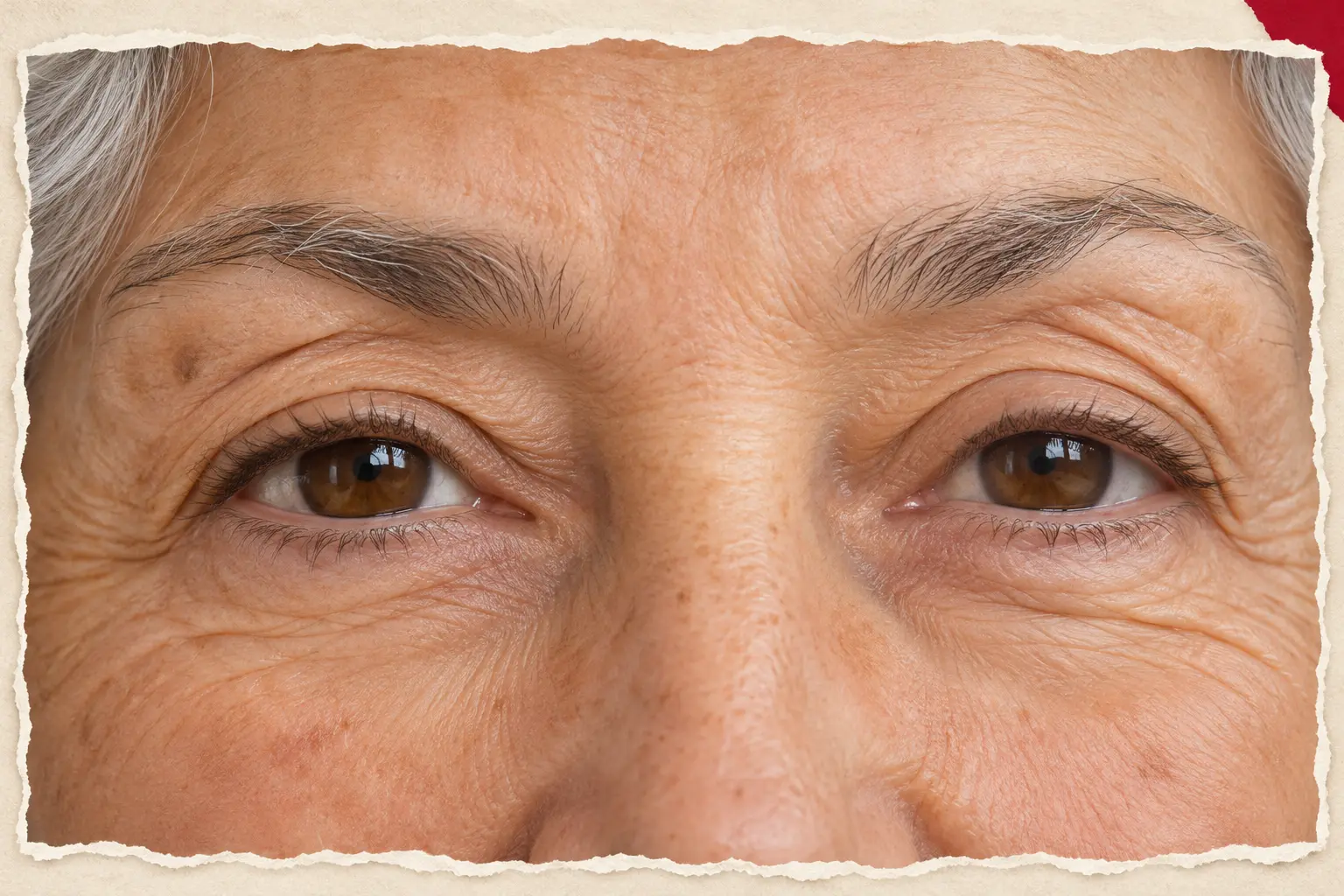
Age-related changes in eyelid skin and the surrounding tissues can make an upper eyelid fold more noticeable. Excess skin can overlap the lid even when the lash-bearing edge remains in position. Brow position also deserves assessment, but it’s too broad to say that every hooded eyelid develops from a falling eyebrow.
In a study of 5,578 Dutch European adults, whose mean age was 67.1 years, 17.8% had moderate or severe eyelid sagging, classified as dermatochalasis. The definition matters. This was a study of an older population using a particular grading scale, not a worldwide survey of naturally hooded eyes.
A smaller photographic study compared images of 80 people, including 40 men and 40 women, at ages 20, 40, and 60. Upper eyelid dermatochalasis was recorded in 55.0% of the people in their age-40 photographs and 67.5% in their age-60 photographs. These observations describe changes within that selected sample, rather than the percentage of all adults who develop hooded eyes.
The two studies used different samples and methods, so their percentages shouldn’t be combined or presented as directly comparable estimates. Together, they give context for why eyelid appearance can change with age. They don’t establish when your own eyelids will change or whether you’ll need treatment. If you’re also having trouble reading up close, ask your eye doctor whether multifocal contacts suit your vision needs, separately from assessing the eyelid changes.
Want to explore a different eye color alongside your makeup? Browse colored contact lenses and ask your eye doctor which options suit your eyes. Choose lenses that match your finalized prescription.
FAQs About Hooded Eyes
Are hooded eyes attractive?
Attractiveness is subjective, and hooded eyes don’t need correcting to meet one preferred appearance. A hidden crease can be part of the look you enjoy, whether you wear makeup or leave your lids bare. For hooded eye makeup, experiment with where color remains visible when your eyes are open. You can choose subtle definition, a soft smoky look, or an outer wing without treating your natural eyelid shape as a problem.
Can only one eye be hooded?
Yes, one eyelid can look more hooded than the other, and the amount of visible lid space can differ between sides. A familiar difference is different from a new change in skin coverage or eyelid position. If one eyelid starts drooping or the asymmetry changes, arrange an eye examination rather than assuming it’s natural hooding. Describe when you first noticed it, whether it changes during the day, and any accompanying vision symptoms.
Are hooded eyes the same as small eyes?
No. Hooded eyes describe an overlying fold that covers some upper lid space, while “small eyes” is a general appearance description. Less visible eyelid skin doesn’t, by itself, tell you the size of the eyeball. When comparing small hooded eyes with other eyelid shapes, focus on the crease, skin overlap, and lash line separately. Those details also give you a better starting point for eyeliner and eyeshadow placement than trying to make your eyes look larger.
Do you need surgery for hooded eyes?
No, a hooded appearance alone doesn’t establish a need for eyelid surgery. If excess upper eyelid skin interferes with vision, an eye care professional can assess the cause and discuss appropriate options. Blepharoplasty is eyelid surgery that can address excess skin, while treatment for ptosis concerns the position and lifting structures of the eyelid. An examination helps determine which issue is present before you consider a procedure. Cosmetic preferences and a functional vision problem are different reasons for seeking advice.
Can makeup get rid of hooded eyes?
Makeup can change the appearance of hooded eyelids, but it doesn’t remove extra skin or reposition the structures that lift the lid. Blending shadow where it remains visible and trying a smaller outer eyeliner wing can change the finished look. Check the placement with your eyebrows relaxed and your eyes open, since the fold can hide makeup applied only with a closed eye. Keep liner away from the inner lid edge, especially if you wear contacts. Treat these techniques as styling choices rather than a treatment for eyelid drooping.
This content is for general information and isn’t a substitute for professional medical advice, diagnosis, or treatment.
References
All About Vision. Hooded eyes. https://www.allaboutvision.com/conditions/hooded-eyes/. Updated September 3, 2026. Accessed November 24, 2026.
Experimental Dermatology. A genome wide association study identifies new genes potentially associated with eyelid sagging. https://doi.org/10.1111/exd.13559. Published online June 28, 2018. Accessed November 24, 2026.
Eye. A review of acquired blepharoptosis: prevalence, diagnosis, and current treatment options. https://doi.org/10.1038/s41433-021-01547-5. Published April 29, 2021. Accessed November 24, 2026.
JAMA Dermatology. Intrinsic and Extrinsic Risk Factors for Sagging Eyelids. https://doi.org/10.1001/jamadermatol.2014.27. Published May 28, 2014. Accessed November 24, 2026.
Johns Hopkins Medicine. Cosmetic Safety for Contact Lens Wearers. https://www.hopkinsmedicine.org/health/wellness-and-prevention/cosmetic-safety-for-contact-lens-wearers. Accessed November 24, 2026.
Ophthalmic Plastic and Reconstructive Surgery. Study on the Aging Dynamics of the Periorbital Region: From Observation to Knowledge of Physiopathology. https://doi.org/10.1097/IOP.0000000000001247. Published July–August 2019. Accessed November 24, 2026.
Who What Wear UK. I Have Hooded Eyes—These Are the Eye-Makeup Looks That Work for Me. https://www.whowhatwear.com/uk/eye-makeup-for-hooded-eyes. Accessed November 24, 2026.