
Table of Contents
Updated March, 2026 – Contact lenses are convenient and comfortable to wear. But wearing them for long periods can lead to dry eyes. Have you ever experienced discomfort or irritation? If so, it could be that you are not wearing the best contacts for dry eyes.
Fortunately, the right kind of lenses can significantly improve comfort and wearability. Many patients find relief with options like ACUVUE OASYS with HYDRACLEAR PLUS, and it’s easy to buy affordable AIR OPTIX AQUA or find cheaper Biofinity lenses for improved comfort.
We’ll recommend some of the best contacts for dry eyes so you can enjoy a more comfortable experience.
What is Dry Eye?
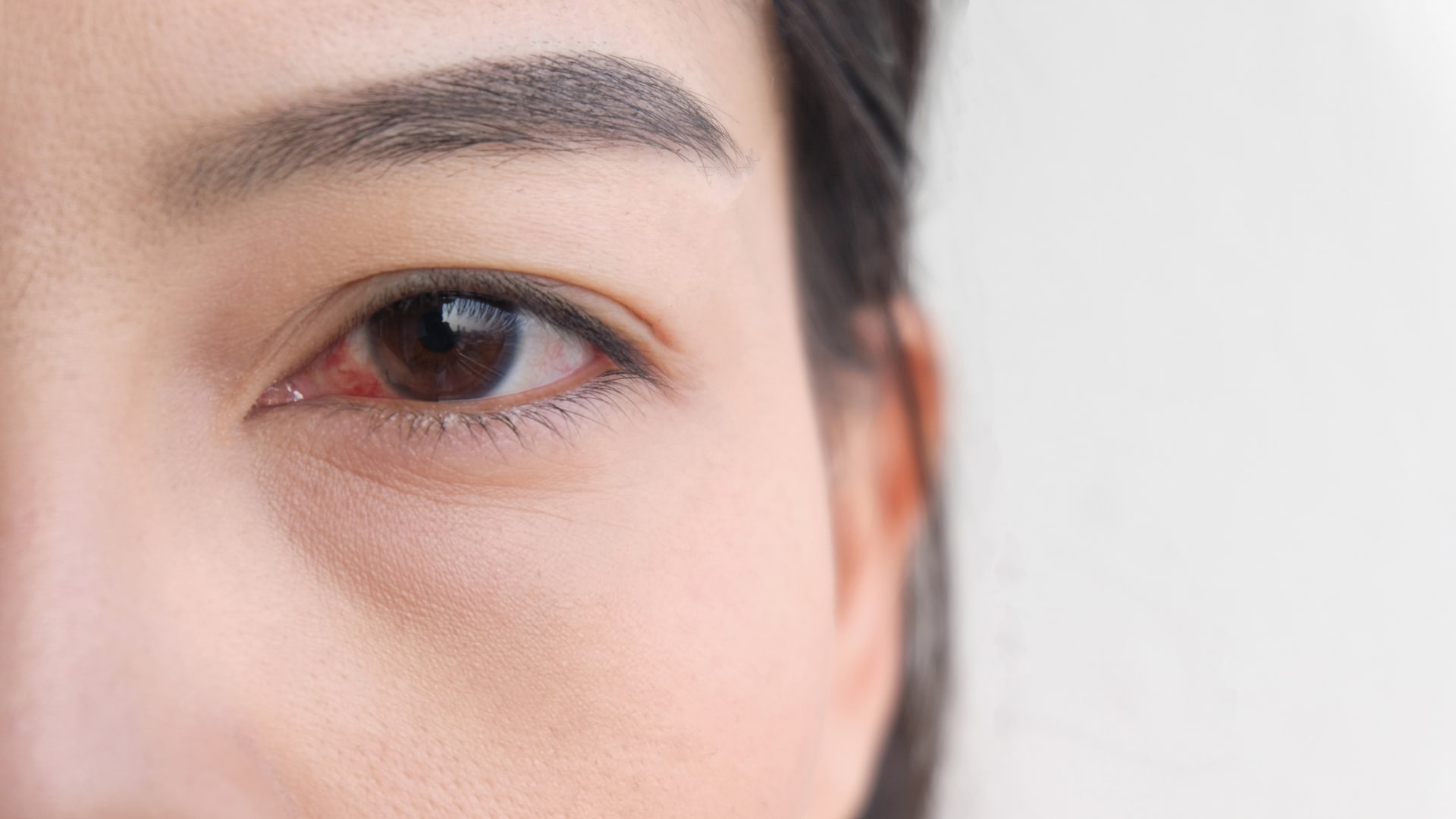
Ever feel like there’s sand in your eyes that you can’t blink away? You likely have dry eyes.
Dry eye happens when your eye is not producing enough tears to lubricate its surface, or cornea. Tears are not just for crying. They are a protective shield, keeping your cornea healthy and your vision sharp.
Older people are more prone to having this condition.
Treating dry eye usually starts with simple lifestyle tweaks, such as taking more screen breaks or keeping over-the-counter drops handy. If those don’t work, an eye doctor might step things up with contact lenses, prescription meds, or specialized in-office treatments to get your comfort back on track.
Do Contact Lenses Cause Dry Eye?
No, but how you wear them matters. While they don’t directly cause dry eyes, wearing them too long or neglecting to clean them can lead to irritation.
The lens material also plays a huge role. Soft lenses, for instance, are breathable but tend to act like a sponge that absorbs your natural tears. Rigid gas permeable (RGP) lenses are more durable and don’t soak up moisture, but they take more time to get used to.
Note that there’s a difference between temporary lens-induced dryness and Dry Eye Syndrome (DES), an actual chronic condition that can affect anyone, regardless of whether they wear contacts. Because the symptoms often overlap, your optometrist is the best person to help you pinpoint the cause and find a long-term solution.
Common Misconceptions of Dry Eyes
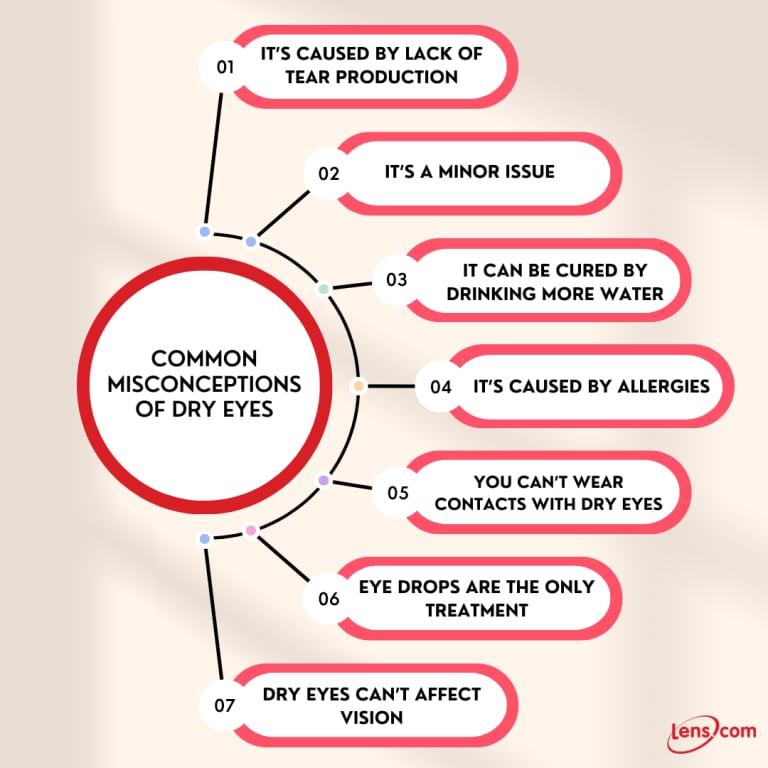
Despite how common dry eye is, there are several misconceptions about what this condition actually is and how to treat it.
- Myth: It’s caused by lack of tear production.
Fact: It’s often about both quality and quantity. Your eyes might produce plenty of tears, but if the chemical balance is off, they evaporate too quickly. Screen time, wind, dry air, or eyelid issues can dry your eyes out even if you’re producing tears. - Myth: It’s a minor issue.
Fact: While it starts as a nuisance, untreated dry eye can worsen. Left untreated, it can lead to eye infections, permanent damage to the eye’s surface, and a significant drop in your daily quality of life. - Myth: It can be cured by drinking more water.
Fact: Proper hydration is great for your body. However, it won’t fix a physical issue with your tear glands. Most cases require direct targeted treatments (e.g., medicated drops) or environmental changes to see real improvement. - Myth: It’s caused by allergies.
Fact: Allergies can certainly make things worse. Dry eye, though, is a distinct condition. It can be triggered by anything from hormonal shifts and autoimmune diseases to the natural process of aging. - Myth: You can’t wear contacts with dry eyes.
Fact: You don’t necessarily have to ditch your contacts. By using specific contact lenses for dry eyes or adjusting your cleaning routine, you can continue wearing lenses comfortably, despite having dry eyes. - Myth: Eye drops are the only treatment.
Fact: Artificial tears are just the starting point. Depending on the cause, your doctor might suggest prescription medications, lifestyle shifts, or even quick in-office procedures to provide long-term relief. - Myth: Dry eyes can’t affect vision.
Fact: Chronic dryness can make your vision blurry and can cause excessive light sensitivity. If your eyes aren’t properly lubricated with tears, your vision suffers, making everyday tasks like driving or reading much harder.
What Causes Dry Eye?
A fresh layer of tears washes over your cornea every time you blink. Tears rinse away debris, prevent infections, and keep your vision sharp and clear. Any extra fluid drains through tiny ducts in the corners of your lids and into the back of your nose. When this delicate balance of production and drainage gets out of sync, dry eyes set in.
However, a simple lack of tears isn’t the only culprit. According to the American Optometric Association, several factors can trigger the condition:
- Age: Our eyes produce lesser tears as we get older. Dry eyes are particularly common in adults over 65.
- Hormonal changes: Women are more frequently affected than men, largely due to hormonal shifts during pregnancy, menopause, or the use of oral contraceptives.
- Medications: Common drugs like antihistamines, decongestants, and antidepressants can unintentionally dry out your eyes by slowing down tear production.
- Underlying health issues: Conditions such as arthritis, diabetes, and thyroid disorders can increase your risk of developing dry eye symptoms.
- Your environment: Frequent exposure to wind, smoke, or dry air causes tears to evaporate much faster.
- Long-term use of contact lenses: While they aren’t a direct cause for everyone, wearing contacts over a long period can contribute to dryness for many users.
- Eye surgery: Some refractive procedures, such as LASIK, can temporarily or permanently reduce the volume of tears your eyes produce.
If you’re switching lenses because of dryness, double-check your prescription sides first with the how to read contact lens prescriptions OD vs OS eye guide.
What Are The Symptoms of Dry Eye?
People with dry eyes may experience the following symptoms:
- Redness
- Gritty, scratchy, or burning eyes
- A feeling of something in their eyes
- Watery eyes
- Blurred vision
- Sensitivity to light
- Stringy mucus near the eye
What Are The Best Contact Lenses for Dry Eyes?
While contact lens wearers are naturally more prone to irritation, you don’t have to switch back to glasses. Modern lens technology has advanced significantly, and many options are designed to keep your eyes hydrated. Silicone hydrogel contacts, for example, are a relief for dry eye sufferers.
Use this list of the top-rated silicone hydrogel lenses available on Lens.com. as a starting point when chatting with your eye care professional (ECP) about finding your perfect fit.
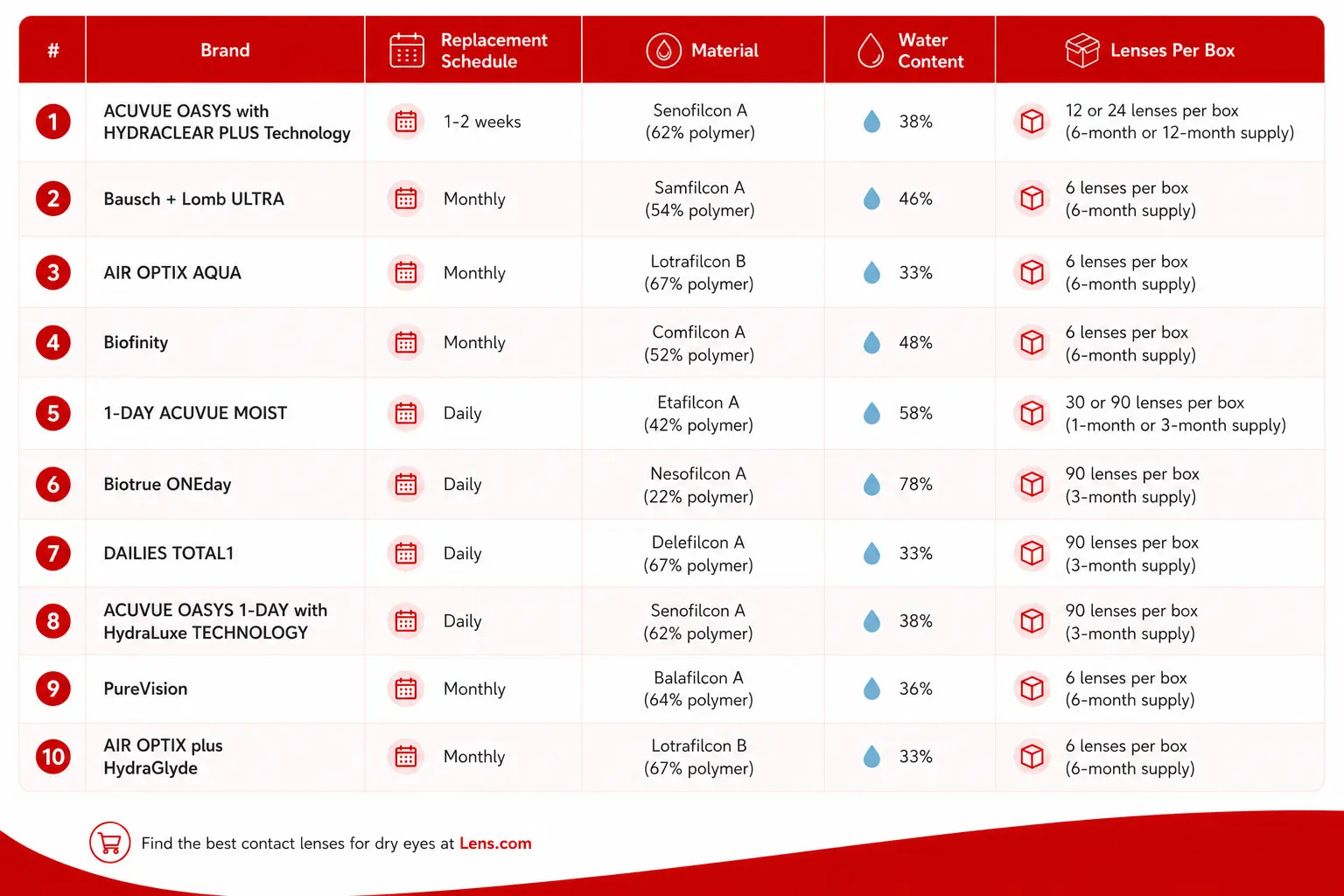
Designed to relieve the gritty, tired feeling of dry eyes, ACUVUE OASYS with HYDRACLEAR® PLUS Technology mimics the natural tear film to provide exceptional, all-day comfort. As a bonus, they offer premium defense against the sun by blocking over 99% of UVB and 95% of UVA rays.
These bi-weekly lenses feature a subtle visibility tint and inside-out markings, taking the guesswork out of daily insertion and removal. Their HYDRACLEAR PLUS Technology permanently embeds a high volume of moisture agent into the lens to ensure a smooth, wettable surface from morning to night.
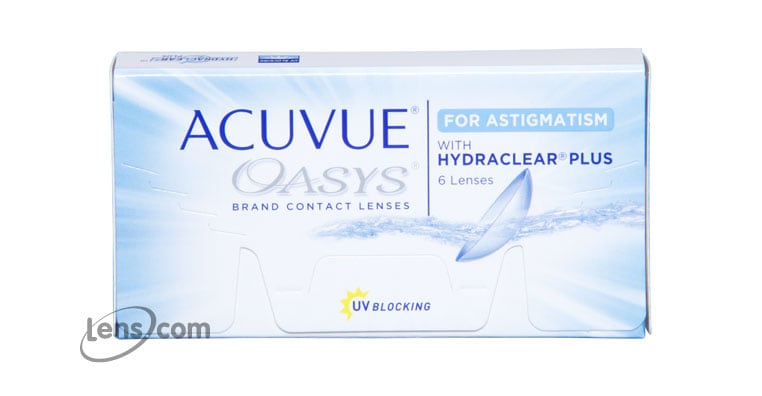
Experience the difference for yourself and shop ACUVUE OASYS with HYDRACLEAR PLUS Technology.
Perfect for digital device users, Bausch + Lomb ULTRA lenses tackle dryness head-on by keeping your eyes fresh and comfortable from your morning routine to late-night screen time. A handy visibility tint also makes handling a breeze.
Engineered with advanced MoistureSeal Technology, these monthly silicone hydrogel lenses are proven to retain an impressive 95% of their moisture for up to 16 full hours. By seamlessly combining silicone with a water-loving polymer (PVP), the design ensures a continuously hydrated lens surface while allowing high levels of oxygen to flow freely.
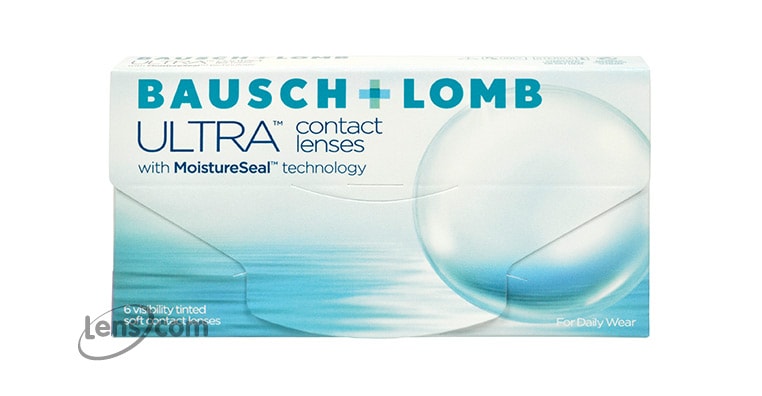
Keep your eyes feeling refreshed all day long with Bausch + Lomb ULTRA contacts.
AIR OPTIX AQUA lenses offer a refreshing shield against dryness and debris. Its SmartShield Technology creates an ultra-thin protective layer, keeping irritating deposits and oils from building up on the lens surface so your vision stays crisp and comfortable.
These monthly silicone hydrogel lenses are built with TriComfort Technology, featuring exceptional breathability by allowing a rich flow of oxygen to reach your corneas. A subtle visibility tint ensures you can easily see and handle your lenses.
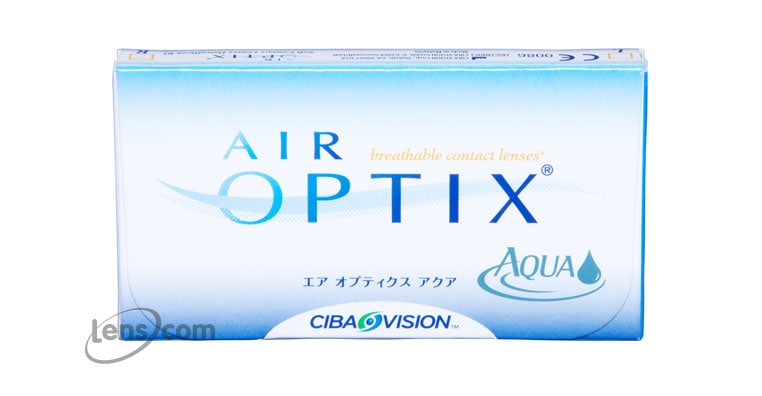
Upgrade your daily comfort with AIR OPTIX AQUA today.
Say goodbye to artificial wetting agents. Say hello to natural, all-day hydration. Biofinity contact lenses use advanced Aquaform Technology to attract and bind water directly within the lens itself, keeping your eyes exceptionally moist and comfortable without relying on surface coatings. An Aberration Neutralizing System sharpens your focus by minimizing optical imperfections, while smooth, rounded edges prevent friction against your eyelids.
Designed to correct both nearsightedness and farsightedness, these premium monthly lenses offer the perfect trifecta of high oxygen breathability, lasting moisture, and crisp vision. A delicate visibility tint rounds out the design, making them a breeze to spot and handle.
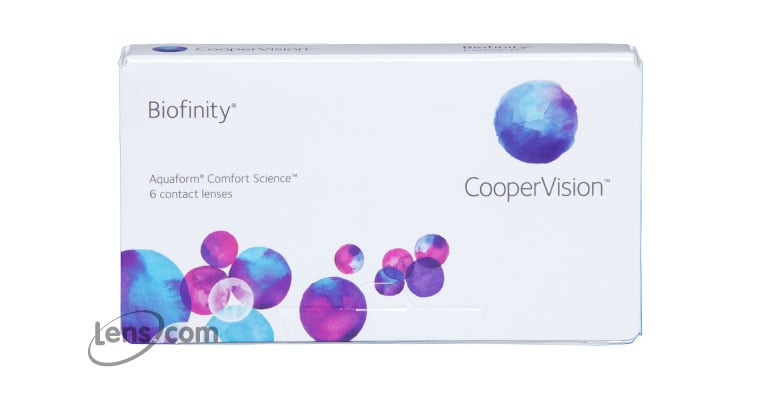
Experience naturally moist, crystal-clear vision by wearing Biofinity contacts.
For those who struggle with dry eyes, nothing beats the fresh, clean feeling of wearing a brand-new lens every single morning. 1-DAY ACUVUE MOIST lenses leverage LACREON Technology to permanently embed a water-holding ingredient right into the lens, creating a long-lasting cushion of moisture that keeps irritation at bay. They also offer reliable Class 2 UV protection, shielding your eyes from over 97% of UVB and 80% of UVA rays.
As a daily disposable, these lenses offer the ultimate in eye hygiene and convenience. No cleaning routines required. A subtle visibility tint makes them incredibly easy to spot in the blister pack and handle during insertion.
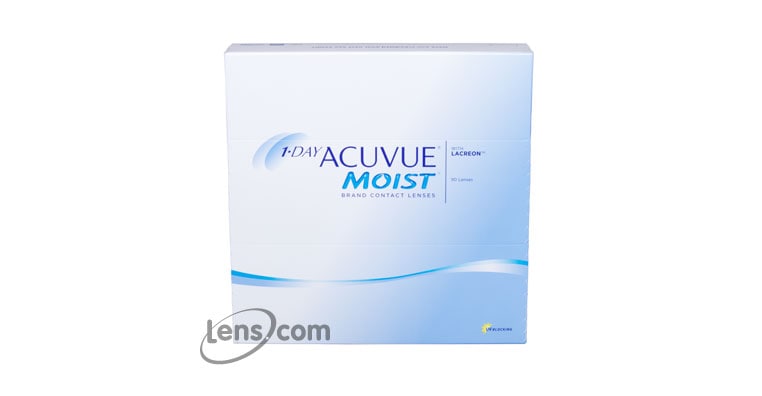
Enjoy the effortless comfort of a fresh start every day by wearing 1-DAY ACUVUE MOIST.
Staying true to the biology of your eyes, Biotrue ONEday contact lenses use a unique HyperGel material that perfectly matches the 78% water content of your natural cornea. They mimic your eyes’ tear film, locking in moisture and preventing dryness even after 16 hours of continuous wear. To keep your vision sharp at all hours, they feature high-definition optics that significantly reduce distracting halos and glare in low-light conditions, along with built-in UVA/UVB blockers.
Crafted from bio-inspired nesofilcon A, these daily disposables offer an incredibly soft, moisture-rich feel that makes you forget you’re even wearing contacts. They are also equipped with a subtle visibility tint and an inside-out indicator.
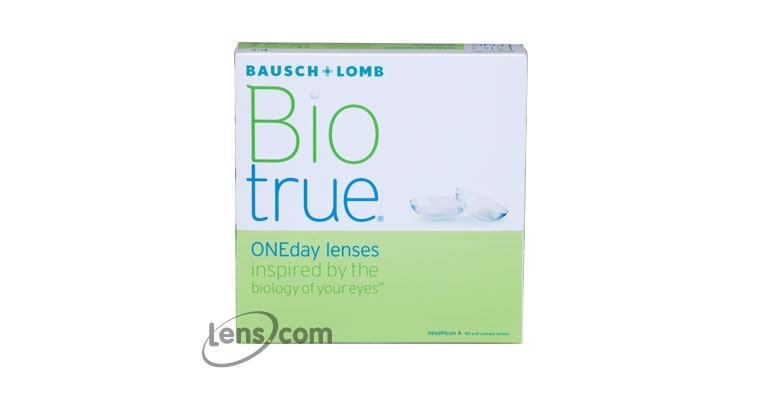
Experience bio-inspired hydration and crisp vision by wearing Biotrue ONEday contacts.
The gold standard for dry eye sufferers, DAILIES TOTAL1 contact lenses use revolutionary Water Gradient Technology to create a frictionless cushion of moisture on your eye. Their SmarTears® Technology actively releases an ingredient found naturally in your tears to stabilize the lipid layer, locking in hydration and preventing evaporation.
To streamline your morning routine, a subtle VISITINT® handling tint makes the lenses exceptionally easy to spot and insert without any hassle.
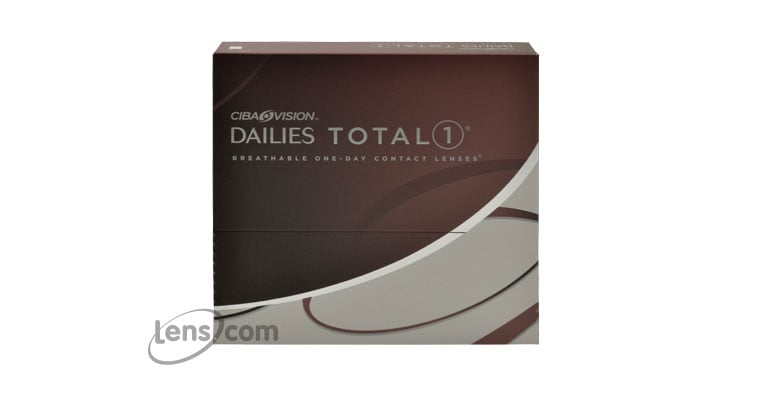
Treat your eyes to the ultimate luxury in hydration. Wear DAILIES TOTAL1 today.
Note that low water content contacts are also good for people with dry eyes. It is a common misconception that contacts with high water content are ideal for those with dry eyes. More water means more moisture, right? As it turns out, high water content contacts can actually exacerbate dry eye issues because they absorb tears in the same way a sponge absorbs water.
Listed below are some of our top-selling low-water content contacts for your reference:
Engineered to keep pace with demanding days and dry environments, ACUVUE OASYS 1-DAY with HydraLuxe® TECHNOLOGY feature a tear-inspired design that integrates seamlessly with your eye’s natural tear film. By closely mimicking your natural tears, HydraLuxe Technology thoroughly lubricates the lens to allow for effortless blinking and an exceptionally comfortable, irritation-free feel. As an added health benefit, they offer robust sun defense by UVA and UVB blockers.
To take the frustration out of your daily routine, these lenses are equipped with both a helpful visibility tint and a clever inside-out indicator, ensuring you get a perfect, hassle-free fit every single time.
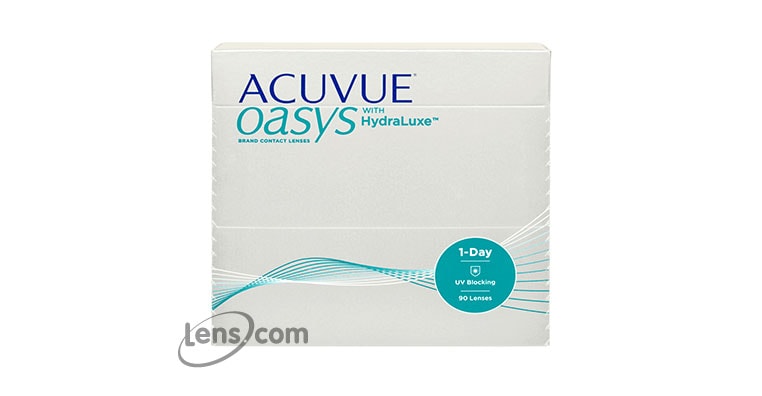
Experience the effortless blinking comfort of a tear-inspired lens by wearing ACUVUE OASYS 1-DAY lenses with HydraLuxe Technology.
PureVision lenses are crafted with an advanced AerGel material that actively repels irritating deposits and debris, keeping your eyes exceptionally moist and fresh from morning to night. Their specialized optical design corrects spherical aberrations, drastically reducing halos and blurriness so you can enjoy crisp, high-definition vision in any lighting condition.
These durable monthly lenses are engineered with rounded edges that prevent friction against your eyelids. A subtle visibility tint ensures you won’t have to hunt for your lenses in the case.
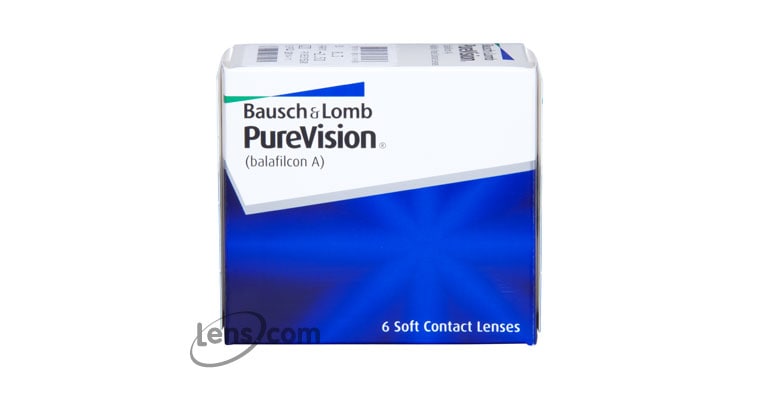
Enjoy crisp clarity and deposit-free comfort by getting PureVision lenses.
AIR OPTIX plus HydraGlyde contact lenses offer a powerful, double-action defense against eye irritation. This lens masterfully pairs SmartShield Technology, which creates an ultra-thin barrier against protein and lipid deposits, with the HydraGlyde Moisture Matrix, a dynamic system that actively attracts and locks in surface moisture to ensure your eyes stay hydrated from day 1 to day 30.
Crafted from highly breathable silicone hydrogel, these monthly lenses deliver a steady flow of healthy oxygen to your eyes. Subtle, light blue VISITINT handling tint makes them easy to see in your lens case and entirely hassle-free to insert, remove, and clean.
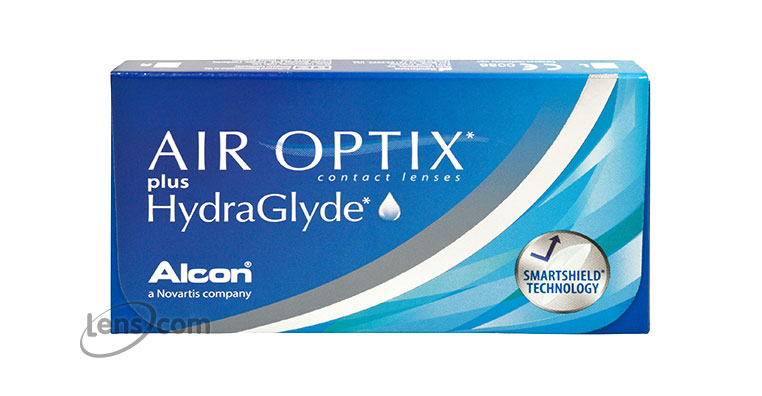
Experience long-lasting hydration that outlasts the month with AIR OPTIX lenses plus HydraGlyde.
Note that there is no single contact lens best for dry eyes. Only your ECP can choose the best contact lens for you if dry eye is a significant concern.
Before choosing a dry-eye lens from this list, confirm you’re entering the correct right and left eye values using the OD vs OS contact lens prescription guide and calculator.
Featured Reading: How To Buy Contacts Online (Without Messing Up Your Order)
Buying toric lenses online is easy, but small details can cause wrong shipments or delays. This guide walks through picking a legit retailer, checking your Rx, and using a simple ordering checklist.
Read: How to Buy Contacts Online, Best Retailers, Ways to Save, and an Ordering Checklist
How Can You Manage Dry Eyes While Wearing Contact Lenses?

If you have dry eyes and you’re wearing contacts, a few simple habits can keep your eyes feeling fresh and comfortable throughout the day:
- Start with clean, dry hands.
Always wash your hands with mild soap before touching your lenses. This prevents dirt and bacteria from hitching a ride on your fingers and ending up in your eyes. To avoid getting fibers in your eyes, dry your hands with a lint-free towel. - Never sleep in your lenses.
Unless your doctor has specifically prescribed lenses for overnight use, take them out before going to bed. Sleeping in contact lenses starves your eyes of oxygen. Worse, this creates a breeding ground for bacteria and significantly worsens dryness the next morning. - Stick to your replacement schedule.
Don’t try to stretch the life of your lenses. If you have monthlies, toss them after 30 days. If you wear dailies, start with a fresh pair every single morning. Timely replacement prevents protein buildup that can irritate dry eyes. - Use fresh solution every single day.
Topping off old solution dilutes its disinfecting power. Empty the case entirely, and refill it with fresh solution daily. - Use rewetting drops proactively.
Don’t wait until your eyes feel tired. Using artificial tears throughout the day, even when your eyes feel fine, helps maintain your tear film and prevents dryness before it starts. - Give your eyes some breathing room.
Your eyes need direct access to oxygen and your natural tear film to stay healthy. Make it a habit to spend a few hours each day wearing your glasses to give your corneas a chance to recover. - Keep up with your eye exams.
Regular visits to your ECP are about more than just updating your prescription. Your doctor will check the health of your tear film and ensure your current lenses are still the best fit for your comfort needs.
If you need to renew your prescription before your next order, reading about an online eye exam can be a convenient way to update your records remotely, though an in-person visit remains the gold standard for a deep dive into your eye health.
Wrapping Up
Wearing the right eye contacts for dry eyes can make a world of difference. Only your eye care professional can decide which lenses are truly right for your eyes, but being informed helps you advocate for your own comfort.
Keep the brands we’ve discussed in mind so you can walk into your next appointment ready to explore the discount contact lenses together.
FAQs about Contact Lenses for Dry Eyes
Helpful answers about contact lens dryness, comfort, screen time, and when it is time to see an eye doctor.
Contact lenses don’t directly cause dry eye syndrome, but long wear time, dry environments, and stretching replacement or care routines can make dryness worse. If symptoms persist even on days you don’t wear lenses, an eye care professional (ECP) can evaluate your tear film and adjust your lens type, fit, or treatment plan.
Many people do well with silicone hydrogel lenses for better oxygen flow or daily disposable lenses that start fresh each day and may reduce deposit buildup. The best choice still depends on your prescription and the cause of your dry eye, so it is smart to confirm options with your eye care professional (ECP).
Not always. Some high-water lenses can draw moisture from your tears and make your eyes feel drier as the day goes on. Low-water-content lenses or lenses designed to retain surface moisture may feel more comfortable, but fit and wear time still matter.
Screen use reduces blinking, so use lubricating drops labeled safe for contact lenses, take short blink breaks, and move away from airflow like fans or air conditioning when possible. If dryness happens often, ask your eye care professional (ECP) whether a different lens material or a daily replacement schedule may be a better fit.
Remove your lenses and get checked promptly if you have significant pain, increasing redness, light sensitivity, discharge, or sudden blurry vision, because these can signal irritation or infection. Even without urgent symptoms, ongoing dryness that affects comfort or vision is a good reason to book an exam so your tear film and lens fit can be reassessed.
References
Preventing Eye Infections When Wearing Contacts | Healthy Contact Lens Wear and Care. Centers for Disease Control and Prevention. https://www.cdc.gov/contact-lenses/prevention/index.html. Date Accessed: March 2026.
Testing for Dry Eye. National Eye Institute (National Institutes of Health). https://www.nei.nih.gov/eye-health-information/eye-conditions-and-diseases/dry-eye/testing-dry-eye.Date Accessed: March 2026).
Dry Eye Syndrome Preferred Practice Pattern®. American Academy of Ophthalmology (Ophthalmology journal / PubMed). https://pubmed.ncbi.nlm.nih.gov/38349301/. Date Accessed: March 2026Date Accessed: March 2026.
CLEAR – Evidence-based contact lens practice. James S. Wolffsohn et al. (Contact Lens & Anterior Eye / PubMed). https://pubmed.ncbi.nlm.nih.gov/33775383/. Date Accessed: March 2026.
Clinical Performance of Samfilcon A Contact Lenses in Intensive Digital Device Users: A Multicenter, Prospective Clinical Study. Ömür Ö. Uçakhan et al. (Ophthalmology and Therapy / PubMed). https://pubmed.ncbi.nlm.nih.gov/34487319/. Date Accessed: March 2026.
Investigation of Delefilcon A Contact Lenses for Symptomatic Daily Disposable Contact Lens Wearers with Dry Eye Disease: A Prospective Comparative Study. Sarah E. Guthrie et al. (Clinical Ophthalmology / PubMed). https://pubmed.ncbi.nlm.nih.gov/39463852/. Date Accessed: March 2026.
Evaluation of daily disposable senofilcon A contact lenses in a symptomatic population. Meredith Jansen Bishop et al. (Contact Lens & Anterior Eye / PubMed). https://pubmed.ncbi.nlm.nih.gov/35101386/. Date Accessed: March 2026.
Effects of Lotrafilcon A and Senofilcon A Bandage Contact Lenses on Visual Outcome and Ocular Comfort After Photorefractive Keratectomy. Konuralp Yakar et al. (Turkish Journal of Ophthalmology / PubMed). https://pubmed.ncbi.nlm.nih.gov/39743926/. Date Accessed: March 2026.