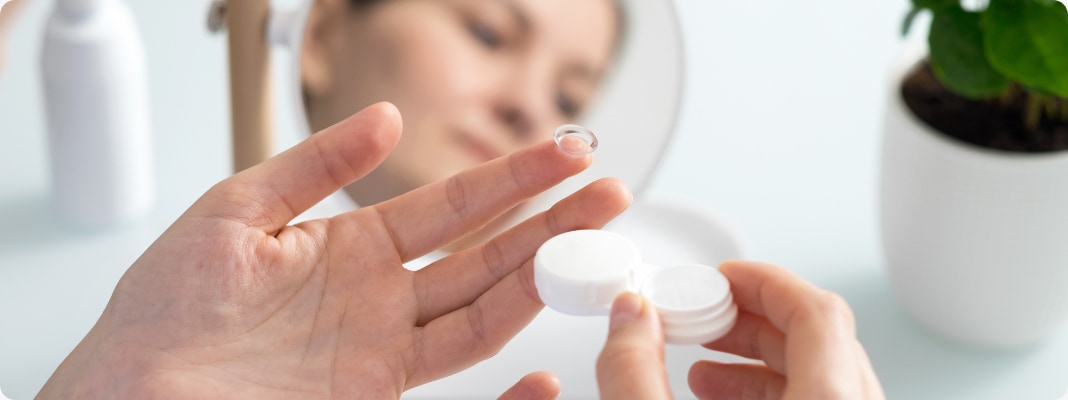



When your child brings up contact lenses, it often sounds simple. A quick comment before school. A passing mention after sports practice. But most parents don’t answer right away. There’s usually a pause, followed by a quiet checklist running in your head.
Not because contact lenses feel risky on their own, but because kids are still learning consistency. Hands get rushed. Shortcuts happen. Even good habits slip when mornings are busy. The real question isn’t whether kids can wear contact lenses. It’s whether the routines around them are ready to hold up on regular days, not just the good ones.
Table of Contents
Can Kids Wear Contact Lens?
Yes! But it almost always depends on the child. Contact lenses can work well for kids, but the question isn’t really about lenses. It’s about habits.
Safety Depends on Daily Behavior
Most problems with contact lenses don’t appear suddenly. They build slowly. A rushed morning here. A skipped handwash there. An evening where lenses stay in longer than planned. Over time, those moments add up.
When kids follow clear rules and parents stay involved early, contact lenses usually settle into the background of everyday life rather than becoming a source of stress.
Age Matters Less Than Consistency
Some kids are ready earlier than expected. Others need more time, even as teens. The difference usually shows up in how well routines already work at home.
If your child handles daily responsibilities without constant reminders, contact lenses often fit in smoothly. If routines still fall apart easily, waiting often avoids frustration later.
How To Know When Your Child Is Ready For Contact Lenses
Readiness isn’t about enthusiasm. It shows up in follow-through, especially on ordinary days when no one is reminding or watching closely.
Signs a Child May Be Ready
Kids who tend to do well with contact lenses usually show responsibility in everyday routines, such as:
- washing hands properly without reminders
- following instructions the first time
- handling small, delicate items carefully instead of rushing
- managing school mornings, homework, or sports gear on a regular basis
When these habits are already in place, contact lenses usually feel like a natural extension of the day rather than a new responsibility to manage.
When Waiting Makes Sense
If mornings feel chaotic or rules need repeating, contact lenses can add pressure instead of freedom. Waiting doesn’t mean saying no forever. It just gives routines time to settle before adding something that requires daily attention.
Choosing the Right Type of Contact Lenses For Your Kids
The type of contact lenses you choose shapes how much involvement is needed at home. Some options keep routines simple, while others ask for more follow-through.
Daily Contact Lenses (Most Parents Start Here)
- Daily routine: a fresh pair each morning, thrown away at night
- Cleaning required: none
- Risk of skipped steps: lower, since there are fewer steps to manage
- Parental oversight: less day-to-day supervision once habits form
Best fit for kids who: are new to contact lenses or still building routines
Monthly Contact Lenses (Often Chosen Later)
- Daily routine: worn daily, then cleaned and stored every night
- Cleaning required: yes
- Risk of skipped steps: higher on busy or rushed days
- Parental oversight: more supervision needed, especially early on
Best fit for kids who: already handle daily responsibilities without reminders
Shop Quality Affordable Contacts at Lens.com
A Parent’s Role in the Early Weeks
Most parents stay closely involved during the first few weeks of contact lens wear, even when a child seems confident right away. That early involvement sets expectations and helps routines stick before shortcuts creep in.
Those first weeks are when kids learn which steps matter and which rules don’t bend. A little presence early often saves a lot of correcting later.
Setting the Routine
Fixed times for inserting and removing contact lenses remove guesswork. Mornings and evenings work well since they already anchor daily habits.
A simple setup also helps:
- keep all contact lens supplies in one visible place
- use the same spot each day for insertion and removal
- pair lens care with an existing habit, like brushing teeth
Small structures like these carry the routine forward once reminders fade.
Setting Clear Boundaries
Some contact lens rules work best when they aren’t negotiable. Keeping them simple makes them easier to follow.
Parents often stick to a short list:
- lenses come out before sleep unless an eye doctor says otherwise
- lenses are never shared
- wear schedules don’t stretch for school days, sports, or events
When boundaries are clear, kids usually stop testing them and settle into the routine faster.
Common Early Mistakes Parents See
Most early mistakes are small and easy to fix when noticed early.
Parents often see:
- rushed or skipped handwashing
- wearing lenses slightly longer than prescribed
- pushing through discomfort instead of speaking up
- stepping back from supervision too quickly
A few extra check-ins during the first weeks usually prevent these from turning into habits.
Helping Kids Adjust Without Pressure
Every child adjusts at a different pace. Some feel comfortable within days. Others need more time, and that’s not a problem to fix. What matters is leaving space for learning without rushing the process.
Short practice sessions help confidence grow without turning contact lenses into a daily struggle. Calm encouragement does more than pushing for speed. Letting kids know it’s okay to remove lenses when something feels off builds trust and keeps small issues from turning into bigger ones.
With time and steady routines, contact lenses stop being a topic that needs managing. They settle into the background of the day, handled with care and without stress. For most families, that quiet normalcy is the real sign that things are working.
Frequently Asked Questions About Contact Lenses for Kids
At what age can kids start wearing contact lenses?
There isn’t a single age that works for every child. Some kids are ready earlier, while others need more time. Readiness usually shows up in daily habits, not age.
Are contact lenses safe for kids?
Contact lenses are widely used by kids and teens. Most problems come from skipped steps or worn-too-long lenses, not from the lenses themselves.
Should my child start with daily or monthly contact lenses?
Many parents start with daily contact lenses because there’s no cleaning routine to manage. Monthly lenses often work better later, once routines feel steady and responsibility is consistent.
How much help will my child need at the beginning?
Most kids need close involvement during the first few weeks. Watching routines early helps habits stick and reduces problems later on.
What are the most common mistakes kids make with contact lenses?
Rushed handwashing, wearing lenses longer than prescribed, and staying quiet when something feels uncomfortable are common early issues. These are usually easy to correct with a bit of supervision.
What should my child do if a contact lens feels uncomfortable?
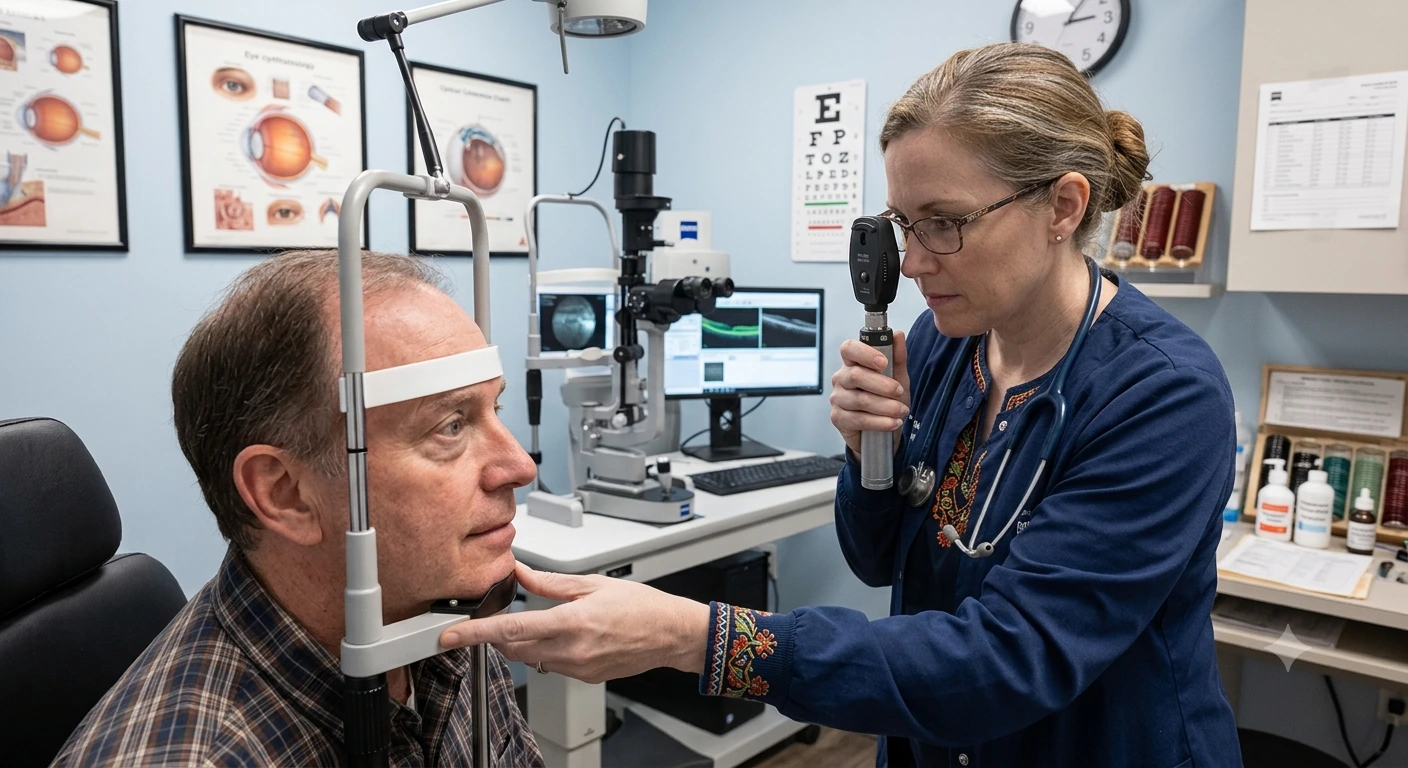
Lenses should come out right away if something feels off. It’s better to pause and check in with an eye doctor than to push through discomfort.
Is it okay to wait before letting my child wear contacts?
Yes. Waiting can be helpful if routines aren’t steady yet. Giving habits time to settle often makes the transition smoother later.