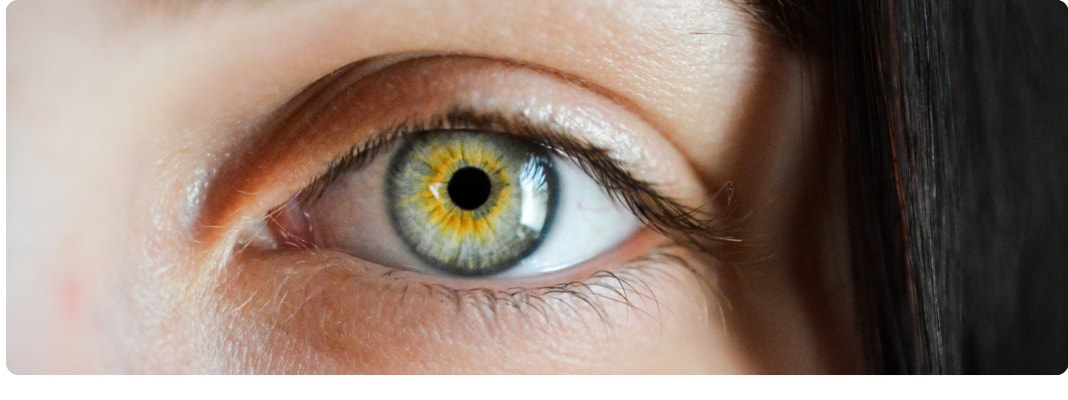

What is astigmatism? Astigmatism is a flaw in the curvature of your eye’s cornea or lens that can cause blurry or distorted vision and may require correction.
Imagine the shape of an eyeball as similar to a basketball. When an eye is perfectly spherical, light bends evenly as it enters the eye, providing a clear view. With astigmatism, the eye is shaped more like an American football, causing light to bend in multiple directions and blur vision.
There are two types of astigmatism: corneal and lenticular. Both types are caused by a misshapen cornea or lens.
About 1 in 3 people have astigmatism, and a small amount can be found in otherwise normal eyes and detected in young children. It is also common for people with astigmatism to have other refractive errors, such as nearsightedness, farsightedness, or age-related near vision changes, which is why options like bifocal contact lenses for astigmatism may be discussed when more than one vision need must be corrected.
Cause
Even though astigmatism is prevalent, doctors don’t know why cornea or lens shape differs among individuals. What they do know is that the likelihood of developing astigmatism is usually inherited. One can also develop it after an eye injury, eye disease, or surgery. A very rare condition called keratoconus may trigger astigmatism by creating a cone-like bulging of the cornea. If this is the case, one will need contact lenses to be able to see clearly. One study has shown that infants born preterm have astigmatism at a higher percentage than those born closer to their due date. Children must be tested early to slow the progression of astigmatism and preserve their sight.
Myth: One cannot develop or worsen astigmatism from reading in low light or sitting very close to the television. However, doing so frequently can cause eye strain.
Symptoms
Symptoms that can indicate astigmatism are:
Blurred or distorted vision
People with astigmatism may experience mild to severely distorted vision due to the refraction of light, depending on the degree of astigmatism. While nearsightedness (myopia) makes far-away objects blurry and farsightedness (hyperopia) makes close-up objects blurry, things are blurry at every distance with astigmatism.
Eye strain and fatigue
Whether working at a computer or driving a car, one’s eyes are constantly adjusting and trying to focus on a clear image. Over time, having blurred or distorted vision can cause eye strain and eye fatigue. Over time, having blurred or distorted vision can cause eye strain and eye fatigue. Once astigmatism is diagnosed, wearers who prefer contacts can discuss contact brands for astigmatism with their eye doctor to find a toric option suited to their prescription.
Frequent headaches or dizziness and squinting
Eye strain can lead to other symptoms, like dizziness and headaches. You may find yourself squinting to see things more clearly, which can cause facial fatigue and headaches.
Difficulty seeing at night
Symptoms of astigmatism may worsen when it’s dark. In low light, pupils dilate to let more light into the eye in order to see. But astigmatism makes blurred vision worse. The eye allows more peripheral light in, which can create a halo effect when looking at lights. Halos and glare from light can make it difficult to focus in the dark and cause dangerous conditions, such as driving at night with uncorrected vision. end before TreatmentIf an eye exam confirms that you need toric correction, you can compare affordable contacts for astigmatism that match your prescription and vision needs.
Treatment
Depending on the severity, different treatment plans may be prescribed by one’s eye doctor. If the astigmatism is mild, the doctor may suggest no treatment at all. Corrective lenses are the usual approach.
Corrective lenses bend the incoming light rays in a way that compensates for the error caused by faulty refraction. In this way, images are properly projected onto the retina. These may be in the form of glasses or contact lenses (including specialized lenses like Acuvue Oasys for Astigmatism 6 pack, and Biofinity Toric). Contact lenses for astigmatism toric will need:
Traditionally, doctors would prescribe orthokeratology, or corneal refractive therapy for more severe cases. This involves wearing fitted, rigid contact lenses called RGP (rigid gas-permeable) lenses overnight to reshape the cornea. RGP does not permanently improve vision, but its effect lasts for hours after wearing them.
Today, eye patients have more comfortable options with soft contact lenses called toric lenses as long as the degree of astigmatism is not too high. These lenses can bend light more in one direction than the other. Some people may benefit from laser surgery, including LASIK where a laser is used to reshape the cornea.
Conclusion
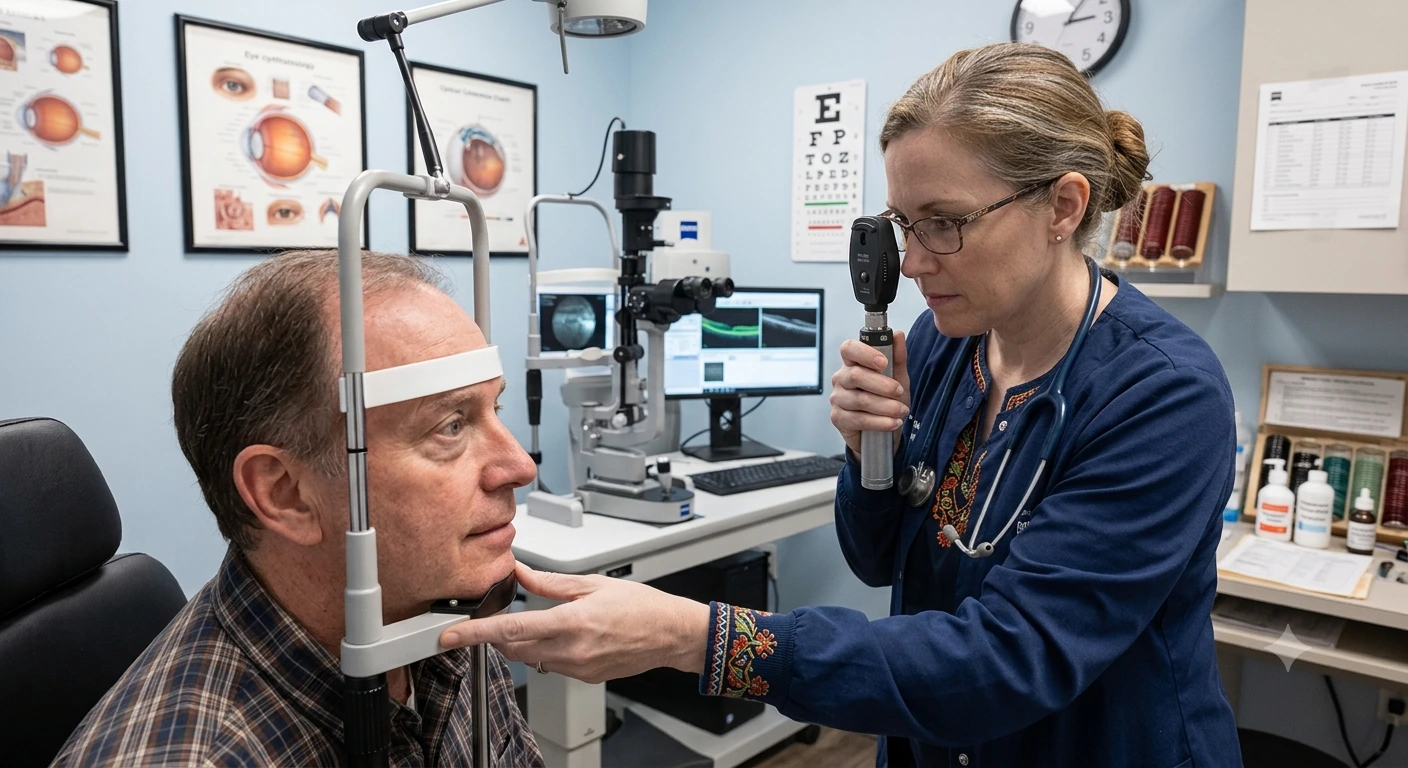
If you have some of the symptoms listed here, you may have astigmatism. Please visit your ophthalmologist for a complete eye exam for an accurate diagnosis and treatment plan.
Have a question? Call us at
1-800 LENS.COM (536-7266)
Online 24/7
© 1995-2021 Lens.com. All Rights Reserved. Lens.com is a contact lens replacement company, and a direct to consumer marketer of contact lenses.
As a contact lens replacement center, we can only sell you contact lenses that you have a valid prescription for, and are wearing successfully.