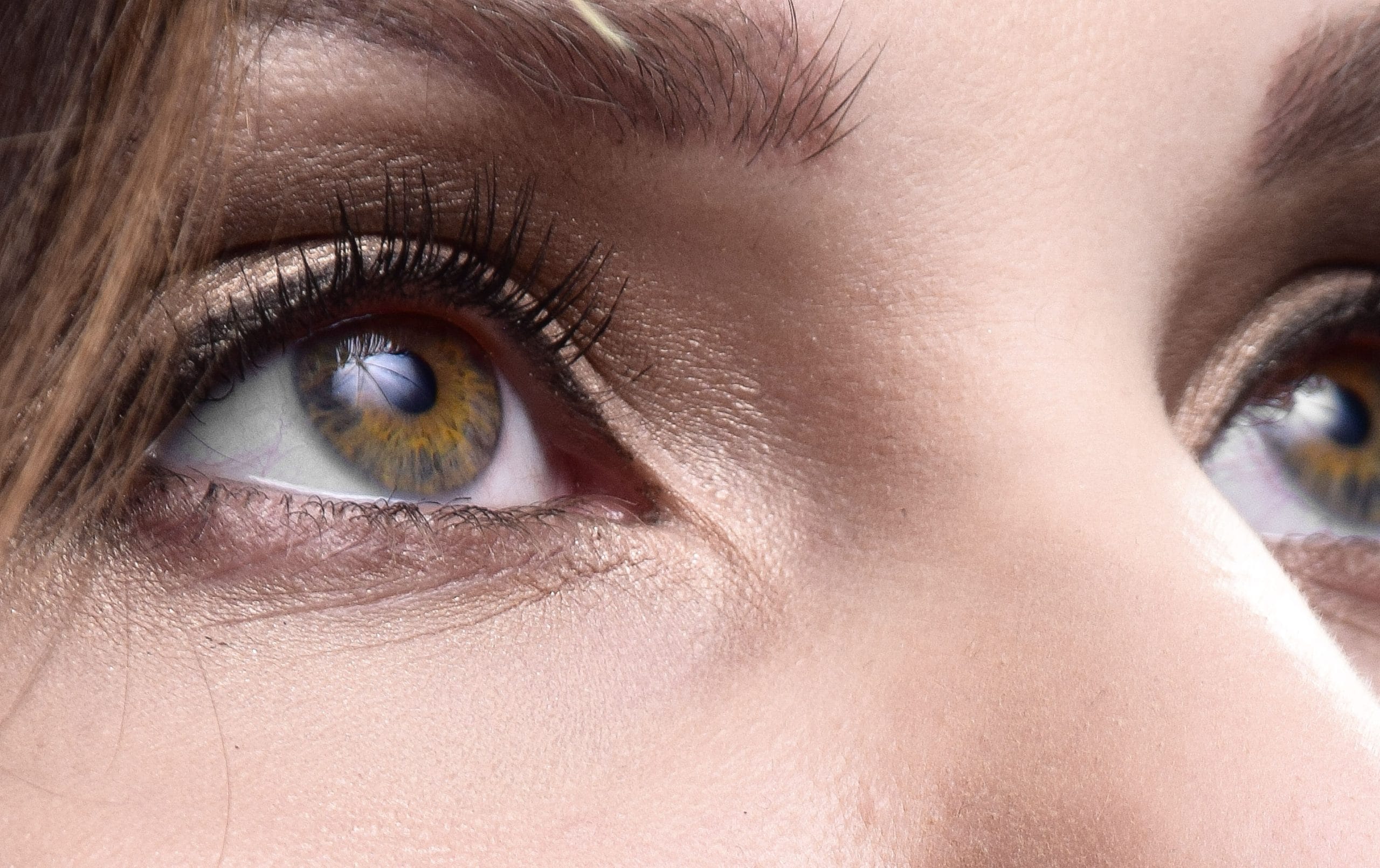

Air pollution has long been recognized as a public health concern affecting our lungs and overall well-being. However, its impact on eye health is often overlooked.
Recent studies and observations have revealed a direct correlation between air pollution and increased daily visits to eye clinics. From dry eyes to serious inflammatory conditions, air quality plays a significant role in how our eyes feel and function.
Got a minute? Help us uncover something amazing!
The Connection Between Air Pollution and Eye Health
Can air quality affect your eyes?
Yes, air quality can significantly affect your eyes. Harmful particles like dust, soot, and chemicals can irritate the ocular surface (the delicate surface of your eyes). Common pollutants such as ozone, nitrogen dioxide, and particulate matter (PM2.5) have been linked to:
- Dry Eye Syndrome: Pollutants disrupt the tear film, causing dryness and discomfort.
- Conjunctivitis: Known as “pink eye,” this inflammation is often triggered by irritants in the air.
- Corneal Damage: Prolonged exposure to fine particles can lead to microabrasions and discomfort.
Eye Clinics Reporting a Surge in Visits in The Past Few Years
This correlation between air quality and eye health isn’t just theoretical—eye clinics see the effects firsthand.
In a study by the University of Colorado School of Medicine, they scrutinized over 144,000 visits for ocular surface irritation and allergies over eight years. The findings revealed that patient visits doubled during high particulate matter (PM) levels in the Denver metro area.
Optometrists report a noticeable uptick in eye-related complaints during high-pollution seasons or in cities with poor air quality. Symptoms like redness, itching, and watery eyes have become increasingly common, with more patients seeking relief.
Common Symptoms to Watch Out For
Exposure to polluted air can lead to:
- Persistent dryness or gritty sensation.
- Redness and swelling.
- Increased sensitivity to light.
- Blurred vision or temporary visual discomfort.
If you experience these symptoms regularly, it might be time to consult an eye care professional (ECP).
Protecting Your Eyes in Polluted Environments

1. Use protective eyewear
Sunglasses or clear protective glasses can shield your eyes from direct exposure to harmful particles. Wraparound styles offer the best protection since they cover more area around your eyes. Look for glasses with UV protection to shield your eyes from harmful ultraviolet rays.
2. Stay hydrated and use eye drops
If you wear contact lenses, keep them clean and replace them as scheduled. Daily disposable lenses can be a good choice in polluted areas since you start with a fresh pair each day. Remove your contacts immediately if your eyes become irritated and consult your eye doctor about the best type for your environment.
3. Invest in quality contact lenses
Pollution can stick to your contact lenses, exacerbating irritation. Using high-quality lenses like those available at Lens.com can minimize discomfort. Daily disposable lenses are especially beneficial as they reduce the risk of pollutant buildup.
4. Monitor air quality
Use air quality apps or weather services to track pollution levels in your area. When pollution is high, limit outdoor activities and use air purifiers inside your home. Keep windows closed during peak pollution hours.
Take Control of Your Eye Health Today
As air pollution continues to rise globally, its impact on eye health is becoming impossible to ignore. The surge in eye clinic visits underscores the importance of proactive care and preventive measures. By staying informed and taking steps to protect your eyes, you can maintain optimal vision even in polluted environments. Remember, regular eye exams and professional guidance are essential in managing the effects of air pollution on your vision.
Visit Lens.com today to find high-quality contact lenses that help you combat the effects of air pollution on your eyes.
Similar Articles
-
Can You Use Water Instead of Lens Solution?
-

Can Wearing Outdated Prescription Contact Lenses Affect My Eyes?
-

What Are Multifocal Contact Lenses? Pros, Cons, Brands & More
-

How to Choose the Right Contacts for a “No Makeup” Makeup Look This Back-to-School Season
-

Understanding Eye Flashes: What You Need to Know