
Not everyone who uses eye drops needs the preservative-free version. But for a specific group of people, the difference in how their eyes feel can be significant. Knowing what preservatives do, and what happens when they are removed, helps you figure out which type fits your situation.
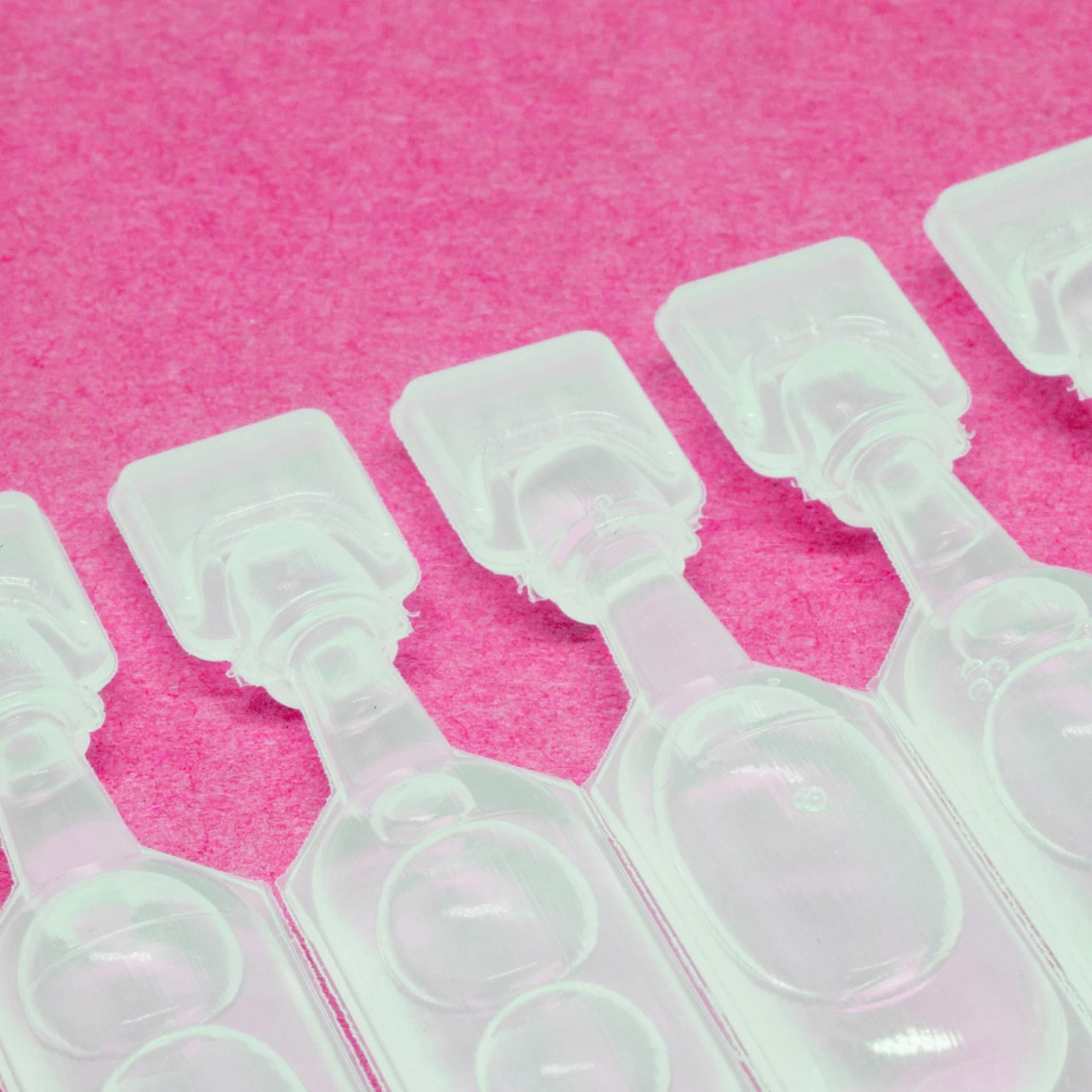
Eye drops fall into two broad categories. Standard multi-dose drops contain preservatives that prevent bacterial growth once the bottle is opened. Preservative-free drops skip those chemicals entirely and rely on single-use vials or specially designed bottles to stay sterile. The question is not which one is universally better, but which one suits how you use drops and how your eyes respond.
Preservatives keep multi-dose eye drop bottles safe to use after they have been opened. Each time you squeeze the bottle, a small amount of air enters. Without a preservative, bacteria could grow inside the solution and cause serious eye infections.
The most commonly used preservative in topical eye drops is benzalkonium chloride, known as BAK. It is an effective antimicrobial agent, but considerable evidence shows it has damaging effects on the ocular surface, particularly with extended use. BAK works as a detergent on the lipid layer of the tear film, which increases tear evaporation and can worsen dry eye symptoms over time
Not all preservatives behave the same way. Some manufacturers use alternative agents like polyquaternium-1 or oxidizing preservatives that break down into harmless components on contact with the eye. The available evidence suggests these alternatives cause significantly less disruption to the ocular surface compared to BAK.
Frequency of use is the main factor. If you use lubricating drops only occasionally, a few times per week, a preserved drop is likely safe. If you are lubricating more than four times a day over a long period, preservative-free drops are the better choice.
Beyond frequency, certain groups benefit more consistently from preservative-free formulas:
Preservative-free formulations are considered necessary for patients with severe dry eye disease and ocular surface damage, or for patients on multiple preserved topical medications for chronic eye conditions.
The clinical picture is mixed. A systematic review and meta-analysis found no statistically significant difference in outcomes between preservative-free and preserved artificial tears. However, subjective symptoms tend to favor preservative-free formulations. In other words, the measurable effect on tear production may be similar, but people generally report feeling better with preservative-free drops.
For people switching from preserved to preservative-free drops, the results are more clear. A multicenter observational study found that after switching to a preservative-free artificial tear, 97% of patients showed improvement in dry eye symptoms, with average symptom scores dropping significantly after just three weeks of daily use.
Preservative-free drops are not without trade-offs. A few things worth knowing before switching:
Single-dose treatments are typically more expensive, while multi-dose bottles cut down on plastic waste. Cost, convenience, and environmental impact are all worth factoring in.
Daily use of preservative-free eye drops is generally considered safe. They do not carry the cumulative risk of surface irritation that preserved drops can cause with frequent use. That said, using drops every day without improvement in symptoms is worth discussing with an eye care professional. Persistent dryness, redness, or irritation may point to an underlying condition that drops alone cannot address.
A few practical questions help narrow it down. How many times a day do you use drops? Do your eyes feel worse after using them? Are you a contact lens wearer? Do you have a history of sensitivity to eye care products?
There is no reason to avoid multi-dose packaging as long as the product uses the latest sterility technology and comes from a reputable manufacturer. If your current drops work and your eyes feel fine, there is no need to switch. If you use drops frequently or notice irritation after application, preservative-free formulas are worth trying. When in doubt, your eye doctor can recommend the right type based on your symptoms, lens use, and overall eye health.
| Type | Best For |
|---|---|
| Preserved drops | Occasional use, a few times per week |
| Preservative-free drops | Frequent use, more than 4 times daily |
| Single-use vials | Sensitive eyes, post-surgery recovery |
| Multi-dose preservative-free bottles | Daily dry eye management, contact lens wearers |
| BAK-free preserved drops | Moderate dry eye, mild sensitivity |
Carracedo G, et al. The Use of Preservatives in Dry Eye Drops. Clinical Ophthalmology. PMC. 2019.
Chiambaretta F, et al. Real-life Results of Switching from Preserved to Preservative-Free Artificial Tears in Patients with Dry Eye Disease. PMC. 2018.
Ribeiro MVMR, et al. Effectiveness of Preservative-Free versus Preserved Lubricants for Dry Eyes: A Systematic Review. Arquivos Brasileiros de Oftalmologia. 2019.
American Academy of Ophthalmology. Choosing the Best Lubricant Eye Drops for Dry Eyes. AAO.org. 2025.
EyeWiki. Preservatives in Topical Ophthalmic Medications. EyeWiki.org. 2024.
Have a question? Call us at
1-800 LENS.COM (536-7266)
Online 24/7
© 1995-2021 Lens.com. All Rights Reserved. Lens.com is a contact lens replacement company, and a direct to consumer marketer of contact lenses.
As a contact lens replacement center, we can only sell you contact lenses that you have a valid prescription for, and are wearing successfully.