Importance of Regular Eye Exams
Regular eye exams are crucial for detecting vision problems early. They help identify common issues such as nearsightedness, farsightedness, and astigmatism. These exams are essential for maintaining clear and comfortable vision by monitoring and correcting any vision issues that arise over time.
More importantly, eye exams can detect serious health problems like diabetes, high blood pressure, and high cholesterol before symptoms appear. By identifying these conditions early, individuals can receive timely treatment, which can prevent long-term vision problems and improve overall health outcomes. Early detection and intervention are key to maintaining both eye health and general well-being.
What to Expect During an Eye Exam
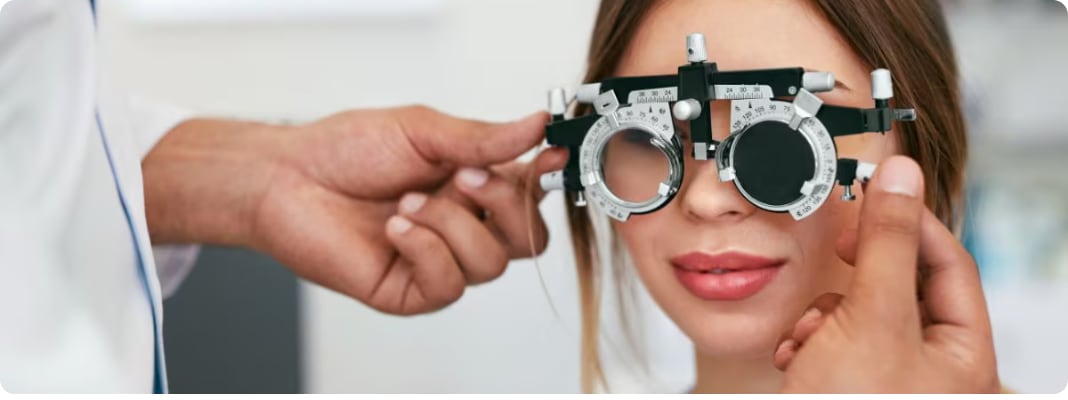
A typical eye exam involves several steps to assess your vision and eye health. First, an optometrist or ophthalmologist will review your medical history and any vision issues you might have. Then, they will perform a series of tests, including:
- Visual Acuity Test – Measures how clearly you can see at various distances.
- Refraction Test – Determines your prescription for glasses or contact lenses.
- Eye Muscle Test – Evaluates the muscles that control eye movement.
- Pupil Response Test – This test checks how your pupils respond to light.
- Slit-Lamp Exam – Examine the structures at the front of your eyes.
- Retinal Examination – Look at the back of your eyes, including the retina, optic disk, and underlying blood vessels.
- Tonometry – Measures the pressure inside your eyes to screen for glaucoma.
These tests help detect conditions such as glaucoma, cataracts, and macular degeneration early, allowing for timely intervention and management.
Common Vision Problems Detected During Eye Exams
Regular eye exams are crucial for identifying common vision problems that can affect your quality of life. Eye exams can detect a variety of vision problems, by diagnosing and addressing these issues early, you can ensure that your vision remains clear and comfortable.
- Nearsightedness (Myopia) – Difficulty seeing distant objects clearly.
- Farsightedness (Hyperopia) – Difficulty seeing close objects clearly.
- Astigmatism – Blurred vision due to an irregularly shaped cornea.
- Presbyopia – Age-related difficulty in seeing close objects, common in people over 40.
Regular eye exams are essential for monitoring and correcting these vision issues, ensuring you maintain clear and comfortable vision.
Eye Exams for Children
Eye Exams for Adults
Online Eye Exams
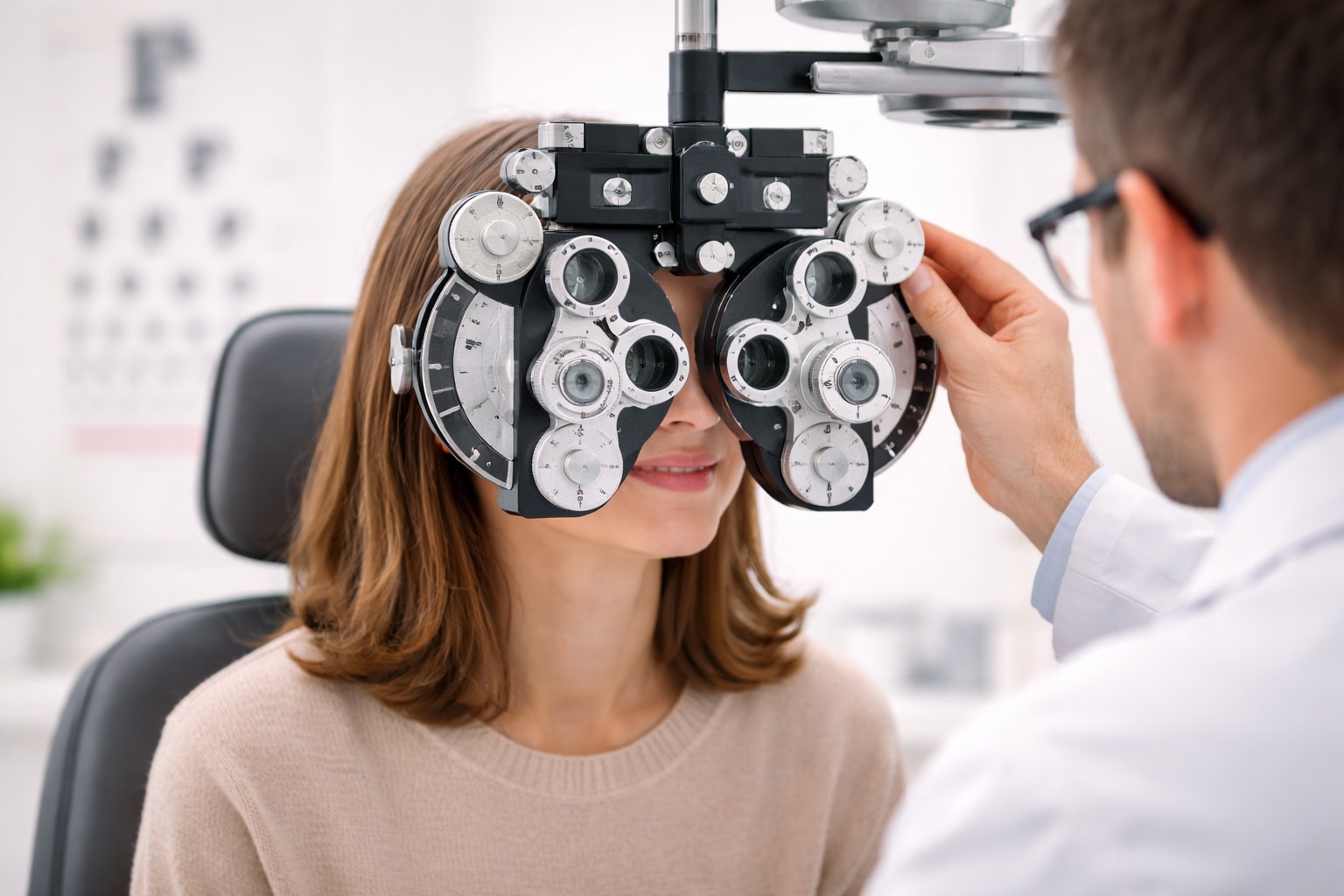
Online eye exams have become increasingly popular due to their convenience and accessibility. These exams typically involve a series of vision tests conducted through your computer or smartphone. They offer several benefits, including:
- Convenience. You can take the exam from the comfort of your home.
- Accessibility. Ideal for those with limited access to eye care professionals.
- Cost-effective. Often less expensive than in-person exams.
However, online eye exams have limitations. They cannot detect certain eye diseases or provide a comprehensive assessment of your eye health. They should complement, not replace, in-person eye exams.
Overcoming Barriers to Regular Eye Exams
Many people skip eye exams due to cost, time constraints, fear, or lack of awareness. Here are some tips to overcome these barriers:
- Check if your health insurance covers eye exams.
- Book your appointments well in advance and set reminders.
- Learn about the importance of eye exams and share this information with others.
- Talk to your eye care provider about any concerns or fears you have.
The Link Between Eye Health and Overall Health
Eye health is closely linked to overall health. Conditions like diabetes and high blood pressure can first manifest in the eyes, allowing for early diagnosis and management. Regular eye exams can reveal changes in blood vessels, retinal health, and optic nerves that indicate broader health issues. By maintaining regular eye check-ups, you are also keeping track of your overall health, leading to better outcomes and preventive care.
Regular eye exams are essential for maintaining eye health and overall well-being. They help detect vision problems early, identify serious health issues, and ensure your eyes stay healthy as you age. Whether you opt for in-person or online exams, don’t skip your eye exam. Schedule your eye exam today to protect your vision and health.
Similar Articles
-

How To Prevent Blurry Vision While Wearing Contact Lenses
-

What Is Blink Stabilized Design in Toric Contact Lenses?
-

What Does the ACUVUE OASYS Patient Instruction Guide Contain? Key Contents, Tips & More
-

Buyer’s Guide to Colored Contact Lenses: Pros & Cons, Costs, Most Popular Colored Contacts
-

Proclear Toric vs. Biofinity Toric: A Guide to 2 Popular Toric Contact Lenses (2025 Update)