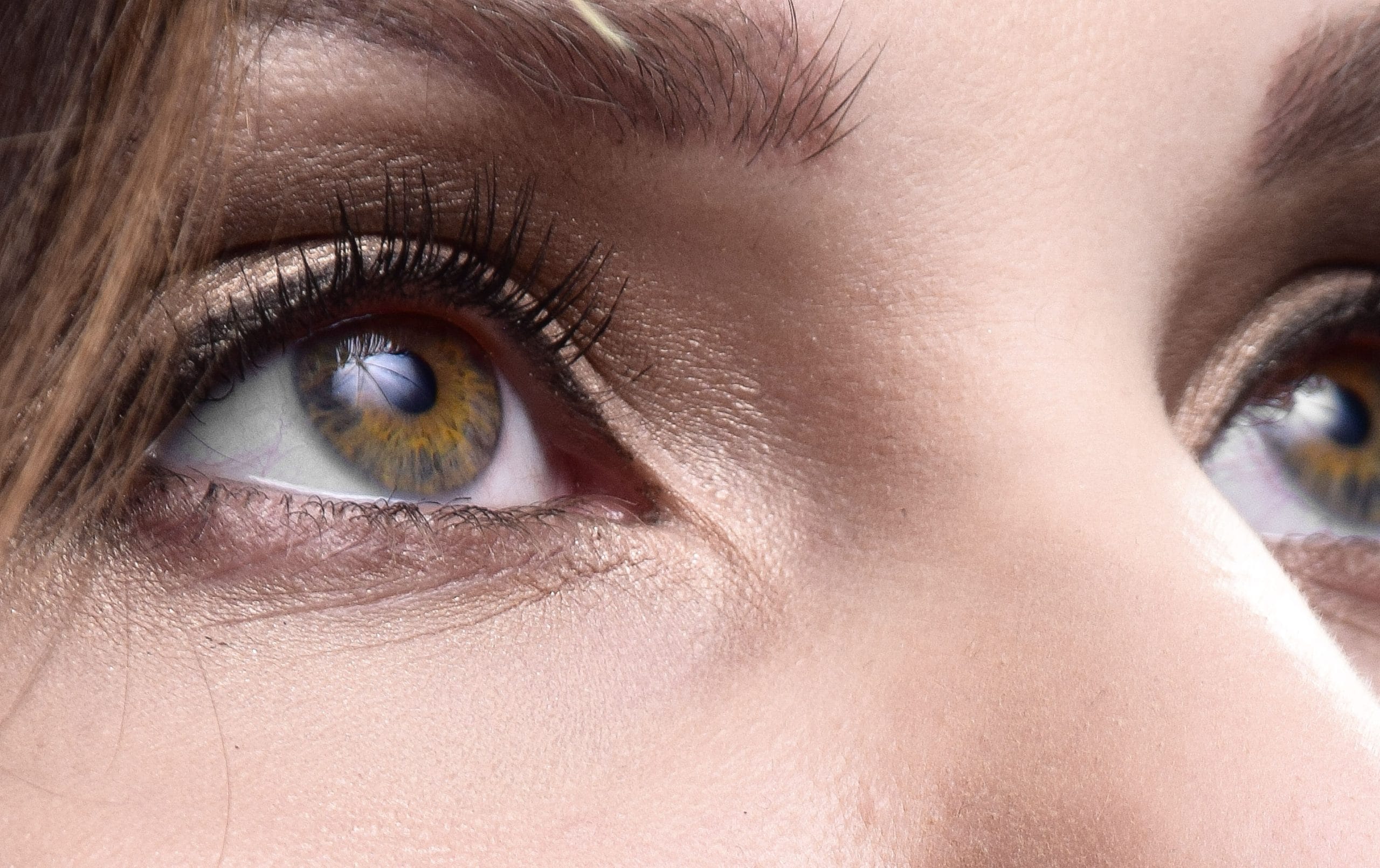

For contact lens wearers, the thought of losing a lens in the eye can be a common concern. It might sound like something that only happens to others, but it’s more frequent than one might think. Whether it’s caused by a sudden gust of wind, an unexpected sneeze, or a minor mishap during lens insertion or removal, lenses can occasionally end up in the wrong place—right in the eye.
So, what steps should someone take if they find themselves in this situation? This article explores the actions to follow if a contact lens gets stuck in the eye, ensuring a safe and comfortable resolution.
1. Stay Calm and Assess the Situation
First and foremost, it’s important to stay calm. It’s natural to panic when something unexpected happens, but panicking can often make the situation worse. Rubbing the eyes vigorously or blinking excessively should be avoided, as this can cause the lens to move around or become more deeply embedded.
Instead, taking a deep breath and sitting down, if possible, can help. Closing the eyes gently, allowing them to relax, and trying to remain as still as possible can make a big difference.
2. Wash Your Hands Thoroughly
Before making any attempt to touch the eye, it is essential to wash hands thoroughly with soap and water. Proper hand hygiene plays an important role in preventing dirt, bacteria, or other contaminants from entering the eye, which could lead to irritation or even infection. Using warm water and a generous amount of soap, one should scrub their hands for at least 20 seconds, making sure to clean between the fingers and under the nails.
Once the hands are clean, they should be dried with a clean, lint-free towel or a paper towel. This step is important to avoid introducing any fibers or particles that could further irritate the eye. Ensuring that the hands are completely dry will also provide better control when attempting to retrieve the lens. Taking the time to properly clean and dry hands can make a significant difference in the safety and success of handling the situation.
3. Retrieve the Lost Contact Lens
With clean hands, the next step is to attempt retrieving the lost contact lens. It’s best to find a well-lit area with a mirror, such as a bathroom near the sink.
Start by looking in the mirror to see if the lens is visible on the white part (sclera) of the eye. If the lens is visible, gently use a fingertip to move it toward the center of the eye.
If the lens isn’t visible, gently lift the upper eyelid while looking down, and lower the lower eyelid while looking up. This maneuver may help the lens move to a more accessible position.
It’s important to be extremely gentle during this process. The cornea, the clear front surface of the eye, is delicate, so avoid using sharp objects or applying excessive force.
4. Rinse and Inspect the Contact Lens
Once the lost contact lens is safely back in hand, give it a good rinse with a sterile saline solution. Steer clear of using tap water—it might seem convenient, but it can have impurities that could irritate or even infect the eye.
As you’re rinsing, take a close look at the lens. Check for any signs of damage, like tears or cracks, and watch out for any tiny particles that might have stuck to it. If the lens looks damaged or has any debris on it, it’s best to skip putting it back in your eye. A damaged lens can lead to discomfort or other complications that are just not worth the risk.
5. Reinsert the Contact Lens
If the lens looks intact and clean, it’s time to try putting it back in your eye. Here’s a simple way to do it:
- Start by placing the lens on the tip of your index finger and make sure it’s right-side up. It should form a gentle “U” shape—if it’s inside-out, it won’t feel comfortable at all.
- Use your other hand to gently hold your upper eyelid to prevent blinking.
- A mirror will be your best friend here; use it to help guide the lens toward your eye.
- Carefully place the lens directly on your cornea. Try to avoid blinking or squinting too much while you do this.
- Once the lens is on, slowly release your eyelids and let the lens settle into place.
- Blink a few times to help the lens settle in comfortably.
- If your eye feels a bit dry after reinserting the lens, consider using some lubricating eye drops for extra comfort.

6. Monitor for Discomfort or Irritation
It’s completely normal to feel a little discomfort or irritation right after putting the lens back in, but don’t worry—this usually goes away within a few minutes as your eye adjusts. However, if the discomfort sticks around, or if you notice redness, excessive tearing, or blurred vision, it’s important to take the lens out and get in touch with an eye care professional. These symptoms could be signs of something more serious, like a scratched cornea, and it’s better to be safe than sorry.
7. Preventative Measures and Tips
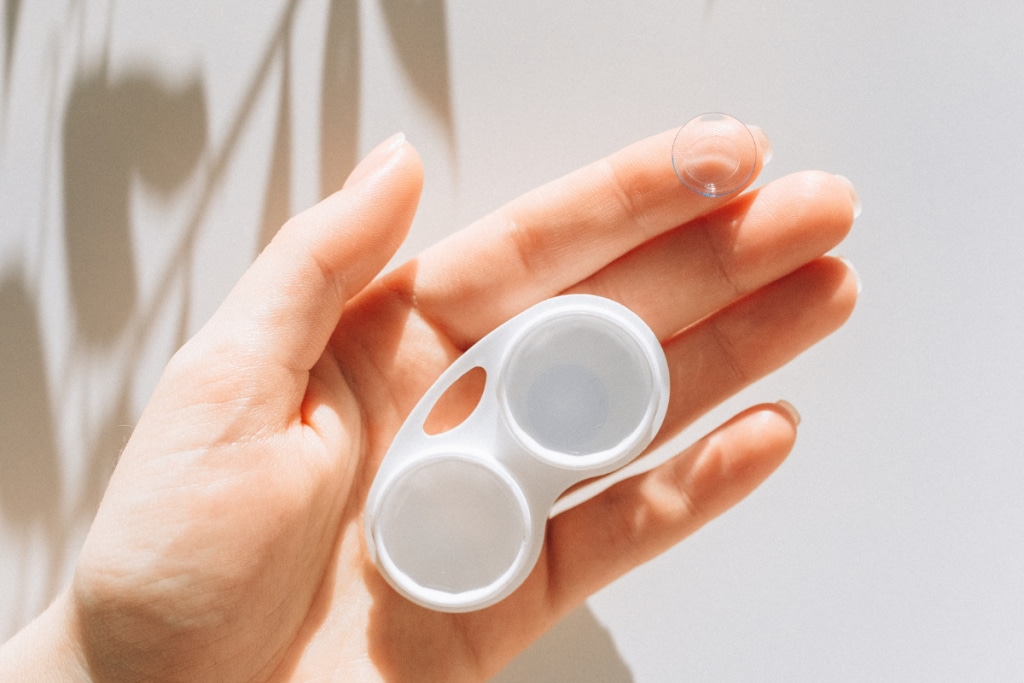
To help avoid the hassle of losing a contact lens in your eye again, here are some simple tips to keep in mind:
- Always handle your lenses over a clean, dry surface. It’s best to avoid places like the bathroom sink, where a lens can easily slip away.
- Keep your fingernails short and smooth. This helps reduce the risk of accidentally scratching your lenses—or worse, your eyes.
- Stick to a consistent routine when inserting and removing your lenses. A little bit of habit goes a long way in preventing mishaps.
- Think about trying daily disposable contact lenses. They save you the trouble of cleaning and also lower the chances of losing a lens.
- Make sure to schedule regular eye exams with your eye care professional. This ensures your lenses fit properly and your prescription is always up to date.
Bonus Tip: Consider Different Brands of Contact Lenses
When it comes to contact lenses, there’s no such thing as a one-size-fits-all solution. Different brands offer a wide range of options to fit your unique needs and preferences. While it’s important to follow your eye care professional’s advice, it can be helpful to explore different brands and types of lenses to find what works best for you.
Some brands specialize in lenses designed for extended wear, while others are all about daily disposables. You’ll also find differences in materials, how well they retain moisture, and even special coatings for added comfort or UV protection. Your eye care professional is the best person to help you choose the right brand and type based on your eye health, lifestyle, and vision needs.
Before making any switches, though, be sure to consult with your eye care provider. They’ll assess your specific requirements and guide you toward the most suitable lenses for your eyes. At the end of the day, comfort and eye health should always be at the top of your list when picking out contact lenses.
Summary
Losing a contact lens in your eye can definitely be a bit unsettling, but knowing how to handle the situation calmly and effectively can really make a difference. Just remember to stay calm, wash your hands thoroughly, gently retrieve the lens, give it a good rinse and inspection, and reinsert it with care.
Keep an eye out for any discomfort, and if something doesn’t feel right, don’t hesitate to reach out to a professional. By following these steps and taking a few preventative measures, you can make sure that an accidental lens loss doesn’t turn into a bigger problem.
Similar Articles
-

Tips for Contact Lens Wearers: 5 Bad Habits You Need To Break
-

Can I wear contact lenses with Blepharitis?
-

Can You Use Hard Contact Lens Solution for Soft Lenses?
-

6 Iconic Halloween Characters You Can’t Pull Off Without the Right Contact Lenses
-

Can You Sleep in Monthly Contacts? A Buyer’s Guide to 30 Day Contact Lenses