
Living with low vision can be challenging, affecting everyday activities like reading, driving, or even recognizing a friend’s face in a crowd. While it’s not the same as total blindness, low vision can still make life more difficult and sometimes frustrating. In this article, we’ll break down what low vision is, talk about its causes and symptoms, and share some practical tips and strategies that can make managing it a little easier. Whether you’re dealing with low vision yourself or supporting someone who is, we hope to offer some helpful insights.
What is Low Vision?
Low vision is a type of visual impairment that can’t be fully corrected with regular glasses, contacts, medication, or surgery. It’s not the same as being completely blind—people with low vision still have some sight, but it often isn’t enough for everyday activities without some help. For some, this might mean things look blurry or out of focus; others might have trouble seeing in certain parts of their field of vision or struggle to distinguish colors.
Simple tasks like reading text that appears blurry or trying to recognize someone’s face can become real challenges. Low vision isn’t tied to just one eye condition; it can be caused by a variety of factors, including age-related issues like macular degeneration, eye diseases like glaucoma or diabetic retinopathy, cataracts, or even genetic conditions. While it’s more common in older adults, low vision can affect people of any age. The good news is that, with the right support and tools, individuals with low vision can still live fulfilling and meaningful lives.
Causes of Low Vision
Low vision can be attributed to various eye conditions and diseases. Some of the most common causes include:
| Age-Related Macular Degeneration (AMD) | This is a progressive eye disease that affects the macula, the part of the retina responsible for sharp and detailed vision. As AMD progresses, central vision starts to deteriorate, making it harder to do things like read or recognize faces. |
| Glaucoma | This condition is caused by high pressure inside the eye that damages the optic nerve over time. It often starts with a loss of peripheral (side) vision, and if it worsens, it can lead to tunnel vision, drastically narrowing the visual field. |
| Diabetic Retinopathy | Diabetes can cause damage to the blood vessels in the retina, leading to vision loss and even blindness if not treated. People with this condition might experience symptoms like floaters, blurry vision, and trouble seeing colors clearly. |
| Cataracts | This happens when the eye’s natural lens becomes cloudy, leading to blurred vision, less contrast sensitivity, and increased sensitivity to light and glare. |
| Inherited Conditions | Some people are born with genetic conditions like retinitis pigmentosa or albinism, which can lead to low vision. |
| Eye Injuries | Traumatic injuries to the eye can also result in low vision, depending on the extent and location of the damage. |

Symptoms of Low Vision
The symptoms of low vision can vary depending on the underlying cause and its severity. Common symptoms include:
- Blurred or distorted vision
- Reduced visual acuity
- Difficulty reading or recognizing faces
- Loss of peripheral vision
- Increased sensitivity to light and glare
- Impaired color vision
- Seeing floaters or dark spots
- Diagnosis and Assessment
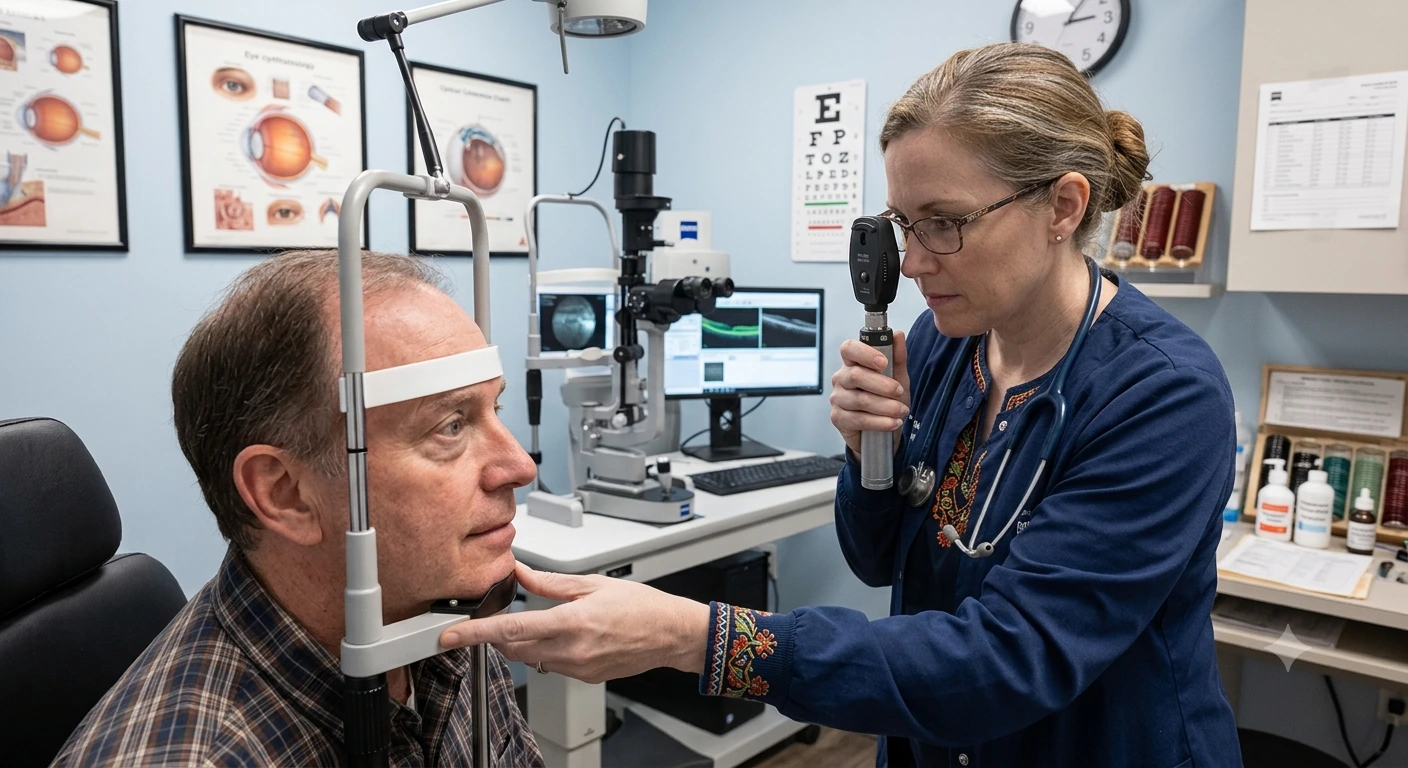
Catching low vision early is significant. Eye care professionals can perform comprehensive eye exams and visual acuity tests to gauge the level of vision impairment. Specialists in low vision are essential for assessing how the condition affects daily life and can recommend helpful tools and strategies to manage and improve visual function.
Coping Strategies and Solutions
Living with low vision requires adaptive strategies and assistive devices to enhance daily life. Here are some coping strategies and solutions:
There are various tools and techniques that can make daily life easier for those with low vision. Using handheld or electronic magnifiers can be helpful for reading, writing, and other close-up tasks. Screen readers and text-to-speech software are also valuable, as they convert written text into spoken words, making it possible to access digital content like websites, emails, and documents. Proper lighting is important too, adjustable task lighting and techniques to reduce glare can significantly enhance visibility.
Reading materials with larger fonts or high-contrast text can also make a big difference. Learning orientation and mobility skills can help individuals navigate safely, especially in unfamiliar settings. Plus, assistive technology such as smartphones, tablets, and computers now come equipped with accessibility features like voice commands, screen magnification, and speech output, making everyday tasks more manageable.
Summary
Low vision can change the way you experience the world, but it doesn’t have to mean losing your independence or quality of life. By understanding what causes low vision, recognizing the signs, and finding ways to cope, people with low vision can still live full and rewarding lives. Getting an early diagnosis and accessing the right resources and support can make a big difference in making the most of your vision and exploring new possibilities.
If you or someone you know is dealing with symptoms of low vision, don’t hesitate to reach out for professional help and connect with support networks. Your vision is precious, and with the right guidance and tools, you can continue to thrive and enjoy life, even with the challenges that low vision may bring.