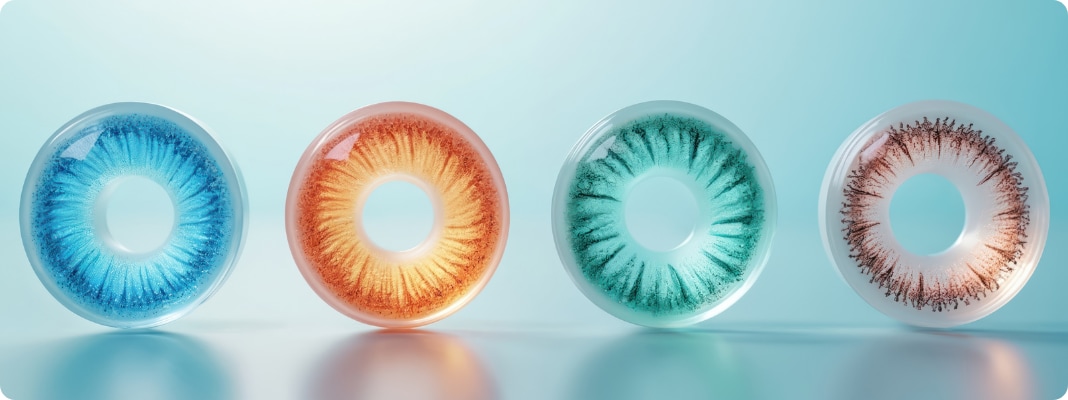
Contact lenses deliver excellent vision correction and comfort for millions of users. Maintaining these lenses requires a clean environment to make sure your eyes stay healthy. While many people focus on the lenses themselves, the storage case is a noteworthy factor in preventing infections. Bacteria can grow inside a dirty case and transfer to your eyes during the next use. Establishing a regular maintenance cycle for your case helps prevent damage and avoids the risk of contamination.
Storing lenses in a sanitized environment is a fundamental requirement for eye safety. Lenses that sit in an old or dirty solution become a haven for harmful bacteria. If you use contaminated lenses, you risk developing serious infections that might lead to vision loss if left untreated. To prevent these issues, you should clean your case every time you remove your lenses. Note, using fresh solution for every storage cycle is a mandatory step for health.
Following a consistent routine makes it simple to maintain a sterile storage environment. You should follow these steps every morning after you insert your lenses.
Note, you should never use tap water to rinse your case. Tap water contains microorganisms that can cause severe eye infections. Only use sterile contact lens solution for every part of the cleaning process.
The following table summarizes the best habits for managing your vision care accessories.
| Maintenance Task | Best Professional Practice |
|---|---|
| Solution Management | Discard old liquid and use fresh solution daily. |
| Drying Technique | Air-dry the case upside down on a clean tissue. |
| Biofilm Prevention | Rub interior surfaces with a clean, dry finger. |
| Liquid Safety | Keep all tap water away from the storage case. |
| Replacement Timing | Switch to a brand-new case every ninety days. |
Most cases are not designed for long term use. The American Optometric Association suggests that you should switch to a new case at least every three months. Bacteria can create a thin layer called a biofilm that resists standard cleaning over time. Replacing the case frequently is a significant habit that protects your ocular health. Most bottles of multipurpose solution come with a new case to help you stay on this schedule.
Besides daily cleaning, you can take extra steps to verify a safe experience. Keep your lens case away from humid environments like the bathroom sink where aerosols from the toilet can settle on the surface. Storing your case in a dry area helps it air dry completely between uses. If you notice any cracks or visible dirt that does not wash away, you should discard the case immediately. High quality vision care starts with a commitment to cleanliness in every part of your routine.
Traveling with your vision care supplies requires extra attention to hygiene. You should always carry a travel size bottle of sterile solution to verify you can clean your case while on the move. Never use public tap water or non-sterile liquids to rinse your case in hotels or airports. If you are flying, keep your lens case in a sealed and clean plastic bag to protect it from leaks or environmental contaminants. Using a fresh case for every trip is a noteworthy way to manage your ocular health while away from your home routine.
American Optometric Association. Contact Lens Care (aoa.org/healthy-eyes/vision-and-vision-correction/contact-lens-care). 2025.
Centers for Disease Control and Prevention. Protect Your Eyes (cdc.gov/contactlenses/protect-your-eyes.html). 2024.
U.S. Food and Drug Administration. Contact Lens Care (fda.gov/medical-devices/contact-lenses/contact-lens-care). 2023.
American Academy of Ophthalmology. Contact Lens Case Habits (aao.org/eye-health/tips-prevention/contact-lens-case-habits). 2024.
Mayo Clinic. Contact Lens Safety (mayoclinic.org/healthy-lifestyle/adult-health/in-depth/contact-lenses/art-20046293). 2025.
Have a question? Call us at
1-800 LENS.COM (536-7266)
Online 24/7
© 1995-2021 Lens.com. All Rights Reserved. Lens.com is a contact lens replacement company, and a direct to consumer marketer of contact lenses.
As a contact lens replacement center, we can only sell you contact lenses that you have a valid prescription for, and are wearing successfully.