

Updated October 19, 2024 – Does wearing contact lenses cause glare? Glare happens when too much light enters your eyes, making it harder to see clearly or causing discomfort. Scientifically, glare is defined as “a loss of visual performance or discomfort caused by bright light.” It can be distracting and even dangerous in certain situations.
Distracting Glare. This type of glare often occurs when driving at night. It causes halos or starburst effects around bright lights, such as streetlights or headlights, making it difficult to focus on the road. People who experience this might feel a temporary loss of clarity, which can increase the risk of accidents.
Discomforting Glare. Have you ever found yourself squinting in bright sunlight, even with sunglasses on? That is a discomforting glare. It occurs when there’s too much bright light in your environment, and your eyes struggle to adjust. This glare doesn’t necessarily impair your vision but causes enough discomfort to make you squint or shield your eyes.
Disabling glare. As the name suggests, disabling glare significantly reduces your ability to see clearly. It usually affects older adults and is often associated with cataract formation. The light scatters in the eye, making it difficult to focus, especially in well-lit environments.
Blinding glare. This type of glare happens when light reflects off smooth, shiny surfaces like water, snow, or sand, temporarily blocking your vision. For example, when you’re driving on a sunny day and sunlight bounces off the surface of a wet road or a snow-covered field, it can create a sharp, blinding glare.
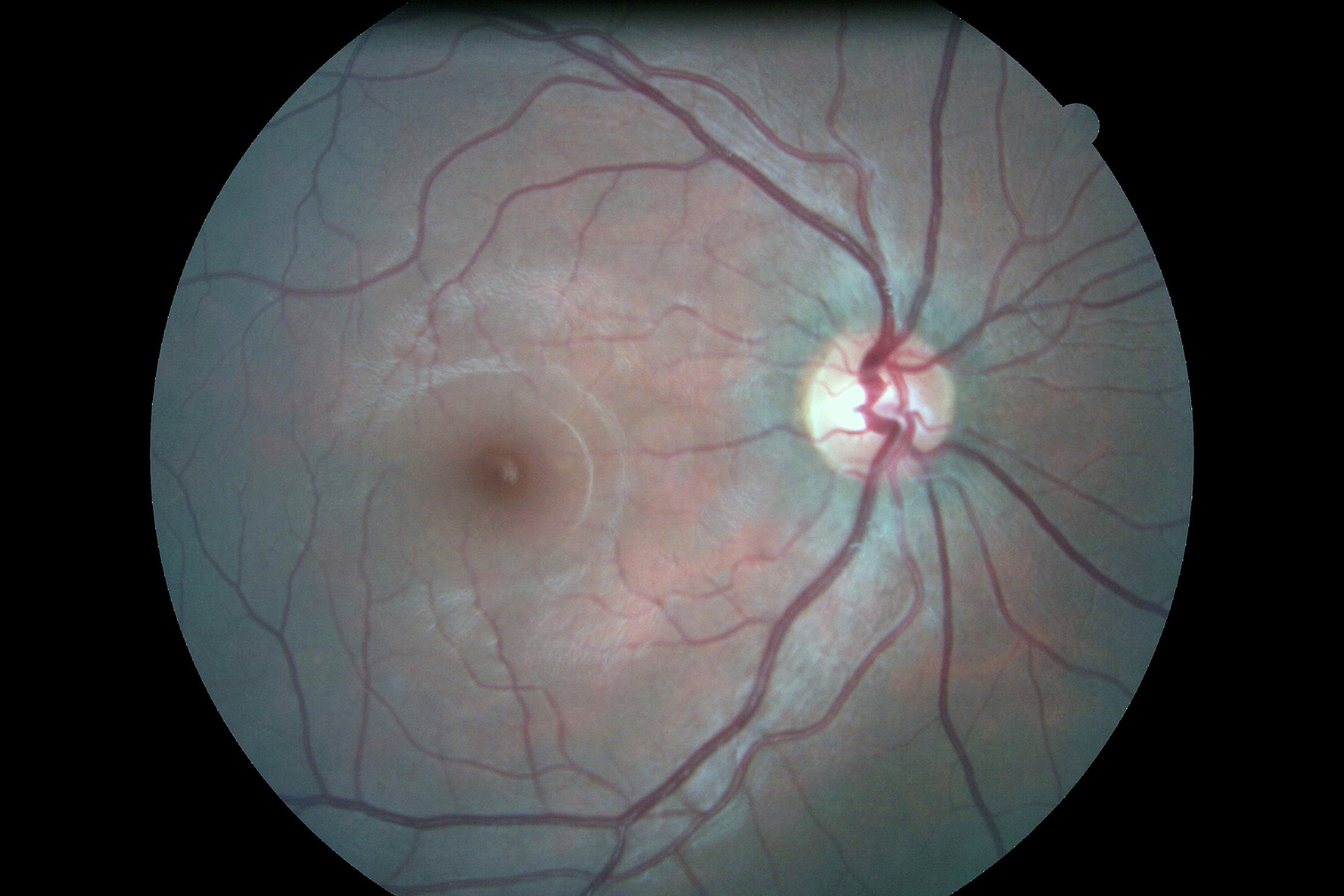
Glare typically occurs in bright environments but can also indicate deeper issues like cataracts or macular degeneration. It can be caused by external factors, such as driving into the sunset or looking at snow on a sunny day. Other sources of temporary glare include camera flashes or laser pointers, which can cause a temporary condition called flash blindness.
In most cases, glare fades on its own, but persistent glare should be checked by an eye care professional to rule out any underlying conditions.
Yes, glare can be managed or even avoided depending on the cause. For mild cases, try these solutions:
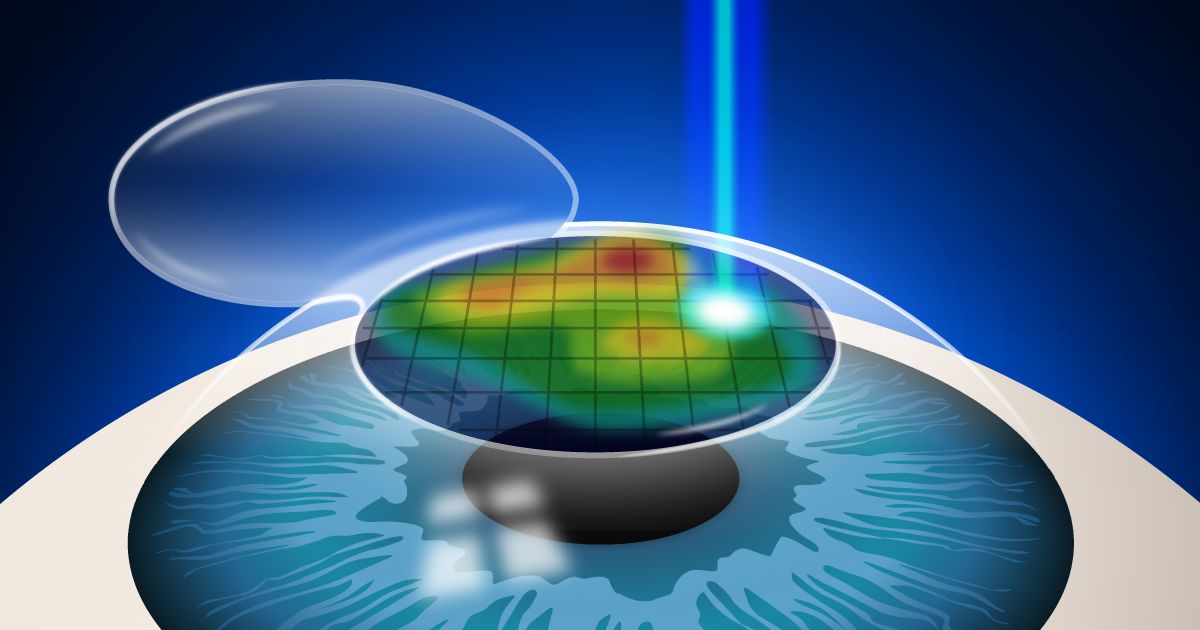
For more serious cases, consult an eye doctor. They may recommend lenses specifically designed to reduce glare or, in some cases, cataract surgery for older adults.
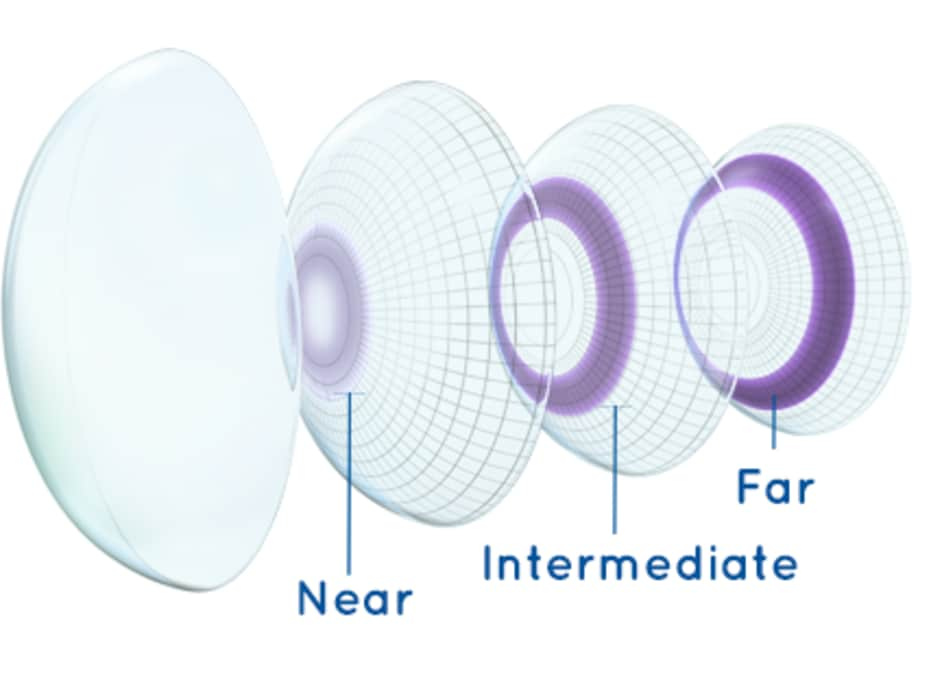
Some contact lens users report experiencing glare or halos around lights at night, especially when driving. This is often due to the pupil dilating more than the optical area of your lenses can handle, leading to something called spherical aberration, which causes glare.
While glasses with anti-reflective coatings can reduce glare, contact lenses may not offer the same protection. Seeing rainbows around lights could be a sign of a more serious issue, like corneal edema (swelling of the cornea). This may indicate that your lenses have been worn too long and need to be removed.
Wearing contact lenses properly and following your prescribed lens care routine should not cause glare. But if you notice glare or halos after putting in your lenses, it’s important to consult with an eye care professional. For those who need specialized lenses, you can order Avaira Vitality Toric directly from Lens.com to correct astigmatism comfortably.
You might also want to check for signs of astigmatism, as toric lenses are designed to address this condition. To save while caring for your eyes, don’t miss the Biofinity Toric rebate, which helps make high-quality lenses more affordable. To prevent any issues, make sure to clean your lenses properly and avoid wearing them longer than recommended.
Glare can often be managed with the right approach, whether adjusting your environment or upgrading your eyewear. If you’re still experiencing glare while wearing contact lenses, it’s best to consult your eye doctor to make sure your prescription and lenses are working for you. Explore Lens.com for a wide selection of anti-glare solutions and contact lenses that prioritize your comfort.
Have a question? Call us at
1-800 LENS.COM (536-7266)
Online 24/7
© 1995-2021 Lens.com. All Rights Reserved. Lens.com is a contact lens replacement company, and a direct to consumer marketer of contact lenses.
As a contact lens replacement center, we can only sell you contact lenses that you have a valid prescription for, and are wearing successfully.