
Contacts Price Comparison
Contact lens prices can vary widely between brands, replacement schedules, box sizes, and retailers. A proper contact price comparison helps you look beyond the advertised box price and understand what you'll spend over several months or an entire year. It also makes it easier to compare and buy contact lenses online using the same prescription, quantity, and supply length.
Price comparisons can reveal extra costs such as shipping, fitting fees, cleaning supplies, and replacement lenses. Rebates, insurance benefits, and annual-supply discounts can also change the final amount you pay. Reviewing the full cost of our contact lenses online helps you find better value without choosing a different lens than the one prescribed for your eyes.
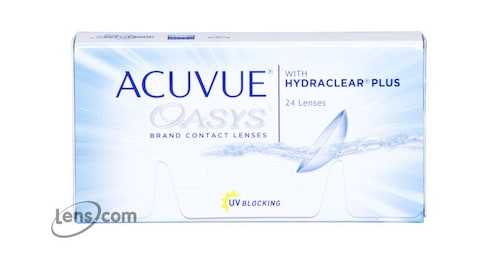
to
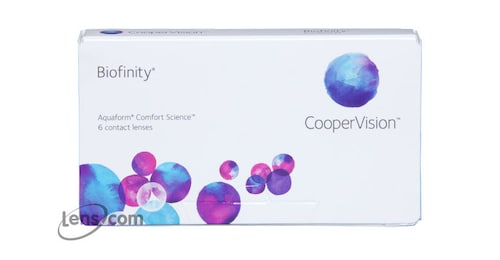
to
to
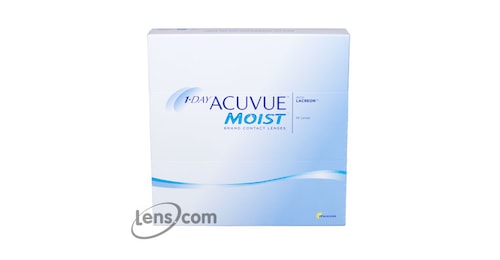
to
to
to
to
to
to
to
to
to
to
to
to
to
to
to
to
to
to
to
to
to
to
to
to
to
to
to
to
to
to
to
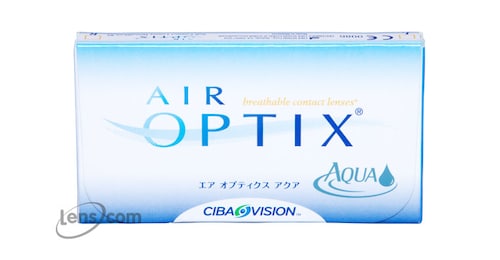
to
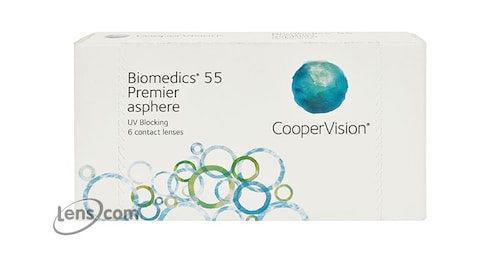
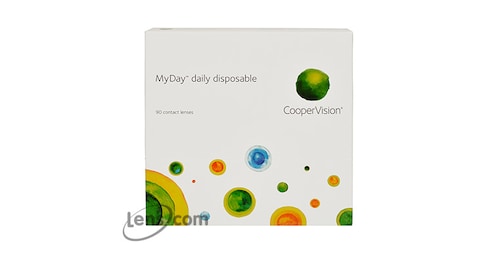
to
How to Compare Contact Lens Prices Accurately
Start by comparing the exact same contact lens brand, prescription type, and box quantity. Check how many contact lenses are included in each box and how often they need to be replaced, since a lower box price can still lead to a higher annual cost. Wearers with different prescriptions in each eye should also calculate the number of boxes needed for both eyes rather than relying on a single-box estimate.
Include shipping fees, taxes, rebates, insurance benefits, and any annual-supply discounts in the final total. If there are promotional prices, make sure you can meet the conditions so you can take advantage of those discounts. Comparing the complete cost for the same supply period gives you a much clearer picture of which option provides better value rather than just the box price.
Factors That Affect Contact Lens Prices
Contact lens prices depend on more than the brand name printed on the box. The prescription, lens design, replacement schedule, and number of lenses included all influence the final cost.
- Lens brand - Prices vary between manufacturers based on the materials, technology, and product line used.
- Replacement schedule - Daily disposable contact lenses often cost more per year than biweekly or monthly contacts, though they don't require cleaning solution or storage cases.
- Prescription type - Standard spherical lenses are typically less expensive than toric, multifocal, or specialty contacts because their designs are simpler.
- Astigmatism correction - Toric contact lenses for astigmatism require cylinder and axis parameters, along with features that help keep the lens stable on the eye. These added design requirements can increase the price.
- Multifocal correction - Contacts for presbyopia use multiple optical zones to support near, intermediate, and distance vision. This feature makes them more expensive than standard lenses.
- Lens material - Hydrogel, silicone hydrogel, and rigid gas-permeable materials have different manufacturing costs and performance features.
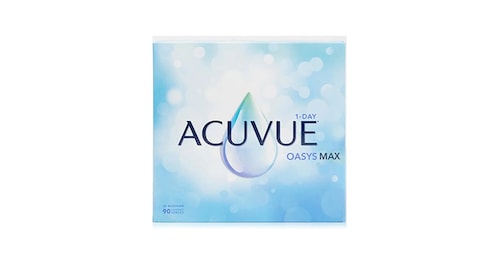
- Box quantity - A box containing 90 daily lenses will cost more upfront than a 30-count box, but the price per lens may be lower.
- Prescription differences between the eyes - Wearers with separate prescriptions for each eye usually need to purchase at least two boxes.
- Custom or extended parameters - High powers, uncommon base curves, larger diameters, and made-to-order designs can cost more than stock lenses.
- Retailer pricing - Online stores, eye care practices, optical shops, and warehouse clubs may list different prices for the same product.
- Manufacturer rebates - Qualifying annual-supply purchases may include mail-in or digital rebates that reduce the final cost after the claim is approved.
- Shipping and handling fees - A low advertised price can become less competitive once delivery charges or service fees are added.
- Insurance benefits - Vision insurance may cover part of the lens purchase, fitting fee, or eye exam, depending on the plan.
- Promotions and subscription discounts - Automatic refills, bulk purchases, or limited-time sales can reduce the price, but shoppers should review the conditions before ordering.
Daily vs. Biweekly vs. Monthly Contact Lens Costs
Daily disposable contacts usually have the highest annual lens cost because every day, you use a fresh pair. The total price depends on the number of lenses per box and whether each eye has a different prescription. Although the upfront expense can be higher, daily lenses don't require cleaning solution or storage cases, which removes some maintenance costs.
Reusable lenses are replaced less often, so fewer lenses are needed throughout the year. This can make their annual lens cost lower, but reusable contacts require cleaning solution, proper storage, and consistent care.
Monthly contact lenses often have the lowest cost per day, while biweekly contacts sit between daily and monthly options. The most accurate comparison should include the full yearly supply, care products, and any rebates or retailer discounts.
How Prices Vary by Contact Lens Type
The complexity of the prescription, lens design, types of contact lens, and manufacturing process reflect the product's price. Standard lenses tend to cost less, while specialty contacts with advanced optics or custom measurements carry a higher price.
Spherical contact lenses
These lenses correct nearsightedness or farsightedness and are the most affordable option because of their simpler design and wide availability.
Toric contact lenses
Contacts for astigmatism cost more than spherical lenses. They include cylinder and axis correction, along with a design that helps the lens stay properly aligned on the eye.
Multifocal contact lenses
The best multifocal contact lenses support vision at several distances for people with presbyopia. Their more complex optical zones often make them more expensive than standard contacts.
Colored contact lenses
Prices vary based on the brand, replacement schedule, prescription availability, and color technology. The best prescription colored contacts cost more than clear spherical lenses.
Rigid gas-permeable lenses
RGP contact lenses have a higher upfront price, but each pair can last longer than disposable soft contacts when properly maintained. Fitting and replacement costs should also be included in the comparison.
Hybrid contact lenses
These lenses combine a rigid center with a soft outer skirt. Their specialized construction and fitting process often result in a higher cost than standard soft lenses.
Scleral contact lenses
Scleral contact lenses are individually fitted to cover the cornea and rest on the sclera. Their custom design, detailed measurements, and follow-up visits can make them one of the more expensive contact lens options.
Custom soft contact lenses
Made-to-order lenses may include uncommon powers, diameters, base curves, or optical designs. The additional manufacturing work generally raises the price.
Orthokeratology lenses
Ortho-k lenses are custom rigid lenses worn overnight to temporarily reshape the cornea. Their price often includes specialized fitting, diagnostic testing, and ongoing monitoring.
Prosthetic contact lenses
Custom-tinted lenses can mask scars, recreate the appearance of an iris, or control light entering the eye. The level of customization makes them more expensive than standard cosmetic contacts.
Box Price vs. Annual Contact Lens Cost
The price printed on a contact lens box doesn't show how much you'll spend over a full year. A 30-count box of daily disposables may look less expensive than a six-pack of monthly lenses. But the daily option needs to be reordered much more often. Box quantity, replacement schedule, and the number of lenses required for each eye all affect the annual total.
To calculate the yearly cost,
- determine how many boxes are needed for a 12-month supply
- multiply that number by the final price per box
- Include cleaning solution for reusable lenses, along with shipping fees, taxes, and any service charges.
- Deduct rebates, insurance benefits, and bulk-order discounts from the cost.
Comparing the complete annual cost makes it easier to see which purchasing option provides better long-term value.
Additional Contact Lens Costs to Include
A more accurate comparison should include the supporting products, professional services, and order-related fees required throughout the year.
- Comprehensive eye exam
A routine eye exam checks your vision and overall eye health. This fee is separate from the cost of the contact lenses. - Contact lens fitting
The fitting covers measurements, trial contact lenses, vision checks, and an evaluation of how the lenses sit on your eyes. Specialty or custom fittings often cost more than standard soft-lens fittings. - Follow-up visits
Some fitting fees include one or more follow-up appointments, while others charge separately. Confirm what is covered before comparing providers. - Cleaning and disinfecting solutions
Biweekly, monthly, rigid gas-permeable, and other reusable lenses require approved care products. These recurring purchases can add a noticeable amount to the annual total. - Lens cases
Reusable contacts need a clean storage case that should be replaced regularly. The individual cost is low, but it still belongs in a complete yearly estimate. - Preservative-free saline
Scleral lens wearers need sterile, preservative-free saline to fill their lenses before insertion. This is separate from the cleaning and disinfecting solution. - Insertion and removal tools
Some people use plungers, applicators, mirrors, or other accessories to handle specialty lenses. These tools may need occasional replacement. - Taxes and processing fees
Sales tax, handling charges, or service fees may appear only during checkout. Use the final order total when comparing retailers. - Replacement lenses
Lost, torn, contaminated, or damaged lenses may need to be replaced before the next scheduled refill. Custom lenses can take longer and cost more to remake. - Travel supplies
Smaller solution bottles, backup cases, and spare lenses can add to the cost for frequent travelers. - Expedited delivery
Faster shipping may be needed when supplies run low or a lens is lost. Planning refills early can help avoid this extra charge. - Glasses as a backup
Contact lens wearers should keep a current pair of eyeglasses available for days when lenses can't be worn. Updating that backup prescription and frame adds to overall vision-care spending.
Online vs. In-Store Contact Lens Prices
Online retailers often list lower contact lens prices because they can carry larger inventories and run frequent promotions. Shoppers can also compare several sellers quickly, apply discount codes, and order a longer supply at once. The final price can change after shipping fees, handling charges, taxes, or rebate requirements are added.
In-store purchases may cost more per box, but they can include extra services that online pricing doesn't offer or reflect. An eye care practice might provide fitting support, trial lenses, prescription adjustments, or help with manufacturer rebates. Local optical stores can also be convenient when you need to purchase your lenses immediately. Compare the same product and supply length, then consider added fees, available benefits, delivery time, and customer support before deciding where to buy.
Tips to Lower the Cost of Contact Lenses
Contact lens expenses can add up quickly. A few careful shopping and refill habits can reduce the total without changing the lens prescribed by your eye care professional.
Compare the full total price of the order.
Check the box price, shipping, taxes, handling fees, and required quantities before choosing a retailer.
If practical, buy a longer supply.
Six-month or annual orders sometimes qualify for lower per-box pricing, free shipping, or added discounts.
Use manufacturer rebates.
Many brands provide rebates on qualifying purchases, particularly annual supplies. Review the deadline and required documents before ordering.
Apply vision insurance benefits.
Contact lens allowances can reduce the purchase price, fitting fee, or eye exam cost, depending on the plan.
Look for retailer promotions.
Discount codes, seasonal sales, and first-order savings can lower the final cost. Make sure the promotion applies to your exact lens and quantity.
Choose larger box sizes when they cost less per lens.
A 90-count box of daily contacts may provide better value than several 30-count boxes, though the upfront price will be higher.
Use subscription or automatic-refill discounts.
Some retailers reduce the price for scheduled deliveries. Review the cancellation terms and refill frequency before enrolling.
Meet free-shipping thresholds.
Combining boxes into one order can remove delivery charges. Be careful when buying extra products you don't need as these can cancel out your savings.
Order before your supply runs low.
Planning ahead helps you avoid expedited shipping and last-minute purchases at a higher price.
Follow the prescribed replacement schedule. Replacing lenses too early increases annual costs, while wearing them longer than directed can raise the risk of eye problems.
Take care of reusable lenses correctly.
Proper cleaning, storage, and handling can reduce torn, contaminated, or damaged lenses that need early replacement.
Keep rebate and insurance records organized.
Save receipts, product labels, prescription details, and claim confirmations so you don't miss available reimbursements.
Why the Cheapest Contact Lenses Aren't Always the Best Value
A low box price can look appealing, but it doesn't always reflect the full cost or quality of the purchase. Shipping fees, handling charges, short expiration dates, limited return policies, and rebate restrictions can make a seemingly cheaper listing suddenly cost more than expected once everything is added.
Some discounts or rebates apply only to large orders or subscription plans, so reviewing the terms helps prevent surprises at checkout.
Value also depends on receiving the exact brand and prescription approved by your eye care professional from a legitimate retailer. Switching to a different lens based only on price can affect fit, vision, and wearing comfort, even when the prescription numbers appear similar. You may purchase the wrong, unusable lens, wasting your money.
The better choice is usually the option that combines a fair total price with reliable service, authentic products, convenient delivery, and clear replacement or return policies
How Often Should You Recheck Contact Lens Prices?
Contact lens prices can change due to retailer promotions, manufacturer rebates, insurance benefits, and product availability. Rechecking prices at the right times can help you avoid overpaying without constantly monitoring every seller.
- Before renewing your prescription
A new prescription is a good time to review current prices, especially when your lens brand or parameters have changed. - Before placing a six-month or annual order
Larger purchases create more room for savings, so compare retailers before committing to a long-term supply. - When manufacturer rebates are updated
Rebate amounts and eligibility periods can change. Check the current terms rather than relying on a promotion from a previous order. - When your insurance benefits renew
Many vision plans reset annually. Review your allowance and compare the insured cost with retailer discounts before buying. - After a noticeable price increase
A higher box price, new service fee, or increased shipping charge is a good reason to check other legitimate sellers. - When a regular promotion ends
Subscription discounts, first-order codes, and seasonal sales don't always continue. Recalculate the final price before your next refill. - When your usual retailer changes its policies
New shipping thresholds, return terms, or rebate rules can affect the overall value of an order. - When your contact lenses are backordered
Limited stock can affect price and delivery time. Comparing authorized retailers may help you find a better option without switching lenses. - When your lens is discontinued
A discontinued product may become harder to find or more expensive. Your eye care professional can discuss replacement options and any refitting costs. - Before your benefits or rebates expire
Check prices early enough to place the order, receive the lenses, and submit any required claims before the deadline. - At least once a year
Even when your prescription and retailer stay the same, an annual review can catch changes in box pricing, discounts, shipping, and available benefits.
References
Buying Contact Lenses. U.S. Food and Drug Administration. https://www.fda.gov/medical-devices/contact-lenses/buying-contact-lenses. Published Date (October-28-2020). Date Accessed: August 7, 2026.
Types of Contact Lenses. U.S. Food and Drug Administration. https://www.fda.gov/medical-devices/contact-lenses/types-contact-lenses. Published Date (January-16-2018). Date Accessed: August 7, 2026.
The Contact Lens Rule: A Guide for Prescribers and Sellers. Federal Trade Commission. https://www.ftc.gov/business-guidance/resources/contact-lens-rule-guide-prescribers-sellers. Published Date (June-17-2020). Date Accessed: August 7, 2026.
The Strength of Competition in the Sale of Rx Contact Lenses: An FTC Study. Federal Trade Commission. https://www.ftc.gov/reports/strength-competition-sale-rx-contact-lenses-ftc-study. Published Date (February-15-2005). Date Accessed: August 7, 2026.
Prices and Price Dispersion in Online and Offline Markets for Contact Lenses. Federal Trade Commission. https://www.ftc.gov/reports/prices-price-dispersion-online-offline-markets-contact-lenses. Published Date (April-01-2006; exact day not listed). Date Accessed: August 7, 2026.
Popular Contact Lens Reviews
Night and Day
Been wearing these for many years. Very thin to allow more oxygen to the eye. I remove and sanitize daily. Great product.
Excellent service!
This product has nothing to dislike about. It is a good quality of contact lenses and will not stop using this brand. My vision is satisfactory using Air Optix brand. Please do not stop carrying them. The sales representative was also very knowledgeable, professional, articulate and kind. My order came in before Thanksgiving and I appreciate it. She expedited sending my order so I will be happy, satisfied with my new lenses. Thank you kindly, for the excellent service !
Affordable price and quality
Love the ease and price of buying Focus dailies through Lens.com. Quick delivery and cheaper than through my eye doctor. Same product and quality. Why waste time and money anywhere else.
Awesome service
I have used Lens.com for several years now and their service is excellent. They even took back contacts I had ordered by mistake. They make it easy to order and receive your product quickly.
Would highly recommend them!
Easy wearing
Been wearing this brand of contacts for 3 years- feel easy on the eyes, light, flexible & easy to dispose of. Say adios to buying contact solution & contact cases!
The customer service is prompt and OUTSTANDING
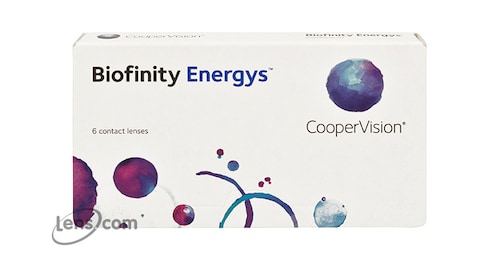
Lens.com is such a breeze to order contacts from, and their customer service is the best. Several boxes of contacts I ordered were lost in the mail and they so were so kind about resending me my order fast and without any extra fees. The quality of these contacts (Biofinity) is unmatched as well. I would highly recommend both Lens.com and Biofinity to anyone.
Great prices
I have ordered several times from Lens.com.
I have had no issues with orders or scripts. I love the rebate when you order 4 boxes or more. I will purchase from them again.
First time buyer
Great service, great price and very easy to order and pay. Will be back for my next order.
I have been using B+L SofLens Toric Astigmatism.
After I had been happily using them for decades, I could not reorder my contact lenses since Bausch+Lomb officially discontinued many SofLens® Toric lenses in July  2023.
As my Rx had not changed, my optometrist recommended another manufacturer, which I tried using for months, and was very disappointed.
Then on the Lens.com website, I ordered B+L ULTRA for Astigmatism Contact Lenses, and they seem just the same to me as the discontinued B+L SofLens® Toric contact lens. Now I couldn't be happier!