
Scleral Contact Lenses
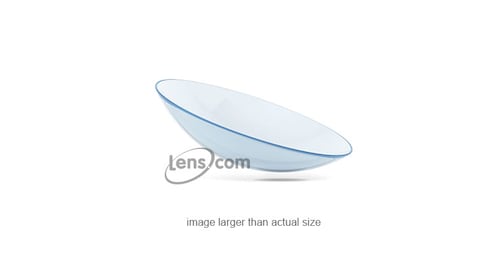
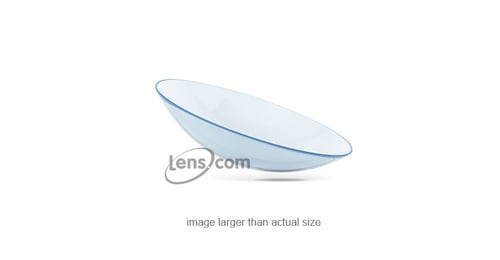
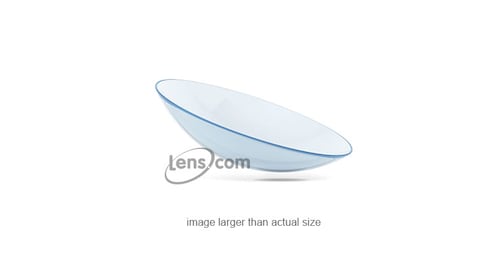
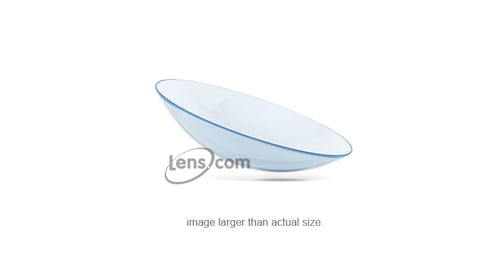
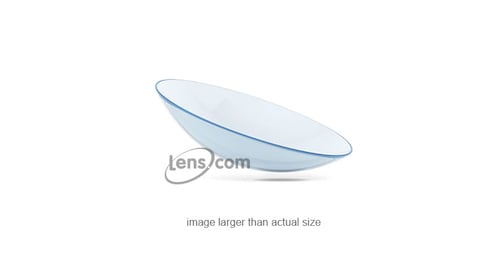
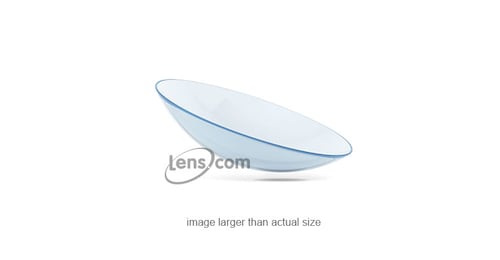
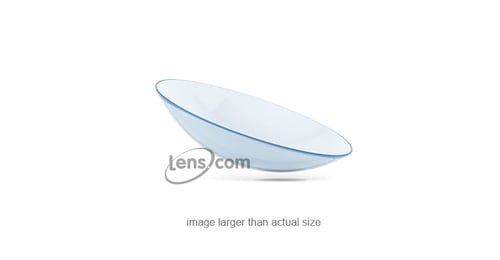
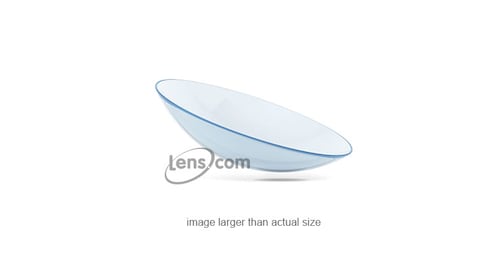
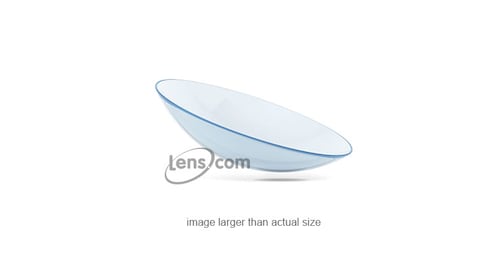
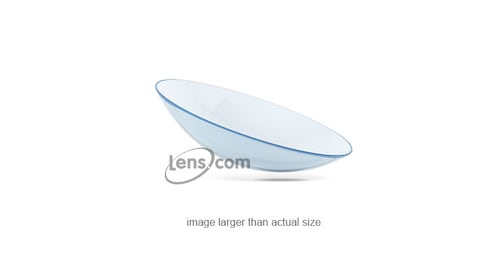
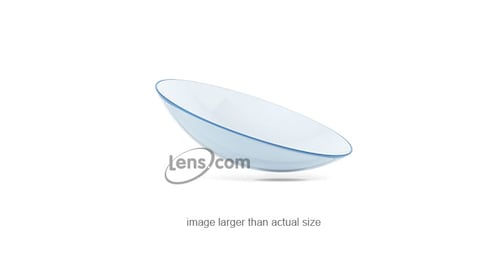
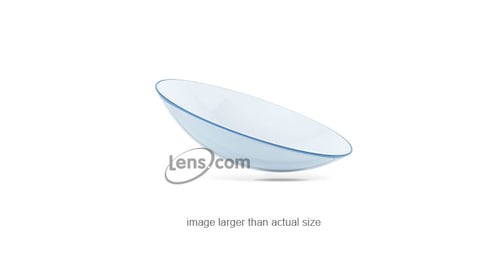
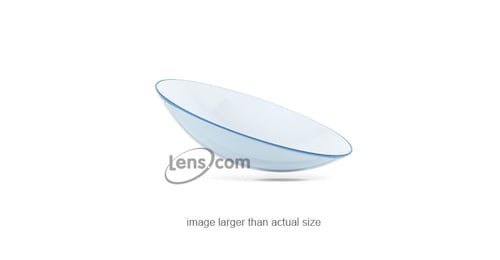
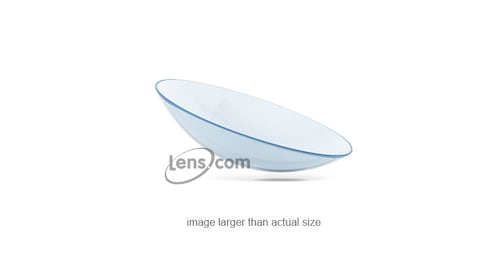
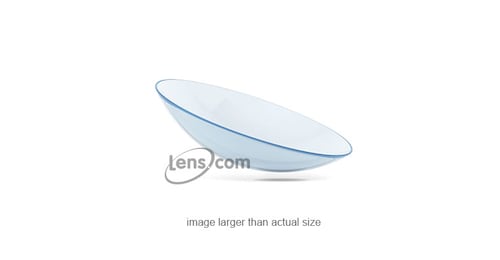
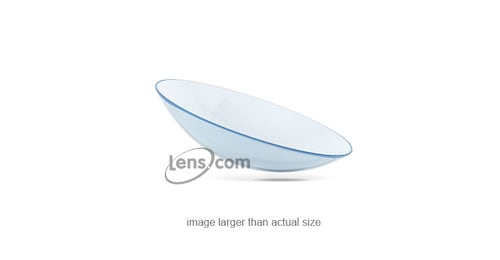
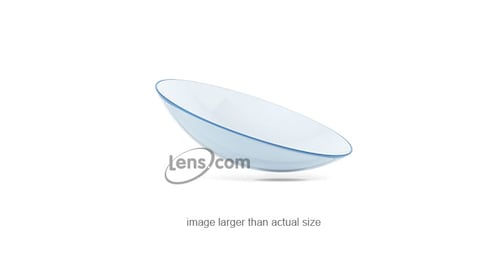
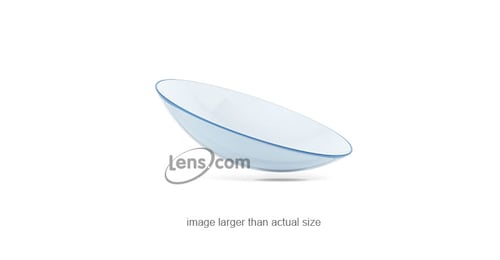
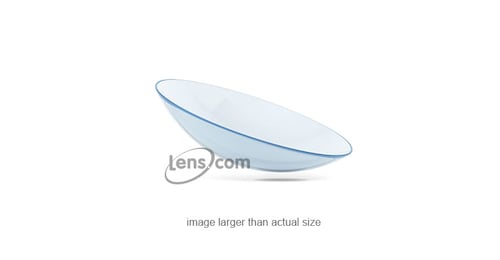
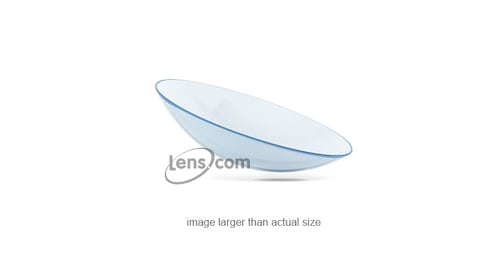
Scleral contact lenses are large rigid gas permeable contact lenses that vault over the cornea and rest on the white part of the eye, called the sclera. They are different from standard soft contact lenses and smaller corneal gas permeable lenses because they create a fluid-filled space between the lens and the front surface of the eye. This design may be prescribed for hard contact lenses for keratoconus, irregular corneas, severe dry eye, post-surgical corneas, some high or complex astigmatism cases, or other complex vision and surface needs. Scleral lenses are custom-fitted, so the lens diameter, vault, edge design, material, prescription, and filling routine all matter.
Choose the exact scleral lens design, prescription values, diameter, base curve or fitting parameters, material, and care instructions written on your current contact lens prescription. Scleral lenses are not interchangeable with soft contacts, standard rigid gas permeable lenses, hybrid lenses, or novelty sclera contacts unless your eye doctor approves the change.
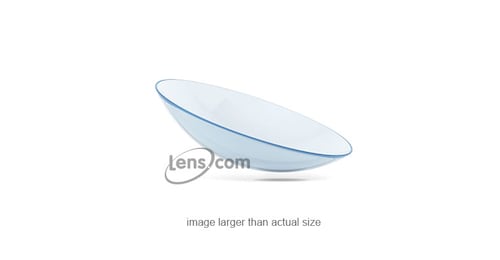
How Scleral Contact Lenses Help With Clear Vision and Surface Comfort
Scleral lenses use a large gas permeable design that can help with irregular corneas, tear reservoir needs, and custom lens fitting. You can also compare these specialty designs with other prescription contact lenses by material, vision need, and fitting type.
1. Vaulted Lens Design
Scleral lenses vault over the cornea instead of resting directly on it. This design can create a smoother optical surface for wearers with keratoconus, irregular corneas, or certain post-surgical corneal shapes.
2. Fluid Reservoir
The space between the lens and the cornea is filled with sterile saline before insertion. This fluid layer can help keep the front surface of the eye bathed during wear.
3. Custom Fitting Details
Scleral lenses are custom-fitted to your eye shape and prescription needs. Diameter, vault, landing zone, material, and edge design all need to match your eye doctor's final lens order.
Why Wearers Choose Scleral Contact Lenses
Scleral contact lenses can fit wearers who need a specialty contact lens for clearer vision, surface protection, or a more customized fit.
- Can be prescribed for keratoconus, irregular corneas, high astigmatism, post-surgical corneas, or severe dry-eye needs.
- Create a smooth refracting surface over the cornea, which may help when glasses or standard soft contacts do not give enough clarity.
- Hold a fluid reservoir between the lens and cornea during wear.
- Rest on the sclera instead of the most sensitive central cornea.
- Are larger than corneal rigid gas permeable lenses and often feel different during insertion and removal.
- Require a specialty fitting, follow-up visits, and careful handling.
- Need preservative-free filling solution, cleaning products, and storage products approved for your lenses.
- Should be replaced based on your eye doctor's instructions and lens condition.
Therapeutic scleral lenses are custom rigid gas permeable lenses and are different from sclera contact lenses designed mainly to create a dramatic cosmetic effect.
What to Check Before Ordering Scleral Contact Lenses
Exact Product Name
Match the full scleral lens name or design details from your prescription. Scleral lenses can differ by brand, material, diameter, vault, edge profile, and specialty design, so do not substitute another lens without your eye doctor's approval.
Replacement Schedule
Check the replacement timeline your eye doctor gave you. Scleral lenses are reusable and often last longer than many soft contacts, but they should be replaced sooner if they become scratched, warped, chipped, cracked, cloudy, or uncomfortable.
Prescription Type
Review all prescription and fitting details, including power, diameter, base curve or sagittal depth details, material, and any specialty notes for keratoconus, dry eye, astigmatism, or presbyopia. A scleral lens order often needs more information than a standard soft contact lens prescription.
Care Routine
Use the cleaning, disinfecting, filling, and storage products recommended for your scleral lenses. Do not rinse, fill, or store scleral lenses with tap water, and do not use soft lens products unless your eye doctor confirms they are safe for your exact lenses.
What Are Scleral Contact Lenses Used For?
Scleral lenses are discussed when wearers need more than a standard soft contact lens fit.
- Keratoconus or other corneal shape changes.
- Irregular corneas after surgery, injury, or disease.
- High astigmatism or vision that is not clear enough with glasses or standard contacts.
Scleral Lenses for Keratoconus and Irregular Corneas
Keratoconus can make the cornea thinner and more cone-shaped, which may cause distorted or unstable vision. Scleral lenses can vault over the irregular cornea instead of pressing directly on it.
The lens and fluid layer can create a smoother front surface for focusing light. This is one reason eye doctors may compare scleral lenses with smaller rigid gas permeable lenses, hybrid lenses, or glasses for keratoconus.
Before ordering, confirm that your scleral lens prescription is final after your fitting and follow-up visit. Trial contact lenses measurements and final order details may not be the same.
Scleral Contact Lenses for Dry Eyes
Fluid-Filled Design
Scleral lenses are filled with sterile preservative-free saline before they are placed on the eye. This fluid layer sits between the lens and the cornea during wear.
Surface Protection
The lens vaults over the cornea and rests on the sclera. This design may reduce direct contact with the sensitive corneal surface for some wearers.
Care and Wear Time
Dry-eye comfort still depends on fit, filling solution, wearing time, tear film, and cleaning routine. If your lenses fog, feel tight, or become uncomfortable during the day, ask your eye doctor to check the fit and care routine.
Can You Sleep With Scleral Contact Lenses?
You should not sleep in scleral contact lenses unless your eye doctor specifically prescribed overnight wear for your exact lenses. Most scleral lens wear routines are daytime wear with removal, cleaning, and disinfection after use. Sleeping in contacts that are not approved for overnight wear can raise the chance of irritation, infection, or reduced oxygen to the eye.
How to Clean and Store Scleral Contact Lenses Safely
As reusable contact lenses, scleral lenses need daily cleaning and disinfection because deposits and poor storage can affect comfort, vision, and eye health.
Step 1. Clean after removal.
Place the lens in your palm and clean it with the product your eye doctor recommended. Follow the label instructions for rubbing or handling.
Step 2. Rinse only as directed.
Use the approved rinsing product for your lens system. Do not use tap water or saliva. The same water-safety rule applies to showering in contact lenses.
Step 3. Disinfect before storage.
Store lenses in fresh disinfecting solution for the full time listed on the product label. Never top off the old solution left in the case.
Step 4. Use fresh filling solution before wear.
Disinfecting solution is not always the same as filling solution. Use the preservative-free saline or filling product approved for insertion.
Step 5. Replace the case and check the lens.
Keep the case clean and replace it as directed. Do not wear a lens that is cracked, chipped, scratched, cloudy, or painful.
Why Is My Vision Foggy With Scleral Lenses?
Foggy vision with scleral lenses can happen during wear, even when the lens looks clear at insertion. Midday fogging often involves debris or particles collecting in the fluid reservoir between the lens and the eye surface.
- Reservoir debris can make vision look hazy after a few hours of wear.
- Poor lens wetting can create blur on the front surface of the lens.
- Air bubbles under the lens can distort vision and cause discomfort.
- Lens deposits may build up when cleaning or rinsing is not thorough enough.
- Fit changes can affect how the lens holds fluid and sits on the eye.
Persistent fogging may mean your eye doctor needs to reassess the fit or determine whether another contact lens type better matches your eye shape and surface needs.
How Long Do Scleral Contact Lenses Last?
Like other hard contact lenses, scleral lens replacement depends on lens condition, prescription changes, wearing habits, and your eye doctor's instructions.
1. Lens condition
Replace the lens if it becomes scratched, warped, chipped, cracked, cloudy, or uncomfortable. Damage can affect both vision and eye comfort.
2. Prescription and fit changes
A lens may need replacement if your prescription, corneal shape, tear film, or ocular surface condition changes. Follow-up visits help confirm whether the lens still fits properly.
3. Care routine
Proper cleaning, disinfection, storage, and case hygiene can help protect the lens. Poor care can shorten lens life and raise the risk of eye irritation.
What Solution Do You Use to Fill Scleral Lenses?
Scleral lenses are filled with sterile preservative-free saline before insertion. The filling solution sits against the eye surface during wear, so it should be the product your eye doctor approved for your lenses.
Good match if:
- The product is labeled for scleral lens filling or insertion.
- It is sterile and preservative-free.
- It comes in single-use vials or another format your eye doctor approves.
- Your eye doctor confirms it works with your lens material and eye surface needs.
Recheck before using if:
- The bottle is a multipurpose soft lens solution.
- The saline contains preservatives.
- The product is expired or has been open longer than allowed.
- You are unsure whether it is for filling, rinsing, cleaning, or disinfection.
Rigid Gas Permeable Contact Lenses vs. Scleral Contact Lenses
Corneal Rigid Gas Permeable Lenses
RGP contact lenses are smaller rigid lenses that sit on the cornea. They can give sharp vision for some prescriptions but may feel more noticeable for wearers who are sensitive to corneal lens movement.
Scleral Contact Lenses
Scleral lenses are larger GP lenses that vault over the cornea and rest on the sclera. Their larger diameter and fluid reservoir can make them useful for some irregular corneas or dry eye needs.
Which Lens to Discuss
The better option depends on your corneal shape, tear film, prescription, comfort, and fitting results. Your eye doctor may compare corneal RGP, scleral, specialty contact lenses, and soft lenses before finalizing your prescription.
References
Scleral Lenses. Cleveland Clinic. https://my.clevelandclinic.org/health/treatments/scleral-lenses. Date Accessed: May 27, 2026.
Scleral Lenses for Managing Dry Eye Disease in the Absence of Corneal Irregularities: What Is the Current Evidence? F. Qiu, D. Fadel, and A. Hui / Journal of Clinical Medicine. https://www.mdpi.com/2077-0383/13/13/3838. Date Accessed: May 27, 2026.
Contact Lenses. Bharat Gurnani and Kirandeep Kaur / StatPearls, NCBI Bookshelf. https://www.ncbi.nlm.nih.gov/books/NBK580554/. Date Accessed: May 27, 2026.
Keratoconus. George Asimellis and Evan J. Kaufman / StatPearls, NCBI Bookshelf. https://www.ncbi.nlm.nih.gov/books/NBK470435/. Date Accessed: May 27, 2026.
Spectrum of Scleral Lens Fit and Patient Compliance: A Single Center Retrospective Study. Oguzhan �z�elik, Zeynep �zbek, Canan Asli Yildirim, and Ismet Durak / Turkish Journal of Ophthalmology. https://pubmed.ncbi.nlm.nih.gov/40838477/. Date Accessed: May 27, 2026.