
Hard Contact Lenses for Keratoconus
Hard contact lenses for keratoconus refer to rigid gas permeable contact lenses, also called RGP or GP lenses. These firm lenses can help create a smoother focusing surface over an irregular cornea, which may improve vision when glasses or standard soft contact lenses do not provide enough clarity. Because keratoconus changes the shape of the cornea, these lenses require a careful fitting, trial evaluation, and regular follow-up with your eye doctor. RGP contact lenses are reusable and need the cleaning, wetting, disinfecting, storage, and replacement routine recommended by your eye doctor.
Choose the exact RGP lens material, design, base curve, diameter, power, and any custom fitting details written on your current contact lens prescription. Hard contacts for keratoconus should not be treated as interchangeable because small changes in curve, diameter, edge design, and lens movement can affect comfort, corneal health, and vision.
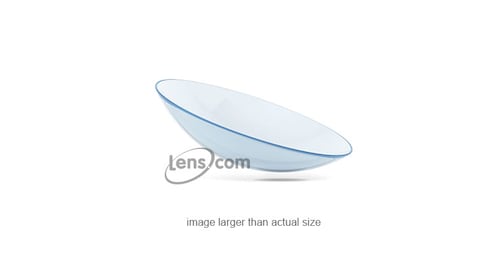
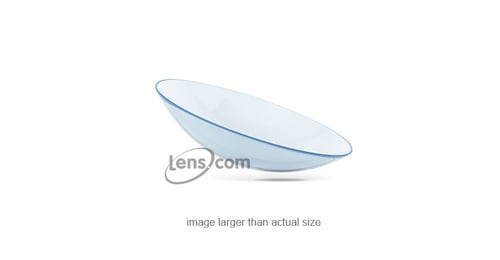
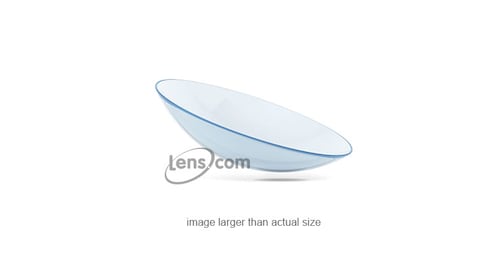
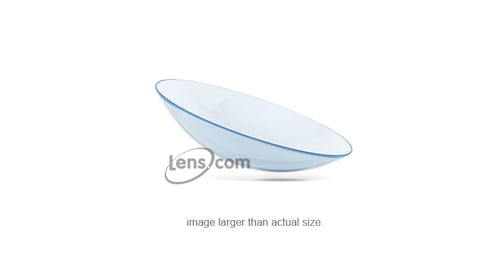
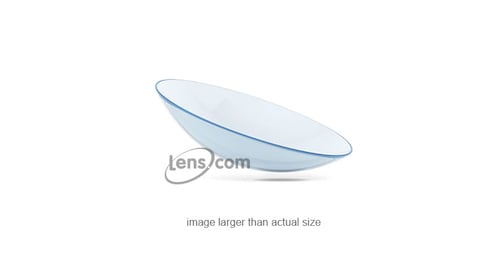
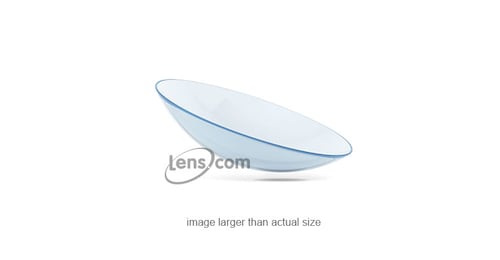
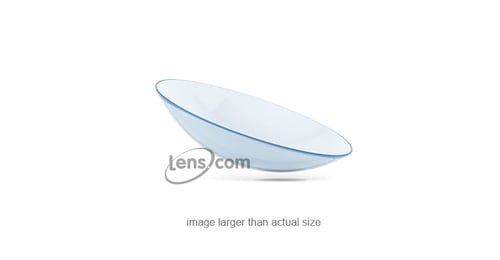
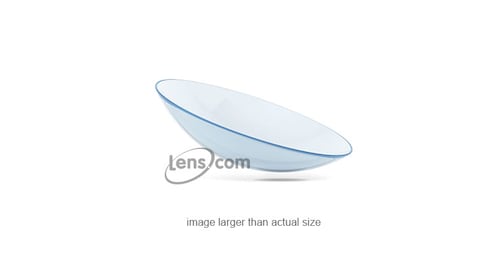
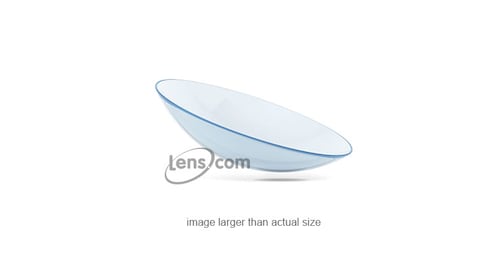
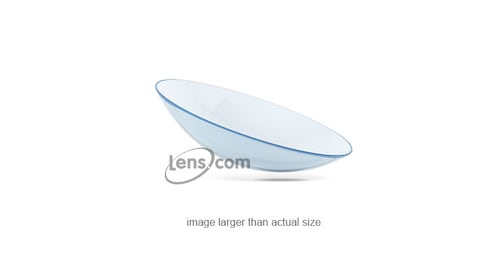
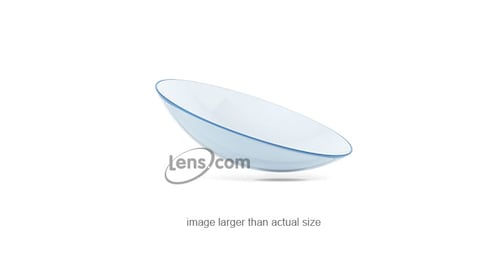
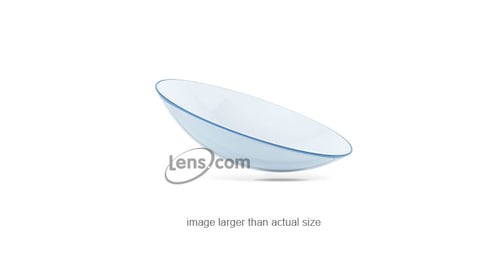
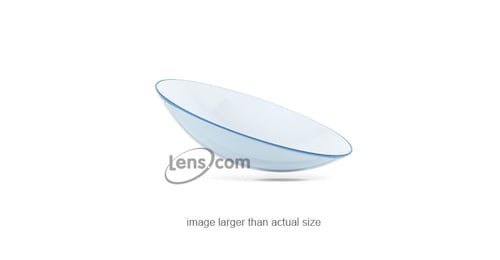
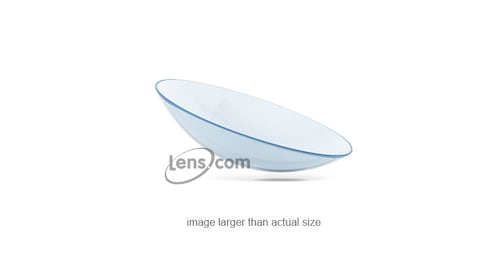
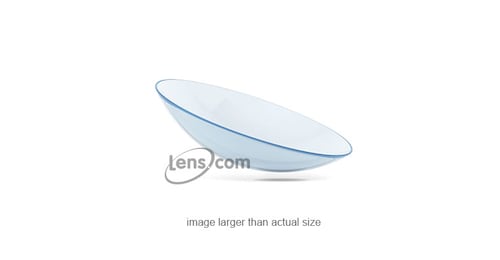
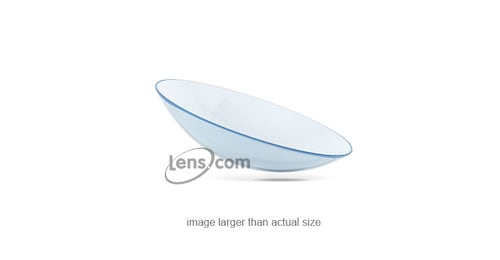
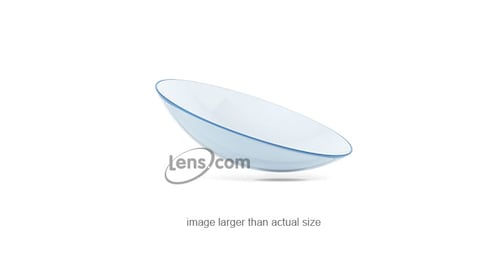
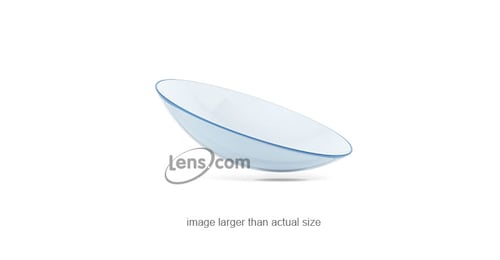
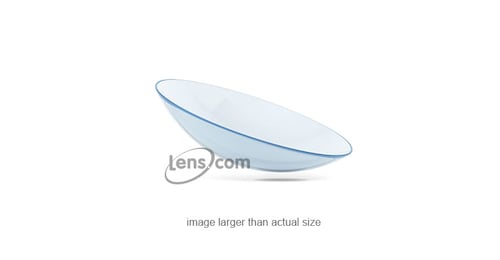
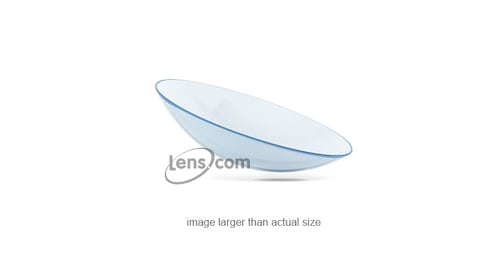
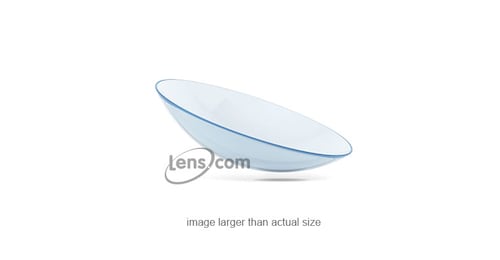
How Hard Contact Lenses for Keratoconus Support Clearer Vision
Hard contact lenses for keratoconus use a firm lens surface, custom fitting, and proper movement to help manage irregular corneal vision.
1. Rigid Lens Shape
RGP lenses hold their shape on the eye instead of draping over the cornea like soft lenses. For keratoconus, this firm shape can help create a smoother front optical surface while the tear layer fills the space between the lens and the irregular cornea. This may reduce blur, ghosting, or distortion for some wearers.
2. Custom Fit and Lens Movement
Hard contacts for keratoconus must be fitted to the corneal shape, prescription, tear film, and comfort response. The lens should move enough for tear exchange but not so much that it dislodges, rubs, or causes unstable vision. Follow-up visits help your eye doctor check lens position, edge clearance, corneal staining, and visual performance.
3. Reusable RGP Care Routine
RGP lenses are reusable and may last much longer than soft disposable lenses when cared for correctly. They need approved cleaning, conditioning, disinfecting, and storage products made for gas permeable lenses. Hard lens care products should not be substituted with soft lens solutions unless your eye doctor specifically approves the system.
Why Wearers Choose Hard Contact Lenses for Keratoconus
Wearers may choose hard contact lenses for keratoconus when they need a custom-fitted lens that supports sharper vision over an irregular corneal surface.
- RGP lenses are often used when keratoconus makes glasses or standard soft contacts less effective.
- Their firm shape can help mask corneal irregularity and create a smoother focusing surface.
- RGP lenses may be prescribed for keratoconus, irregular astigmatism, post-surgical corneas, or higher prescription needs.
- Hard contacts may provide crisper vision than soft lenses for some irregular cornea cases.
- RGP lenses can feel more noticeable at first, so adaptation time is common.
- Smaller corneal RGP lenses differ from scleral contact lenses, which vault over the cornea and rest on the sclera.
- RGP lenses require custom fitting and should not be ordered by brand name alone.
- Reusable hard lenses need cleaning, conditioning, disinfection, storage, and routine replacement based on lens condition and doctor guidance.
- Backup glasses may still be useful for times when lenses are not worn.
- Pain, strong redness, light sensitivity, discharge, or sudden vision changes should be checked by an eye doctor right away.
What to Check Before Ordering Hard Contact Lenses for Keratoconus
Before ordering, confirm that the exact RGP lens details match the custom prescription and fitting plan from your eye doctor.
Exact Lens Material and Design
Match the full RGP material or product name on your prescription. Boston XO, Boston XO2, Boston ES, Boston EO, Optimum Comfort, Fluoroperm, Paragon, and other RGP materials can differ in oxygen permeability, handling, durability, and fitting behavior. Do not substitute one type of hard contact lenses for another without your eye doctor's approval.
Full Fitting Parameters
Confirm the base curve, diameter, power, edge design, and any custom fitting details required for your eyes. Keratoconus lenses are not chosen by power alone because the corneal shape and lens-to-cornea relationship are part of the prescription. A lens that is too steep, too flat, too tight, or too loose can affect vision and comfort.
Replacement Timing
RGP lenses are not replaced like daily, biweekly, or monthly soft disposable contacts. Your replacement timing may depend on lens material, scratches, warping, deposits, prescription changes, comfort, and fit. Ask your eye doctor how often your lenses should be checked and when they should be replaced.
Care Products and Follow-Up
Use only the cleaning, wetting, conditioning, disinfecting, or hydrogen peroxide system approved for your RGP lenses. Keep lenses away from tap water unless your eye doctor gives product-specific instructions. Keep follow-up visits, especially when your keratoconus, vision, or lens comfort changes.
Can Hard Contact Lenses Correct Keratoconus?
Hard contact lenses do not cure keratoconus or stop the cornea from changing, but they can help correct the vision distortion caused by an irregular corneal surface. The lens creates a smoother front surface for light to pass through while it is worn. This may help reduce blur, ghosting, glare, or irregular astigmatism for some wearers. Keratoconus progression still needs monitoring by an eye doctor, and some wearers may need other treatments or specialty lens designs.
What Contact Lenses Are Best for Keratoconus?
Corneal RGP Lenses
Corneal RGP lenses are smaller hard lenses that sit on the cornea. They may work well when the lens can center, move, and provide a clear tear-lens effect over the cone.
Scleral Lenses
Scleral lenses are larger gas permeable lenses that vault over the cornea and rest on the white part of the eye. They may be considered when a corneal RGP lens is uncomfortable, unstable, or difficult to center.
Hybrid or Piggyback Options
Hybrid lenses combine a rigid center with a soft outer area, while piggyback fitting places a soft lens under an RGP lens. These approaches require specialty fitting and should only be used under eye doctor guidance.
RGP vs. Scleral Lenses for Keratoconus
RGP and scleral contact lenses are both gas permeable lens types used for keratoconus, but they fit the eye in different ways. RGP lenses are usually smaller and sit directly on the cornea, where they create a smoother optical surface over the irregular shape. Scleral lenses are larger and vault over the cornea, resting on the white part of the eye instead.
Both lens types may improve vision by helping light focus more evenly through the eye. RGP lenses may work well when they center properly and the wearer can adapt to the lens feel, while scleral lenses may feel more stable for some wearers because they avoid direct corneal bearing. Your eye doctor should compare fit, comfort, movement, tear exchange, and vision before choosing either lens type.
Your eye doctor may compare RGP and scleral lenses based on cone location, corneal sensitivity, tear film, lens movement, comfort, vision quality, and handling ability.
How Do RGP Lenses Help Keratoconus?
RGP contact lenses help keratoconus by creating a smooth optical surface over an uneven cornea.
1. The Lens Holds Its Shape
A soft lens may drape over the irregular cornea, while an RGP lens keeps a firm shape. This firm surface can improve how light focuses through the eye.
2. The Tear Layer Fills Gaps
A thin tear layer sits between the back of the lens and the front of the cornea. This layer helps smooth out corneal irregularity while the lens is worn.
3. The Fit Controls Comfort and Vision
The lens must move properly, center well, and avoid excessive pressure on the cone. Follow-up checks help your eye doctor adjust the fit if vision, comfort, or corneal health changes.
Hard Contact Lenses vs. Scleral Lenses for Keratoconu
Hard contact lenses and scleral lenses are not always the same in everyday language. Smaller hard RGP lenses rest on the cornea, while scleral lenses are also rigid gas permeable contact lenses but are larger and designed to vault over the cornea.
Smaller RGP lenses may suit some mild or moderate keratoconus cases when they center well and provide stable vision. Scleral lenses may be considered when corneal RGP lenses feel uncomfortable, dislodge easily, or do not give enough stability.
Do not switch between these lens types without a specialty fitting. The lens diameter, vault, tear reservoir, care products, insertion technique, and follow-up checks can be very different.
Do Hard Contacts Work for Advanced Keratoconus?
Hard contacts may still help some advanced keratoconus cases, but smaller corneal RGP lenses can become harder to fit when the cornea is very steep, sensitive, or irregular.
May be a good match if:
- The lens centers well over the cornea.
- Vision improves clearly during trial fitting.
- Lens movement is safe and comfortable.
- The cornea shows no concerning staining or pressure areas.
- You can handle and care for the lenses correctly.
Recheck before ordering if:
- The lens pops out or shifts often.
- The lens causes pain, redness, or strong awareness.
- Vision remains distorted after trial fitting.
- The cone shape makes corneal bearing difficult to manage.
- Your eye doctor recommends scleral, hybrid, or another specialty lens instead.
How Long Do RGP Lenses for Keratoconus Last?
RGP lenses are reusable contact lenses that may last longer than soft disposable lenses, but replacement timing varies by lens material, prescription stability, surface condition, deposits, scratches, and fit. Some wearers replace RGP lenses yearly, while others may need replacement sooner if the lenses warp, scratch, or no longer fit correctly. Keratoconus changes can also affect how long a lens remains appropriate. Your eye doctor should decide the replacement schedule based on lens condition and eye health.
Do not keep wearing an old RGP lens just because it still looks usable. Tiny surface changes can affect comfort, wetting, and visual clarity. Bring your lenses to follow-up visits so your eye doctor can inspect them. Replace the lenses when your prescription, corneal shape, comfort, or lens condition requires it.
Do RGP Lenses for Keratoconus Need Special Solution?
Yes, RGP contact lenses usually need care products made for rigid gas permeable lenses.
Cleaning
Use the cleaner recommended by your eye doctor to remove deposits and debris. Do not use a soft lens solution unless your eye doctor confirms it is appropriate for your RGP lens.
Conditioning and Wetting
RGP lenses may require conditioning or wetting solution before insertion. This can improve surface wetting and make the lens easier to place on the eye.
Storage and Disinfection
Store the lenses in the disinfecting or conditioning solution recommended for your lens material. Keep the case clean, replace it as directed, and avoid tap water exposure unless your eye doctor gives specific instructions.
How To Buy Hard Contact Lenses for Keratoconus
You can order replacement hard contact lenses online only when you have a current prescription with the exact RGP lens details from your eye doctor. Keratoconus lenses are custom fitted, so you need more than a standard glasses prescription or soft contact lens power. The order should match the lens material, base curve, diameter, power, and any custom fitting notes provided by your eye doctor. Do not guess the brand or curve from an old lens package.
Before completing an order, confirm:
- Complete RGP lens material or product name
- Right-eye and left-eye lens details
- Base curve and diameter
- Lens power and any custom fitting notes
- Replacement timing recommended by your eye doctor
- Approved care system
- Prescription-verification requirements
- Return or remake policy
- Follow-up plan for keratoconus monitoring
References
Keratoconus. Bharat Gurnani and Evan J. Kaufman / StatPearls, NCBI Bookshelf. https://www.ncbi.nlm.nih.gov/books/NBK470435/. Date Accessed: July 20, 2026.
Keratoconus: Symptoms, Causes & Treatment. Cleveland Clinic. https://my.clevelandclinic.org/health/diseases/14415-keratoconus. Date Accessed: July 20, 2026.
What Are Scleral Lenses? Cleveland Clinic. https://my.clevelandclinic.org/health/treatments/scleral-lenses. Date Accessed: July 20, 2026.
Keratoconus. EyeWiki / American Academy of Ophthalmology. https://eyewiki.aao.org/Keratoconus. Date Accessed: July 20, 2026.
Keratoconus. Nature Reviews Disease Primers. https://www.nature.com/articles/s41572-024-00565-3. Date Accessed: July 20, 2026.