
RGP Contact Lenses
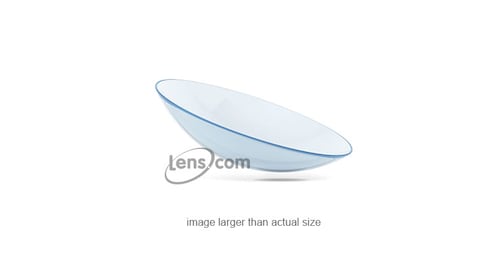
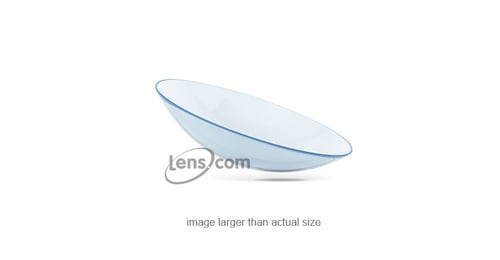
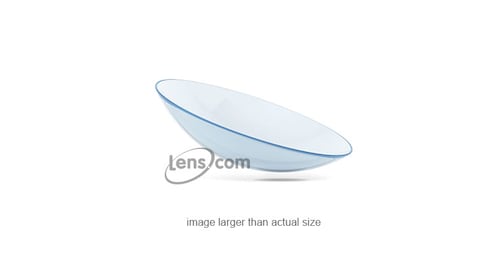
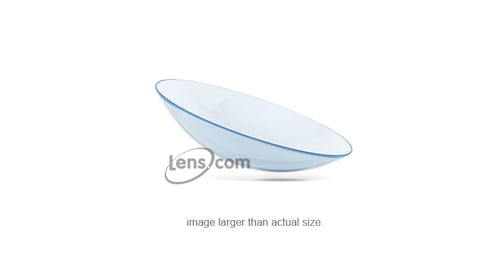
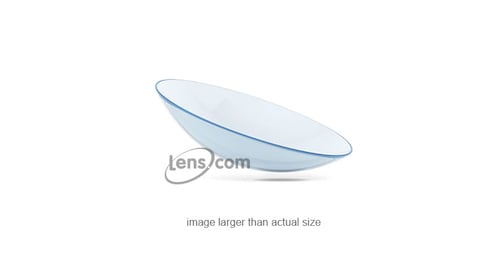
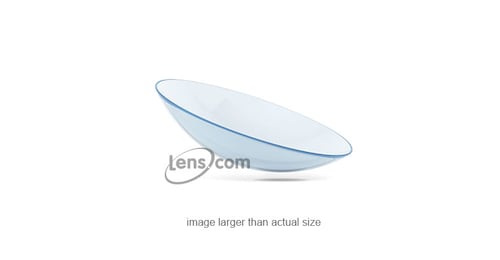
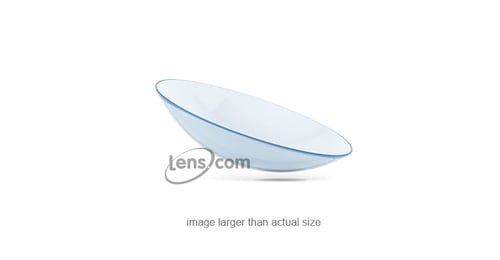
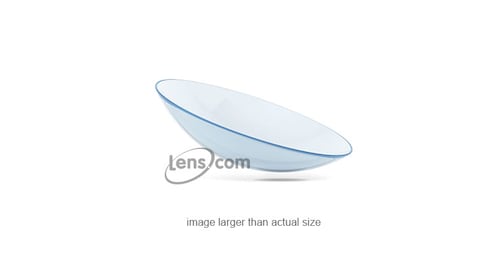
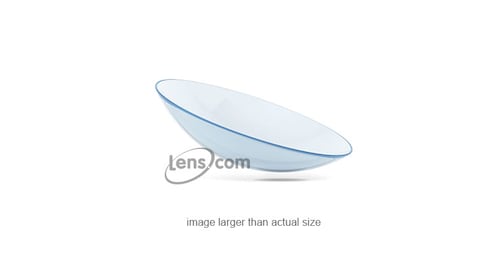
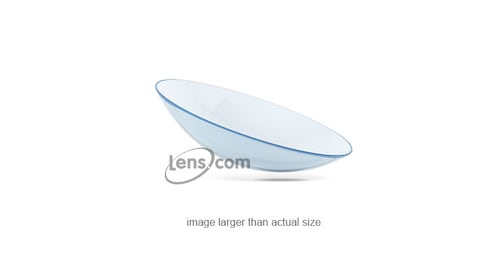
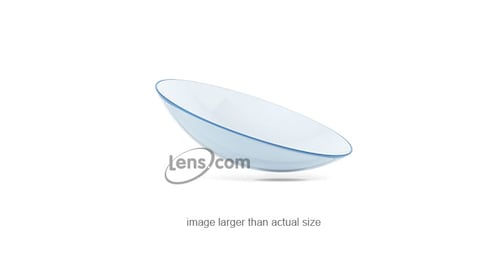
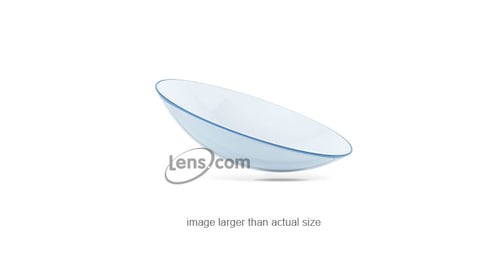
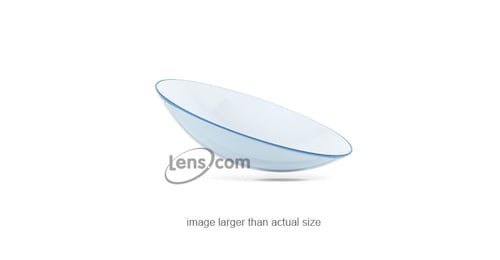
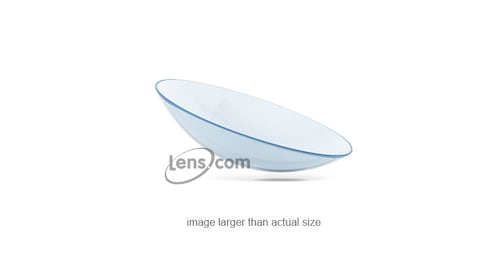
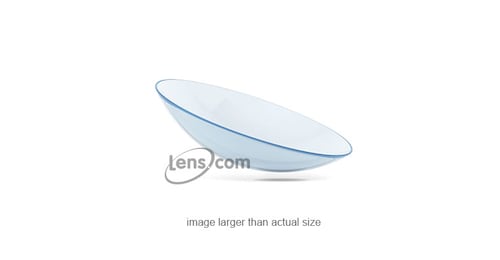
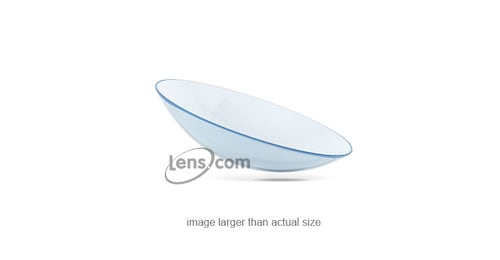
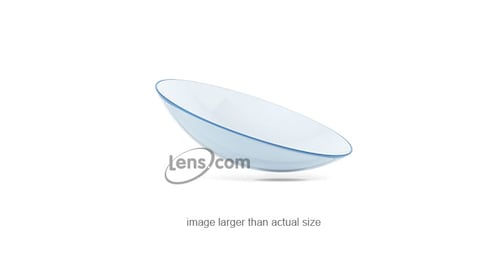
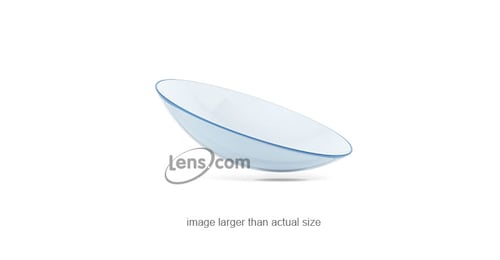
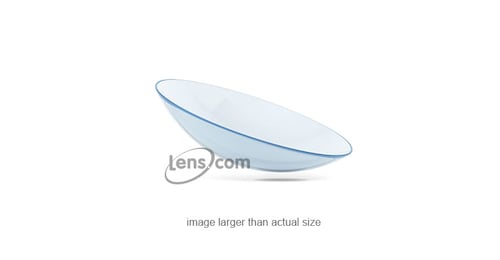
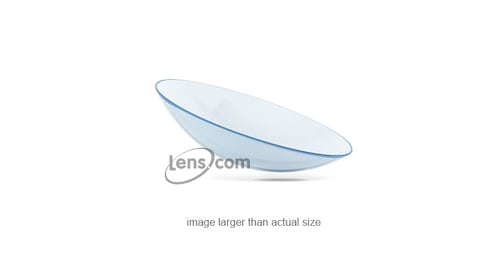
RGP contact lenses, short for rigid gas permeable contact lenses, are firm lenses that allow oxygen to reach your eyes during wear. They can provide crisp, stable vision for certain prescriptions, especially when soft contacts don't give the clarity or fit your eyes need. These custom contact lenses are prescribed by an eye doctor, so the shape, power, size, and wearing schedule should match your prescription closely. RGP lenses can take time to get used to, but many wearers choose them for sharp vision, precise fit, and long-term durability. Browse the products shown on this page to find lenses that match your prescription, eye shape, and specialty contact lens care routine.
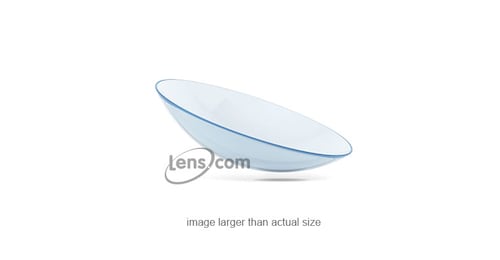
What To Check When Buying RGP Contact Lenses Online
Buying RGP contact lenses online starts with the exact prescription and lens details from your eye doctor. RGP lenses are not selected the same way as standard soft contacts because the fit is based closely on your cornea, lens design, and vision needs.
A small change in size, curve, material, or power can affect comfort and clarity. Check each detail carefully so your order matches the lens your eye doctor fitted for your eyes.
Use these steps when buying RGP contact lenses:
- Match the exact RGP lens type listed on your prescription.
- Review the power for your right eye and left eye.
- Check the base curve, diameter, and lens design.
- Confirm any extra values listed by your eye doctor.
- Review the recommended wearing schedule.
- Check which RGP care solution your eye doctor wants you to use.
- Upload your prescription or enter your eye doctor's details during checkout.
- Don't substitute soft contacts for RGP lenses without your eye doctor's approval.
- Review shipping timing, since some RGP lenses may require special ordering.
- Ask your eye doctor if anything on the prescription looks unclear.
RGP contacts are made for a precise fit, so accuracy matters from prescription entry to checkout. If your current lenses feel uncomfortable, move around too much, or no longer give clear vision, schedule a follow-up before reordering.
What Makes RGP Contacts Different From Soft Contacts?
RGP contacts and soft contacts both correct vision, but they feel and function differently on the eye. Soft contacts are flexible, while RGP lenses are firmer and keep their shape during wear. That firm design can help create sharper optics for certain prescriptions, but it can also take longer to adapt to the lens feel. Your eye doctor can help decide which lens type fits your vision, comfort needs, and eye health.
Lens Material
RGP lenses are made from firm, oxygen-permeable materials. The lens holds its shape on the eye instead of draping over the cornea like a soft lens. This can support a stable vision for people who need more precise correction. The material also affects which cleaning and storage system your eye doctor recommends.
Vision Clarity
RGP lenses can give clear, sharp vision because the lens surface stays firm while you blink. This can be helpful for certain types of astigmatism or corneal shape concerns. Soft lenses can work very well for a wide range of prescriptions, but they don't fit every eye the same way. If your vision fluctuates in soft contacts, your eye doctor may discuss RGP options.
Care And Adjustment
RGP contacts have a different care routine than soft contacts. They may need specific cleaning, wetting, and disinfecting products made for rigid lenses. They can also take time to feel natural in the eye. A steady wearing schedule and proper handling can make the adjustment period easier.
Soft Contact Lens Options to Compare With RGP Lenses
Boston ES
Boston XO
Boston EO
Optimum Comfort
Boston XO2
Fluoroperm 30
Fluoroperm 60
Boston IV
Compare RGP Contact Lenses by Brand and Features
|
Average Cost per day
|
Contact Lens Manufacturer
|
Contact Lens Type
|
Contact Lens Material Type
|
Contact Lens Water Content Percentage
|
Contact Lens Blocks UV
|
Each Box Contains
|
Average Star Rating
|
|
|---|---|---|---|---|---|---|---|---|
| Boston ES | $0.11 | Polymer Technology | Daily | RGP | 0% | 1 lenses, a 12-month supply |
|
|
| Boston XO | $0.11 | Polymer Technology | Daily | RGP | 0% | 1 lenses, a 12-month supply |
|
|
| Boston EO | $0.11 | Polymer Technology | Daily | RGP | 0% | 1 lenses, a 12-month supply |
|
|
| Optimum Comfort | $0.08 | Contamac U.S. | Daily | RGP | 0% | 1 lenses, a 12-month supply |
|
|
| Boston XO2 | $0.11 | Polymer Technology | Daily | RGP | 0% | 1 lenses, a 12-month supply |
|
|
| Fluoroperm 30 | $0.08 | Paragon Vision Sciences | Daily | RGP | 0% | 1 lenses, a 12-month supply |
|
|
| Fluoroperm 60 | $0.11 | Paragon Vision Sciences | Daily | RGP | 0% | 1 lenses, a 12-month supply |
|
|
| Boston IV | $0.11 | Polymer Technology | Daily | RGP | 0% | 1 lenses, a 12-month supply |
|
|
| Paragon HDS | $0.11 | Paragon Vision Sciences | Daily | RGP | 0% | 1 lenses, a 12-month supply |
|
|
| Optimum Extra | $0.09 | Contamac U.S. | Daily | RGP | 0% | 1 lenses, a 12-month supply |
|
|
| Boston Equalens | $0.11 | Polymer Technology | Daily | RGP | 0% | 1 lenses, a 12-month supply |
|
|
| Boston Equalens II | $0.11 | Polymer Technology | Daily | RGP | 0% | 1 lenses, a 12-month supply |
|
|
| Optimum Extreme | $0.09 | Contamac U.S. | Daily | RGP | 0% | 1 lenses, a 12-month supply |
|
|
| Polycon II | $0.09 | GT Laboratories | Daily | RGP | 0% | 1 lenses, a 12-month supply |
|
|
| Paragon HDS 100 | $0.08 | Paragon Vision Sciences | Daily | RGP | 0% | 1 lenses, a 12-month supply |
|
How to Save on RGP Contacts With Rebates
|
Contact Lens Manufacturer
|
Contact Lens Type
|
Contact Lens Material Type
|
Contact Lens Water Content Percentage
|
Contact Lens Blocks UV
|
Each Box Contains
|
Average Star Rating
|
|---|
Who Wears RGP Contact Lenses?
RGP contact lenses are often worn by people who need sharper, more stable vision than soft contacts can provide. People with certain types of astigmatism, irregular corneas, or lens fit concerns may also use them. Some wearers choose RGP lenses because they can be durable and precise when fitted correctly. These lenses are not a casual swap from soft contacts, so an eye doctor needs to check the fit, comfort, and vision correction first.
Why Do RGP Contacts Need a Custom Fit?
RGP contacts require a custom fit because they rest on the eye differently than soft lenses. Your eye doctor checks how the lens centers, moves, and works with your tear film. A lens that is too flat, too steep, or the wrong size can feel uncomfortable or affect vision. That is why RGP prescriptions can include more fit details than some soft lens prescriptions.
A custom fit can also help your eye doctor decide whether a corneal RGP, scleral lens, or another lens design is better for your eyes. The fitting process may include trial lenses, follow-up visits, and small adjustments. Once the lens fit is finalized, online refills become easier because you have the exact details needed for ordering. Don't change the RGP lens design without your eye doctor's approval.
What Details Are Needed for an RGP Contact Lens Order?
RGP contact lens orders can include more details than a standard soft contact lens order because the fit is more customized. Your eye doctor uses these details to help the lens sit correctly, move properly, and give clear vision. A small change in curve, size, material, or design can affect how the lens feels on your eye
Review each field carefully, especially if your right and left eyes have different values. If any part of the prescription looks unclear, ask your eye doctor before ordering.
- Lens type or design
- Power for each eye
- Base curve
- Diameter
- Lens material
- Edge or peripheral curve details, if listed
- Wearing schedule
- Right eye and left eye markings
- Care system recommended by your eye doctor
- Prescription expiration date
How Long Does It Take to Adjust to RGP Contacts?
RGP contacts can take time to get used to because they feel firmer than soft lenses. Some wearers notice the lens more at first, especially during blinking. Comfort often improves as your eyes adapt and as you follow the wearing schedule your eye doctor gives you. If the lenses feel painful, shift too much, or cause redness, don't force yourself to keep wearing them. Your eye doctor can check whether the lens fit needs an adjustment.
Can RGP Contacts Help With Astigmatism or Irregular Corneas?
RGP contacts may be prescribed for certain people with astigmatism or irregular corneal shape because the firm lens surface can help create clearer optics. The right option depends on your eye exam, corneal shape, comfort needs, and prescription. Your eye doctor can explain whether a standard RGP lens, scleral lens, or another specialty lens design fits your eyes better.
Astigmatism
Some people with astigmatism get stable vision from RGP lenses because the lens keeps its shape on the eye. The fit still needs to be checked carefully. When the lens does not sit well, vision can blur, or comfort can drop. Your eye doctor can compare RGP lenses with toric contact lenses based on your prescription.
Irregular Corneas
RGP lenses can be considered when the cornea has an irregular shape. This can happen with conditions such as keratoconus or after certain eye procedures. A specialty fit may help create a smoother refractive surface for clearer vision. Follow-up visits are part of making sure the lens works well for your eyes.
Scleral Lens Options
Scleral lenses are larger gas-permeable lenses that rest on the white part of the eye rather than only on the cornea. They may be prescribed for certain corneal conditions or severe dryness. These lenses are different from smaller corneal RGP lenses, even though they're also rigid and oxygen-permeable. Your eye doctor can tell you which design fits your case.
What Should You Know About RGP Lens Care Solutions?
RGP lens care is different from soft contact lens care. The CDC notes that rigid gas permeable or hard lenses often need separate products for wetting, cleaning, and disinfecting, and hard lens products should not be used on soft lenses. Use the cleaning routine your eye doctor recommends, and don't mix products without asking first.
If lenses feel cloudy, dry, or gritty, ask your eye doctor whether or not your cleaning routine or solution needs to change.
What Habits Help RGP Contacts Stay Comfortable?
RGP lenses can feel better when your routine is consistent. Good habits can also help reduce irritation and lens care mistakes.
- Wash and dry your hands before handling lenses.
- Use only the RGP solution recommended by your eye doctor.
- Clean the lenses after removal if your care system requires it.
- Store lenses in a clean case with fresh solution.
- Avoid rinsing lenses with tap water.
- Follow the wearing schedule your eye doctor gave you.
- Keep backup glasses available.
- Don't wear a cracked, chipped, or scratched lens.
- Schedule follow-ups if comfort or vision changes.
- Replace the lens case based on your eye doctor's guidance.
How Are RGP Contacts Different From Scleral Lenses?
RGP contacts and scleral lenses are both rigid, oxygen-permeable lens types, but they don't fit the eye the same way. Corneal RGP lenses are smaller and sit closer to the front surface of the eye, while scleral lenses are larger and rest on the white part of the eye. This difference can affect comfort, lens movement, tear space, and the fitting process.
Your eye doctor will look at your corneal shape, vision needs, and comfort during fitting to decide which lens design works best for you.
Corneal RGP Contacts
Corneal RGP contacts move with each blink and are fitted closely to the shape of the cornea. They can give sharp vision for certain prescriptions because the lens keeps its shape during wear. Some wearers need time to adjust because the lens edge can feel more noticeable than a soft lens. These lenses are often used when a smaller rigid lens can give the clarity and fit the eye needs.
Scleral Lenses
Scleral lenses cover the cornea and create a fluid-filled space between the lens and the eye. This design can help some people with irregular corneas, severe dryness, or more detailed fitting needs. These lenses require a specialty fitting and specific handling steps. they're different from standard corneal RGP contacts, even though both are made from rigid gas-permeable materials.
How Your Eye Doctor Chooses The Lens Design
Your eye doctor looks at corneal shape, prescription strength, tear film, comfort, and eye health before recommending a lens design. Some people do well with corneal RGP contacts, while others need the larger scleral design for better comfort or vision. Follow-up visits can help fine-tune the fit after you start wearing the lenses. The final prescription and fitting notes should guide what you order online.
When Should You Call Your Eye Doctor About RGP Lenses?
Call your eye doctor if your RGP lenses cause pain, redness, light sensitivity, discharge, or sudden blurry vision. You should also reach out if the lens feels chipped, cracked, scratched, or uncomfortable even after cleaning. Changes in comfort can come from lens fit, deposits, dry eye, or damage to the lens surface. Don't keep wearing a lens that hurts or makes your vision worse.
A follow-up visit can help your eye doctor adjust the fit, review your care routine, or decide whether a different lens design is needed. Once your fit is finalized, you can order contact lenses online using the exact RGP lens details from your prescription.
References
Types Of Contact Lenses. U.S. Food and Drug Administration. https://www.fda.gov/medical-devices/contact-lenses/types-contact-lenses. Accessed May 26, 2026.
Buying Contact Lenses. U.S. Food and Drug Administration. https://www.fda.gov/medical-devices/contact-lenses/buying-contact-lenses. Accessed May 26, 2026.
Contact Lenses. U.S. Food and Drug Administration. https://www.fda.gov/medical-devices/consumer-products/contact-lenses. Accessed May 26, 2026.
About Cleaning, Disinfecting, And Storing Contact Lenses. Centers for Disease Control and Prevention. https://www.cdc.gov/contact-lenses/about/about-cleaning-disinfecting-and-storing-contact-lenses.html. Accessed May 26, 2026.
Preventing Eye Infections When Wearing Contacts. Centers for Disease Control and Prevention. https://www.cdc.gov/contact-lenses/prevention/index.html. Accessed May 26, 2026.
Types Of Contact Lenses. American Optometric Association. https://www.aoa.org/healthy-eyes/vision-and-vision-correction/types-of-contact-lenses. Accessed May 26, 2026.
Contact Lens Fitting: Rigid Gas Permeable Lenses. American Academy of Ophthalmology. https://www.aao.org/education/basic-skills/contact-lens-fitting-rigid-gas-permeable-lenses. Accessed May 26, 2026.