
Zero Power Contact Lenses
Zero power contact lenses, also called plano or non-prescription contacts, have no corrective power for nearsightedness or farsightedness. They're typically worn to change the color or appearance of your eyes rather than improve your vision. Still, choosing 0.00 power doesn't mean that any lens will fit your eyes or that you can wear one without a prescription.
Plano power is available in many colored and decorative contacts, while specialty lenses designed for astigmatism or multifocal vision typically require corrective powers. Take a look at the zero power options below, and have a valid contact lens prescription ready when it's time to order.

to
to

to

to

to
to
to

to
to
to

to
to
to
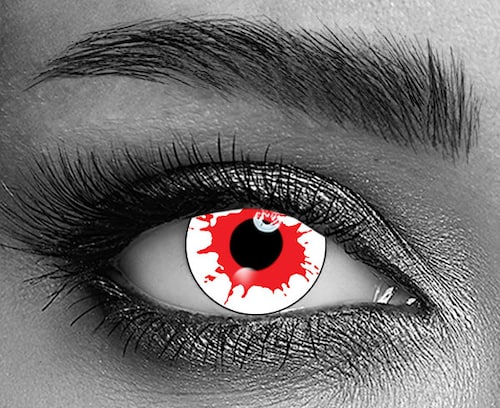
to
to

to
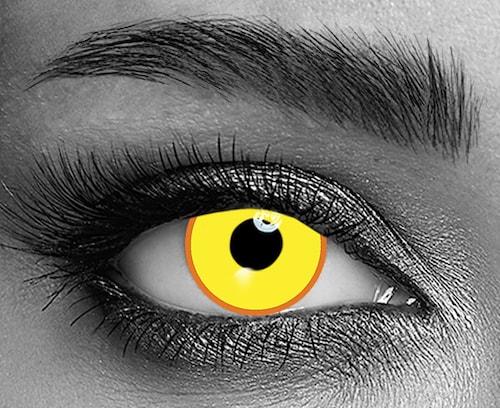
to
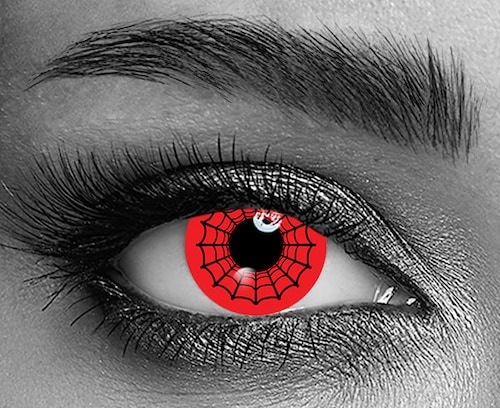
to
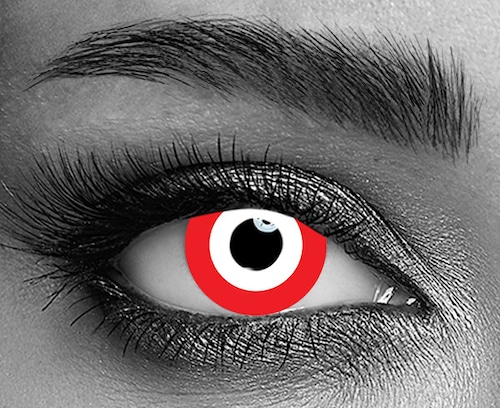
to
to
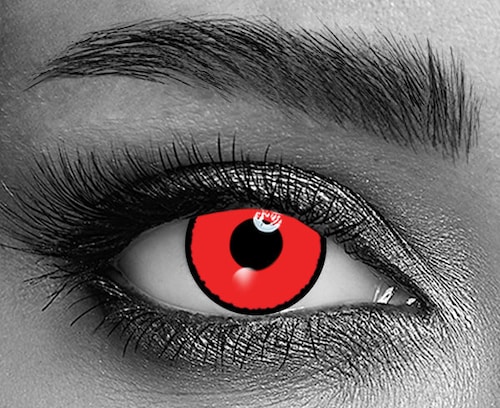
to
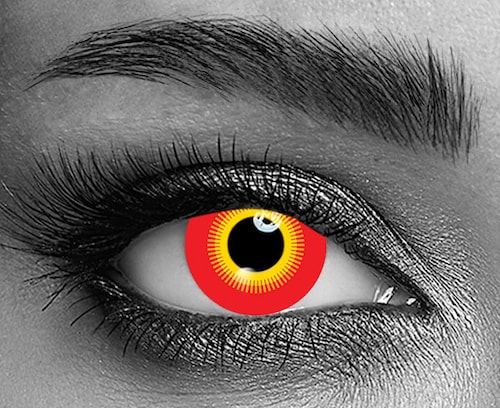
to
to
to

to
to
to
to
to
to
to
to
to
to
to
to
What Does Zero Power Mean in Contact Lenses?
Zero power means a contact lens has no refractive power for correcting nearsightedness or farsightedness. On a prescription, this is typically shown as 0.00, Plano, or PL in the sphere power field. The lens changes your eye's appearance without making objects clearer at a distance or up close. The power of a contact lens is measured in diopters. Negative values, such as -2.00, correct nearsightedness, while positive values, such as +2.00, correct farsightedness. A zero power lens sits between these values and provides no spherical vision correction.
Zero Power Doesn't Mean Prescription-Free
Even without corrective power, contact lenses sit directly on the eye and are regulated as medical devices by the Food and Drug Administration (FDA). You still need a valid contact lens prescription to buy zero power contacts legally in the United States. This rule applies to colored, cosmetic, decorative, costume, and special-effect lenses. A prescription confirms more than whether you need vision correction. It identifies the lens brand and parameters that your eye doctor has determined are suitable for your eyes. Buying contacts without a proper fitting can expose you to lenses that fit too tightly, move excessively, or interfere with the health of the cornea.
Plano Contacts Can Still Change Your Eye Color
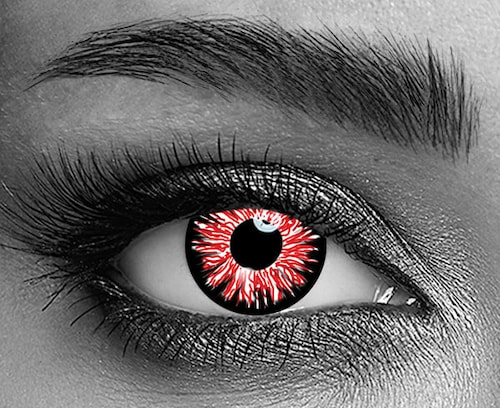
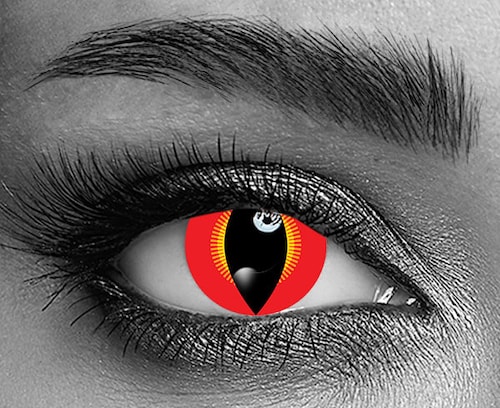
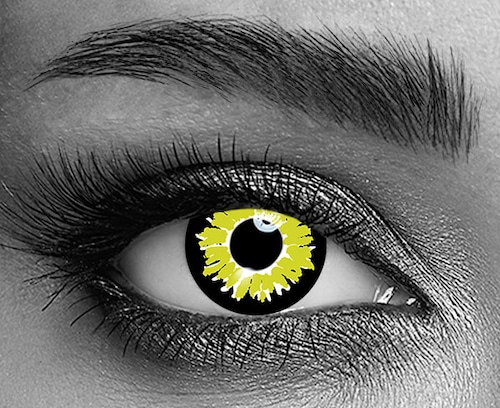
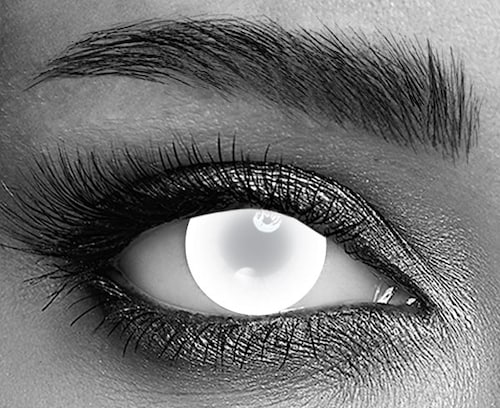
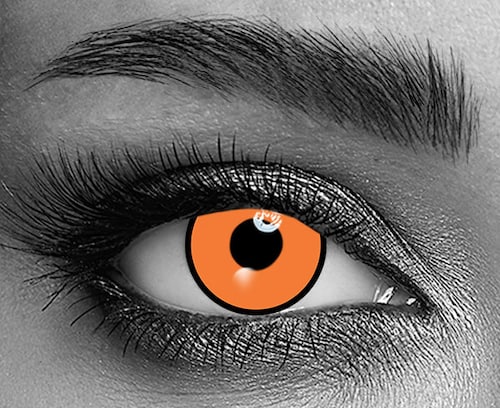
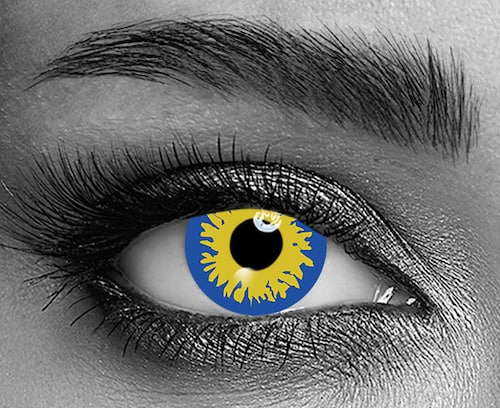
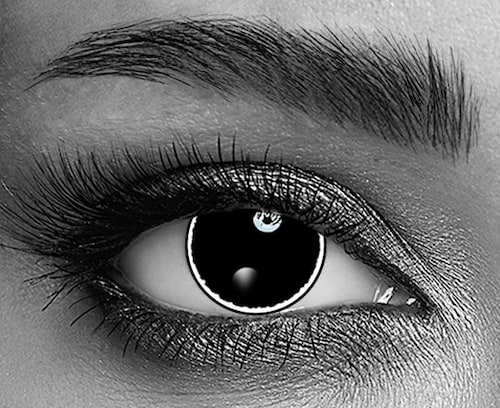
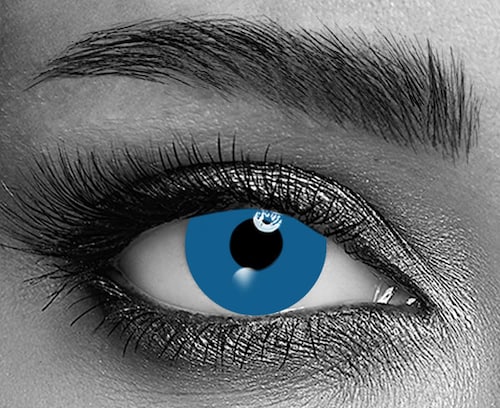
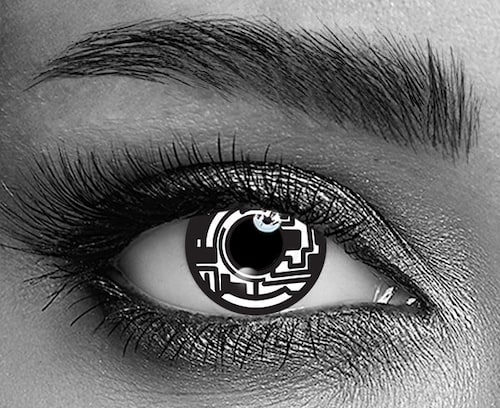
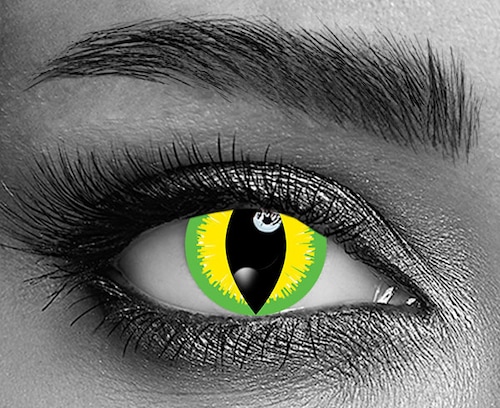
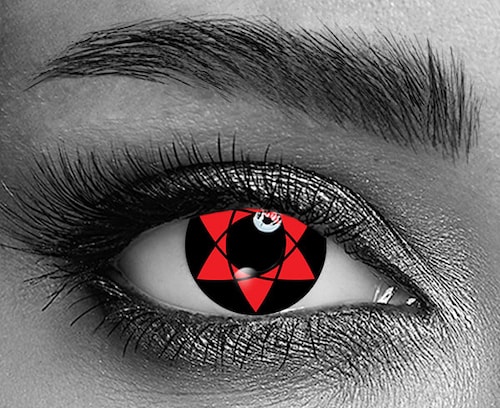
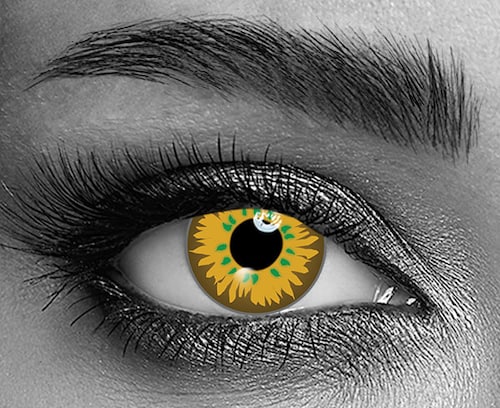
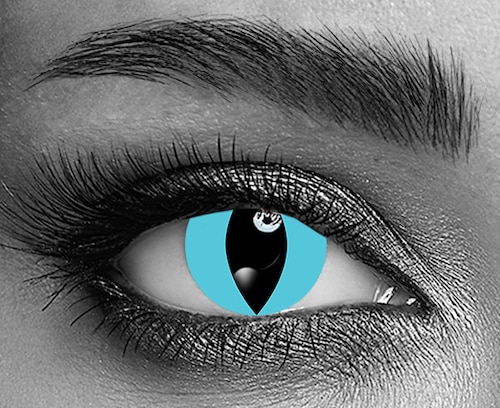
Most zero power contact lenses are designed for cosmetic use. They can enhance your natural eye color, change it to another shade, define the limbal ring around the iris, or create a dramatic effect for a costume. Their lack of corrective power doesn't affect how visible or opaque the color pattern is. The final appearance depends on the lens's tint, opacity, printed pattern, and how those features blend with your natural iris. Enhancement tints tend to produce a subtler effect on lighter eyes, while opaque tints can create a more noticeable change on both light and dark eyes.
Zero Sphere Power Isn't the Same as No Prescription
A contact lens prescription can include several measurements beyond sphere power. Someone with 0.00 sphere power could still need another type of correction or a particular fit. Depending on the lens, the prescription can include:
- Base curve: Describes the curvature of the contact lens and helps determine how it fits on your eye.
- Diameter: Measures the width of the lens from edge to edge.
- Cylinder and axis: Describe the amount and orientation of correction needed for astigmatism.
- Add power: Provides additional near correction in multifocal contacts for presbyopia.
- Brand: Identifies the specific lens approved for you, since contacts with similar measurements can still fit and perform differently.
A 0.00 sphere value therefore doesn't erase the rest of the prescription. Cosmetic contacts usually don't contain cylinder, axis, or add power, so they won't correct astigmatism or presbyopia unless the product is specifically designed and prescribed for those needs.
Zero Power Contacts Can Still Affect Vision
Plano contacts don't sharpen your eyesight, but that doesn't mean they're optically invisible. A decorative pattern that extends too close to the pupil can partially obstruct vision, particularly in dim lighting when the pupil expands. The effect can cause blur, glare, halos, or reduced contrast. A lens that shifts out of position can also move the clear center away from the pupil. Proper fitting helps keep the lens centered and confirms that its design provides acceptable vision under the conditions in which you plan to wear it.
They Require the Same Care as Corrective Contacts
Reusable zero power contacts require the same hygiene practices as corrective lenses. Wash and dry your hands before handling them, use fresh contact lens disinfecting solution, clean the storage case, and replace the lenses according to the prescribed schedule. Never expose them to tap water or share them with another person. Daily disposable plano contacts should be discarded after one wear. Reusable lenses must be removed, cleaned, disinfected, and stored after each use unless their approved instructions state otherwise.
Zero power contacts are best suited to people who want a cosmetic change without spherical vision correction. An eye examination and contact lens fitting can confirm that your vision doesn't require corrective power and that the selected lens fits safely. When prescribed and cared for correctly, plano contacts can change how your eyes look without changing the focusing power of the lens.
Compare Zero Power Lenses by Manufacturer, Material, and Price
|
Average Cost per day
|
Contact Lens Manufacturer
|
Contact Lens Material Type
|
Contact Lens Water Content Percentage
|
Contact Lens Blocks UV
|
Each Box Contains
|
Average Star Rating
|
|
|---|---|---|---|---|---|---|---|
| Psychosis | $0.02 | Novelty Mfg | 62% polymacon | 38% | 1 lenses, a 12-month supply |
|
|
| Banshee | $0.02 | Novelty Mfg | 62% polymacon | 38% | 1 lenses, a 12-month supply |
|
|
| Black Wolf | $0.02 | Novelty Mfg | 62% polymacon | 38% | 1 lenses, a 12-month supply |
|
|
| Orc | $0.02 | Novelty Mfg | 62% polymacon | 38% | 1 lenses, a 12-month supply |
|
|
| Darth Maul | $0.02 | Novelty Mfg | 62% polymacon | 38% | 1 lenses, a 12-month supply |
|
|
| Hatake | $0.02 | Novelty Mfg | 62% polymacon | 38% | 1 lenses, a 12-month supply |
|
|
| Red Wolf | $0.02 | Novelty Mfg | 62% polymacon | 38% | 1 lenses, a 12-month supply |
|
|
| Zombified | $0.32 | Novelty Mfg | 62% polymacon | 38% | 1 lenses, a 12-month supply |
|
|
| Spider Web | $0.02 | Novelty Mfg | 62% polymacon | 38% | 1 lenses, a 12-month supply |
|
|
| Vampire | $0.02 | Novelty Mfg | 62% polymacon | 38% | 1 lenses, a 12-month supply |
|
|
| Komono | $0.02 | Novelty Mfg | 62% polymacon | 38% | 1 lenses, a 12-month supply |
|
|
| Dark Elf | $0.02 | Novelty Mfg | 100% Custom Theatrical | 0% | 1 lenses, a 12-month supply |
|
|
| Black Wolf II | $0.02 | Novelty Mfg | 62% polymacon | 38% | 1 lenses, a 12-month supply |
|
|
| Blind | $0.02 | Novelty Mfg | 100% Custom Theatrical | 0% | 1 lenses, a 12-month supply |
|
|
| Bloody Shot | $0.02 | Novelty Mfg | 62% polymacon | 38% | 1 lenses, a 12-month supply |
|
Save More on Zero Power Lenses With Rebates
|
box rebate
Rebate amount with a 4 box purchase
|
Contact Lens Manufacturer
|
Contact Lens Material Type
|
Contact Lens Water Content Percentage
|
Contact Lens Blocks UV
|
Each Box Contains
|
Average Star Rating
|
|
|---|---|---|---|---|---|---|---|
| Psychosis | $75 | Novelty Mfg | 62% polymacon | 38% | 1 lenses, a 12-month supply |
|
|
| Banshee | $75 | Novelty Mfg | 62% polymacon | 38% | 1 lenses, a 12-month supply |
|
|
| Black Wolf | $75 | Novelty Mfg | 62% polymacon | 38% | 1 lenses, a 12-month supply |
|
|
| Orc | $75 | Novelty Mfg | 62% polymacon | 38% | 1 lenses, a 12-month supply |
|
|
| Darth Maul | $75 | Novelty Mfg | 62% polymacon | 38% | 1 lenses, a 12-month supply |
|
|
| Hatake | $75 | Novelty Mfg | 62% polymacon | 38% | 1 lenses, a 12-month supply |
|
|
| Red Wolf | $75 | Novelty Mfg | 62% polymacon | 38% | 1 lenses, a 12-month supply |
|
|
| Spider Web | $75 | Novelty Mfg | 62% polymacon | 38% | 1 lenses, a 12-month supply |
|
|
| Vampire | $75 | Novelty Mfg | 62% polymacon | 38% | 1 lenses, a 12-month supply |
|
|
| Komono | $75 | Novelty Mfg | 62% polymacon | 38% | 1 lenses, a 12-month supply |
|
|
| Dark Elf | $75 | Novelty Mfg | 100% Custom Theatrical | 0% | 1 lenses, a 12-month supply |
|
|
| Black Wolf II | $75 | Novelty Mfg | 62% polymacon | 38% | 1 lenses, a 12-month supply |
|
|
| Blind | $75 | Novelty Mfg | 100% Custom Theatrical | 0% | 1 lenses, a 12-month supply |
|
|
| Bloody Shot | $75 | Novelty Mfg | 62% polymacon | 38% | 1 lenses, a 12-month supply |
|
|
| White Cat | $75 | Novelty Mfg | 62% polymacon | 38% | 1 lenses, a 12-month supply |
|
Are Zero Power Contacts the Same as Plano Contacts?
Yes. Zero power contacts and plano contacts refer to contact lenses with no spherical corrective power. You'll typically see this represented as 0.00, Plano, or PL in the power field. These labels all indicate that the lens doesn't correct nearsightedness or farsightedness.
The term "zero power" describes the lens's refractive power, while "plano" is the prescription term commonly used for the same value. Both terms are frequently associated with colored, cosmetic, costume, and special-effect contacts designed to change the appearance of the eyes without correcting distance vision.
Neither term means the contacts are prescription-free. Plano lenses still require a valid contact lens prescription because the fit, material, brand, base curve, and diameter can affect eye health and comfort. They also require the same safe handling, cleaning, replacement, and wearing practices as corrective contacts.
Can Zero Power Contacts Affect Your Vision?
Yes. Zero power contacts don't correct nearsightedness or farsightedness, but they can still affect how clearly you see. Colored or decorative designs contain a clear central area for the pupil, and the surrounding printed pattern can interfere with vision when the lens shifts or your pupil expands.
This is more noticeable in dim lighting, when the pupil becomes larger and extends beyond the lens's clear optical zone. Possible visual effects include:
- Blurred or hazy vision: Part of the printed pattern can overlap your pupil and reduce clarity.
- Halos or glare: Light can scatter around the edge of the clear pupil opening, especially at night.
- Reduced contrast: Objects can appear less distinct in low-light conditions.
- Fluctuating vision: Your sight can briefly change when the contact moves during blinking.
- Restricted peripheral vision: Heavily opaque or special-effect designs can partially obstruct side vision.
Poor fit, dryness, deposits, damage, or wearing the lenses longer than prescribed can also cause blurry or unstable vision. Zero power only describes the lack of spherical correction. It doesn't mean the contact has no effect on your eyes or visual experience.
Remove the lenses when they cause persistent blur, discomfort, redness, or light sensitivity. Don't drive or perform tasks that require clear vision while experiencing these symptoms. An eye doctor can verify that the lens fits correctly and that its clear optical zone remains properly aligned with your pupil.
Can You Get Medical Contact Lenses With Zero Power?
Yes. An eye doctor can prescribe a zero-power contact lens for a medical or therapeutic purpose even when you don't need vision correction. In this setting, the lens acts as a protective device rather than changing how light focuses in your eye. Examples include:
- Bandage contact lenses: These clear soft lenses protect the cornea while it heals from an injury, surgery, recurrent erosion, or another surface condition. They can also reduce pain by limiting friction between the eyelid and cornea.
- Therapeutic lenses for severe dry eye: Certain bandage or scleral lenses can protect the ocular surface and reduce irritation. Scleral lenses hold a fluid reservoir over the cornea, although they aren't necessarily prescribed with zero power.
- Prosthetic tinted lenses: These lenses can mask an injured or irregular-looking eye, recreate the appearance of an iris, or reduce light sensitivity. They can have zero refractive power while still serving a medical and cosmetic purpose.
A standard clear plano contact isn't normally worn solely for appearance since it won't visibly change the eye. Ordinary zero-power contacts also shouldn't be used as a treatment for mild dryness. Contact lens wear can aggravate dry-eye symptoms when the lens, fit, or wearing routine doesn't suit your tear film.
Therapeutic zero-power lenses require professional fitting and follow-up care. An eye doctor must determine whether the protective benefit outweighs risks such as infection, reduced oxygen transmission, or worsening irritation.
Can You Wear Zero Power Contacts Over Prescription Contacts?
No. You shouldn't wear zero power contacts over prescription contacts. Stacking two lenses on the same eye can interfere with how they fit and move, reduce oxygen reaching the cornea, and trap tears or debris between the lenses. Layering contacts can lead to:
- Corneal hypoxia: Two lenses create a thicker barrier between the cornea and the oxygen in the surrounding air.
- Unstable vision: The lenses can shift independently, causing blur, glare, or fluctuating vision.
- Corneal injury: Friction between the lenses and eye can cause irritation, abrasions, or inflammation.
- Trapped debris: Particles caught between the lenses can scratch or irritate the cornea.
- Greater infection risk: Poor tear exchange, trapped contaminants, and corneal damage can make infection more likely.
When you need both vision correction and a cosmetic effect, ask your eye doctor about prescription colored contacts that combine the two in a single lens. Depending on the product, these lenses can correct nearsightedness or farsightedness while changing or enhancing your eye color. Some decorative contacts are only available in zero power and can't accommodate every prescription. Don't try to compensate by placing them over your regular contacts. Your eye doctor can help you find a single prescribed lens that fits correctly or suggest another safe way to create the desired look.
Why Do You Need a Prescription for Zero Power Contact Lenses?
You need a prescription for zero power contacts because 0.00 only describes the lens's focusing power. It means the lens doesn't correct nearsightedness or farsightedness. It doesn't mean the lens can't affect your eye health, comfort, or vision.
All contact lenses, including decorative and plano lenses, are medical devices regulated by the Food and Drug Administration (FDA). A contact lens prescription confirms details beyond power, including the approved brand, material, base curve, and diameter. These factors determine how the lens fits and behaves on your eye. An eye doctor also checks whether the contact:
- Covers and centers on your cornea correctly.
- Moves appropriately when you blink.
- Allows enough oxygen to reach your cornea.
- Provides a clear optical zone that aligns with your pupil.
- Produces signs of irritation, dryness, swelling, or corneal damage during a fitting.
A poorly fitted zero power lens can scratch the cornea, restrict oxygen, interfere with tear movement, or trap debris against the eye. Decorative patterns can also cause blur, glare, or reduced peripheral vision when the lens shifts or the pupil enlarges in dim lighting. Infections and corneal ulcers can develop when lenses are contaminated, shared, or worn incorrectly.
You don't need a prescription because the lens corrects your sight. You need one because the lens rests directly on living eye tissue and must fit safely. A professional fitting confirms that the specific zero power contact is suitable for your eyes and gives you the correct wearing, replacement, and care instructions.
Verify These Details Before Buying Zero Power Contacts
Once you know which zero power contacts were prescribed for you, turn your attention to the seller and the condition of the lenses. A polished website, large social media following, or low price doesn't prove that a retailer follows contact lens regulations or sells authentic products. Before placing an order, verify the following:
- Prescription verification: A legitimate seller should request a copy of your valid prescription or contact your eye doctor to verify it. A site that lets you purchase plano contacts without either step is ignoring U.S. contact lens requirements.
- Exact prescribed brand: Confirm that the retailer will provide the brand and lens specified on your prescription. Sellers shouldn't replace it with a different product simply because the power, base curve, or appearance seems similar.
- Identifiable manufacturer: The listing should name the manufacturer and provide clear product details. Be cautious of generic lenses described only by their color, pattern, or costume effect.
- Sealed original packaging: Each lens should arrive in unopened manufacturer packaging with readable labels. Don't wear lenses from damaged, leaking, opened, or tampered packages.
- Expiration and lot information: Check that the packaging displays an expiration date and lot or batch number. These details help identify the product and support traceability in the event of a recall or defect.
- Replacement schedule: Verify if the lenses are daily disposables, two-week, monthly, or another prescribed schedule. Terms such as "one-year lenses" deserve extra scrutiny when the manufacturer and approved wearing instructions aren't clearly identified.
- Real business information: Look for working customer-service channels, a physical business address, and clearly written shipping, return, and damaged-product policies. Anonymous sellers operating solely through social media, flea markets, salons, or costume shops are poor sources for medical devices.
- Care instructions: Reusable contacts should come with manufacturer guidance covering cleaning, disinfection, storage, and replacement. Avoid sellers promoting tap water, homemade saline, lens sharing, or sleeping in contacts without medical approval.
Extremely low prices, unbranded packaging, exaggerated claims, and "no prescription needed" advertising are warning signs. Customer reviews can reveal recurring problems with packaging or fulfillment, but positive reviews don't establish that a contact lens is authentic or safe.
When your order arrives, compare the brand, lens type, base curve, diameter, power, and replacement schedule on the box with what you ordered before opening it. Contact the seller and your eye doctor when any detail is different.
References
Colored and Decorative Contact Lenses: A Prescription Is a Must. U.S. Food and Drug Administration. https://www.fda.gov/consumers/consumer-updates/colored-and-decorative-contact-lenses-prescription-must. Updated October 24, 2022. Accessed August 11, 2026.
Buying Prescription Glasses or Contact Lenses: Your Rights. Federal Trade Commission. https://consumer.ftc.gov/articles/buying-prescription-glasses-or-contact-lenses-your-rights. Accessed August 11, 2026.
About Decorative Contact Lenses. Centers for Disease Control and Prevention. https://www.cdc.gov/contact-lenses/about/about-decorative-contact-lenses.html. Updated May 15, 2024. Accessed August 11, 2026.
About Cleaning, Disinfecting, and Storing Contact Lenses. Centers for Disease Control and Prevention. https://www.cdc.gov/contact-lenses/about/about-cleaning-disinfecting-and-storing-contact-lenses.html. Updated May 15, 2024. Accessed August 11, 2026.
The Growing Role of Scleral Contact Lenses in Corneal Rehabilitation. American Academy of Ophthalmology. https://www.aao.org/education/current-insight/growing-role-of-scleral-contact-lenses-in-corneal-. Accessed August 11, 2026.
Treatment of Recurrent Corneal Erosions. American Academy of Ophthalmology. https://www.aao.org/eyenet/article/treatment-of-recurrent-corneal-erosions. Published March 1, 2013. Accessed August 11, 2026.