
Scleral Contact Lenses Cost
Scleral contact lenses cost more than standard soft contacts because they typically require the individualized fitting and measurements associated with custom contact lenses, along with a lens design tailored to your eyes. The total price can vary based on your prescription, eye condition, fitting appointments, lens material, and whether insurance covers part of the expense. Knowing what goes into scleral lens pricing can help you plan for both the initial fitting and ongoing replacement costs.
Explore scleral contact lens options designed for specialized vision needs and learn which lens type, fitting approach, and wearing plan may be right for you.




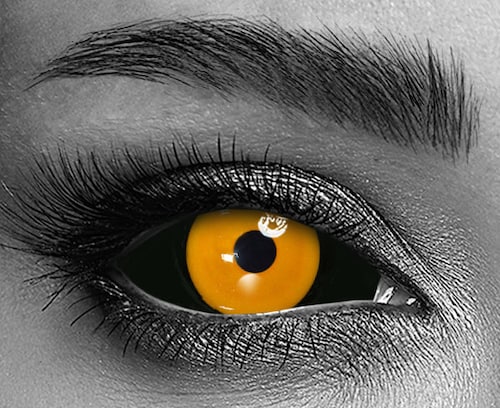
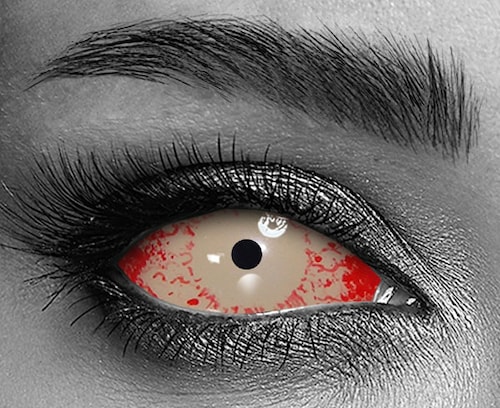
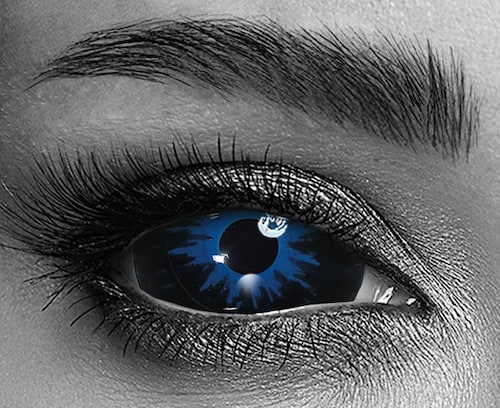
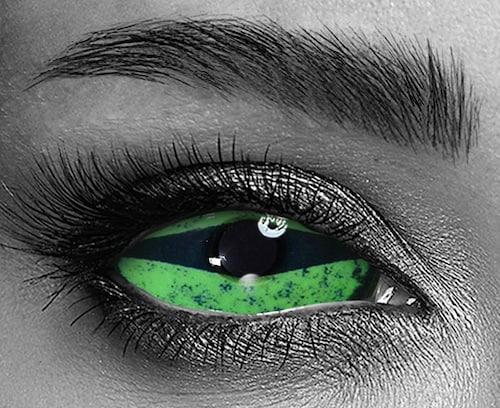
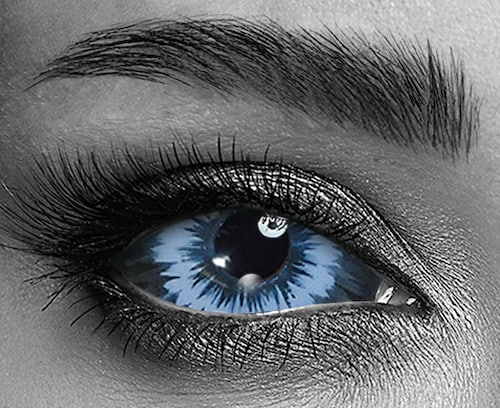
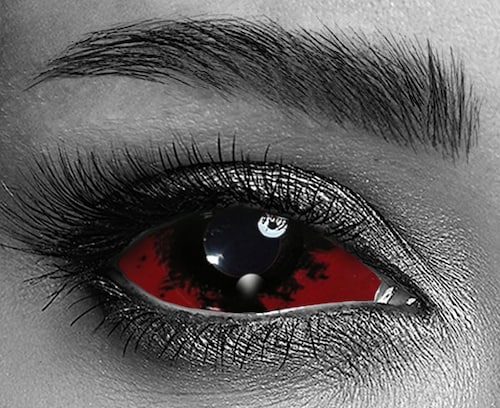
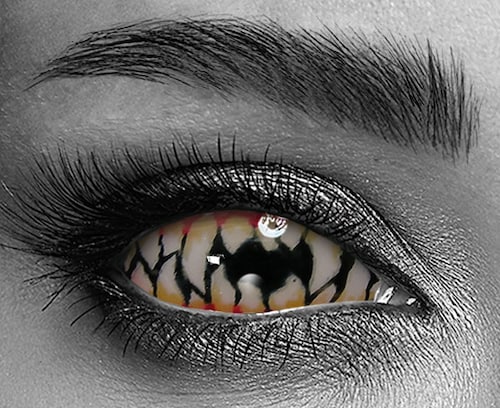
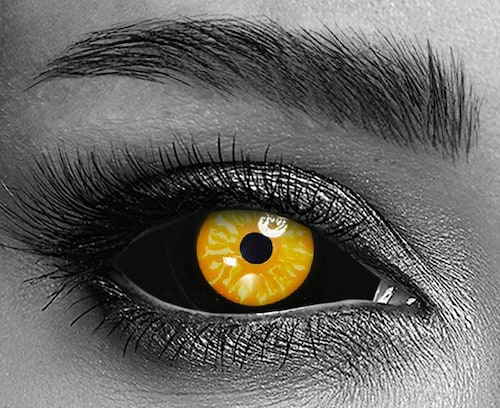
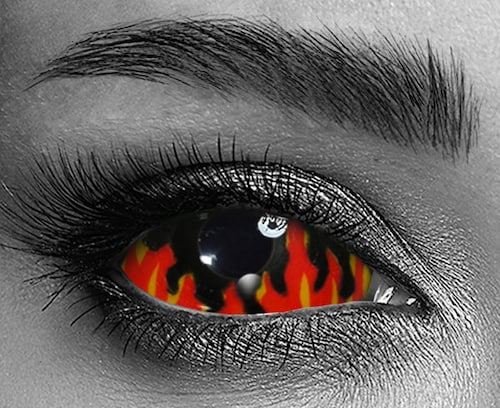
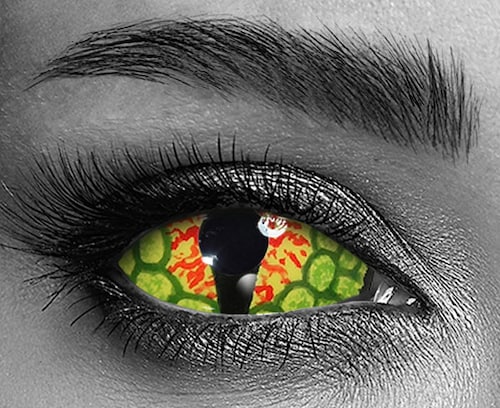
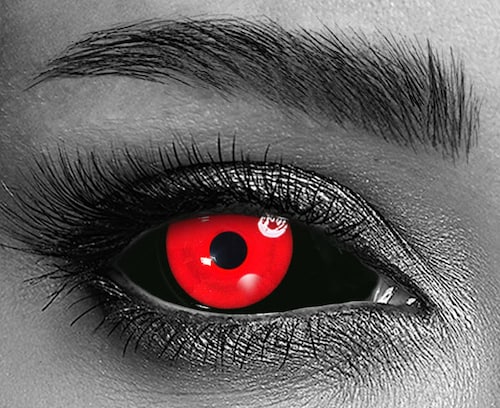
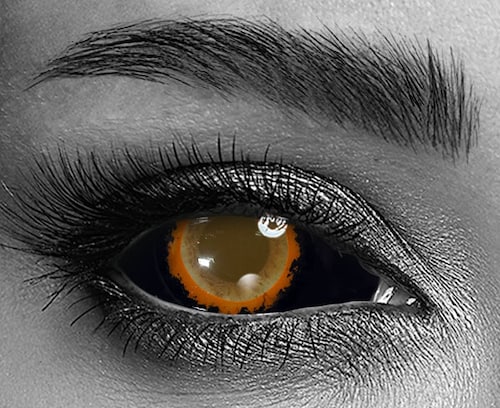
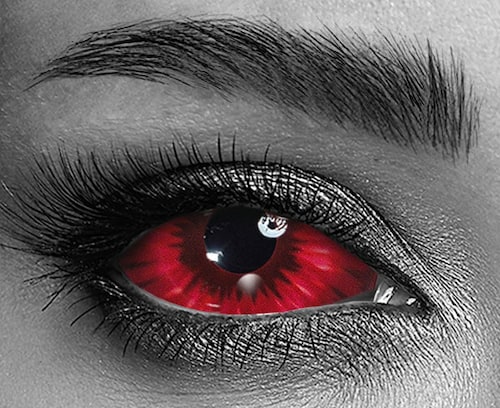
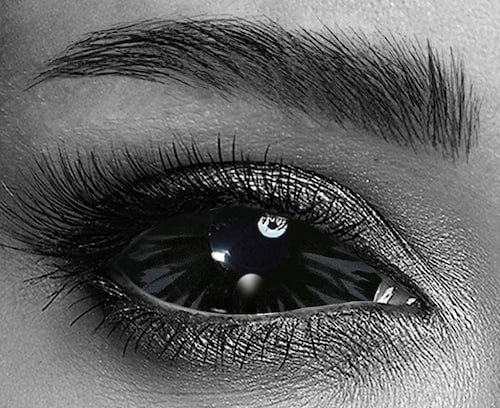

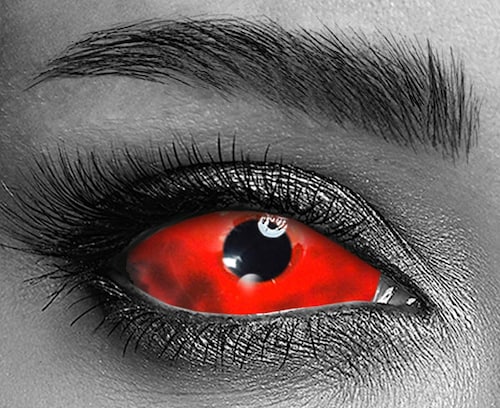
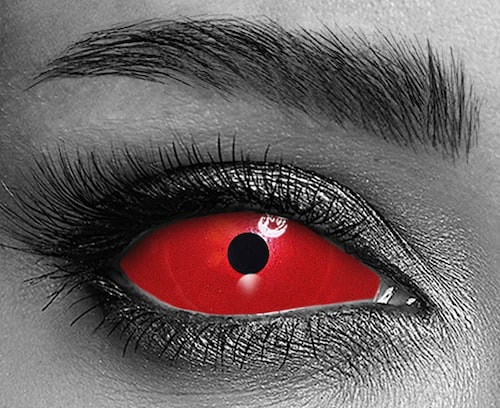
What Are Scleral Contact Lenses?
Scleral contact lenses are large-diameter, rigid gas-permeable lenses designed to vault over the cornea rather than rest directly on it. Their edges land on the sclera, the white part of the eye, while the space between the lens and cornea holds a reservoir of preservative-free fluid. This design creates a smooth optical surface that can improve vision while keeping the corneal surface hydrated.
These specialty lenses are commonly prescribed for people with irregular corneas, keratoconus, severe dry eye, corneal scarring, and other ocular surface conditions. They can also correct refractive errors such as myopia, hyperopia, and astigmatism in appropriate patients. Since scleral lenses are fitted to the shape and needs of each eye, getting them typically involves detailed measurements and professional fitting rather than choosing a standard lens size.
Conditions Commonly Treated With Scleral Lenses
Scleral lenses are used for more than vision correction. Their large diameter, stable fit, and fluid-filled space over the cornea make them especially useful for people with irregular corneas, severe dryness, and certain ocular surface conditions.
Keratoconus and corneal ectasia
Scleral lenses can create a smoother optical surface over an irregular or cone-shaped cornea, which can improve vision when glasses or standard soft contacts don't provide enough correction. They're one type ofhard contact lens for keratoconus and are also used for other forms of corneal ectasia, including pellucid marginal degeneration.
Severe dry eye
The space between a scleral lens and the cornea holds fluid against the eye throughout wear. This can make scleral lenses one option amongcontacts for dry eyes for people who need added protection and hydration at the corneal surface.
Irregular astigmatism and corneal irregularities
When the cornea has an uneven shape, scleral lenses can provide a more regular surface for light to pass through. This can improve visual clarity in cases where conventional contact lenses struggle to compensate for the irregularity.
Corneal scarring or injury
Scarring and other damage to the cornea can distort its surface and affect vision. Scleral lenses can help create a smoother optical surface while limiting direct contact with the damaged cornea.
Ocular surface disorders
Certain conditions that affect the surface of the eye can lead to dryness, irritation, or corneal damage. Scleral lenses can provide a protective fluid reservoir over the cornea and are sometimes prescribed as part of managing these more complex eye conditions.
Popular Scleral Contact Lenses
Lens Materials and Replacement Schedules
|
Average Cost per day
|
Contact Lens Manufacturer
|
Contact Lens Material Type
|
Contact Lens Water Content Percentage
|
Contact Lens Blocks UV
|
Each Box Contains
|
Average Star Rating
|
|
|---|---|---|---|---|---|---|---|
| Dune | $0.37 | Novelty Mfg | 100% Custom Theatrical | 0% | 1 lenses, a 12-month supply |
|
|
| Black Sclera | $0.37 | Novelty Mfg | 62% Custom Theatrical | 38% | 1 lenses, a 12-month supply |
|
|
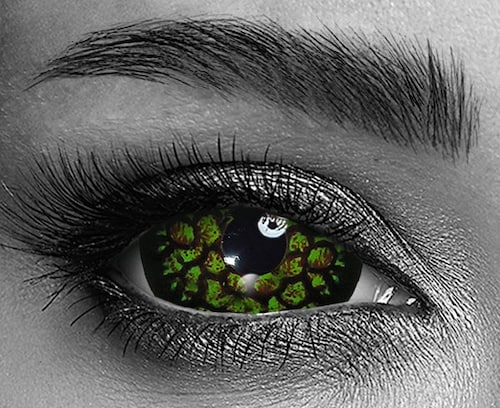
| Medusa | $0.57 | Novelty Mfg | 100% Custom Theatrical | 0% | 1 lenses, a 12-month supply |
|
|
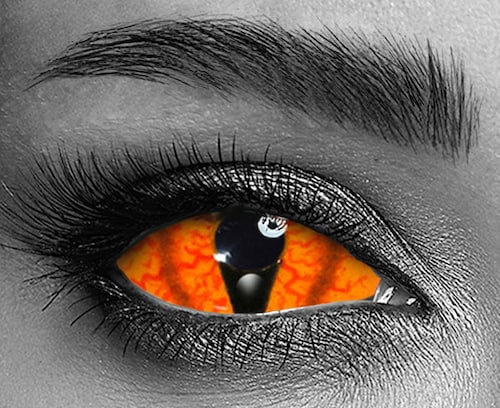
| Bahamut | $0.58 | Novelty Mfg | 100% Custom Theatrical | 0% | 1 lenses, a 12-month supply |
|
|
| Zabos | $0.61 | Novelty Mfg | 100% Custom Theatrical | 0% | 1 lenses, a 12-month supply |
|
|
| Yellow Sclera | $0.61 | Novelty Mfg | 100% Custom Theatrical | 0% | 1 lenses, a 12-month supply |
|
|
| White Out Sclera | $0.61 | Novelty Mfg | 100% Custom Theatrical | 0% | 1 lenses, a 12-month supply |
|
|
| Species | $0.58 | Novelty Mfg | 100% Custom Theatrical | 0% | 1 lenses, a 12-month supply |
|
|
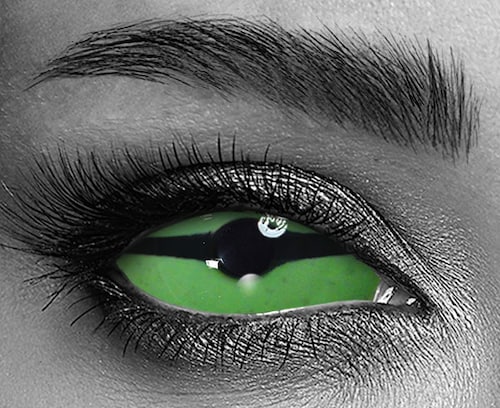
| Slither | $0.61 | Novelty Mfg | 100% Custom Theatrical | 0% | 1 lenses, a 12-month supply |
|
|
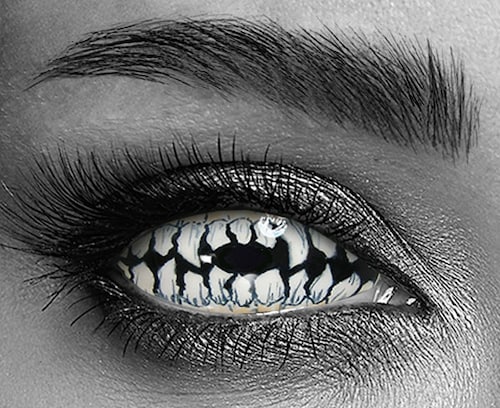
| Skeletal Teeth | $0.67 | Novelty Mfg | 100% Custom Theatrical | 0% | 1 lenses, a 12-month supply |
|
|
| Scarecrow | $0.58 | Novelty Mfg | 100% Custom Theatrical | 0% | 1 lenses, a 12-month supply |
|
|
| Risen Dead | $0.58 | Novelty Mfg | 100% Custom Theatrical | 0% | 1 lenses, a 12-month supply |
|
|
| Raze | $0.58 | Novelty Mfg | 100% Custom Theatrical | 0% | 1 lenses, a 12-month supply |
|
|
| Predator | $0.61 | Novelty Mfg | 100% Custom Theatrical | 0% | 1 lenses, a 12-month supply |
|
|
| Lycan Evolution | $0.61 | Novelty Mfg | 100% Custom Theatrical | 0% | 1 lenses, a 12-month supply |
|
Save More With Contact Lens Rebates
|
Contact Lens Manufacturer
|
Contact Lens Material Type
|
Contact Lens Water Content Percentage
|
Contact Lens Blocks UV
|
Each Box Contains
|
Average Star Rating
|
|---|
Scleral Lenses vs. Regular Contact Lenses
Scleral and regular contact lenses can both correct vision, but their designs and typical uses are quite different. Scleral lenses are larger specialty lenses that vault over the cornea, while regular contacts sit closer to the eye's surface and are commonly prescribed for everyday refractive errors.
Scleral contact lenses
Scleral lenses are large, rigid gas-permeable lenses that rest on the sclera while creating a fluid-filled space over the cornea. Their design can provide a smooth optical surface and continuous hydration, making them useful for people with irregular corneas, keratoconus, severe dry eye, or other complex ocular surface conditions. They also require a more specialized fitting process to match the shape and needs of your eyes.
Regular contact lenses
Regular contact lenses are typically smaller and sit directly over or conform closely to the cornea. Soft contacts are commonly used to correct nearsightedness, farsightedness, astigmatism, and presbyopia, and they're available in standardized replacement schedules and prescription parameters. Their fitting process is typically more straightforward than the customized fitting required for scleral lenses.
The Comfort and Vision Benefits of Scleral Lenses
Scleral lenses are designed to provide stable vision and greater comfort, especially for people with irregular corneas or ocular surface conditions. Their larger size and fluid-filled design can create a smoother optical surface while limiting direct contact with the cornea.
- Scleral lenses can provide sharper and more stable vision by creating a smooth refractive surface over an irregular cornea.
- The preservative-free fluid held between the lens and the cornea helps keep the eye hydrated during wear.
- Since the lens vaults over the cornea instead of resting directly on it, some wearers find scleral lenses to be among the morecomfortable contact lenses, especially compared with smaller rigid lenses.
- The lens and fluid reservoir can help protect the corneal surface from friction and exposure to the surrounding environment.
- Their larger diameter helps the lenses stay relatively stable on the eye, which can support more consistent vision throughout the day.
How to Store Scleral Contact Lenses Properly
Proper storage helps keep scleral lenses clean, disinfected, and ready for your next wear. Always follow the care system recommended by your eye care professional, since storage instructions can vary depending on the disinfecting solution you use.
- Clean the lenses after removal. Wash and dry your hands, then rub both sides of each scleral lens with the recommended cleaning or disinfecting solution to remove deposits and debris.
- Use fresh disinfecting solution. Place the lenses in a clean contact lens case with fresh solution each time. Never reuse old solution or top it off with new solution.
- Keep the lenses fully submerged during routine storage. When using an approved multipurpose care system, make sure the lenses remain covered by the solution while stored.
- Keep water away from the lenses and case. Don't rinse or store scleral lenses in tap or distilled water, since water can expose contact lenses to microorganisms that can cause serious eye infections.
- Clean the storage case after every use. Empty the used solution, rub and rinse the case with fresh contact lens solution, and leave it upside down with the caps off to air-dry.
- Replace the lens case regularly. Use a new storage case at least every three months, or sooner when directed by your eye care professional or care-system instructions.
- Follow separate instructions for long-term storage. Backup or rarely used scleral lenses can require different storage methods, so disinfect them first and follow your eye care professional's directions before storing them for an extended period.
Can You Shower or Swim With Scleral Lenses?
You shouldn't shower or swim while wearing scleral contact lenses. Water from showers, pools, lakes, oceans, and hot tubs can contain microorganisms that can become trapped between a contact lens and the eye, increasing the risk of serious eye infections. Even tap water shouldn't come into contact with your lenses, so removing them before water-based activities is the safest approach.
If your scleral lenses are accidentally exposed to water, remove them as soon as possible and follow the cleaning and disinfection instructions provided by your eye care professional before wearing them again. Seek professional eye care promptly if you develop unusual redness, eye pain, light sensitivity, blurred vision, or other signs of irritation or infection after water exposure.
How to Insert Scleral Contact Lenses
Inserting scleral lenses takes a little more preparation than applying standard soft contacts because the lens must remain filled with fluid as it goes onto the eye. Following the same careful routine each time can help you avoid trapped air bubbles and keep the lens clean.
- Wash and dry your hands thoroughly. Use soap and water, then dry your hands completely with a clean, lint-free towel before handling contact lens.
- Remove and inspect the lens. Take the scleral lens from its case and check it for debris, damage, or deposits before application.
- Rinse the lens with sterile solution. Rinse it with sterile saline or the scleral lens application solution recommended by your eye care professional, and never use tap or distilled water.
- Position the lens securely. Balance the lens on a scleral lens applicator or use your thumb, index finger, and middle finger to create a stable tripod.
- Fill the lens completely with fluid. Fill the bowl of the lens with the recommended preservative-free solution so the fluid reaches the edge without leaving air inside.
- Lean forward and open your eyelids wide. Keep your face parallel to the floor and hold both eyelids apart widely enough that they won't touch the edge of the lens during application.
- Bring the lens straight toward your eye. Look directly toward the center of the lens and gently place it onto the eye without tilting it or spilling the fluid.
- Check for air bubbles. Once the lens is in place, look in a mirror for bubbles beneath it. Remove, refill, and reinsert the lens if you see a trapped bubble, since bubbles can affect comfort and vision.
References
About Cleaning, Disinfecting, and Storing Contact Lenses. Centers for Disease Control and Prevention. https://www.cdc.gov/contact-lenses/about/about-cleaning-disinfecting-and-storing-contact-lenses.html. Published May 27, 2025. Accessed August 10, 2026.
Current Trends in Scleral Lens Prescription, Management, and Evaluation. PubMed, U.S. National Library of Medicine. https://pubmed.ncbi.nlm.nih.gov/36694309/. Published February 1, 2023. Accessed August 10, 2026.
Healthy Habits: Keeping Water Away From Contact Lenses. Centers for Disease Control and Prevention. https://www.cdc.gov/contact-lenses/about/healthy-habits-keeping-water-away-from-contact-lenses.html. Published May 27, 2025. Accessed August 10, 2026.
Quality of Life and Vision Assessment With Scleral Lenses in Keratoconus. PubMed, U.S. National Library of Medicine. https://pubmed.ncbi.nlm.nih.gov/38988786/. Published October 24, 2023. Accessed August 10, 2026.
Therapeutic Uses of Scleral Contact Lenses for Ocular Surface Disease: Patient Selection and Special Considerations. PubMed, U.S. National Library of Medicine. https://pubmed.ncbi.nlm.nih.gov/30319297/. Published July 11, 2018. Accessed August 10, 2026.
Types of Contact Lenses. U.S. Food and Drug Administration. https://www.fda.gov/medical-devices/contact-lenses/types-contact-lenses. Published January 16, 2018. Accessed August 10, 2026.
Update on Indications, Complications, and Outcomes of Scleral Contact Lenses. PubMed, U.S. National Library of Medicine. https://pubmed.ncbi.nlm.nih.gov/37641653/. Published February 24, 2022. Accessed August 10, 2026.
What Are Scleral Lenses? Cleveland Clinic. https://my.clevelandclinic.org/health/treatments/scleral-lenses. Published May 28, 2024. Accessed August 10, 2026.