
Hard Contacts for Astigmatism
Hard contacts for astigmatism usually refer to rigid gas permeable contact lenses, also called RGP or GP lenses. These lenses keep their shape on the eye, which may help create a smoother focusing surface for wearers with astigmatism, irregular astigmatism, or corneal shape concerns that standard soft contact lenses may not fully correct. Some older hard lens materials may also appear in catalogs, but modern gas permeable lenses are generally chosen because they allow oxygen to pass through the lens material.
Choose the exact hard lens material, lens name, power, base curve, diameter, and any custom fitting details written on your current contact lens prescription. Do not switch from hard contacts to soft toric lenses, scleral lenses, hybrid lenses, or another RGP material unless your eye doctor has fitted and approved the change.
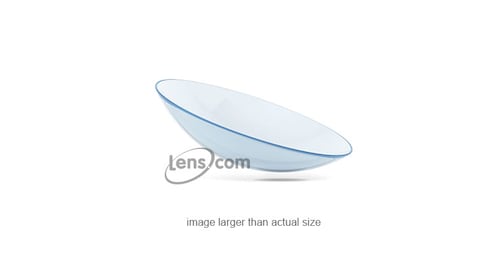
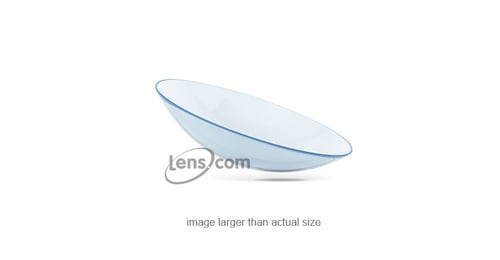
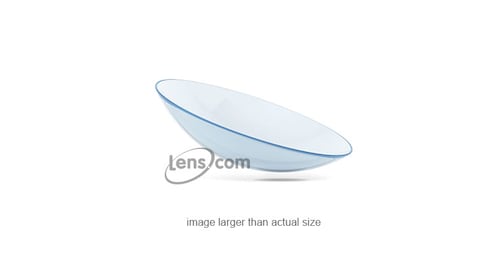
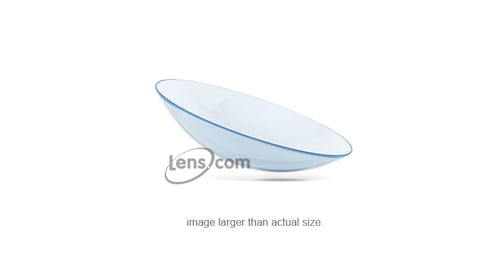
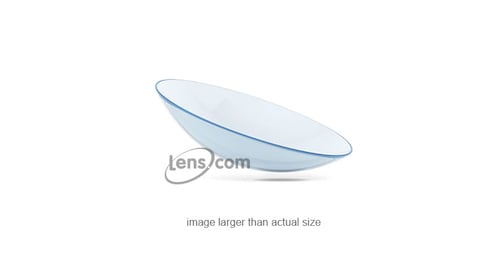
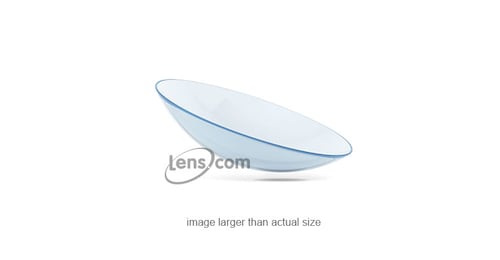
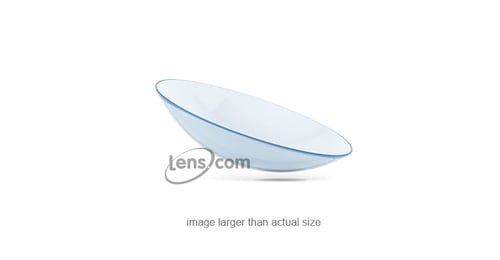
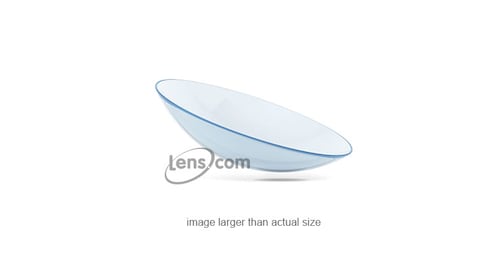
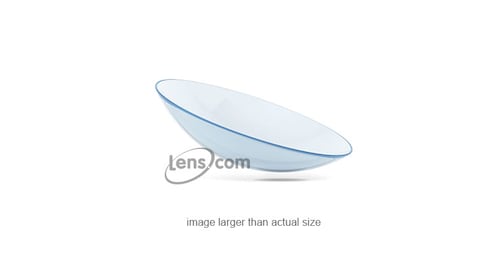
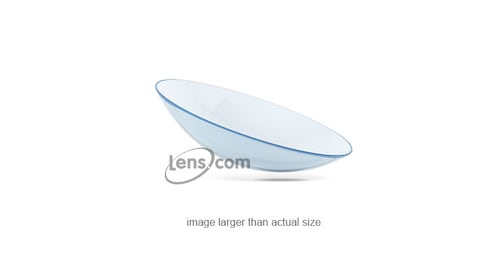
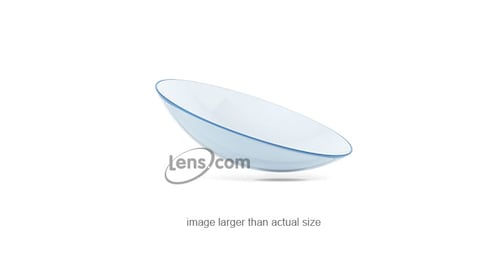
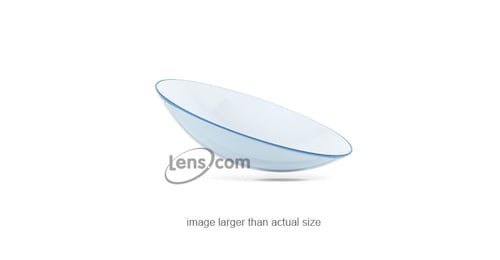
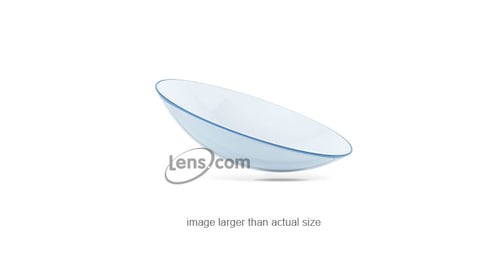
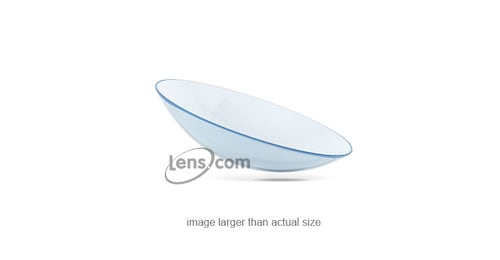
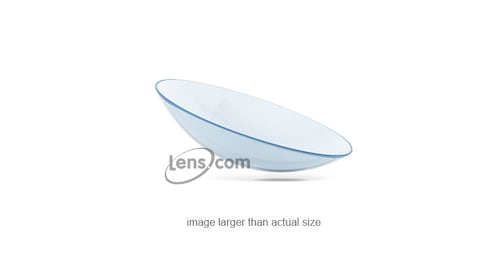
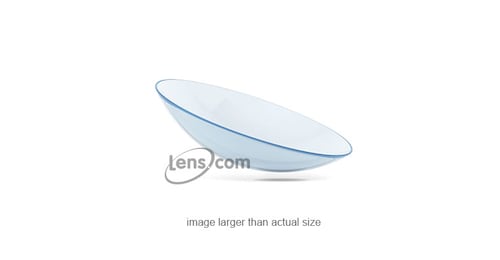
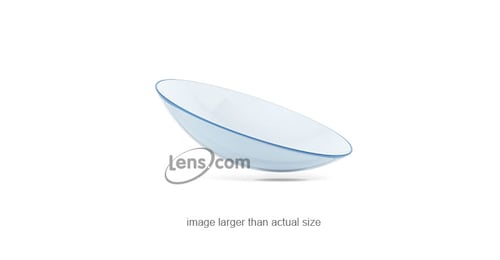
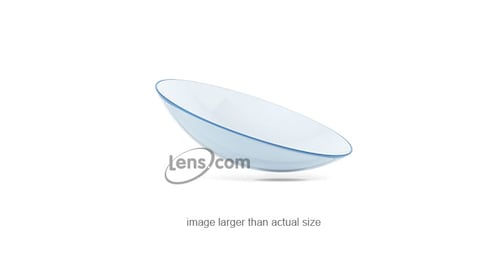
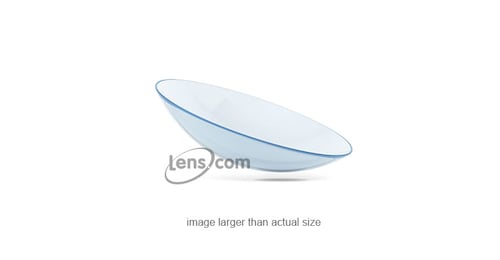
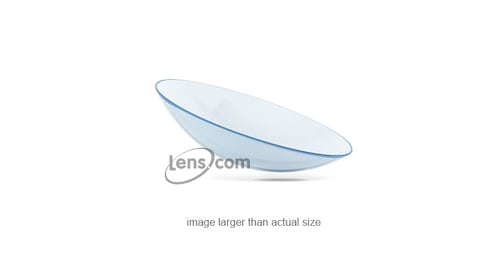
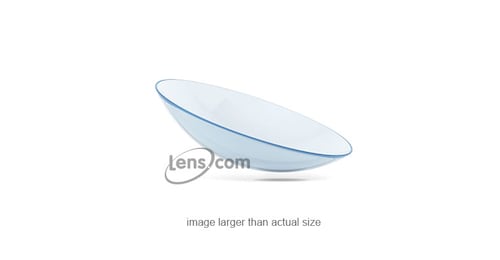
How Hard Contacts for Astigmatism Support Clearer, More Stable Vision
Hard contact lenses for astigmatism use a firm lens surface, custom fit, and gas permeable material to help manage certain astigmatism prescriptions.
1. Firm Lens Shape
RGP lenses hold their shape instead of draping closely over the cornea like soft lenses. This firm surface may help smooth out the way light enters the eye, especially when astigmatism or corneal irregularity makes vision look blurry, shadowed, or distorted.
2. Custom Fit and Lens Movement
Hard contacts need a precise fit based on your corneal shape, prescription, tear film, and comfort response. The lens should move enough for tear exchange but not so much that it shifts, rubs, or causes unstable vision.
3. Reusable RGP Care Routine
Hard contacts are reusable lenses, so they require consistent cleaning, conditioning, disinfection, and storage. Use the RGP care system recommended by your eye doctor, keep the case clean, and replace lenses when the material, surface, fit, or prescription requires it.
Why Wearers Choose Hard Contacts for Astigmatism
Wearers may choose hard contacts for astigmatism when they need sharper optics, custom fitting, or correction beyond a standard soft spherical lens.
- RGP lenses may help some wearers with astigmatism get clearer, crisper vision than soft spherical contacts.
- Hard contacts may be considered for regular astigmatism, corneal astigmatism, irregular astigmatism, keratoconus, or post-surgical corneal changes.
- Other gas permeable lens options may include Fluoroperm 30, Fluoroperm 60, Fluoroperm 92, Paragon HDS, Paragon HDS 100, Paragon Thin, Polycon II, SA 18, and SA 32.
- RGP lenses can be custom fitted when soft toric contact lenses do not provide the needed stability, clarity, or prescription range.
- Some wearers notice hard lenses more at first, so an adaptation period is common.
- RGP lenses require more precise fitting than many soft disposable lenses.
- Hard contacts need separate cleaning and conditioning steps approved for gas permeable materials.
- Replacement timing depends on lens condition, fit, deposits, scratches, prescription changes, and eye doctor guidance.
- Backup glasses may still be useful for days when your hard contacts are not worn.
- Pain, strong redness, light sensitivity, discharge, or sudden vision changes should be checked by an eye doctor right away.
What to Check Before Ordering Hard Contacts for Astigmatism
Before ordering, confirm that the exact hard lens material, fitting details, and care routine match your eye doctor's prescription.
Exact Lens Material and Name
Match the full lens material or product name on your prescription. Boston XO, Boston XO2, Boston ES, Optimum Comfort, Fluoroperm 60, Paragon HDS, Polycon II, SA 18, and SA 32 are different hard lens materials or products. Do not substitute one RGP lens for another unless your eye doctor approves the change.
Full Fitting Parameters
Check the base curve, diameter, power, and any custom fitting notes for each eye. Hard contacts are not ordered by sphere power alone because fit, movement, edge design, and corneal shape affect the result. Your right and left eyes may need different values.
Astigmatism Type
Confirm whether your astigmatism is regular, irregular, corneal, lenticular, or related to another eye condition. Some wearers do well with soft toric contacts, while others need RGP, scleral, hybrid, or other specialty contact lenses. Your eye doctor should explain which lens type fits your diagnosis and prescription.
Care Routine and Replacement Timing
Use only the cleaner, conditioner, disinfecting solution, wetting solution, or hydrogen peroxide system approved for your RGP lenses. Do not use soft lens products unless your eye doctor says they are safe for the exact hard lens material. Replace lenses when your eye doctor recommends it or when scratches, deposits, warping, discomfort, or prescription changes affect wear.
Are Hard Contact Lenses Better for Astigmatism?
Hard contact lenses may be better for some astigmatism prescriptions, but they are not better for every wearer. RGP lenses can provide sharper optics when a firm lens surface helps manage corneal shape or irregular astigmatism. Soft toric lenses may be more comfortable at first and may work well for many regular astigmatism prescriptions. Your eye doctor should compare vision clarity, comfort, corneal health, lens movement, and wearing time before deciding.
Hard contacts also take more adjustment for many new wearers. They may feel more noticeable than soft lenses during the first days or weeks of wear. They also need a specific care routine and more detailed fitting measurements. The better option is the lens your eye doctor confirms gives safe fit, stable vision, and wearable comfort.
Can Hard Contacts Correct Astigmatism?
Yes, RGP contact lenses can correct astigmatism for some wearers when they are fitted correctly. The firm surface of an RGP lens can help create a smoother front focusing surface over the cornea. This may be useful for astigmatism that does not correct well with regular soft spherical contacts. It may also help some wearers with irregular astigmatism or corneal shape changes.
Hard contacts do not cure astigmatism or change the underlying eye shape permanently. They correct vision only while the lenses are worn. If vision stays blurry, shifts, or clears only after blinking, the lens fit may need to be checked. Do not reorder old hard lenses if your vision or comfort has changed.
How Do RGP Lenses Correct Astigmatism?
Rigid gas permeable contact lenses can help correct astigmatism by using a rigid lens surface and tear layer to improve how light focuses through the eye.
1. The Lens Keeps Its Shape
Soft lenses bend more closely to the eye surface, while RGP lenses keep a firmer shape. This firm shape can help create more even focusing on certain astigmatism patterns.
2. The Tear Layer Fills Uneven Areas
A thin layer of tears sits between the back of the RGP lens and the front of the eye. This layer can help smooth corneal irregularities while the lens is worn.
3. The Fit Controls the Result
The lens needs the right curve, diameter, movement, and edge relationship. A lens that is too tight, too loose, too flat, or too steep may cause blur, discomfort, or corneal irritation.
Contacts vs Soft Toric Contacts for Astigmatism
Rigid gas permeable contact lenses can help correct astigmatism by using a rigid lens surface and tear layer to improve how light focuses through the eye.
1. The Lens Keeps Its Shape
Soft lenses bend more closely to the eye surface, while RGP lenses keep a firmer shape. This firm shape can help create more even focusing on certain astigmatism patterns.
2. The Tear Layer Fills Uneven Areas
A thin layer of tears sits between the back of the RGP lens and the front of the eye. This layer can help smooth corneal irregularities while the lens is worn.
3. The Fit Controls the Result
The lens needs the right curve, diameter, movement, and edge relationship. A lens that is too tight, too loose, too flat, or too steep may cause blur, discomfort, or corneal irritation.
Contacts vs Soft Toric Contacts for Astigmatism
Hard contacts and soft toric contact lenses may both be considered for astigmatism, but the better choice depends on your eyes.
Hard Contacts
Hard contacts may suit wearers who need sharper optics, custom correction, or help with corneal irregularity. They may feel more noticeable at first and require a gradual wearing schedule.
Soft Toric Contacts
Soft toric contacts may suit wearers with regular astigmatism who want a flexible lens that often feels comfortable more quickly. They must stay properly oriented so the cylinder and axis correction remain aligned.
Choosing Between Them
Your eye doctor should compare vision, fit, rotation, comfort, dryness, and wearing time during trial wear. A lens that looks good on paper may still need adjustment once it is placed on your eye.
Why Are Astigmatism Contacts So Uncomfortable?
Astigmatism contacts can feel uncomfortable for several reasons, including fit, dryness, lens movement, lens rotation, deposits, or a care routine that is not working well.
Common causes include:
- The lens does not center or move correctly.
- The lens rotates too much during blinking.
- The material does not match your tear film well.
- The wearing time is too long for your eyes.
- Deposits or scratches may build up on reusable contact lenses and affect comfort.
- The cleaning or conditioning solution is not right for the lens.
- Dry air, allergies, medications, or screen use are affecting comfort.
Remove the lenses if discomfort becomes painful or does not improve. Ask your eye doctor to check fit, surface condition, corneal response, and lens care before ordering more.
Hard Contacts for Irregular Astigmatism
Hard contacts may be considered for irregular astigmatism when glasses or standard soft lenses do not provide enough clarity. Irregular astigmatism can happen when the cornea does not have a smooth, even curve. RGP lenses may help by creating a firmer optical surface while tears fill small uneven areas beneath the lens. This can improve sharpness for some wearers while the lens is worn.
A standard toric soft lens may not fully correct irregular astigmatism. Your eye doctor may use corneal measurements, diagnostic lenses, and follow-up checks to decide whether RGP, scleral, hybrid, or other specialty contact lenses are better suited to your eyes. The goal is clear vision without harmful pressure, rubbing, or unstable movement. Do not order a hard lens for irregular astigmatism without a completed fitting.
What Are the Disadvantages of Hard Contact Lenses?
Hard contact lenses can provide clear vision for some astigmatism prescriptions, but they also have trade-offs. They often feel more noticeable at first than soft lenses and may take longer to adapt to. They can dislodge more easily for some wearers, especially if the fit is not stable or the eye is exposed to dust. They also require a more specific cleaning, conditioning, and storage routine than soft daily disposable lenses.
May be a good match if:
- Your eye doctor confirms that RGP optics improve your vision.
- You can adapt gradually to the lens feel.
- You can follow the care routine every day.
- Your lens centers, moves, and wets properly.
- You attend follow-up visits to monitor fit and eye health.
Recheck before ordering if:
- The lens causes pain or strong awareness.
- Your eye stays red after removal.
- The lens pops out or shifts often.
- You are using the wrong solution.
- You want to replace a specialty lens without a new fitting.
How to Choose Hard Contacts for Astigmatism
Choosing hard contacts for astigmatism starts with professional measurements and trial wear.
Step 1. Confirm the Astigmatism Type
When comparing contacts for astigmatism, ask whether your astigmatism is regular, irregular, corneal, lenticular, or related to another eye condition. This helps your eye doctor decide whether a soft toric, RGP, scleral, hybrid, or another specialty lens is more appropriate.
Step 2. Compare Trial Lens Results
Trial lenses help check clarity, movement, centering, edge comfort, tear exchange, and corneal response. A lens that gives sharp vision but feels painful or rubs the cornea may still need changes.
Step 3. Review Care and Replacement
Make sure you can clean, condition, disinfect, store, and replace the lenses as directed. Hard contacts may last longer than soft disposable lenses, but they still need inspection and replacement when their fit or surface condition changes.
How to Buy Hard Contacts for Astigmatism Online
You can order hard contact lenses online for astigmatism when you have a current prescription for the exact RGP lens fitted by your eye doctor.
Before completing the order, confirm:
- Complete lens material or product name
- Right-eye and left-eye prescription details
- Base curve and diameter
- Lens power and custom fitting notes
- Quantity needed for one eye or both eyes
- Approved RGP care system
- Replacement timing recommended by your eye doctor
- Current price and eligible rebates
- Shipping charges and estimated delivery
- Return, exchange, or remake policy
- Prescription-verification requirements
- Eye doctor approval before changing materials, curves, or lens designs
Inspect the lenses and packaging when they arrive. Do not wear lenses that are damaged, mislabeled, scratched, warped, uncomfortable, or different from your prescription.
References
Can Your Astigmatism Be Fixed Permanently or Cured? ACUVUE / Johnson & Johnson Vision. https://www.acuvue.com/en-us/eye-health/astigmatism/treatments/. Date Accessed: July 24, 2026.
Toric Contact Lenses and How They Correct Astigmatism. ACUVUE / Johnson & Johnson Vision. https://www.acuvue.com/en-us/eye-health/astigmatism/toric-contact-lenses/. Date Accessed: July 24, 2026.
How Long Do Contacts Last? What To Know Before Getting Reusable or Daily Lenses. Cleveland Clinic / Wes Immler, OD. https://health.clevelandclinic.org/how-often-should-i-change-my-contact-lenses. Date Accessed: July 24, 2026.
Contact Lenses. Bharat Gurnani and Kirandeep Kaur / StatPearls, NCBI Bookshelf. https://www.ncbi.nlm.nih.gov/books/NBK580554/. Date Accessed: July 24, 2026.
Astigmatism. Bharat Gurnani and Kirandeep Kaur / StatPearls, NCBI Bookshelf. https://www.ncbi.nlm.nih.gov/books/NBK582142/. Date Accessed: July 24, 2026.