Daily Soft Contact Lenses
Daily soft contact lenses are thin, flexible lenses made from hydrogel or silicone hydrogel materials that conform to the eye's surface. Daily disposable versions are designed for one wearing session, so you insert a fresh pair, remove them before sleeping, and discard them after use. Unlike reusable soft contact lenses, daily disposables don't require overnight cleaning, disinfection, or storage. They come in different materials and prescription options to accommodate individual vision needs and wearing preferences.
Daily soft contacts can correct nearsightedness, farsightedness, astigmatism, and presbyopia, depending on the product. Their thin, adaptable design can make them easier for new wearers to get accustomed to than rigid gas permeable contact lenses, which maintain a firmer shape. Daily disposables suit regular wear, sports, travel, and occasional activities without requiring a reusable lens care routine. Compare the available products by material, corrective design, moisture characteristics, and box quantity, then order the exact lenses prescribed by your eye doctor.
to
to
to
to
to
to
to
to
to
to
to
to
to
to
to
to

to
to

to
to
to
to
to
to
to
to
to
to
to
to
to
to
to
to
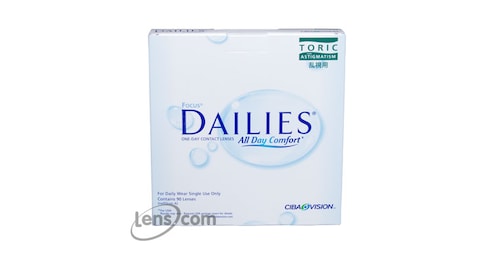
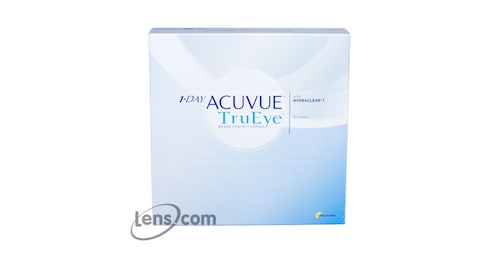
Why Daily Soft Contacts Are Popular For Everyday Wear
Daily soft contacts combine a thin, adaptable lens material with prescription options for different vision needs. Their design makes them suitable for activities where eyeglasses feel restrictive, while the single-use replacement schedule removes the need to store lenses overnight.
Comfortable To Wear
Soft contact lenses are made from pliable materials that conform to the ocular surface. This reduces initial lens awareness for some wearers compared with rigid gas permeable lenses. Comfort still depends on lens fit, tear quality, material, and wearing time. Your eye doctor checks how the lens centers and moves when you blink before prescribing it.
Good For Active Days
Soft contacts remain positioned on the eye during normal movement, making them practical for running, gym workouts, cycling, and other activities. Unlike eyeglasses, they don't slide down your nose or collect condensation on the lenses. They're also compatible with helmets and suitable protective eyewear. Remove contacts before swimming or participating in water activities, since water exposure increases the risk of eye infection.
Wide Prescription Options
Daily soft contact lenses are available in spherical designs for nearsightedness and farsightedness, toric designs for astigmatism, and multifocal designs for presbyopia. Each type uses different optical characteristics to correct vision. Product availability varies by prescription power and fitting measurements, so your eye doctor must select the lens that matches your corrective requirements.
Natural Field Of View
Because contacts rest on the eye and move with your gaze, they eliminate the frame edges associated with eyeglasses. This creates a more continuous field of view during walking, sports, and everyday activities. They also reduce the peripheral image distortion associated with certain eyeglass prescriptions. Clear vision still depends on the correct optical power, stable lens positioning, and an appropriate fit.
Simple Daily Routine
Daily disposable soft contacts come in individually sealed sterile blister packs. Insert a new pair with clean, dry hands, wear them for the prescribed period, and discard them after removal. There's no need to clean or store the used lenses. Daily wear describes the approved daytime wearing schedule, while daily disposable describes replacing the lenses after one use. Neither designation permits sleeping in a lens intended for daytime wear.
Useful For Occasional Wear
Daily disposables suit people who alternate between glasses and contacts throughout the week. You can wear a prescribed pair for a weekend outing, sports activity, or special event without maintaining opened reusable lenses between wearing days. Each new session starts with unopened lenses. Check expiration dates and keep enough pairs available for your planned activities.
Less Interference With Style Or Accessories
Contacts leave your face free from eyeglass frames, which can make it easier to wear non-prescription sunglasses, protective sports eyewear, and certain headgear. They also avoid interference between eyeglass frames and makeup. Insert contacts before applying eye cosmetics and remove them before taking makeup off to reduce the chance of contamination.
Comfort Features For Different Needs
Daily soft contacts differ in water content, oxygen permeability, surface treatments, and moisture-retention characteristics. Some use silicone hydrogel for greater oxygen transmission, while others use hydrogel materials with high water content. Lens edges, surface wettability, and interactions with your tear film also affect comfort. Compare these characteristics during a fitting rather than selecting a product based on one specification.
Soft Contact Lenses Vs Rigid Lenses
Soft contact lenses are made from flexible hydrogel or silicone hydrogel materials that conform to the eye's surface. Their thin construction can reduce initial lens awareness, making them easier for some first-time wearers to adapt to. Soft lenses move with the eye and are available in spherical, toric, and multifocal designs. Daily disposable versions are particularly practical for sports, travel, and occasional wear since each pair is discarded after one session.
Rigid gas permeable (RGP) lenses maintain their shape on the eye and can produce particularly sharp vision for certain prescriptions, including some irregular corneas. Their firmer material can require a longer adaptation period, but rigid lenses can resist deposits and last longer with proper care. Soft and rigid contacts also have different fitting and maintenance requirements. Your eye doctor can assess corneal shape, tear quality, prescription needs, and wearing preferences to determine which lens type suits your eyes.
General Features In Daily Soft Contact Lenses
Daily soft contact lenses share a single-use replacement schedule, but their materials, corrective designs, moisture characteristics, and package quantities differ. Examine the following features when comparing lenses prescribed for daily disposable wear.
- Soft, Flexible Material
Hydrogel and silicone hydrogel lenses conform to the ocular surface rather than maintaining the firmer shape of rigid lenses. Their thin, pliable construction can reduce initial lens awareness, although comfort depends on fit and tear film compatibility. - Daily Wear Design
Daily disposable soft contacts are worn for one session and discarded after removal. They're intended for use while awake, so remove them before naps or overnight sleep. Don't clean or save a used daily disposable lens for another day. - Moisture Support
Different products use moisture-retaining materials, surface treatments, or wetting agents to maintain a lubricated lens surface. These characteristics influence how the lens interacts with your tear film during blinking and extended viewing tasks. - Breathable Options
Silicone hydrogel soft lenses generally transmit more oxygen than conventional hydrogel lenses of comparable thickness. Oxygen transmission contributes to corneal health, although a higher measurement doesn't automatically mean a lens will feel more comfortable. - Prescription Variety
Daily disposable contact lens types include spherical options for nearsightedness and farsightedness, toric designs for astigmatism, and multifocal options for presbyopia. The exact corrective parameters must match your prescription. - Comfortable Edge Design
Lens edges influence how the eyelids interact with contacts during blinking. A thin, smoothly finished edge can reduce lens awareness, but the overall lens geometry and fit still determine how comfortably it moves on your eye. - Easy Handling
Soft daily contacts come in sterile blister packs and are inserted using clean, dry fingers. Lens thickness, shape retention, and orientation markings can affect handling. Your eye doctor can teach you how to check the lens orientation and remove it safely. - Clear Everyday Vision
Properly prescribed daily soft lenses correct vision for reading signs, working, driving, and other activities. Toric lenses require stable orientation, while multifocals distribute different optical powers. Persistent blur or fluctuating clarity requires a fitting assessment. - Different Box Sizes
Daily soft contacts are sold in various quantities, including 30- and 90-lens boxes for certain products. Check the individual lens count rather than assuming one box contains a month's supply for both eyes. Compare the cost per pair and expected wearing days.
Daily Contact Lens Materials
Daily disposable daily contact lenses are made from flexible, water-containing polymers, primarily hydrogel and silicone hydrogel. Conventional hydrogel lenses rely heavily on their water content for oxygen transmission, while silicone hydrogel contact lenses incorporate silicone components that permit greater oxygen movement through the material. Both materials are designed to conform to the eye's surface, but they differ in water content, oxygen permeability, and surface characteristics.
Material selection affects lens thickness, oxygen transmission, wettability, and handling. A high water percentage doesn't automatically mean better comfort, since tear film stability and lens surface properties also influence dryness. Silicone hydrogel can transmit more oxygen without requiring the same water content as conventional hydrogel. Your eye doctor evaluates these characteristics alongside lens movement, prescription accuracy, and wearing time before selecting a product. The correct material is the one that fits your eyes and maintains acceptable vision and comfort during prescribed wear.
Who Benefits From Daily Soft Contact Lenses?
Daily soft contact lenses suit people with different visual requirements and wearing routines. Their flexible materials and single-use replacement schedule can work for regular contact lens wear, active lifestyles, and occasional activities when the prescribed product fits correctly.
First-Time Contact Lens Wearers
Soft lenses conform to the eye's surface, which can make initial adaptation easier than with rigid lenses. Daily disposables also remove the need to learn a reusable lens disinfection routine. New wearers still need instruction on insertion, removal, hand hygiene, and recognizing irritation. A professional fitting confirms that the lens centers and moves appropriately.
Students
Students can wear daily soft contacts during classes, sports, commuting, and other school activities. The lenses don't interfere with eyeglass frames during movement or while wearing protective headgear. Daily disposables are discarded after use, reducing the need to carry cleaning supplies. Students should keep backup glasses available and avoid sleeping in contacts during naps.
Office Workers
Office workers move between computer screens, meetings, printed documents, and commuting throughout the day. Daily soft contacts can correct vision across these tasks when prescribed for the wearer's needs. Prolonged screen use can reduce blinking and contribute to dryness. If vision fluctuates during work, ask your eye doctor to assess tear film stability and the prescribed correction.
Athletes And Active Wearers
Soft contacts move with the eye and avoid the fogging and slipping associated with eyeglasses during exercise. They can be worn beneath helmets or appropriate protective eyewear during running, cycling, gym workouts, and team sports. Contact lenses aren't substitutes for sports goggles or impact protection. Remove them before swimming, and follow your eye doctor's advice for activities involving dust or possible eye injury.
Travelers
Daily disposable contacts are compact and individually packaged, making them convenient for trips. Pack enough unopened lenses for the planned wearing days, plus spare pairs in case of damage or contamination. You won't need disinfecting solution or a storage case for used lenses. Bring prescription glasses and protect blister packs from excessive heat, freezing conditions, and damaged packaging.
People Who Wear Contacts Occasionally
People who wear glasses most days can use prescribed daily disposable contacts for weekends, exercise, photographs, or special occasions. Each wearing session begins with a new sterile pair, eliminating the need to maintain reusable lenses between occasional uses. Check the expiration date on unopened blister packs and discard each pair after removal, even when worn for a short period.
People Who Wear Makeup
Daily soft contacts create a frame-free appearance for people who wear eye makeup. Insert lenses before applying mascara, eyeliner, or eyeshadow to reduce the transfer of cosmetic particles onto the lens surface. Remove contacts before taking makeup off. Avoid loose glitter and products applied along the inner eyelid margin, where particles can enter the tear film.
People Who Want A Wider Field Of View
Contact lenses sit directly on the eye and move with your gaze, eliminating eyeglass frame boundaries from your field of view. This can make peripheral viewing feel more continuous during driving, sports, and other activities. Vision quality still depends on the prescription and lens design. Soft contacts don't eliminate the need for eye protection during hazardous activities.
People Who Want A Break From Glasses
Daily soft contacts give eyeglass wearers another option for selected days without committing to continuous contact lens use. They're compatible with non-prescription sunglasses and protective eyewear when fitted correctly. A current contact lens prescription is required even if you already have an eyeglasses prescription. Keep glasses available for days when contact lens wear becomes uncomfortable or your eyes need rest.
Choosing Daily Soft Contacts For Your Prescription
Choose daily soft contacts using a current contact lens prescription rather than the prescription for your eyeglasses. Contact lens prescriptions identify the fitted product, corrective power, base curve, diameter, and other applicable parameters. Astigmatism correction requires cylinder and axis values, while presbyopia correction can require an ADD power selection for multifocal contacts. Your right and left eyes can also have different values. Match the complete prescribed lens name and specifications before selecting a box quantity.
Your eye doctor evaluates lens centering, movement, visual clarity, and comfort before finalizing a daily soft contact lens prescription. Two products with similar powers and dimensions can behave differently because of their materials, edge profiles, and overall geometry. A trial fitting gives you an opportunity to assess the lens during reading, screen use, commuting, and other routine activities. Order a larger supply after your eye doctor confirms the final product and prescription rather than switching to a similar lens without another fitting.
Popular Daily Soft Contact Lenses
Daily soft contact lenses differ in hydrogel or silicone hydrogel material, surface moisture technology, handling characteristics, and prescription availability. The following products use single-use replacement schedules but have distinct designs. Compare their specifications with the product prescribed by your eye doctor.
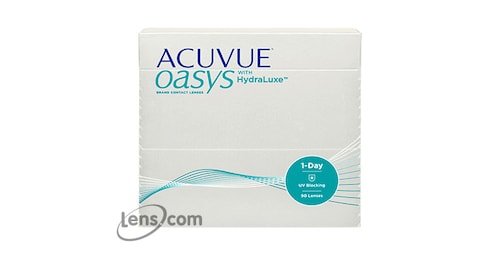
ACUVUE OASYS 1-Day with HydraLuxe
ACUVUE OASYS 1-Day with HydraLuxe uses senofilcon A silicone hydrogel and HydraLuxe Technology, which incorporates tear-like molecules into the lens material. Its design is intended to work with the natural tear film during blinking. The lens is discarded after one wearing session and comes in spherical prescription powers for nearsightedness and farsightedness.
ACUVUE OASYS MAX 1-Day
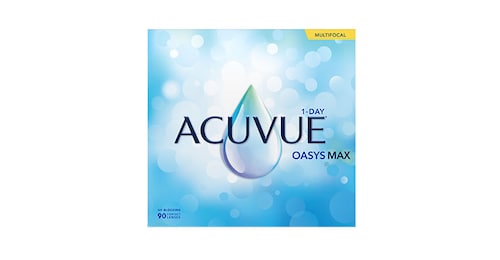
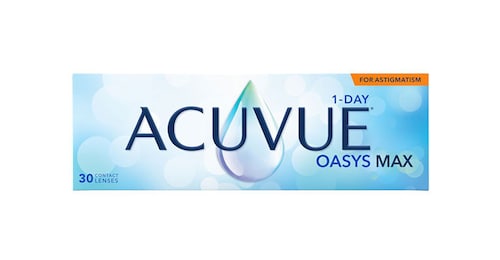
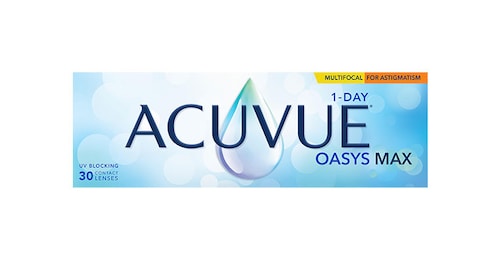
ACUVUE OASYS MAX 1-Day uses TearStable Technology to help retain moisture across the lens and ocular surface. It also incorporates OptiBlue Light Filter, which filters a portion of blue-violet light. The product uses senofilcon A silicone hydrogel and follows a daily disposable replacement schedule. Its moisture and optical characteristics distinguish it from the standard ACUVUE OASYS 1-Day design.
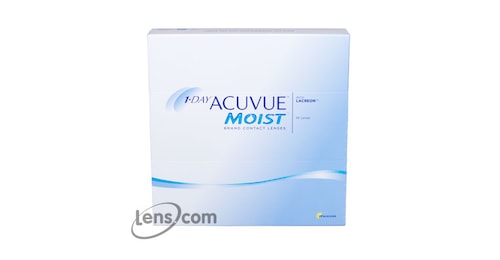
1-DAY ACUVUE MOIST
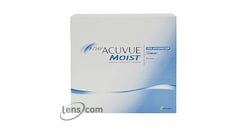
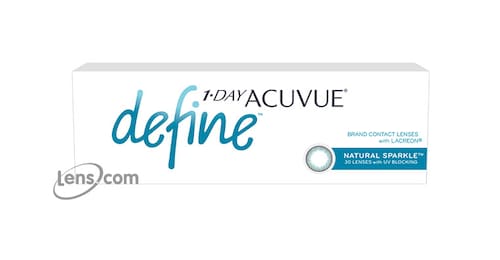
1-DAY ACUVUE MOIST is made from etafilcon A hydrogel and uses LACREON Technology, which incorporates a moisture-retaining ingredient into the lens. The product has a high-water-content hydrogel design rather than silicone hydrogel construction. Each lens is worn for one session and discarded after removal, eliminating overnight cleaning and storage.
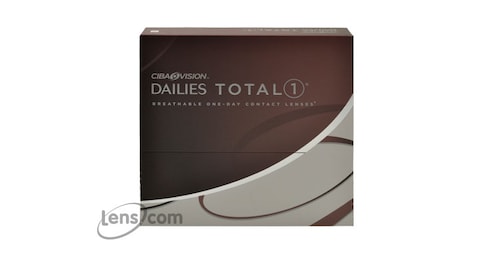
DAILIES TOTAL1
DAILIES TOTAL1 uses delefilcon A silicone hydrogel with Water Gradient Technology. The lens has a silicone hydrogel core and a water-rich outer surface designed to interact with the tear film during blinking. Its surface approaches nearly 100% water content, while the inner material maintains different properties. Each pair is discarded after daily wear.
DAILIES AquaComfort Plus
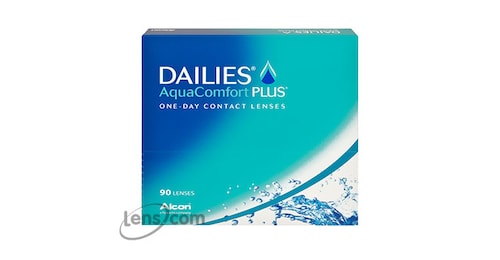
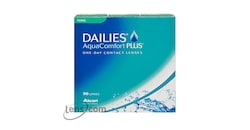
DAILIES AquaComfort Plus uses nelfilcon A hydrogel with 69% water content and Blink-Activated Moisture technology. The design releases wetting agents during blinking to help maintain a lubricated lens surface. It follows a single-use replacement schedule and doesn't require lens cleaning solution or storage between wearing sessions.
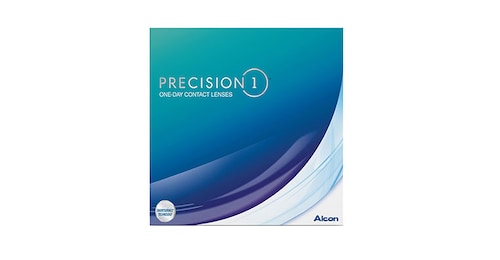
PRECISION1
PRECISION1 uses verofilcon A silicone hydrogel and SMARTSURFACE Technology. The lens has a moisture-rich outer layer with more than 80% water at the surface, while its silicone hydrogel core permits oxygen transmission. Its material and surface construction distinguish it from conventional hydrogel daily lenses. The product is replaced after one wearing session.
Biotrue ONEday
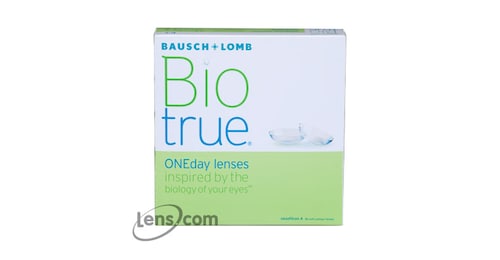
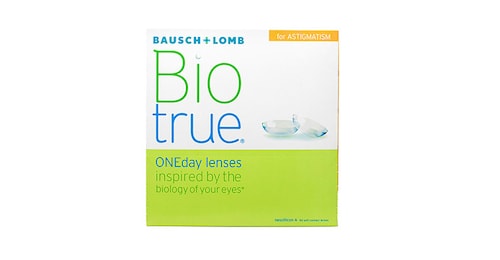
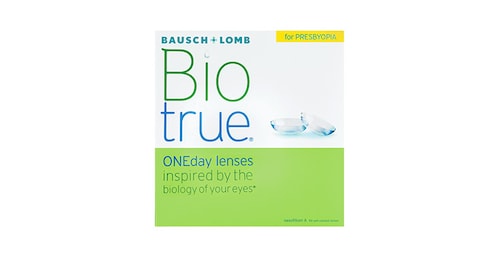
Biotrue ONEday uses nesofilcon A HyperGel material with 78% water content. Its surface design is intended to retain moisture and maintain lens shape throughout daily wear. This hydrogel product is prescribed for single-use replacement, so each wearing session begins with a fresh lens rather than a pair cleaned and stored from the previous day.
Bausch + Lomb INFUSE One-Day
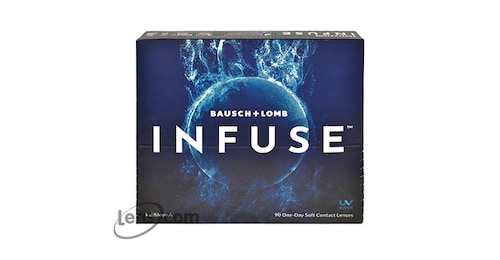
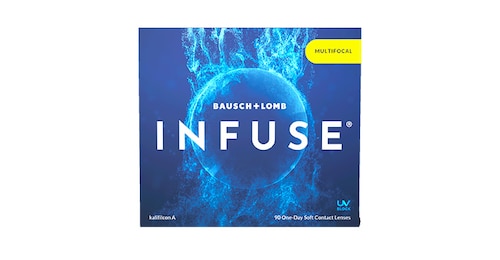
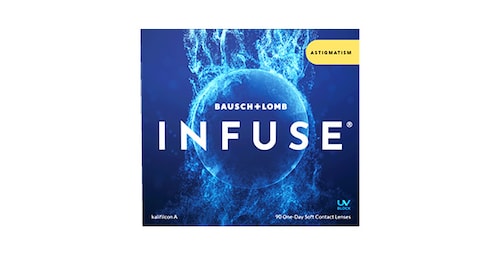
INFUSE One-Day uses kalifilcon A silicone hydrogel and ProBalance Technology, a formulation incorporating ingredients designed to maintain lens moisture and interact with the tear film. The lens is available in daily disposable form for prescribed spherical vision correction. Its moisture characteristics can be evaluated during a fitting if your current lenses become uncomfortable before the end of your prescribed wearing period.
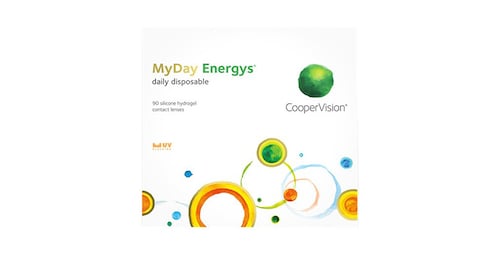
MyDay Daily Disposable
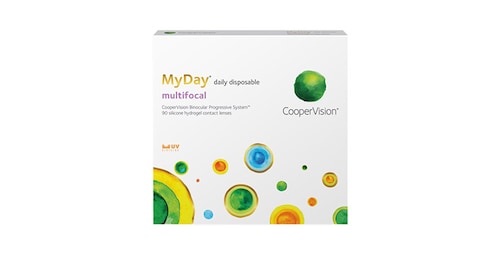
MyDay Daily Disposable uses stenfilcon A silicone hydrogel with CooperVision's Aquaform Technology. The material balances oxygen transmission and water content within a flexible lens design. MyDay follows a single-use replacement schedule and has related daily toric and multifocal products for different prescription requirements. The exact product must match your prescribed corrective design.
Clariti 1 Day
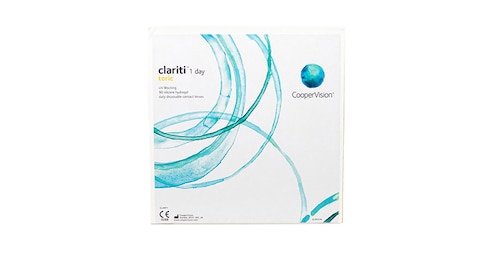
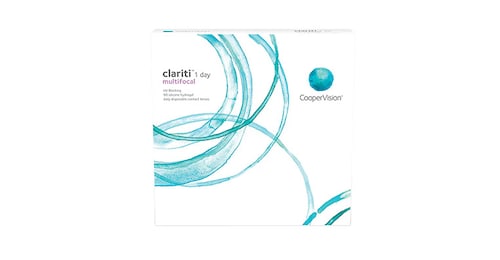
Clariti 1 Day uses somofilcon A silicone hydrogel and WetLoc Technology, which is designed to maintain moisture within the lens material. It combines oxygen permeability with a daily disposable replacement schedule. Clariti also has toric and multifocal daily products, although each design requires its own prescription and fitting. Compare material characteristics and available powers before purchasing.
Comfort, Moisture, And Wearing Time
Daily soft contact lens comfort depends on how the lens fits, moves during blinking, and interacts with your tear film. Moisture retention, surface wettability, oxygen transmission, and lens edge design can influence how the product feels throughout wear. Dry air, reduced blinking during screen use, allergies, and an unstable tear film can also contribute to dryness. A lens that becomes gritty, tight, or blurry after several hours needs assessment rather than a longer wearing schedule.
Daily disposable lenses are intended for use while you're awake and must be removed before sleeping. Your eye doctor determines an appropriate wearing time based on the product and your eye health. If discomfort develops, remove the lenses and switch to glasses. Persistent pain, redness, light sensitivity, discharge, or blurred vision requires prompt professional evaluation. Ask your eye doctor whether your tear film, lens fit, or prescription needs reassessment before trying another daily soft contact lens.
Mistakes To Avoid When Wearing Daily Soft Contacts
Daily soft contacts need clean handling, correct replacement, and a wearing schedule suited to your eyes. Avoid the following mistakes to reduce contamination, irritation, and problems with lens fit or visual clarity.
- Sleeping In Your Contacts
Remove daily-wear contacts before naps and overnight sleep. Sleeping in lenses that aren't approved for overnight use increases the risk of serious corneal infections. A daily disposable lens must be discarded after removal rather than saved for the following morning. - Wearing Lenses Longer Than Recommended
Follow your eye doctor's prescribed daily wearing time. Don't continue wearing lenses through dryness, irritation, or fluctuating vision. If your eyes become uncomfortable, remove the contacts and use your prescription glasses. - Reusing Daily Disposable Lenses
Discard daily disposables after one wearing session. They're not intended for repeated cleaning, disinfection, storage, or reinsertion. Open a fresh sterile pair for your next wearing session, even if the previous pair was worn briefly. - Handling Lenses With Unclean Hands
Wash your hands thoroughly with soap and water before touching contact lenses. Dry them with a clean, lint-free towel to prevent water, debris, or soap residue from transferring onto the lens surface. Avoid handling lenses with lotion or makeup on your fingers. - Using Water On Your Lenses
Don't rinse or store contact lenses in tap water, bottled water, or saliva. Water can contain microorganisms that cause serious eye infections. Remove contacts before swimming, showering, or entering hot tubs. - Ignoring Discomfort
Eye pain, persistent redness, discharge, light sensitivity, or sudden blurred vision can indicate a corneal injury or infection. Remove your contacts immediately and contact an eye care professional promptly. Don't reinsert lenses while symptoms remain. - Mixing Up The Right And Left Lens
Check your right-eye and left-eye prescription values before opening blister packs. Different powers, toric parameters, or multifocal ADD selections can affect visual clarity when placed in the wrong eye. - Skipping Replacement Schedules
Daily disposable contacts must be discarded after use. Reusable soft contacts have separate prescribed replacement intervals and require cleaning and disinfection after removal. Don't apply a monthly or biweekly care routine to a single-use lens. - Using The Wrong Drops
Choose lubricating or rewetting drops labeled for contact lens use and approved by your eye doctor. Certain medicated drops, gels, and ointments aren't intended for use while lenses remain on your eyes. Check instructions before applying any eye product. - Buying Lenses Without A Current Prescription
Order the exact daily soft contact lens product and prescription values approved during your fitting. Don't substitute another product, power, base curve, diameter, or corrective design simply to obtain a lower price or immediate availability.
How To Reorder Daily Soft Contact Lenses Before You Run Out
Planning daily soft contact lens refills helps you maintain enough unopened pairs for your normal wearing routine. Check your prescription, remaining supply, and product availability before placing another order.
- Count the individual lenses remaining in your supply. If you wear contacts in both eyes every day, two lenses are needed per wearing day. Review your supply before reaching the final few pairs.
- Confirm that your contact lens prescription is current. If it's nearing expiration, schedule an examination before purchasing a larger quantity. Don't reorder using an expired prescription.
- Match the complete manufacturer and product name rather than selecting a similarly named daily lens. Materials, fitting measurements, and optical characteristics differ between products.
- Review the right-eye and left-eye prescription values separately. Check sphere power and any cylinder, axis, or ADD values applicable to your prescribed daily contacts.
- Confirm the prescribed base curve, diameter, and replacement schedule. These specifications identify the fitted lens configuration and shouldn't be changed during checkout.
- Compare available box quantities with your wearing frequency. A 30-lens box contains 30 individual lenses, not 30 pairs. Calculate the cost per pair and expected supply length.
- Review shipping estimates and product availability before ordering. Allow time for prescription verification and any special-order quantities needed for your prescription.
- Check current rebates, eligible purchase quantities, and applicable vision insurance benefits. Compare the final checkout amount rather than the advertised box price alone.
- Record your approximate refill date after your new supply arrives. Keep backup glasses and spare unopened lenses available in case a lens tears or becomes contaminated.
References
About Contact Lens Types. Centers for Disease Control and Prevention. https://www.cdc.gov/contact-lenses/about/about-contact-lens-types.html. Published Date (May-27-2025). Date Accessed: July 7, 2026.
Types of Contact Lenses. U.S. Food and Drug Administration. https://www.fda.gov/medical-devices/contact-lenses/types-contact-lenses. Published Date (January-16-2018). Date Accessed: July 7, 2026.
Buying Contact Lenses. U.S. Food and Drug Administration. https://www.fda.gov/medical-devices/contact-lenses/buying-contact-lenses. Published Date (October-28-2020). Date Accessed: July 7, 2026.
Contamination Risk of Reusing Daily Disposable Contact Lenses. Maureen V. Boost, Kin-Chiu Poon, and Pauline Cho/Optometry and Vision Science. https://pubmed.ncbi.nlm.nih.gov/22041587/. Published Date (December-01-2011). Date Accessed: July 7, 2026.
Contact Lens�Related Corneal Infections � United States, 2005�2015. Jennifer R. Cope, Sarah A. Collier, Kavita Srinivasan, Deborah S. Jacobs, Andrew S. Gallen, Lynda Charters, and Jennifer L. Bartlett/Morbidity and Mortality Weekly Report. https://www.cdc.gov/mmwr/volumes/65/wr/mm6532a2.htm. Published Date (August-19-2016). Date Accessed: July 7, 2026.
Popular Contact Lens Reviews
Affordable price and quality
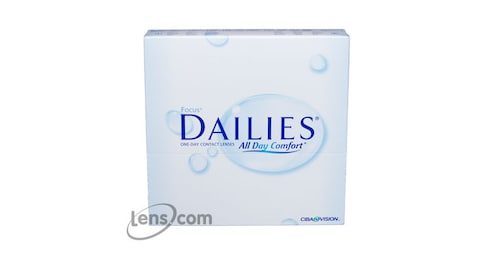
Love the ease and price of buying Focus dailies through Lens.com. Quick delivery and cheaper than through my eye doctor. Same product and quality. Why waste time and money anywhere else.
Awesome service
I have used Lens.com for several years now and their service is excellent. They even took back contacts I had ordered by mistake. They make it easy to order and receive your product quickly.
Would highly recommend them!
Easy wearing
Been wearing this brand of contacts for 3 years- feel easy on the eyes, light, flexible & easy to dispose of. Say adios to buying contact solution & contact cases!
First time buyer
Great service, great price and very easy to order and pay. Will be back for my next order.
Great contact lens
These lens fit well and stay comfortable no matter my activity. Very good value for keeping my eyes seeing as well as possible.
Dalies Rule
I have experienced dailies for the first time and will not go back to the conventional lenses. No cleaning or cleaning supplies and always comfortable. At the end of the day I forget that I have them on. Great product!
Comfortable
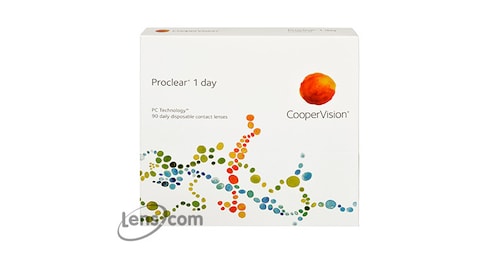
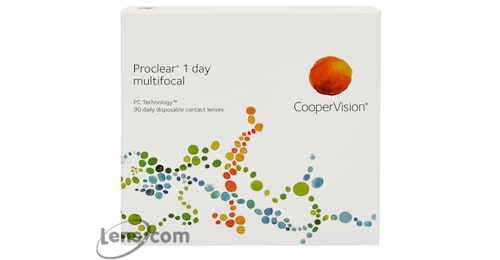
I've been wearing Proclear 1 Day for a very long time. They are comfortable and last me all day. No rips or dryness. Highly recommend!
Great
Customer Service was great put my order in quickly, and she was very friendly. Got my order within a few days very satisfied.
Thank You Lens.com
Knowledgeable
I have been comfortable physically and emotionally with the quality of the product and client support of the Team at Lens.com.