
Contact Lenses Meaning
Contact lenses are thin medical devices worn directly on the tear film that covers the cornea, the clear front surface of the eye. Most are prescribed to correct nearsightedness, farsightedness, astigmatism, or presbyopia, though some lenses are used for cosmetic or therapeutic purposes. Unlike eyeglasses, contacts move with the eyes and provide vision correction without frames.
Contact lenses change how light bends as it enters the eye. Their optical power helps direct light toward the retina so images appear clearer and more focused. The exact lens design, material, curvature, and prescription depend on the wearer's vision needs and eye shape, which is why prescription contact lenses require a professional fitting rather than a one-size-fits-all approach.
to
to
to
to
to
to
to
to
to
to
to
to
to
to
to
to
to
to
to
to
to
to
to
to
to
to
to
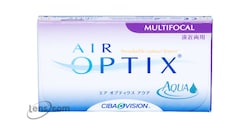
to
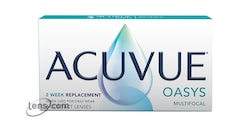
to
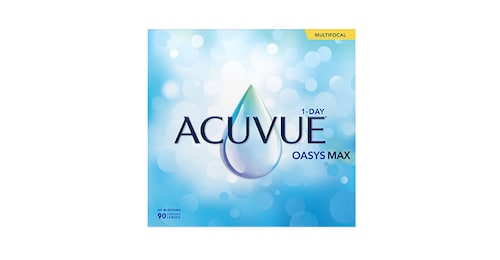
to
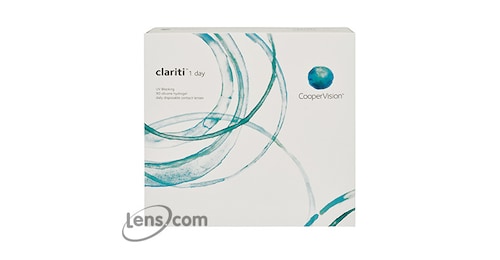
to
to
to
to
to
to
Why Are They Called Contact Lenses?
They're called contact lenses because they're worn in direct contact with the surface of the eye rather than held in front of it like eyeglasses. More precisely, the lens rests on the thin tear film covering the cornea, which helps it stay moist and move slightly during blinking.
Contact lenses are not named as such because of their tiny size. Their small size is simply part of the design. The word contactdescribes how they're worn. Soft, rigid gas-permeable, colored, and specialty contact lenses all fall under the same term.
Contact Lenses Can Correct Vision Problems
Contact lenses can correct several common refractive errors by changing how light focuses inside the eye. The lens design prescribed will depend on the type of vision problem and the amount of correction needed.
- Nearsightedness
Also called myopia, nearsightedness makes distant objects look blurry while close-up vision may remain clear. Contact lenses use minus power to move the focal point back toward the retina. - Farsightedness
Hyperopia can make nearby objects harder to focus on, though distance vision may also become blurry when the condition is stronger. Plus-powered contact lenses help bring light forward so it focuses more accurately on the retina. - Astigmatism
Astigmatism occurs when the cornea or lens has an uneven curvature, causing blurred or distorted vision at different distances. Toric contact lenses for astigmatism use cylinder and axis values to correct this irregular focusing pattern. - Presbyopia
Presbyopia is the gradual loss of near focusing ability that usually develops with age. Bifocal and multifocal contact lenses provide different focusing zones for near, intermediate, and distance vision. - Different vision needs in each eye
Some people have unequal prescriptions or use monovision, where one eye is corrected mainly for distance and the other for near tasks. An eye care professional must determine whether this setup provides clear and comfortable vision. - Certain irregular corneal conditions
Rigid gas-permeable, hybrid, or scleral lenses may be prescribed when standard soft lenses don't provide adequate correction. These specialty designs can create a smoother optical surface over an irregular cornea.
How Contact Lenses Focus Light for Clearer Vision
Contact lenses improve vision by changing the direction of light before it travels into the eye. Their curved surface provides a specific optical power that compensates for the eye's focusing error. This helps light rays meet more accurately on the retina instead of focusing in front of it, behind it, or at several uneven points.
The lens design varies with the condition being corrected. Minus-powered lenses spread light slightly for nearsightedness, while plus-powered lenses bring it together for farsightedness. Toric designs correct different amounts of power across separate meridians for astigmatism, and multifocal lenses use several optical zones to support near and distance vision. Since the contact sits close to the cornea and moves with the eye, the correction remains aligned as you look in different directions.
Main Types of Contact Lenses
Contact lenses can be grouped by material, vision-correction design, and intended use. Some categories overlap, so one lens may be soft, toric, and monthly at the same time.
Soft contact lenses
These flexible lenses are made from hydrogel or silicone hydrogel materials. They're widely prescribed for everyday vision correction and come in daily, biweekly, and monthly replacement schedules.
Rigid gas-permeable lenses
Also called RGP or GP lenses, firm, rigid gas permeable contact lenses allow oxygen to pass through the material. They can provide sharp vision and may work well for astigmatism, irregular corneas, or people who don't get clear enough vision from soft lenses.
Spherical contact lenses
Spherical lenses use the same corrective power across the main optical area. They're typically prescribed for nearsightedness or farsightedness without significant astigmatism.
Toric contact lenses
Toric lenses correct astigmatism by using different powers across specific meridians. Their design helps them stay oriented on the eye so the cylinder and axis correction remains properly aligned.
Multifocal contact lenses
These lenses contain multiple focusing zones for near, intermediate, and distance vision. Multifocal contacts are commonly prescribed for presbyopia, an often age-related vision condition which reduces the eye's ability to focus on close objects.
Colored contact lenses
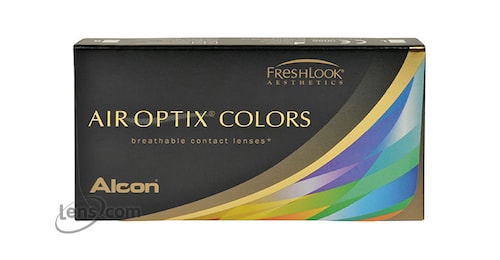
Colored contact lenses use printed tints or iris patterns to enhance or change eye color. They may include corrective power or come in plano form, but both versions still require a valid prescription and fitting.
Hybrid contact lenses
Hybrid lenses combine a rigid gas-permeable center with a soft outer skirt. The design aims to provide the sharper optics of a rigid lens with a softer feel around the edge.
Scleral contact lenses
Scleral lenses are larger rigid lenses that vault over the cornea and rest on the sclera, the white part of the eye. They're often prescribed for irregular corneas, severe dry eye, or complex fitting needs.
Therapeutic contact lenses
Sometimes called bandage lenses, these contacts may protect the cornea or support healing after certain injuries or procedures. They should be worn only under the close direction of an eye care professional.
What Are Contact Lenses Made Of?
Contact lenses are made from medical-grade polymers designed to bend light while remaining compatible with the eye. The material affects oxygen flow, moisture retention, flexibility, durability, and how the lens feels during wear.
- Hydrogel - Hydrogel is a soft, water-absorbing polymer commonly used in traditional soft contact lenses. Its water content helps the lens stay flexible, though oxygen mainly passes through the water held within the material.
- Silicone hydrogel -This soft material combines a water-loving polymer with silicone components. Silicone allows more oxygen to travel through the lens, while the hydrogel portion helps maintain flexibility and surface moisture.
- Rigid gas-permeable material - RGP contact lenses are made from firm, oxygen-permeable plastics, commonly fluorosilicone acrylate. They contain little or no water but allow oxygen to pass directly through the material.
- Hybrid materials - Hybrid contacts combine a rigid gas-permeable center with a soft hydrogel or silicone hydrogel outer skirt. The center provides firm optics, while the softer edge rests around the cornea.
- Scleral lens materials -Most scleral lenses use highly oxygen-permeable rigid polymers. Their larger design vaults over the cornea and holds a fluid reservoir between the lens and the eye.
- Color pigments - Colored and decorative contacts contain medical-grade pigments arranged in dots, rings, or layered iris patterns. Depending on the manufacturing method, the color may be bonded to the surface or enclosed within clear lens material.
- UV-absorbing agents - Some lenses contain compounds that reduce the amount of ultraviolet radiation passing through the covered part of the eye. UV-blocking contacts still don't replace sunglasses, since they leave the eyelids and surrounding areas exposed.
- Surface treatments and wetting agents - Certain lenses include plasma-treated surfaces, embedded wetting agents, or moisture-retaining components. These treatments and agents allow the lens to interact more evenly with the tear film and resist dryness or deposits.
How Contact Lenses Fit and Move on the Eye
A contact lens rests on the tear film covering the cornea rather than sticking directly to the eye. Its base curve, diameter, material, and edge design determine how well it centers and how comfortably it sits. A properly fitted lens should cover the cornea, remain centered during normal eye movements, and move slightly as you blink so tears can permeate beneath it.
Too little movement indicates a tight fit, limiting the tear exchange and causing discomfort, redness, or fluctuating vision. Excessive movement makes the lens feel unstable and allows it to shift away from the center of the eye. Toric contacts use stabilization features to help keep the astigmatism correction aligned, while larger scleral lenses rest on the white part of the eye and cover the cornea.
An eye care professional checks these fitting characteristics before approving a lens for regular wear.
Contact Lens Wearing and Replacement Schedules
A wearing schedule tells you how long contacts may stay on your eyes, while a replacement schedule tells you when to discard them and start a new pair. These timelines aren't interchangeable, so follow the instructions provided for your specific lenses.
Daily disposable lenses
Wear a fresh pair for one day, then throw them away after removal. They shouldn't be cleaned, stored, or reused later.
Biweekly contact lenses
These reusable lenses are generally replaced every two weeks after opening. Remove, clean, disinfect, and store them after each day of wear.
Monthly contact lenses
Monthly contact lenses are discarded one month after the package is opened, even when they haven't been worn every day. Marking the opening date can help you stay on schedule.
Conventional replacement lenses
Some durable soft or rigid gas-permeable contacts may last several months or longer. Their replacement timing depends on the product, lens condition, and your eye care professional's instructions.
Extended-wear lenses
Extended wear contacts are approved for overnight or continuous wear for a limited period. Sleeping in contacts should only be considered when the exact lens has been prescribed for that use.
Don't extend wear simply because a lens still feels comfortable or looks clean. Remove contacts sooner when you develop pain, redness, blurred vision, discharge, or unusual sensitivity to light.
Why Contact Lenses Are Medical Devices
Contact lenses are classified as medical devices because they sit on the eye and can affect vision, corneal health, oxygen delivery, and the tear film. This applies to every type of contact lens, including decorative and plano lenses that don't correct vision. In the United States, lenses must meet Food and Drug Administration (FDA) requirements. They can only be legally purchased with a valid contact lens prescription.
A proper fitting allows an eye care professional to check the lens material, base curve, diameter, centration, movement, and visual performance. They'll also examine the cornea and surrounding tissues to make sure the lenses are suitable for regular wear. Poorly fitted lenses or improper handling can contribute to corneal abrasions, inflammation, and infections such as microbial keratitis. Contacts should always be worn, replaced, and cared for as directed.
Common Contact Lens Prescription Terms
A contact lens prescription includes more than lens power. The abbreviations describe which eye the lens is for, how it should fit, and what type of vision correction it provides.
- OD: This stands for oculus dexter, the Latin term for the right eye. Prescription values listed under OD apply only to that eye.
- OS: This means oculus sinister, or the left eye. Check OD and OS carefully since the two eyes may need different lenses.
- OU: Short for oculus uterque, OU refers to both eyes. It may appear when the same instruction or measurement applies to each eye.
- PWR or SPH: Power, also called sphere, shows the amount of vision correction in diopters. A minus sign corrects nearsightedness, while a plus sign corrects farsightedness.
- BC: Base curve describes the curvature of the contact lens in millimeters. It influences how the lens sits, centers, and moves on the eye.
- DIA: Diameter is the total width of the lens in millimeters. This measurement helps determine how much of the eye the lens covers.
- CYL: Cylinder indicates the amount of correction needed for astigmatism. It appears on toric contact lens prescriptions and must be paired with an axis value.
- AXIS: Axis identifies the orientation of the astigmatism correction, measured from 1 to 180 degrees. It doesn't describe the strength of the correction.
- ADD: Add power provides extra magnifying power for near vision in multifocal or bifocal lenses. It may be listed as a number or as a low, medium, or high option.
- Dominant eye: Some multifocal or monovision prescriptions identify one eye as dominant. This helps the eye care professional assign distance and near correction appropriately.
- Lens brand and product name: Contact lens prescriptions specify the exact lens approved for your eyes. Products with similar powers aren't automatically interchangeable since material, shape, and design can differ.
- Expiration date: The prescription must still be valid when you place an order. Once it expires, you'll generally need another eye exam and contact lens evaluation.
Basic Contact Lens Care and Safety Rules
Good contact lens habits help protect your eyes and keep wearing lenses comfortable throughout the prescribed period. Follow the instructions for your specific product rather than treating every lens type the same.
- Wash and dry your hands first. Use soap and dry your hands with a clean, lint-free towel before inserting, removing, or cleaning your lenses.
- Follow the prescribed wearing schedule. Remove lenses when directed. Don't wear them longer than your eye care professional recommends.
- Replace lenses on time. Discard daily, biweekly, monthly, and other planned-replacement contacts according to their schedule, even when they still feel clean and comfortable.
- Never sleep in lenses unless approved. Overnight wear can reduce oxygen delivery to the cornea and increase the risk of infection. Sleep in contacts only when the exact product has been prescribed for that purpose.
- Keep lenses away from water. Remove contacts before showering, swimming, or using a hot tub. Don't rinse lenses or storage cases with tap, bottled, or distilled water.
- Use a fresh contact lens solution. Clean and disinfect reusable lenses with the solution recommended for them. Never top off an old solution or replace it with saliva, water, or homemade saline.
- Care for the lens case. Empty the case after each use, clean it with fresh disinfecting solution, and leave it open to air-dry. Replace it regularly.
- Don't share contact lenses. Lenses are fitted for one person and can carry microorganisms between wearers. This rule also applies to colored and decorative contacts.
- Discard damaged or contaminated lenses. Don't wear a lens with tears, rough edges, deposits, or visible debris. Use a fresh lens instead.
- Handle makeup carefully. Insert contacts before applying eye makeup and remove them before washing it off. Keep powders, glitter, eyeliner, and lash adhesive away from the lens surface.
- Carry backup glasses. Keep glasses available in case your lenses become uncomfortable or need to be removed unexpectedly.
- Respond to warning signs quickly. Remove the lenses when you notice pain, persistent redness, blurred vision, discharge, excessive tearing, swelling, discharge, or unusual light sensitivity. Contact an eye care professional.
References
Contact Lenses. National Eye Institute. https://www.nei.nih.gov/eye-health-information/healthy-vision/contact-lenses. Published Date (December-05-2024). Date Accessed: July 30, 2026.
Types of Contact Lenses. U.S. Food and Drug Administration. https://www.fda.gov/medical-devices/contact-lenses/types-contact-lenses. Published Date (January-16-2018). Date Accessed: July 30, 2026.
The Contact Lens Rule: A Guide for Prescribers and Sellers. Federal Trade Commission. https://www.ftc.gov/business-guidance/resources/contact-lens-rule-guide-prescribers-sellers. Published Date (June-17-2020). Date Accessed: July 30, 2026.
About Contact Lens Types. Centers for Disease Control and Prevention. https://www.cdc.gov/contact-lenses/about/about-contact-lens-types.html. Published Date (May-27-2025). Date Accessed: July 30, 2026.
How Important Is the Soft Lens Fit Anyway? Graeme Young/Contact Lens Spectrum. https://www.clspectrum.com/issues/2017/september/how-important-is-the-soft-lens-fit-anyway/. Published Date (September-01-2017). Date Accessed: July 30, 2026.
Popular Contact Lens Reviews
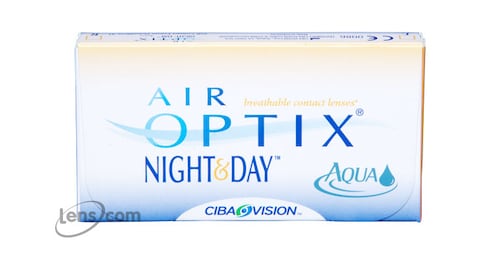
Night and Day
Been wearing these for many years. Very thin to allow more oxygen to the eye. I remove and sanitize daily. Great product.
Excellent service!
This product has nothing to dislike about. It is a good quality of contact lenses and will not stop using this brand. My vision is satisfactory using Air Optix brand. Please do not stop carrying them. The sales representative was also very knowledgeable, professional, articulate and kind. My order came in before Thanksgiving and I appreciate it. She expedited sending my order so I will be happy, satisfied with my new lenses. Thank you kindly, for the excellent service !
Affordable price and quality
Love the ease and price of buying Focus dailies through Lens.com. Quick delivery and cheaper than through my eye doctor. Same product and quality. Why waste time and money anywhere else.
Awesome service
I have used Lens.com for several years now and their service is excellent. They even took back contacts I had ordered by mistake. They make it easy to order and receive your product quickly.
Would highly recommend them!
Easy wearing
Been wearing this brand of contacts for 3 years- feel easy on the eyes, light, flexible & easy to dispose of. Say adios to buying contact solution & contact cases!
The customer service is prompt and OUTSTANDING
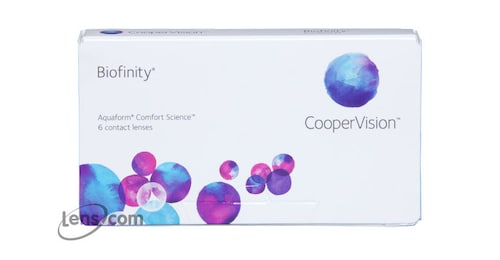
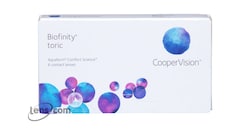
Lens.com is such a breeze to order contacts from, and their customer service is the best. Several boxes of contacts I ordered were lost in the mail and they so were so kind about resending me my order fast and without any extra fees. The quality of these contacts (Biofinity) is unmatched as well. I would highly recommend both Lens.com and Biofinity to anyone.
Great prices
I have ordered several times from Lens.com.
I have had no issues with orders or scripts. I love the rebate when you order 4 boxes or more. I will purchase from them again.
First time buyer
Great service, great price and very easy to order and pay. Will be back for my next order.
I have been using B+L SofLens Toric Astigmatism.
After I had been happily using them for decades, I could not reorder my contact lenses since Bausch+Lomb officially discontinued many SofLens® Toric lenses in July  2023.
As my Rx had not changed, my optometrist recommended another manufacturer, which I tried using for months, and was very disappointed.
Then on the Lens.com website, I ordered B+L ULTRA for Astigmatism Contact Lenses, and they seem just the same to me as the discontinued B+L SofLens® Toric contact lens. Now I couldn't be happier!