
Best Contacts for Oxygen
Looking for the best contacts for oxygen means finding lenses that let plenty of oxygen pass through to your cornea. These are commonly called high-oxygen or breathable contacts, and most are made from silicone hydrogel, a material that transmits oxygen more efficiently than traditional hydrogel. This supports normal corneal function during wear and can help reduce redness linked to low oxygen levels.
Check out some of our high-oxygen contact lenses from trusted manufacturers to find breathable options across different prescriptions, designs, and replacement schedules, so you can get the right pair that fits you and your routine.
to
to
to
to
to
to
to
to
to
to
to
to
to
to
to
to
to
to
to
to
to
to
to
to
to

to
to
to
to
to
What Makes a Contact Lens Highly Breathable?
A highly breathable contact lens allows a substantial amount of oxygen to travel through its material and reach the cornea during wear. The cornea has no blood vessels to deliver oxygen directly, so it receives much of its oxygen from the surrounding air through the tear film. Placing a contact lens over the eye creates an additional barrier, making the lens's oxygen performance an important part of healthy wear. Breathability depends on more than the type of material listed on the box.
Dk and Dk/t Measure Different Things
The specifications on your contact lenses commonly describe oxygen performance using two measurements: Dk and Dk/t. They sound similar, but they don't measure the same property.
- Dk, or oxygen permeability: Measures how readily oxygen can pass through the lens material itself. This value describes the material without accounting for the thickness of the finished lens.
- Dk/t, or oxygen transmissibility: Measures how much oxygen passes through the contact lens at a particular thickness. The "t" represents thickness, making Dk/t more useful when evaluating the oxygen performance of the lens you wear.
A material can have a high Dk value, but a thicker lens made from that material can transmit less oxygen than a thinner one. For this reason, Dk alone doesn't provide a complete comparison between finished contact lenses. Published Dk/t values are also commonly based on a particular lens power, such as -3.00 diopters, and measured at the center of the lens.
Silicone Hydrogel Lets More Oxygen Pass Through
Most high-oxygen soft contacts are made from silicone hydrogel. The silicone component forms pathways that allow oxygen to move through the lens more efficiently than it does through traditional hydrogel. This allows silicone hydrogel lenses to achieve high oxygen transmissibility without depending primarily on water.
Traditional hydrogel contacts carry oxygen through the water held within the lens material. Their oxygen permeability is closely related to their water content, but there's a practical limit to how much oxygen this system can transmit. Silicone hydrogel changed that relationship by using silicone as the main route for oxygen. This doesn't mean traditional hydrogel lenses are unsafe or that silicone hydrogel is automatically right for every wearer.
Hydrogel contacts are still prescribed for daily wear, and some people prefer how a specific hydrogel lens feels or fits. Silicone hydrogel simply tends to provide greater oxygen transmission among soft lens materials.
Rigid gas permeable contacts are another highly breathable category. They use firm, oxygen-permeable materials and cover less of the eye than soft contacts. Blinking also moves a properly fitted rigid lens, allowing tears to circulate beneath it. Still, rigid lenses require a different fitting process and an adjustment period, so they shouldn't be treated as interchangeable with high-oxygen soft contacts.
Lens Thickness and Prescription Change Dk/t
Oxygen must travel through the full thickness of a contact lens before reaching the cornea. As that distance increases, oxygen transmissibility decreases. A thinner lens made from the same material will usually transmit more oxygen through that area than a thicker one. Contact lenses don't have uniform thickness across their entire surface. Minus-powered lenses are typically thinner in the center and thicker toward the edge, while plus-powered lenses are thicker centrally. Strong prescriptions can therefore produce a different oxygen profile than the standard power used in published specifications.
Toric lenses also contain thickness variations that help stabilize the lens and keep the astigmatism correction properly oriented. Multifocal contacts use specialized optical profiles for vision at several distances. These design requirements don't mean toric or multifocal contacts can't be breathable, but their oxygen performance should be evaluated as a finished lens rather than inferred from the material's Dk alone.
High Water Content Doesn't Always Mean High Oxygen
Water content and oxygen transmission aren't interchangeable. A traditional hydrogel lens with more water can transmit more oxygen than a lower-water hydrogel made from a similar material category. That pattern doesn't carry over neatly when comparing hydrogel with silicone hydrogel. A silicone hydrogel lens can contain less water while transmitting considerably more oxygen through its silicone component.
For example, a lower-water silicone hydrogel contact can have a much higher Dk/t than a higher-water traditional hydrogel contact. Shoppers looking for breathable contacts should therefore compare material and Dk/t rather than choosing the largest water percentage. Water content also doesn't predict whether a lens will remain comfortable throughout the day. Comfort depends on surface wettability, moisture retention, tear-film stability, fit, and how the lens interacts with the eyelids. A high-oxygen lens still needs a surface that your tears can coat evenly.
Fit and Movement Support Healthy Wear
Material specifications describe the lens, but they can't confirm if it fits your eye. A properly fitted soft contact should center well, provide stable vision, and move appropriately with blinking. The fit also affects how tears spread across and circulate around the lens. A lens that fits too tightly can show limited movement and trap debris beneath it. A loose lens can move excessively, irritate the eye, or create unstable vision.
Base curve and diameter provide useful product specifications, but they don't fully predict how a contact will behave on an individual eye. An eye doctor evaluates lens position, coverage, movement, vision, and the condition of the cornea during a fitting. This assessment helps determine whether a high-Dk/t lens performs well on your eyes rather than looking impressive only on a specification sheet.
Replacement Schedule Doesn't Determine Breathability
Daily, bi-weekly, and monthly describe how frequently a contact must be discarded, not how much oxygen it transmits. Highly breathable silicone hydrogel contacts are available across all three replacement schedules, and traditional hydrogel lenses are also found in several categories. Daily disposables provide a fresh surface each day and eliminate overnight cleaning and storage. Reusable contacts can also deliver high oxygen transmissibility, but they need proper cleaning, disinfection, and on-time replacement.
Deposits and poor lens care can interfere with comfort and surface wettability even when the lens material transmits plenty of oxygen. When comparing replacement schedules, review the Dk/t of the individual product instead of assuming that a daily lens is more breathable than a monthly lens. Ultimately, the best schedule is one that meets your prescription needs and that you can follow consistently.
Sleeping in Contacts Changes the Oxygen Equation
Closing your eyelids naturally reduces the oxygen available to the cornea. Sleeping in contacts creates another barrier at a time when the eye is already receiving less oxygen, which increases physiological stress on the cornea. A high Dk/t value doesn't make every lens safe for overnight wear. Only contacts specifically approved for extended wear can be prescribed for sleeping, and approval doesn't remove the added risk of infection and other complications.
Don't sleep, nap, or extend the wearing schedule based solely on a product's breathability claims. Highly breathable contacts support corneal oxygen needs, but the highest Dk/t number isn't automatically the best choice for your eyes. Prescription accuracy, fit, wettability, comfort, replacement schedule, and healthy wearing habits still count. Your eye doctor can compare these features and determine which lens provides enough oxygen while meeting your vision and comfort needs.
Compare High-Oxygen Lenses by Manufacturer, Material, and Price
|
Average Cost per day
|
Contact Lens Manufacturer
|
Contact Lens Type
|
Contact Lens Material Type
|
Contact Lens Water Content Percentage
|
Contact Lens Blocks UV
|
Each Box Contains
|
Average Star Rating
|
|
|---|---|---|---|---|---|---|---|---|
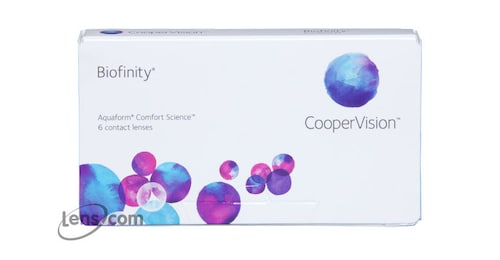
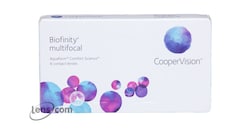
| Biofinity | $0.06 | CooperVision | Monthly | Silicone Hydrogel | 48% | 6 lenses, a 6-month supply |
|
|
| Acuvue Oasys for Astigmatism | $0.19 | Johnson & Johnson | Weekly | Silicone Hydrogel | 38% | 6 lenses, a 3-month supply |
|
|
| Biofinity Toric | $0.10 | CooperVision | Monthly | Hydrogel | 48% | 6 lenses, a 6-month supply |
|
|
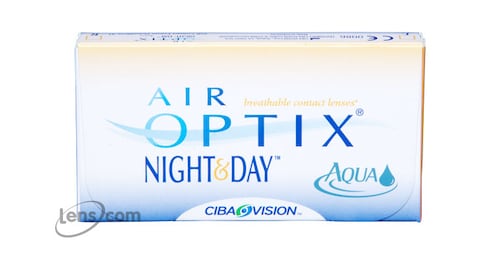
| Air Optix Night & Day Aqua | $0.12 | Alcon | Monthly | Silicone Hydrogel | 24% | 6 lenses, a 6-month supply |
|
|
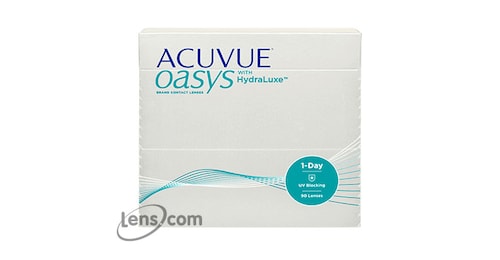
| Acuvue Oasys 1-Day with Hydraluxe | $0.48 | Johnson & Johnson | Daily | Silicone Hydrogel | 38% | 90 lenses, a 3-month supply |
|
|
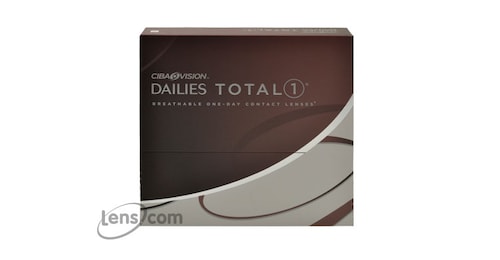
| Dailies Total 1 | $0.48 | Alcon | Daily | Silicone Hydrogel | 33% | 90 lenses, a 3-month supply |
|
|
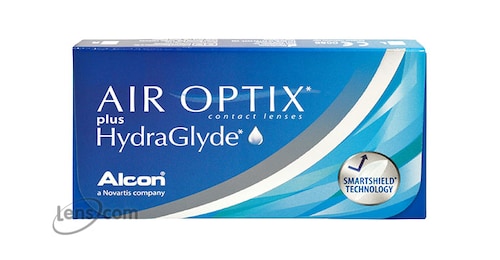
| Air Optix plus HydraGlyde | $0.09 | Alcon | Monthly | Silicone Hydrogel | 33% | 6 lenses, a 6-month supply |
|
|
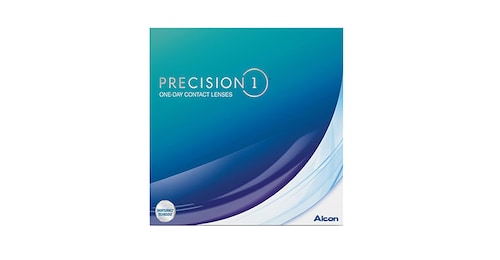
| Precision1 | $0.49 | Alcon | Daily | Silicone Hydrogel | 51% | 90 lenses, a 3-month supply |
|
|
| Biofinity Multifocal | $0.16 | CooperVision | Monthly | Silicone Hydrogel | 48% | 6 lenses, a 6-month supply |
|
|
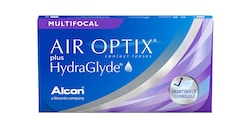
| Air Optix plus HydraGlyde Multifocal | $0.28 | Alcon | Monthly | Silicone Hydrogel | 33% | 6 lenses, a 6-month supply |
|
|
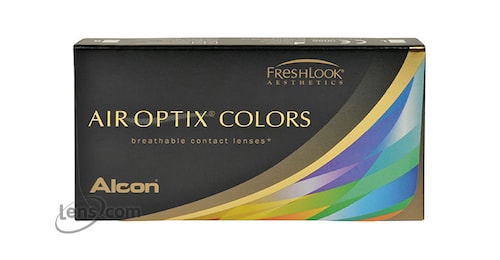
| Air Optix Colors | $0.26 | Alcon | Monthly | Silicone Hydrogel | 33% | 6 lenses, a 6-month supply |
|
|
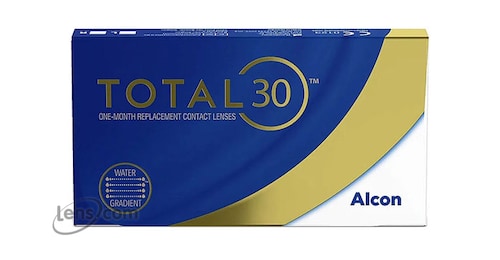
| Total30 | $0.24 | Alcon | Monthly | Silicone Hydrogel | 55% | 6 lenses, a 6-month supply |
|
|
| Air Optix Plus HydraGlyde for Astigmatism | $0.21 | Alcon | Monthly | Silicone Hydrogel | 33% | 6 lenses, a 6-month supply |
|
|
| ULTRA | $0.09 | Bausch & Lomb | Monthly | Silicone Hydrogel | 46% | 6 lenses, a 6-month supply |
|
|
| INFUSE One-Day | $0.72 | Bausch & Lomb | Daily | Silicone Hydrogel | 55% | 90 lenses, a 3-month supply |
|
Save More on High-Oxygen Lenses With Rebates
|
box rebate
Rebate amount with a 4 box purchase
|
box rebate
Rebate amount with a 8 box purchase
|
Contact Lens Manufacturer
|
Contact Lens Type
|
Contact Lens Material Type
|
Contact Lens Water Content Percentage
|
Contact Lens Blocks UV
|
Each Box Contains
|
Average Star Rating
|
|
|---|---|---|---|---|---|---|---|---|---|
| Biofinity | $135 | -- | CooperVision | Monthly | Silicone Hydrogel | 48% | 6 lenses, a 6-month supply |
|
|
| Acuvue Oasys for Astigmatism | -- | $220 | Johnson & Johnson | Weekly | Silicone Hydrogel | 38% | 6 lenses, a 3-month supply |
|
|
| Biofinity Toric | $145 | -- | CooperVision | Monthly | Hydrogel | 48% | 6 lenses, a 6-month supply |
|
|
| Air Optix Night & Day Aqua | $105 | -- | Alcon | Monthly | Silicone Hydrogel | 24% | 6 lenses, a 6-month supply |
|
|
| Acuvue Oasys 1-Day with Hydraluxe | -- | $290 | Johnson & Johnson | Daily | Silicone Hydrogel | 38% | 90 lenses, a 3-month supply |
|
|
| Dailies Total 1 | -- | $290 | Alcon | Daily | Silicone Hydrogel | 33% | 90 lenses, a 3-month supply |
|
|
| Air Optix plus HydraGlyde | $85 | -- | Alcon | Monthly | Silicone Hydrogel | 33% | 6 lenses, a 6-month supply |
|
|
| Precision1 | -- | $290 | Alcon | Daily | Silicone Hydrogel | 51% | 90 lenses, a 3-month supply |
|
|
| Biofinity Multifocal | $145 | -- | CooperVision | Monthly | Silicone Hydrogel | 48% | 6 lenses, a 6-month supply |
|
|
| Air Optix plus HydraGlyde Multifocal | $135 | -- | Alcon | Monthly | Silicone Hydrogel | 33% | 6 lenses, a 6-month supply |
|
|
| Air Optix Colors | $85 | -- | Alcon | Monthly | Silicone Hydrogel | 33% | 6 lenses, a 6-month supply |
|
|
| Total30 | $75 | -- | Alcon | Monthly | Silicone Hydrogel | 55% | 6 lenses, a 6-month supply |
|
|
| Air Optix Plus HydraGlyde for Astigmatism | $135 | -- | Alcon | Monthly | Silicone Hydrogel | 33% | 6 lenses, a 6-month supply |
|
|
| ULTRA | $95 | -- | Bausch & Lomb | Monthly | Silicone Hydrogel | 46% | 6 lenses, a 6-month supply |
|
|
| INFUSE One-Day | -- | $160 | Bausch & Lomb | Daily | Silicone Hydrogel | 55% | 90 lenses, a 3-month supply |
|
10 Best Contact Lenses for Oxygen
The contact lenses below are among the strongest breathable options based on their silicone hydrogel materials and published oxygen transmissibility. The listed Dk/t values generally refer to a standard -3.00 diopter spherical lens, so the amount of oxygen transmitted can differ with your prescription and the thickness of the finished lens. A higher Dk/t value means greater oxygen transmission, but your lens fit, tear film, prescription, and wearing schedule still determine which contact works best for your eyes.
1. AIR OPTIX NIGHT & DAY AQUA
AIR OPTIX NIGHT & DAY AQUA has a published Dk/t of 175, placing it among the most breathable soft contacts available. Its lotrafilcon A silicone hydrogel material transmits substantial oxygen despite containing only 24% water, which shows why water content and breathability shouldn't be treated as the same measurement. The lens is approved for daily or extended wear, but overnight use requires approval from an eye doctor. High oxygen transmission reduces the oxygen barrier created by the lens, but it doesn't remove the infection risks associated with sleeping in contacts.
2. Bausch + Lomb ULTRA
Bausch + Lomb ULTRA has a published Dk/t of 163 at -3.00 diopters. Its samfilcon A silicone hydrogel material combines high oxygen transmission with MoistureSeal Technology, which is designed to maintain moisture and support surface wettability. This combination makes ULTRA a strong option for wearers who want a breathable monthly lens without evaluating oxygen in isolation. It's also available in designs for astigmatism and presbyopia, although Dk/t can differ across designs.
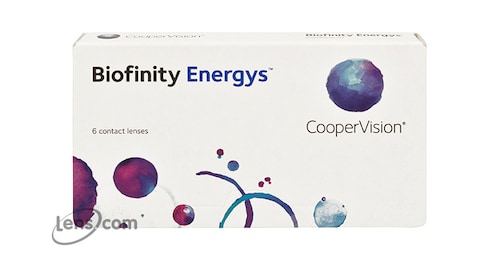
3. Biofinity
Biofinity reaches a published Dk/t of 160 through its comfilcon A silicone hydrogel material. CooperVision's Aquaform Technology creates an oxygen-efficient lens that's naturally wettable and contains 48% water. Its high transmissibility and monthly replacement schedule make Biofinity one of the leading reusable choices for oxygen. The Biofinity family also covers toric, multifocal, extended-range, and toric multifocal prescriptions, but those versions have their own thickness profiles and oxygen specifications.
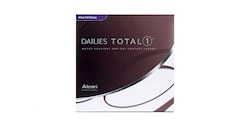
4. DAILIES TOTAL1
DAILIES TOTAL1 has a published Dk/t of 156, making it one of the most breathable daily disposable contacts. Its water-gradient construction combines a highly breathable silicone hydrogel core with a surface whose water content approaches 100%. This design addresses two separate needs: the core transmits oxygen, while the moisture-rich outer surface interacts with the eyelids and tear film. Since each pair is discarded after one day, wearers also begin every morning with a fresh lens surface.
5. TOTAL30
TOTAL30 brings Alcon's water-gradient design to a monthly replacement lens and has a published Dk/t of 154. The silicone hydrogel core provides high oxygen transmission, while the outer surface approaches 100% water to create a moisture-rich layer over the lens. It stands out for combining breathability with surface technologies designed for a full monthly replacement cycle. Proper nightly cleaning and on-time replacement are still required to preserve the lens surface throughout the month.
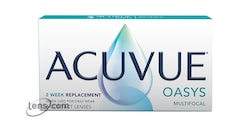
6. ACUVUE OASYS
ACUVUE OASYS is a two-week silicone hydrogel contact with a published Dk/t of 147. Its senofilcon A material provides considerably greater oxygen transmission than traditional hydrogel lenses, while HYDRACLEAR PLUS Technology incorporates a wetting agent throughout the lens. The two-week replacement schedule gives wearers a reusable option without keeping the same pair for an entire month. The lens must still be removed, cleaned, and stored nightly unless an eye doctor prescribes an approved extended-wear schedule.
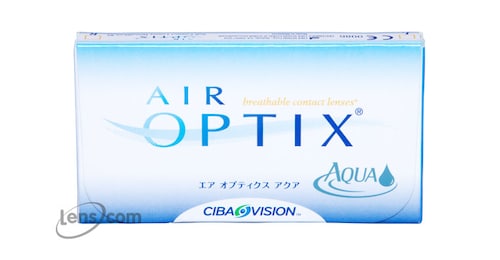
7. AIR OPTIX plus HydraGlyde
AIR OPTIX plus HydraGlyde is a monthly silicone hydrogel lens with a published Dk/t of 138. It combines the oxygen permeability of lotrafilcon B with HydraGlyde Moisture Matrix and SmartShield Technology, which support moisture retention and deposit resistance. This makes it a balanced option for wearers comparing breathability with reusable-lens surface performance. Its Dk/t is lower than that of AIR OPTIX NIGHT & DAY AQUA, but the best choice still depends on fit, comfort, prescription availability, and the intended wearing schedule.
8. Bausch + Lomb INFUSE
Bausch + Lomb INFUSE is a daily disposable silicone hydrogel lens with a published Dk/t of 134. Its kalifilcon A material provides high oxygen transmission alongside ProBalance Technology, which incorporates ingredients intended to support the tear film and lens-wearing surface. INFUSE is a useful choice for readers who want high breathability in a fresh daily lens. It can also suit people who prefer to avoid the cleaning solutions and deposit buildup associated with reusable contacts.
9. PureVision2
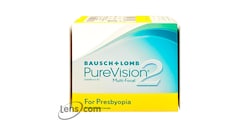
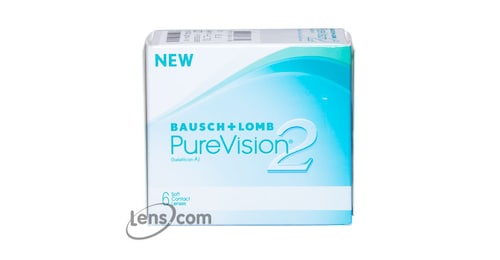
PureVision2 has a published center Dk/t of 130 at -3.00 diopters. Its balafilcon A silicone hydrogel material gives the lens substantially greater oxygen transmission than conventional hydrogel contacts while supporting a relatively thin central profile. The lens can be prescribed for daily or extended wear, although sleeping in it isn't appropriate for every wearer. An eye doctor must evaluate whether your eyes can tolerate overnight use and establish the safest schedule.
10. ACUVUE OASYS 1-Day with HydraLuxe
ACUVUE OASYS 1-Day with HydraLuxe has a published Dk/t of 121. It uses senofilcon A silicone hydrogel and a tear-inspired wetting technology designed to support comfortable blinking and tear-film interaction. Although its published Dk/t is lower than that of the reusable ACUVUE OASYS lens, it still provides high oxygen transmission in a daily disposable format.
Which Contact Lens Material Allows the Most Oxygen?
Silicone hydrogel allows the most oxygen to pass through among commonly prescribed soft contact lens materials. Unlike traditional hydrogel, which transports oxygen mainly through the water held inside the lens, silicone hydrogel uses silicone-based pathways to move oxygen more efficiently. This allows it to achieve high oxygen transmissibility without needing a high water content.
Rigid gas permeable (RGP) lenses can also provide excellent oxygen transmission. Their materials have high oxygen permeability, and their smaller diameter leaves more of the eye uncovered than a soft lens. A properly fitted RGP lens also moves with each blink, helping tears circulate beneath it. Still, RGP lenses feel and fit differently from soft contacts and usually require an adjustment period.
Who Is a Good Fit for High-Oxygen Contact Lenses?
High-oxygen contact lenses can be a good fit for people who wear contacts for long hours, experience redness linked to reduced oxygen, or have prescriptions that produce thicker lenses. They can also suit wearers switching from traditional hydrogel contacts when an eye doctor wants to increase the amount of oxygen reaching the cornea. Most high-oxygen soft lenses are made from silicone hydrogel.
People who need toric, multifocal, or stronger-powered contacts can also benefit from breathable materials. These lens designs can be thicker in certain areas, which affects how much oxygen passes through them. Choosing a silicone hydrogel option with suitable oxygen transmissibility can help account for that added thickness, although the finished lens's specifications should be evaluated rather than the material alone.
It's important to consider that high-oxygen contacts aren't automatically the right choice for everyone. Some wearers are sensitive to a particular material, surface treatment, or lens design, and high breathability won't correct problems caused by poor fit, unstable tears, or deposits.
Are Daily Contacts More Breathable Than Monthly Contacts?
Daily contacts aren't automatically more breathable than monthly contacts. The replacement schedule tells you how frequently to discard the lenses, while oxygen transmissibility depends mainly on the lens material and thickness. Both schedules include highly breathable silicone hydrogel options as well as traditional hydrogel lenses with lower oxygen transmission.
Some monthly silicone hydrogel contacts have higher published Dk/t values than many daily disposables. At the same time, several newer daily lenses provide high oxygen transmissibility while giving you a fresh, deposit-free surface each day. That fresh surface can support comfort and wettability, but it doesn't directly increase the amount of oxygen passing through the lens.
Compare the Dk/t values of individual products rather than relying on their replacement schedules. Keep in mind that published figures are typically based on a specific lens power and can change with prescription, thickness, or lens design.
Signs Your Eyes Aren't Getting Enough Oxygen
When your cornea doesn't receive enough oxygen during contact lens wear, the condition is called corneal hypoxia. Possible warning signs include:
- Eye redness: Your eyes can appear bloodshot, especially after wearing your contacts for several hours.
- Discomfort: You might experience irritation, aching, or a reduced tolerance for wearing your lenses.
- Hazy or fluctuating vision: Corneal swelling can make your vision appear foggy or cause its clarity to change throughout the day.
- Light sensitivity: Bright light can become uncomfortable or harder to tolerate.
- Excessive tearing: Your eyes might water in response to irritation or stress on the cornea.
- Symptoms that improve after lens removal: Redness, discomfort, or blurred vision can ease once the contacts are taken out.
These symptoms don't confirm oxygen deprivation on their own. Dry eye, allergies, lens deposits, poor fit, and eye infections can cause similar problems. Some oxygen-related changes, including corneal swelling or new blood vessels growing into the normally clear cornea, might only be detected during an eye examination.
Remove your contacts and speak with your eye doctor when redness, discomfort, or blurred vision keeps returning during wear. Seek prompt care for significant pain, worsening light sensitivity, discharge, sudden vision changes, or symptoms that continue after lens removal. A more breathable lens can help in some cases, but your eye doctor should also check the fit, wearing time, replacement routine, and overall health of your cornea.
References
Types of Contact Lenses. U.S. Food and Drug Administration. https://www.fda.gov/medical-devices/contact-lenses/types-contact-lenses. Updated January 16, 2018. Accessed August 11, 2026.
Preventing Eye Infections When Wearing Contacts. Centers for Disease Control and Prevention. https://www.cdc.gov/contact-lenses/prevention/index.html. Updated May 27, 2025. Accessed August 11, 2026.
Walsh K, Jones L. Twenty-Five Years of Silicone Hydrogel Soft Contact Lenses. Contact Lens and Anterior Eye. https://pmc.ncbi.nlm.nih.gov/articles/PMC12184980/. Published June 2025. Accessed August 11, 2026.
Product Reference Guide. CooperVision. https://coopervision.com/sites/coopervision.com/files/media-document/coopervision-product-reference-guide-052026.pdf. Updated May 2026. Accessed August 11, 2026.
AIR OPTIX NIGHT & DAY AQUA. Alcon. https://www.myalcon.com/professional/contact-lenses/monthly/air-optix-night-day-aqua/. Accessed August 11, 2026.
ACUVUE OASYS with HYDRACLEAR PLUS 2-Week. Johnson & Johnson Vision. https://www.jnjvisionpro.com/en-us/products/acuvue-oasys-2-week/. Accessed August 11, 2026.
Bausch + Lomb Contact Lens Parameters. Bausch + Lomb. https://ecp.bauschcontactlenses.com/products/parameters/. Accessed August 11, 2026.
Popular Contact Lens Reviews
Night and Day
Been wearing these for many years. Very thin to allow more oxygen to the eye. I remove and sanitize daily. Great product.
Excellent service!
This product has nothing to dislike about. It is a good quality of contact lenses and will not stop using this brand. My vision is satisfactory using Air Optix brand. Please do not stop carrying them. The sales representative was also very knowledgeable, professional, articulate and kind. My order came in before Thanksgiving and I appreciate it. She expedited sending my order so I will be happy, satisfied with my new lenses. Thank you kindly, for the excellent service !
Easy wearing
Been wearing this brand of contacts for 3 years- feel easy on the eyes, light, flexible & easy to dispose of. Say adios to buying contact solution & contact cases!
The customer service is prompt and OUTSTANDING
Lens.com is such a breeze to order contacts from, and their customer service is the best. Several boxes of contacts I ordered were lost in the mail and they so were so kind about resending me my order fast and without any extra fees. The quality of these contacts (Biofinity) is unmatched as well. I would highly recommend both Lens.com and Biofinity to anyone.
Great prices
I have ordered several times from Lens.com.
I have had no issues with orders or scripts. I love the rebate when you order 4 boxes or more. I will purchase from them again.
Contacts
This particular company is trustworthy and easy to order from and their prices are competitive as well!
Dalies Rule
I have experienced dailies for the first time and will not go back to the conventional lenses. No cleaning or cleaning supplies and always comfortable. At the end of the day I forget that I have them on. Great product!
Price
I've used Air Optix for several years and have been satisfied with this product. I compared costs and Lens.com was the most competitive.
Great service
Lens.com is my go to resource for ordering my contacts each year. They provide a great product and good customer service.