
Progressive Contact Lenses
Progressive contact lenses help people with presbyopia see across more than one distance without relying only on reading glasses. Instead of correcting one viewing range, these contact lenses support near, intermediate, and distance vision in one contact lens design. That can help with everyday tasks like reading text messages, working on a computer, checking labels, driving, and moving between close-up and faraway focus throughout the day.
They work differently from standard single-vision contacts. Progressive contacts use multifocal lens zones or gradual power changes to help your eyes shift between distances. Your eye doctor will match the lens design, add power, fit, and wearing schedule to your prescription since comfort and clear vision depend on more than the strength printed on the box.
Progressive contact lenses can be a good option if you want a frame-free way to manage age-related near-vision changes. Some people wear them daily, while others use them for work, errands, events, or times when switching between readers and distance glasses feels inconvenient.

to
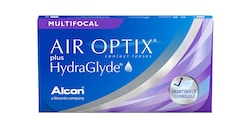
to
to
to
to
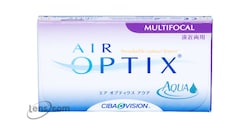
to
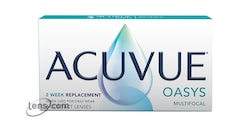
to
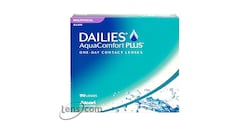
to
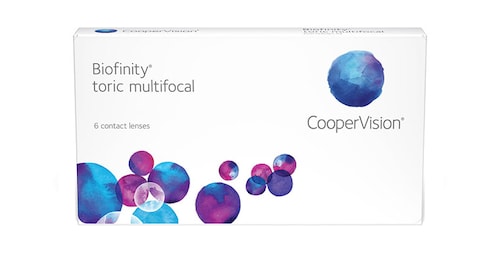

to
to
to
to

to

to
to
Progressive Contact Lens Details to Compare Before You Buy
Progressive contact lenses can help you see near, middle, and far distances through one lens design. That makes them useful for people with presbyopia who want a frame-free option for reading, screen work, driving, errands, and daily movement between different viewing distances. Before choosing a product, compare the lens design, add power, replacement schedule, comfort features, and how the lenses fit your routine.
Near, Middle, and Distance Vision
Progressive contacts support more than one viewing range. Near vision helps with phones, labels, menus, and books. Intermediate vision helps with computer screens, dashboards, and conversations across a desk. Distance vision helps with driving, walking around, watching TV, and seeing across a room.
Add Power
Add power is the extra strength that helps with near vision. Your eye doctor uses this value to match the lens to your presbyopia needs. If the add power doesn't fit your eyes, you might notice that close-up text still feels difficult, or that distance vision feels less crisp than expected.
Lens Design
Progressive contact lenses don't all use the same design. Some lenses blend powers across the lens, while others use specific zones for different distances. Your brain and eyes need to adapt to how the lens handles focus, so the right design should support both clarity and comfort.
Daily or Reusable Schedule
Daily multifocal contacts give you a fresh pair each wear and reduce cleaning steps. Monthly or reusable progressive contacts need cleaning, storage, and a consistent replacement routine. Choose the schedule that fits how frequently you plan to wear contacts and how much lens care you want to manage.
Comfort During Long Wear
Progressive contacts should feel comfortable throughout the parts of your day when you need them most. Screen time, dry air, long workdays, and late-day reading can all affect comfort. If your eyes feel dry or vision changes after several hours, your eye doctor can check whether the fit, material, or wearing schedule needs adjustment.
Adjustment Time
Progressive contacts can take some practice because your eyes learn to use different parts of the lens for different distances. During the adjustment period, pay attention to when vision feels clear, when it feels strained, and which tasks feel hardest. Share those details with your eye doctor so they can fine-tune the lens choice if needed.
Prescription and Fit
Your progressive contact lens prescription needs the right power, add power, base curve, diameter, lens type, and wearing schedule. Don't switch from one progressive lens to another without checking your prescription first. A lens can sound similar online but fit or perform differently once it's on your eye.
What Are Progressive Contact Lenses?
Progressive lenses are commonly understood as multifocal contact lenses. The word "progressive" is more familiar in eyeglasses, but shoppers sometimes use it when searching for contacts that support more than one viewing distance.
These contacts are designed for people who need support for close-up vision while still needing clear distance vision. Instead of correcting only one distance, multifocals use different powers within the lens to support a wider range of vision.
Why Do People Search for Progressive Contacts?
People often search for progressive contacts when menus, phone text, labels, or small print become harder to read. The search usually comes from a familiar frustration: distance vision still feels fine, but close-up tasks suddenly need more effort.
This can happen with presbyopia, which commonly becomes noticeable after age 40. Someone who already knows progressive glasses might use the same wording when looking for a contact lens option. That is why "progressive contacts" and "multifocal contacts" can point to the same general need.
How Are Progressive Lenses Different From Progressive Glasses?
Progressive glasses stay in front of your eyes, so you can look through different parts of the lens for different distances. You might look lower through the lens to read and higher through the lens to see farther away.
Progressive or multifocal contacts work differently because the lens moves with your eye. You don't look through a fixed top, middle, or bottom area the same way you would with glasses. Your brain and eyes learn how to use the lens design for different distances, which is why the fitting process can feel different from getting progressive eyeglasses.
How Do Multifocal Contact Lenses Work?
Multifocal contact lenses contain more than one corrective power. These powers help with different viewing distances, such as reading, computer work, and distance vision. The exact design can vary by lens type and manufacturer.
Some multifocal lenses blend powers across the lens surface. Others use zones or designs that guide how the eyes handle near and far focus. Your eye doctor chooses the lens design based on your prescription, eye shape, vision goals, and how your eyes respond during a fitting. Different contact lens manufacturers use different multifocal designs, so the same prescription can feel different across brands.
Who Might Be a Good Fit for Progressive Contacts?
Progressive contacts may be considered for people with presbyopia who want help with both near and distance vision. They can be especially appealing if you wear contacts already and don't want to reach for reading glasses every time you check your phone, read a label, or look at a menu.
They are not the right match for every wearer. Dryness, heavy near work, night driving needs, prescription strength, astigmatism, and comfort expectations can all affect whether multifocal contacts are worth trying. Wearers who also need astigmatism correction may need to ask about multifocal toric contact lenses instead of a standard multifocal design.
What Does It Feel Like to Adjust to Progressive Contacts?
Adjusting to progressive contacts can feel different from wearing single-vision contacts. Your eyes and brain may need time to learn how to use the different lens powers, especially when switching between close-up work and distance viewing.
Some wearers notice softer vision at first, especially in dim light or during night driving. Others need a follow-up visit to fine-tune the lens power or design. That doesn't always mean the lenses are wrong. It can be part of finding the best balance between near, middle, and distance vision.
Are Progressive Contacts Better Than Reading Glasses?
Adjusting to progressive contacts can feel different from wearing single-vision contacts. Your eyes and brain may need time to learn how to use the different lens powers, especially when switching between close-up work and distance viewing.
Some wearers notice softer vision at first, especially in dim light or during night driving. Others need a follow-up visit to fine-tune the lens power or design. That doesn't always mean the lenses are wrong. It can be part of finding the best balance between near, middle, and distance vision.
Can Progressive Contacts Help With Computer and Phone Use?
Progressive contacts can help some wearers with phone, tablet, and computer use because they are designed to support more than one viewing distance. This can be helpful when your day involves reading text up close, looking at a monitor, and shifting your focus across a room.
The experience will not feel exactly like young natural vision or progressive glasses. Screen size, lighting, font size, dryness, and how long you work on devices can affect comfort and clarity. Heavy screen use is worth mentioning during your fitting, especially if you are also comparing contact lenses for all day comfort or asking about lens options for dryness.
What Should You Ask Your Eye Doctor Before Ordering?
Ask whether multifocal contacts fit your prescription, eye health, and daily routine. You can also ask what kind of vision balance to expect, especially for reading, computer work, night driving, and long wear days.
It also helps to ask how long the adjustment period might take and when to schedule a follow-up when the first trial lenses feel off. Progressive contacts can involve small changes before the fit feels right, so the conversation should be about real-life vision, not only the numbers on the prescription. Once your lens is approved, you can order contact lenses online using the exact product name and parameters from your current prescription.
References
Presbyopia. American Optometric Association. Accessed May 25, 2026.
Multifocal Contact Lenses. CooperVision. Accessed May 25, 2026.
Contact Lenses For Vision Correction. American Academy of Ophthalmology. Published July 16, 2025. Accessed May 25, 2026.
Presbyopia Treatment. American Academy of Ophthalmology. Published January 13, 2020. Accessed May 25, 2026.
Buying Contact Lenses. U.S. Food and Drug Administration. Published October 28, 2020. Accessed May 25, 2026.
Popular Contact Lens Reviews
Contacts
This particular company is trustworthy and easy to order from and their prices are competitive as well!
Dalies Rule
I have experienced dailies for the first time and will not go back to the conventional lenses. No cleaning or cleaning supplies and always comfortable. At the end of the day I forget that I have them on. Great product!
Mr.
As with my last order, I received the contacts in only days. The product is excellent and the price is excellent and the service is excellent. I had an issue with one order several years ago and it was resolved to m satisfaction immediately and generously. Keeping my prescription on file makes a second ordering even easier. Thank you!
Shipping and rebate expediency and accuracy.
I have been doing business with lens.com for many years now, and have found them to be an excellent provider of contact lenses. I would highly recommend them to anyone, wishing to save money on their contract purchase.
Air optics multifocal contacts
Air optics multifocal contacts. I love them they’re so comfortable you never even know they’re there
Can read the dash again
I can finally see my phone and look up at the road while driving without weird blurs. Price tag hurts but they work perfectly.
Regular customer now
First time ordering from lens.com and they got my prescription right and shipped it fast. lenses feel great.
smooth focus
Seamless transition between reading up close and long distance. No headaches or squinting for me. Great service thank you!
Saved me from bifocals
I was so resistant to getting bifocal glasses, so my doctor suggested these instead. It took a couple of days for my brain to adjust to the zones, but now I can read my text messages and watch TV with zero issues.