Contact Lens Care
Wearing contacts comfortably starts with a care routine that fits the type of lenses you use. Contact lens care includes the everyday habits that help keep contact lenses clean, comfortable, and ready for wear. The routine differs between daily disposables, reusable soft contacts, rigid gas permeable contact lenses, and specialty designs. Knowing what your lenses require makes it easier to follow the correct steps each day.
The right contacts should fit both your prescription and the amount of care you're comfortable managing. Some wearers prefer single-use lenses, while others choose reusable contacts that require cleaning and storage. Explore the products below to compare replacement schedules, prescription designs, and choices that suit your routine. You'll also find practical information on handling, cleaning, storage, and timely replacement throughout the page.
to
to
to
to
to
to
to
to
to
to
to
to
to
to
to
to
to
to
to
to
to
to
to
to
to
to
to
to
to
to
to
to
to
to
to
to
to
How Can You Build a Reliable Contact Lens Care Routine?
A reliable routine begins before the lens touches your eye and continues after removal. Reusable contacts need cleaning, disinfection, and safe storage each time they come out. Daily disposable contact lenses require fewer after-wear steps, though clean handling, water avoidance, and on-time disposal still apply.
- Wash your hands with soap and water before handling your contacts.
- Dry your hands with a clean, lint-free towel.
- Follow the wearing time recommended for your lenses.
- Remove daily-wear contacts before sleeping or napping.
- Rub and rinse reusable lenses with the recommended disinfecting solution.
- Fill the clean case with fresh solution whenever you store reusable lenses.
- Discard old solution instead of mixing it with a fresh amount.
- Keep contacts away from tap, bottled, pool, lake, ocean, and hot tub water.
- Replace each lens according to its prescribed schedule.
- Clean the storage case with solution and let it dry upside down with the caps off.
- Replace the storage case at least every three months or as directed.
- Carry current backup glasses in case your contacts need to come out.
Care instructions differ across soft, rigid gas permeable, hybrid, and specialty contact lenses. Follow the directions from your eye care professional and the labels supplied with the lenses and care products. A routine used for one lens type won't always suit another.
Which Contact Lens Care Supplies Do You Need?
The supplies you need depend on your lens material and prescribed care system. A product intended for rinsing won't always clean or disinfect, and a solution made for soft contacts might not suit rigid gas permeable lenses. Check your eye care professional's instructions before replacing one product with another.
Multipurpose Contact Lens Solution
A multipurpose solution can clean, rinse, disinfect, and store reusable soft contact lenses. Rub and rinse the lenses as directed, then place them in a clean case filled with fresh solution. Never add new solution to liquid already sitting in the case. Check the printed expiration date and the discard period that starts after opening.
Hydrogen Peroxide Care Systems
Hydrogen peroxide systems disinfect lenses through a neutralization process. Each system requires the special case supplied with the product, which converts the peroxide before the contacts return to your eyes. Unneutralized peroxide shouldn't touch the eye or be used as a final rinse before insertion. Follow the full waiting time printed on the label.
Sterile Saline Solution
Sterile saline can rinse contacts when the selected care system calls for it. Saline doesn't disinfect lenses, so it can't replace multipurpose solution or another approved disinfecting system. Homemade saline and non-sterile water aren't suitable substitutes. Check the product label to see where saline fits into your routine.
A Contact Lens Storage Case
Reusable contacts need a clean storage case that works with the selected care system. Standard cases should be emptied, rubbed, rinsed with fresh solution, and dried after use. Hydrogen peroxide systems require the special case included with the solution. Replace the case on schedule rather than waiting for visible dirt or damage.
Eye Drops Approved for Contact Lens Wear
Use only eye drops recommended for your contacts and wearing needs. Not every lubricant, redness reliever, or medicated drop is intended for use while lenses are in your eyes. Read the label before applying a new product. Speak with your eye care professional when you're unsure whether a drop can be used with your contacts.
Your care system should match the lenses you wear and the instructions you've received. Keep bottles capped, check their discard dates, and avoid transferring the solution into unsterile travel containers. Replacing care supplies on time supports the rest of your routine.
Contact Lenses by Replacement Schedule
Biofinity
Acuvue Oasys for Astigmatism
Biofinity Toric
Acuvue Oasys 1-Day with Hydraluxe
Air Optix Night & Day Aqua
Dailies Total 1
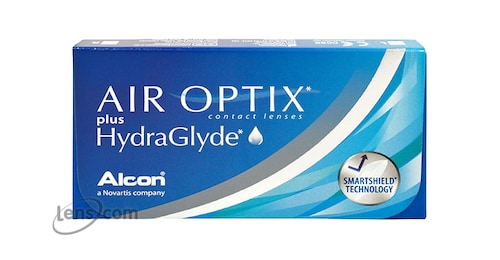
Air Optix plus HydraGlyde
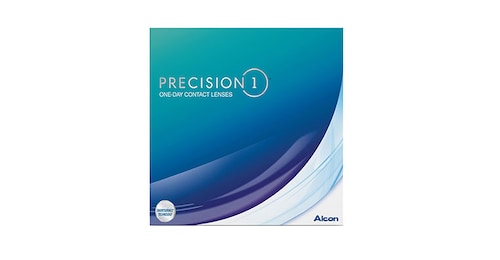
Precision1
How Contact Lenses Differ by Material, Schedule, and Features
|
Average Cost per day
|
Contact Lens Manufacturer
|
Contact Lens Type
|
Contact Lens Material Type
|
Contact Lens Water Content Percentage
|
Contact Lens Blocks UV
|
Each Box Contains
|
Average Star Rating
|
|
|---|---|---|---|---|---|---|---|---|
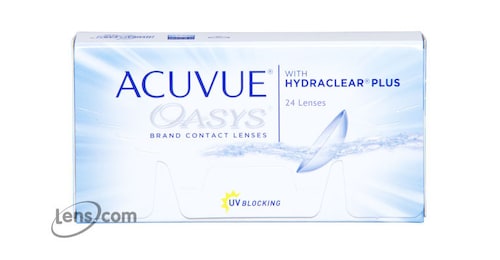
| Acuvue Oasys | $0.58 | Johnson & Johnson | Weekly | Silicone Hydrogel | 38% | 12 lenses, a 6-month supply |
|
|
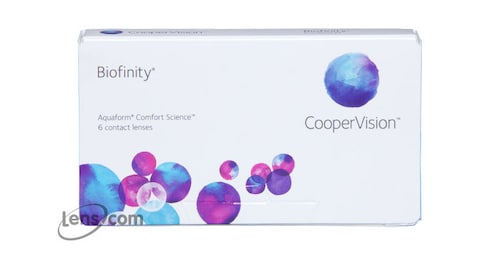
| Biofinity | $0.35 | CooperVision | Monthly | Silicone Hydrogel | 48% | 6 lenses, a 6-month supply |
|
|
| Acuvue Oasys for Astigmatism | $0.87 | Johnson & Johnson | Weekly | Silicone Hydrogel | 38% | 6 lenses, a 3-month supply |
|
|
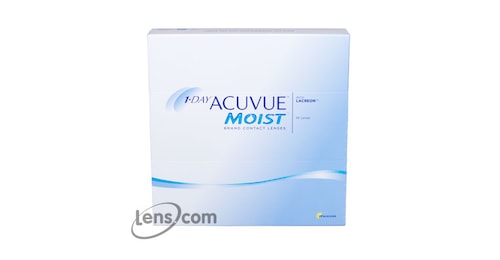
| 1-Day Acuvue Moist | $1.37 | Johnson & Johnson | Daily | Hydrogel | 58% | 30 lenses, a 1-month supply |
|
|
| Biofinity Toric | $0.39 | CooperVision | Monthly | Hydrogel | 48% | 6 lenses, a 6-month supply |
|
|
| Acuvue Oasys 1-Day with Hydraluxe | $1.29 | Johnson & Johnson | Daily | Silicone Hydrogel | 38% | 90 lenses, a 3-month supply |
|
|
| Air Optix Night & Day Aqua | $0.73 | Alcon | Monthly | Silicone Hydrogel | 24% | 6 lenses, a 6-month supply |
|
|
| Dailies Total 1 | $1.51 | Alcon | Daily | Silicone Hydrogel | 33% | 90 lenses, a 3-month supply |
|
|
| Air Optix plus HydraGlyde | $0.43 | Alcon | Monthly | Silicone Hydrogel | 33% | 6 lenses, a 6-month supply |
|
|
| Precision1 | $0.96 | Alcon | Daily | Silicone Hydrogel | 51% | 90 lenses, a 3-month supply |
|
|
| Biofinity Multifocal | $0.55 | CooperVision | Monthly | Silicone Hydrogel | 48% | 6 lenses, a 6-month supply |
|
|
| 1-Day Acuvue Moist for Astigmatism | $1.61 | Johnson & Johnson | Daily | Hydrogel | 58% | 30 lenses, a 1-month supply |
|
|
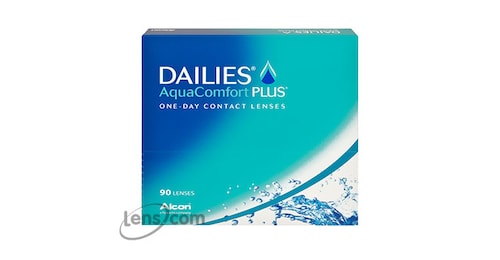
| Dailies AquaComfort Plus | $1.08 | Alcon | Daily | Hydrogel | 69% | 90 lenses, a 3-month supply |
|
|
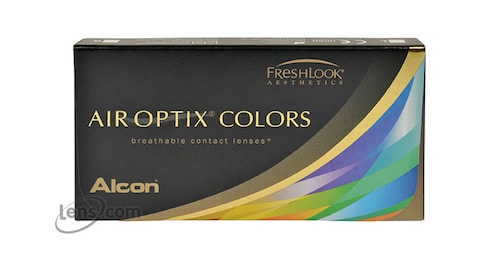
| Air Optix Colors | $0.76 | Alcon | Monthly | Silicone Hydrogel | 33% | 6 lenses, a 6-month supply |
|
|
| Air Optix plus HydraGlyde Multifocal | $0.69 | Alcon | Monthly | Silicone Hydrogel | 33% | 6 lenses, a 6-month supply |
|
Contact Lens Rebates and Savings Options
|
box rebate
Rebate amount with a 4 box purchase
|
box rebate
Rebate amount with a 8 box purchase
|
box rebate
Rebate amount with a 2 box purchase
|
Contact Lens Manufacturer
|
Contact Lens Type
|
Contact Lens Material Type
|
Contact Lens Water Content Percentage
|
Contact Lens Blocks UV
|
Each Box Contains
|
Average Star Rating
|
|
|---|---|---|---|---|---|---|---|---|---|---|
| Acuvue Oasys | $50 | -- | -- | Johnson & Johnson | Weekly | Silicone Hydrogel | 38% | 12 lenses, a 6-month supply |
|
|
| Biofinity | $55 | -- | -- | CooperVision | Monthly | Silicone Hydrogel | 48% | 6 lenses, a 6-month supply |
|
|
| Acuvue Oasys for Astigmatism | -- | $60 | -- | Johnson & Johnson | Weekly | Silicone Hydrogel | 38% | 6 lenses, a 3-month supply |
|
|
| 1-Day Acuvue Moist | -- | $130 | $20 | Johnson & Johnson | Daily | Hydrogel | 58% | 30 lenses, a 1-month supply |
|
|
| Biofinity Toric | $70 | -- | -- | CooperVision | Monthly | Hydrogel | 48% | 6 lenses, a 6-month supply |
|
|
| Acuvue Oasys 1-Day with Hydraluxe | -- | $90 | -- | Johnson & Johnson | Daily | Silicone Hydrogel | 38% | 90 lenses, a 3-month supply |
|
|
| Air Optix Night & Day Aqua | $85 | -- | -- | Alcon | Monthly | Silicone Hydrogel | 24% | 6 lenses, a 6-month supply |
|
|
| Dailies Total 1 | -- | $150 | -- | Alcon | Daily | Silicone Hydrogel | 33% | 90 lenses, a 3-month supply |
|
|
| Air Optix plus HydraGlyde | $40 | -- | -- | Alcon | Monthly | Silicone Hydrogel | 33% | 6 lenses, a 6-month supply |
|
|
| Precision1 | -- | $105 | -- | Alcon | Daily | Silicone Hydrogel | 51% | 90 lenses, a 3-month supply |
|
|
| Biofinity Multifocal | $70 | -- | -- | CooperVision | Monthly | Silicone Hydrogel | 48% | 6 lenses, a 6-month supply |
|
|
| 1-Day Acuvue Moist for Astigmatism | -- | $90 | $20 | Johnson & Johnson | Daily | Hydrogel | 58% | 30 lenses, a 1-month supply |
|
|
| Dailies AquaComfort Plus | -- | $115 | -- | Alcon | Daily | Hydrogel | 69% | 90 lenses, a 3-month supply |
|
|
| Air Optix Colors | -- | -- | $20 | Alcon | Monthly | Silicone Hydrogel | 33% | 6 lenses, a 6-month supply |
|
|
| Air Optix plus HydraGlyde Multifocal | $80 | -- | -- | Alcon | Monthly | Silicone Hydrogel | 33% | 6 lenses, a 6-month supply |
|
How Should You Clean and Store Reusable Contact Lenses?
Reusable contacts need cleaning and disinfection each time they're removed. Set up a clean, dry area before you begin so the lenses stay away from water, cosmetics, and dirty surfaces. Proper care can help keep comfortable contact lenses feeling better during wear. Use fresh products intended for your lens material and care system.
Follow any additional directions provided by your eye care professional.
- Wash your hands with soap and water.
- Dry them with a clean, lint-free towel.
- Remove one contact lens and place it in your clean palm.
- Apply the recommended cleaning or multipurpose solution.
- Rub and rinse both sides according to the product directions.
- Place the lens in the correct side of a clean storage case.
- Repeat the process with the other lens.
- Fill both wells with fresh disinfecting solution.
- Close the case and leave the lenses for the full disinfection time.
- Empty, clean, and dry the case after inserting the lenses again.
Hydrogen peroxide systems follow a different process. Use the special case included with the product and allow the complete neutralization time before inserting the contacts. Never place unneutralized peroxide directly in your eye.
Why Should Water Stay Away From Contact Lenses?
Water isn't sterile and can carry germs that cause serious eye infections. Soft contacts can also absorb water, change shape, or stick more tightly to the eye. These changes can irritate or scratch the cornea. A damaged surface can make it easier for germs to enter.
Remove contacts before showering, swimming, entering a hot tub, or taking part in another water activity. Never rinse contacts or storage cases with tap, bottled, distilled, lake, or ocean water. Saliva isn't a safe wetting method either.
When water reaches your contacts, remove them as soon as you can. Discard daily disposables, while reusable lenses should be cleaned and disinfected according to your eye care professional's directions before another wear. Prescription swimming goggles can help you see clearly without exposing contacts to water.
What Does Topping Off Contact Lens Solution Mean?
"Topping off" means adding fresh solution to old liquid that remains in the storage case. This shortcut dilutes the disinfecting product and leaves used solution around the lenses. The remaining liquid can also contain debris and germs from the previous storage cycle. Emptying the case completely gives your contacts fresh solution each time.
Fresh Solution for Every Storage Cycle
Discard all liquid left in the case after inserting your contacts. Clean and dry the case, then refill it with fresh solution when the lenses need to be stored again. Don't reuse solution from the previous night. Fresh product is needed for the full disinfection process.
The Correct Fill Level
Use enough solution to cover each lens completely. Follow the instructions printed on the bottle and storage case rather than estimating the amount. Avoid overfilling a hydrogen peroxide case since the system relies on its specific design. Close the caps securely after placing the lenses in the correct wells.
A Clean Bottle Tip
Keep the bottle tip from touching your fingers, contacts, case, sink, or another surface. Close the cap after use and store the bottle according to its label. Avoid wiping the tip with a used towel or tissue. Contact with another surface can contaminate a product meant to disinfect your lenses.
How Should You Care for a Contact Lens Case?
A storage case holds reusable lenses for several hours, so it needs attention after every use. Old solution, moisture, and residue can remain inside when the wells aren't emptied and dried correctly. A case can look clean while still carrying contamination. Regular cleaning also helps prevent deposits from building up.
- Empty all remaining solution after inserting your contacts.
- Rub and rinse the case with fresh contact lens solution.
- Keep tap and bottled water away from the case.
- Shake out the remaining liquid.
- Dry the case with a fresh, clean tissue or let it air-dry.
- Store the case upside down with the caps off.
- Keep it away from sink splashes, toilets, and damp surfaces.
- Replace a standard case at least once every three months or as directed.
- Use the new special case supplied with each hydrogen peroxide system.
Don't continue using a cracked, cloudy, stained, or damaged case. Replace it sooner when the lids, threads, or lens wells no longer work properly. A fresh case is a routine part of reusable contact lens care.
When Should You Replace Contacts and Care Products?
Replace contacts according to the schedule assigned to the specific product. A daily disposable is worn once and discarded at the end of the wearing period. Planned-replacement soft contacts can follow seven-day, two-week, monthly, or other schedules. Specialty lenses can follow a different timeline set by the eye care professional.
For reusable lenses, the replacement clock starts when the blister pack is opened. Wearing a two-week or monthly contact lens only a few times during that period doesn't reset the schedule. Mark the opening date in a phone reminder or calendar when it's easy to lose track.
Care products also have limits. Check the printed expiration date and the discard period that begins after the bottle is opened. Replace standard storage cases at least every three months or sooner when directed. Hydrogen peroxide cleaning solutions should be used with the special case supplied with the product.
How Does Care Differ for Daily Disposable Contacts?
Daily disposable contacts are intended for one day of wear. Insert a fresh pair with clean, dry hands, remove the lenses at the end of the wearing period, and throw them away. They shouldn't be cleaned, stored, or worn the next day again. Reusing them goes against their replacement schedule.
Since daily disposables are discarded after removal, they don't require an overnight disinfecting solution or a storage case. Clean handling still applies each time you open a new pair. Keep the lenses away from water, and follow the daily wearing time recommended by your eye care professional.
Carry spare contacts and backup glasses when you'll be away from home. A fresh replacement can help when a lens tears, falls out, or needs to be removed early. Never store a daily disposable in water or reinsert a lens that has already been discarded.
What Should You Do Before Touching Your Contacts?
Clean hands reduce the amount of dirt, oil, cosmetics, and germs transferred to your lenses. Wash before insertion, removal, cleaning, or case handling. Dry your hands fully with a clean, lint-free towel. Damp fingers can transfer water and fibers to the lens surface.
- Remove rings when they interfere with washing or handling.
- Wash your palms, the backs of your hands, fingers, and fingertips.
- Rinse away all soap.
- Dry your hands completely.
- Check that your fingernails are smooth and clean.
- Handle each lens with your fingertips rather than your nails.
- Keep the contacts away from the sink, faucet, and wet counter.
Insert your contacts before applying eye makeup. At the end of the day, remove the lenses before taking your makeup off. This order reduces the amount of cosmetic residue that reaches the lens surface.
Speak with your eye care professional before using a new eye medication or drop with your contacts. Some products require lens removal before application. Follow the timing instructions supplied with the medication or recommended by your provider.
Which Habits Can Increase the Risk of Contact Lens Problems?
Contact lens problems can develop after repeated shortcuts rather than one major mistake. Certain habits weaken disinfection, expose lenses to contamination, or keep them in use beyond their intended schedule. Reviewing your routine can help you catch problems that have started to feel normal. Small corrections can make daily care easier to maintain.
Sleeping in Daily-Wear Contacts
Sleeping or napping in contacts that aren't prescribed for overnight wear reduces the time your eyes spend without a lens. It can also increase the chance of irritation and infection. Remove daily-wear lenses before resting, even when the nap will be brief.
Exposing Contacts to Water
Showering, swimming, or using a hot tub while wearing contacts exposes the lenses to non-sterile water. Rinsing lenses or cases under the tap creates the same concern. Remove contacts before water activities, and use only the care products recommended for your lenses.
Reusing or Mixing Solution
Old solution has already been used during a storage cycle. Adding fresh liquid to it doesn't create a new batch of disinfecting solution. Empty and clean the case before each refill. Saline also shouldn't be used as a replacement for disinfecting solution.
Wearing Lenses Too Long
An opened lens should be replaced according to its assigned schedule. Wearing a two-week or monthly lens past its discard date can lead to more deposits and discomfort. Replace the contact on time even when it still looks clear.
Using Contaminated Care Supplies
Expired solution, a damaged case, or an unsterile travel container can affect the rest of the routine. Keep bottles capped and store them according to their labels. Replace questionable products instead of continuing to use them until they're empty.
Sharing Contact Lens Products
Don't share contacts, storage cases, or products that touch another person's lenses. Contact lenses are prescribed and fitted for the individual wearer. Sharing them can transfer germs and expose the eyes to an unsuitable fit or prescription.
When Should You Remove Your Contacts and Call an Eye Care Professional?
Remove your contacts when your eyes become painful, red, unusually watery, itchy, irritated, or sensitive to light. Blurred or changed vision also needs attention. Don't put the lenses back in while you wait for advice. Use backup glasses until your eye care professional says it's safe to resume wear.
Keep the contacts, case, and care products aside when your provider asks to inspect them. Avoid trying to fix the problem by changing solutions, using redness-relief drops, or opening another pair without guidance. An eye infection or corneal injury can worsen without proper evaluation.
Regular follow-up visits give you time to discuss fit, vision, replacement timing, and care habits. Bring up recurring dryness, deposits, solution sensitivity, or difficulty handling your lenses. Your provider can also confirm whether the products in your current routine still suit the contacts you wear.
References
About Cleaning, Disinfecting, and Storing Contact Lenses. Centers for Disease Control and Prevention. Published May 27, 2025. Accessed July 31, 2026.
https://www.cdc.gov/contact-lenses/about/about-cleaning-disinfecting-and-storing-contact-lenses.html
About Contact Lens Types. Centers for Disease Control and Prevention. Published May 27, 2025. Accessed July 31, 2026.
https://www.cdc.gov/contact-lenses/about/about-contact-lens-types.html
Contact Lens Care. Food and Drug Administration. Published January 19, 2018. Accessed July 31, 2026.
https://www.fda.gov/consumers/womens-health-topics/contact-lens-care
Contact Lens Risks. Food and Drug Administration. Published September 4, 2018. Accessed July 31, 2026.
https://www.fda.gov/medical-devices/contact-lenses/contact-lens-risks
Contact Lens Solutions and Products. Food and Drug Administration. Published January 16, 2018. Accessed July 31, 2026.
https://www.fda.gov/medical-devices/contact-lenses/contact-lens-solutions-and-products
Contact Lenses: Safe Use of Hydrogen Peroxide Solution. Food and Drug Administration. Published July 26, 2023. Accessed July 31, 2026.
https://www.fda.gov/consumers/consumer-updates/contact-lenses-safe-use-hydrogen-peroxide-solution
Healthy Habits: Keeping Water Away From Contact Lenses. Centers for Disease Control and Prevention. Published May 27, 2025. Accessed July 31, 2026.
https://www.cdc.gov/contact-lenses/about/healthy-habits-keeping-water-away-from-contact-lenses.html
Preventing Eye Infections When Wearing Contacts. Centers for Disease Control and Prevention. Published May 27, 2025. Accessed July 31, 2026. https://www.cdc.gov/contact-lenses/prevention/index.html
Publication 502 (2025), Medical and Dental Expenses. Internal Revenue Service. Published 2025. Accessed July 31, 2026.
https://www.irs.gov/publications/p502
The Contact Lens Rule: A Guide for Prescribers and Sellers. Federal Trade Commission. Accessed July 31, 2026.
https://www.ftc.gov/business-guidance/resources/contact-lens-rule-guide-prescribers-sellers
Popular Contact Lens Reviews
Excellent service!
This product has nothing to dislike about. It is a good quality of contact lenses and will not stop using this brand. My vision is satisfactory using Air Optix brand. Please do not stop carrying them. The sales representative was also very knowledgeable, professional, articulate and kind. My order came in before Thanksgiving and I appreciate it. She expedited sending my order so I will be happy, satisfied with my new lenses. Thank you kindly, for the excellent service !
Affordable price and quality
Love the ease and price of buying Focus dailies through Lens.com. Quick delivery and cheaper than through my eye doctor. Same product and quality. Why waste time and money anywhere else.
Awesome service
I have used Lens.com for several years now and their service is excellent. They even took back contacts I had ordered by mistake. They make it easy to order and receive your product quickly.
Would highly recommend them!
Easy wearing
Been wearing this brand of contacts for 3 years- feel easy on the eyes, light, flexible & easy to dispose of. Say adios to buying contact solution & contact cases!
The customer service is prompt and OUTSTANDING
Lens.com is such a breeze to order contacts from, and their customer service is the best. Several boxes of contacts I ordered were lost in the mail and they so were so kind about resending me my order fast and without any extra fees. The quality of these contacts (Biofinity) is unmatched as well. I would highly recommend both Lens.com and Biofinity to anyone.
Great prices
I have ordered several times from Lens.com.
I have had no issues with orders or scripts. I love the rebate when you order 4 boxes or more. I will purchase from them again.
First time buyer
Great service, great price and very easy to order and pay. Will be back for my next order.
I have been using B+L SofLens Toric Astigmatism.
After I had been happily using them for decades, I could not reorder my contact lenses since Bausch+Lomb officially discontinued many SofLens® Toric lenses in July  2023.
As my Rx had not changed, my optometrist recommended another manufacturer, which I tried using for months, and was very disappointed.
Then on the Lens.com website, I ordered B+L ULTRA for Astigmatism Contact Lenses, and they seem just the same to me as the discontinued B+L SofLens® Toric contact lens. Now I couldn't be happier!
Great contact lens
These lens fit well and stay comfortable no matter my activity. Very good value for keeping my eyes seeing as well as possible.