
Free Trial Contact Lenses
Free trial contact lenses give patients a chance to test a specific lens before purchasing a larger supply. An eye care professional (ECP) may provide a trial pair or a small sample during the fitting process, depending on the prescription, product availability, and participation in manufacturer programs. The trial helps show how the lenses feel, fit, and perform during normal activities outside the exam room before the actual prescription contact lenses are purchased.
The lenses themselves may be provided at no charge, but that doesn't always make the entire process free. Eye exam fees, contact lens fitting charges, follow-up visits, cleaning supplies, or other care products may still apply. Trial availability also varies by clinic and brand. Patients should ask what is included before scheduling an appointment. Your ECP can suggest any of the contact lenses to be worn as trial lenses.
to
to
to
to
to
to
to
to
to
to
to
to
to
to
to
to
to
to
to
to
to
to
to
to
to
to
to
to
to
to
to
to
to
to
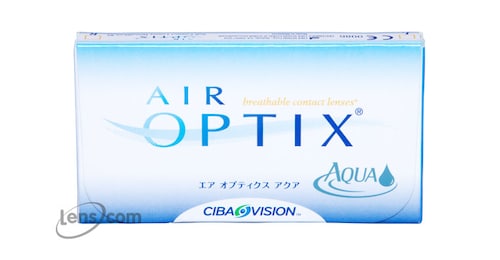
to
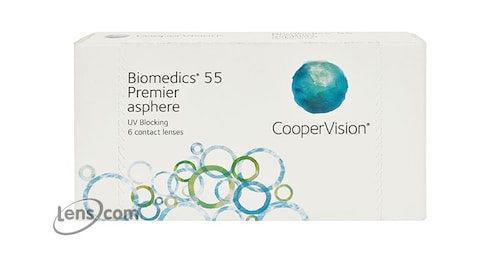
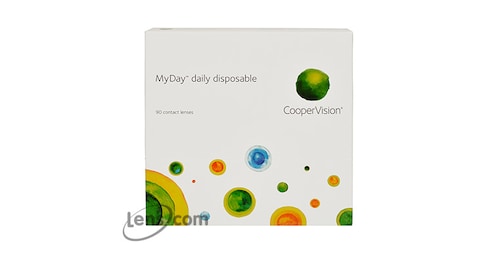
to
How Do Free Trial Contact Lenses Work?
ECPs sometimes provide free trial contact during the fitting process so you can test a specific product before buying a full supply. Your ECP chooses a trial lens based on your prescription, corneal measurements, tear film, and wearing needs. After placing the lens on your eye, they'll check its centration, movement, visual clarity, and comfort.
You may then wear these eye contacts for a limited period and return for a follow-up evaluation. This gives you time to determine how they perform during screen use, driving, reading, exercise, and longer wearing days before buying a box of the contact lenses prescribed to you. The availability of being issued trial contact lenses depends on the clinic, prescription, and product inventory.
What a Contact Lens Trial May Include
A contact lens trial can include more than a complimentary pair of lenses. The exact process varies by clinic, prescription, and product availability, but it usually gives your ECP a chance to evaluate the lens before finalizing your prescription.
- A trial pair or limited sample
You may receive one pair or a small supply to wear for a set period. The quantity depends on the lens type and what the clinic has available. - An initial fit assessment
Your ECP checks how the lens centers, moves with blinking, and covers the cornea. They'll also look for signs of tightness, excessive movement, or irritation. - A vision check
The trial determines whether the selected power provides clear and stable vision. Multifocal or toric contact lenses may require additional testing at different distances. - Insertion and removal guidance
New wearers may receive hands-on instructions for placing and removing the lenses safely. The clinic may also review proper hand hygiene and handling techniques. - Care instructions
Reusable contact lenses, even if they're trial contacts, may require cleaning, disinfecting, and storage. Daily disposable lenses should be discarded after removal rather than saved for another day. - A recommended wearing schedule
You'll be told how long to wear the lenses each day and whether to gradually increase wearing time. Sleeping or napping in them isn't recommended unless the exact lens is prescribed for overnight use. - A real-world testing period
You may be asked to wear the contacts when working, reading, driving, exercising, or performing other normal activities. This helps reveal comfort or vision issues that weren't obvious during the appointment. - A follow-up evaluation
The eye care professional may recheck your vision, comfort, corneal response, and lens fit after several days of wear. Adjustments can be made before the prescription is finalized. - Another trial lens when needed
A different power, material, base curve, or lens design may be tested when the first option doesn't provide the expected comfort or clarity.
Why You Should Wear Trial Lenses as Instructed
Trial lenses should be worn according to the schedule your eye care professional prescribed so the fitting can be evaluated accurately. Wearing them for the recommended number of hours helps show how the lenses perform as your eyes adjust, including changes in comfort, vision stability, dryness, and lens awareness. Extending the wearing time on your own can irritate the eyes and make it harder to tell whether the lens itself is suitable.
Follow the instructions for insertion, removal, cleaning, and replacement as well. Don't sleep, swim, or shower in trial lenses unless the specific product and activity have been approved. Remove them promptly if you develop pain, persistent redness, discharge, light sensitivity, or sudden vision changes, and report what happened at your follow-up appointment.
Costs a Free Contact Lens Trial May Not Cover
The trial lenses themselves may be complimentary, but other parts of the fitting process can still involve fees.
- Comprehensive eye exam - The routine vision and eye health examination is usually separate from the trial lens program.
- Contact lens fitting fee - This covers the measurements, lens selection, fit assessment, and vision testing needed to prescribe contacts.
- Follow-up appointments - Some clinics include one follow-up in the fitting fee, while others charge separately for additional visits or lens adjustments.
- Specialty fitting charges - Toric, multifocal, RGP contact lenses, scleral, or custom lenses may require more testing and can involve higher fitting fees.
- Cleaning and disinfecting solution - Reusable trial lenses may need approved care products that aren't included with the sample.
- Lens cases and rewetting drops - Storage cases, contact-compatible eye drops, and other handling supplies may need to be purchased separately.
- Replacement trial lenses - Another trial may be available when the first option doesn't work, but extra samples aren't always provided at no cost.
- A full contact lens supply - The trial covers only a limited number of lenses. Boxes purchased after the prescription is finalized are a separate expense.
- Insurance copays or deductibles - Vision insurance may cover part of the exam or fitting, but you could still owe a copay, deductible, or remaining balance.
What Your ECP Evaluates During a Trial
During a contact lens trial, your ECP checks whether the lens stays centered over the cornea, provides full corneal coverage, and moves within a specified parameter with each blink. They may also observe how quickly the lens recenters after you look up, down, or to the side. A lens that barely moves can restrict tear exchange, while one that shifts too much may cause unstable vision or edge awareness. Toric lenses are assessed for rotational stability, and multifocal lenses are tested at near, intermediate, and distance ranges.
The evaluation also includes visual acuity, over-refraction, lens-surface wettability, and the condition of the ocular surface after wear. Your ECP may look for corneal staining, conjunctival redness, pressure marks, debris under the lens, or signs that the tear film is breaking up too quickly.
They'll also ask about specific experiences such as blur after blinking, dryness late in the day, halos in dim light, difficulty using screens, or trouble inserting and removing the lenses. These details help determine whether the prescription should be finalized or another lens should be tested.
When May SofLens Daily Disposable Lenses Fit Your Routine?
Trial lenses give you a chance to notice how a specific product performs during normal daily activities. Pay attention to the details below and share any problems with your eye care professional at the follow-up appointment.
Vision after blinking
Check whether your vision clears quickly after blinking. Does it shift between being sharp or blurry? Frequent fluctuations means the lens is moving excessively or drying unevenly.
Clarity at different distances
Test your vision while reading, using a computer, viewing your phone, and looking across a room. Multifocal contacts used as trial lenses should also be assessed for intermediate and near tasks.
Lens movement during eye movement
Check whether your vision changes when you look up, down, or to the side. A lens that shifts excessively may take time to recenter.
Dryness later in the day
Observe when dryness begins and whether it improves after blinking. Record the time, if possible. This gives your ECP more useful information than simply saying the lenses felt dry.
Persistent lens awareness
Mild awareness may occur while adjusting, but ongoing edge sensation, rubbing, or a feeling that something is trapped under the lens should be reported.
Halos and glare
Observe headlights, streetlights, screens, and other bright objects in dim settings. Note whether you see rings, starbursts, ghost images, or reduced contrast.
Redness or excessive tearing
Check whether your eyes become noticeably red, watery, or irritated during wear. Compare how they look before insertion and after removal.
Performance during screen use
Pay attention to blur, dryness, or eye fatigue during long periods of computer or phone use. Reduced blinking around screens can make lens-related symptoms more noticeable.
Stability during physical activity
Notice whether the lenses stay centered while walking, exercising, or playing sports. Vision shouldn't repeatedly shift as your head and eyes move.
Insertion and removal
Track whether the lenses fold, stick to your fingers, feel difficult to position, or resist removal. Handling problems can affect whether the product suits your routine.
End-of-day comfort
Consider how the best contact lenses feel after several hours rather than judging them only after insertion. Note the approximate wearing time when discomfort or blur begins.
Warning signs
Remove the lenses immediately if you develop pain, persistent redness, discharge, light sensitivity, or sudden vision changes. Contact your eye doctor rather than continuing the trial.
How the Trial Period and Follow-Up Usually Work
The trial period usually lasts several days, though the exact length depends on the lens type, prescription, and fitting plan. Your ECP will tell you how many hours to wear the lenses, whether to increase wearing time gradually, and when to return. During the trial period, observe and note when blur, dryness, redness, or lens awareness begins, along with the activities you were doing at the time.
During the follow-up visit, the eye doctor may recheck visual acuity, lens movement, centration, and other parameters. A successful trial leads to a finalized RX contacts prescription. If the trial lenses don't perform well, the power, material, size, or optical design may be adjusted, perhaps followed by a second trial period before the prescription is completed.
What Can Affect Trial Lens Availability?
Trial contact lenses aren't available for every prescription or at every eye care practice. Access can depend on several factors.
The clinic's trial inventory
Eye care practices keep different brands, powers, and lens designs on hand. A clinic may need to order the trial lens when your prescription isn't available in its fitting set.
Your prescription power
Very high plus or minus powers may fall outside the standard trial range. These lenses can take longer to obtain or may not be produced as complimentary samples.
Astigmatism parameters
Toric lenses require a specific combination of sphere, cylinder, and axis values. Fewer ready-to-use combinations may be available compared with standard spherical lenses.
Multifocal design options
Multifocal may depend on add power, dominant-eye selection, and the manufacturer's fitting system. Another lens may need to be ordered when the required combination isn't stocked.
Specialty lens requirements
Rigid gas-permeable, hybrid, scleral contact lenses, and custom soft lenses require individualized measurements or fabrication. These products may involve diagnostic lenses rather than complimentary take-home samples.
Manufacturer trial programs
Some brands supply fitting lenses only through participating eye care practices. Program terms, eligible products, and sample quantities can change.
Product launches or discontinuations
Newly released lenses may have limited trial stock during the initial rollout. Discontinued products and older private-label lenses may no longer have samples available.
Temporary supply shortages
Manufacturing delays, high demand, shipping issues, or backordered prescription parameters can affect how quickly a trial lens reaches the clinic.
Limitations in quantity of trial lenses
Certain manufacturer promotions limit the number of complimentary trial lenses available to one clinic or patient. A repeat trial or replacement sample may not qualify under the same program.
Package expiration dates
Clinics can't dispense trial lenses that are expired or too close to expiration for the planned wearing period.
The lens type being tested
Daily disposable trials may come as a few individually sealed lenses, while reusable products may be supplied as one pair. The number of lenses provided can vary by manufacturer and clinic.
Are Trial Lenses Always Free?
No, trial lenses aren't always completely free. Some eye care practices provide a complimentary pair or small sample through a manufacturer program. Others include diagnostic lenses as part of the contact lens fitting fee. Availability and pricing depend on the clinic, lens type, prescription, and program terms.
Even when the lenses have no separate charge, you may still pay for the eye exam, contact lens fitting, follow-up visits, or care supplies. Specialty, custom, or replacement trial lenses can also involve additional fees. Ask the clinic what the trial includes and which charges apply before the fitting begins.
Questions to Ask Before Starting a Contact Lens Trial
Ask for clear instructions before leaving the clinic so you know how to wear the lenses, track your experience, and prepare for follow-up.
- Are the trial lenses provided at no charge? (Confirm whether the lenses are complimentary or included in the contact lens fitting fee.)
- Which fees will I need to pay? (Ask about the eye exam, fitting, follow-up visits, specialty lens charges, and any additional testing.)
- How many trial lenses will I receive? (The clinic may provide one pair, several daily lenses, or a limited reusable supply.)
- How long should I test the lenses? (Find out how many days the trial lasts and whether you should gradually increase your daily wearing time.)
- How many hours can I wear them each day? (Follow the recommended schedule rather than extending wear based on how the lenses feel.)
- What care products will I need? (Reusable trials may require disinfecting solution, a clean case, and compatible rewetting drops.)
- What should I do after removing the lenses? (Ask whether they should be discarded, cleaned and stored, or brought back to the clinic.)
- Which symptoms mean I should stop the trial? (Ask what to do if you develop pain, persistent redness, blurred vision, discharge, or light sensitivity.)
- What should I keep track of during wear? (Note changes in clarity, dryness, lens movement, glare, and handling. Note the time and date when you felt any discomfort.)
- Is a follow-up visit included? (Check when the appointment should take place and whether additional visits involve separate fees.)
- What happens when the first lenses don't work well? (Ask whether another power, material, or lens design can be tested and whether extra trial lenses cost more.)
- When will my prescription be finalized? (Some prescriptions are completed after one successful trial, while others require several adjustments and another fitting check.)
- Does the trial have an expiration date? (Manufacturer certificates, sample programs, and clinic trial periods may need to be used within a set timeframe.)
References
What to Expect at Your First Contact Lens Exam. Johnson & Johnson Vision/ACUVUE. https://www.acuvue.com/en-us/blog/what-to-expect/. Published Date (August-21-2024). Date Accessed, August 5, 2026.
Want Free Trial Contact Lenses? Here's Why You Should Choose CooperVision. CooperVision. https://coopervision.com/blog/want-free-trial-contact-lenses-heres-why-you-should-choose-coopervision. Published Date (February-14-2023). Date Accessed, August 5, 2026.
Claim A Free Trial Pair of Contact Lenses with ACUVUE. Johnson & Johnson Vision/ACUVUE. https://www.acuvue.com/en-us/get-contacts/free-trial-contact-lenses_/. Published Date (Not listed). Date Accessed, August 5, 2026.
Fitting Custom Soft Lenses. Susan A. Resnick, OD, FAAO, and Steven L. Sorkin, OD/Contact Lens Spectrum. https://www.clspectrum.com/issues/2024/may/fitting-custom-soft-lenses/. Published Date (May-01-2024). Date Accessed, August 5, 2026.
Contact Lens Prescription. U.S. Food and Drug Administration. https://www.fda.gov/medical-devices/contact-lenses/contact-lens-prescription. Published Date (October-28-2020). Date Accessed, August 5, 2026.
Popular Contact Lens Reviews
Night and Day
Been wearing these for many years. Very thin to allow more oxygen to the eye. I remove and sanitize daily. Great product.
Excellent service!
This product has nothing to dislike about. It is a good quality of contact lenses and will not stop using this brand. My vision is satisfactory using Air Optix brand. Please do not stop carrying them. The sales representative was also very knowledgeable, professional, articulate and kind. My order came in before Thanksgiving and I appreciate it. She expedited sending my order so I will be happy, satisfied with my new lenses. Thank you kindly, for the excellent service !
Affordable price and quality
Love the ease and price of buying Focus dailies through Lens.com. Quick delivery and cheaper than through my eye doctor. Same product and quality. Why waste time and money anywhere else.
Awesome service
I have used Lens.com for several years now and their service is excellent. They even took back contacts I had ordered by mistake. They make it easy to order and receive your product quickly.
Would highly recommend them!
Easy wearing
Been wearing this brand of contacts for 3 years- feel easy on the eyes, light, flexible & easy to dispose of. Say adios to buying contact solution & contact cases!
The customer service is prompt and OUTSTANDING
Lens.com is such a breeze to order contacts from, and their customer service is the best. Several boxes of contacts I ordered were lost in the mail and they so were so kind about resending me my order fast and without any extra fees. The quality of these contacts (Biofinity) is unmatched as well. I would highly recommend both Lens.com and Biofinity to anyone.
Great prices
I have ordered several times from Lens.com.
I have had no issues with orders or scripts. I love the rebate when you order 4 boxes or more. I will purchase from them again.
First time buyer
Great service, great price and very easy to order and pay. Will be back for my next order.
I have been using B+L SofLens Toric Astigmatism.
After I had been happily using them for decades, I could not reorder my contact lenses since Bausch+Lomb officially discontinued many SofLens® Toric lenses in July  2023.
As my Rx had not changed, my optometrist recommended another manufacturer, which I tried using for months, and was very disappointed.
Then on the Lens.com website, I ordered B+L ULTRA for Astigmatism Contact Lenses, and they seem just the same to me as the discontinued B+L SofLens® Toric contact lens. Now I couldn't be happier!