
Contact Lenses USA
You may need to buy a contact lens in the USA online. Daily, biweekly, monthly, toric, multifocal, colored, and specialty lenses are widely available. The correct choice depends on your vision needs, eye shape, wearing routine, and prescribed lens design.
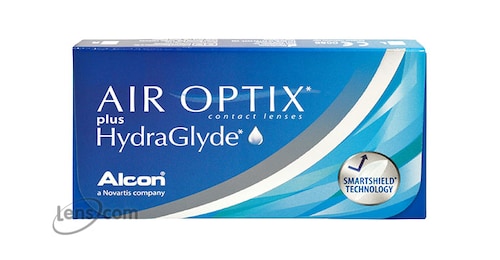
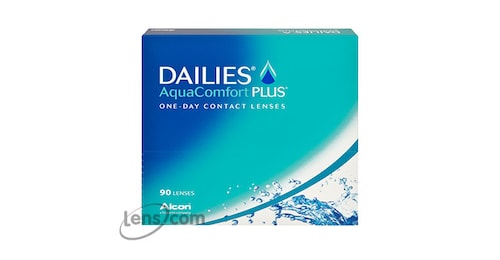
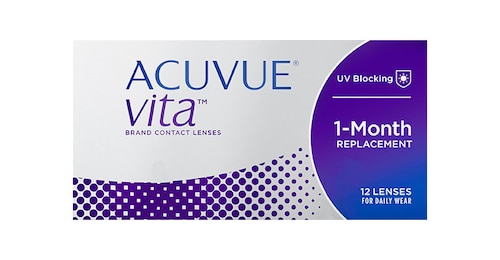
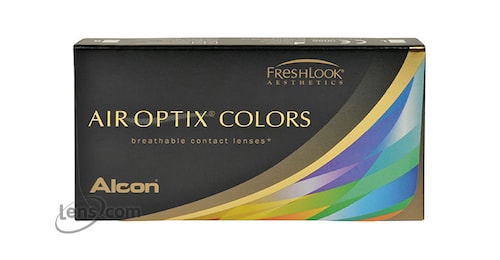
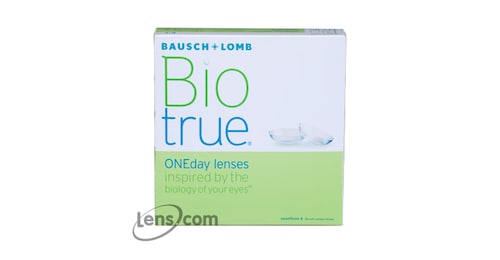
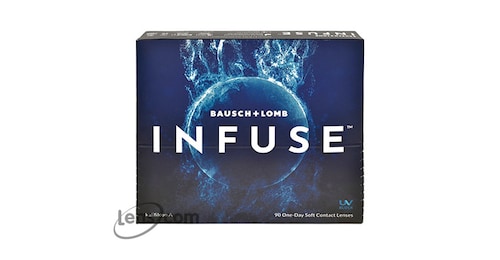
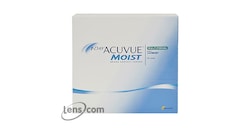
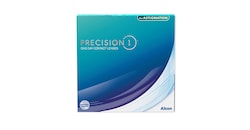
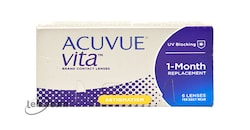
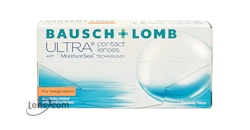
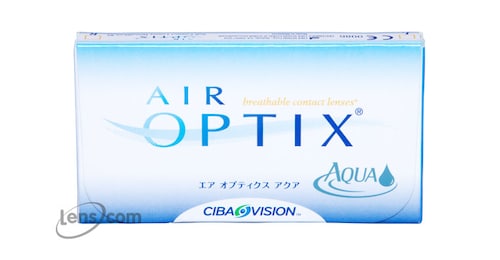
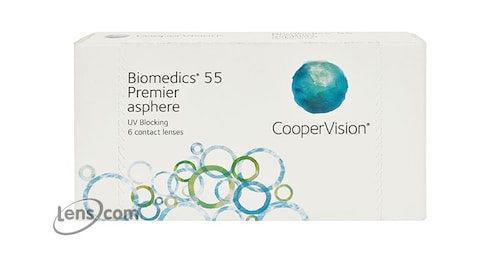
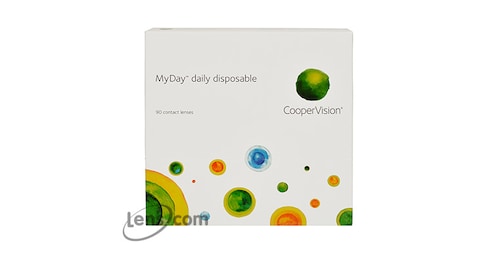
Ordering contact lenses online can make refills more convenient once you know what to check. Review the brand, power, base curve, diameter, box quantity, replacement schedule, and prescription expiration date before completing your purchase. Choosing a legitimate U.S. retailer like Lens.com that verifies prescriptions ensures that you receive properly labeled contact lenses like the ones below that are intended for sale in the country.
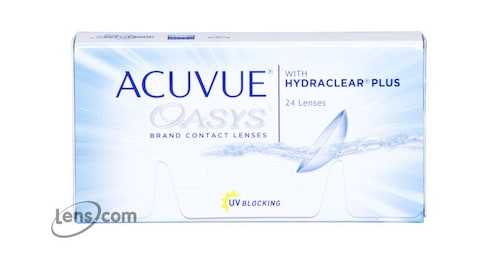
to
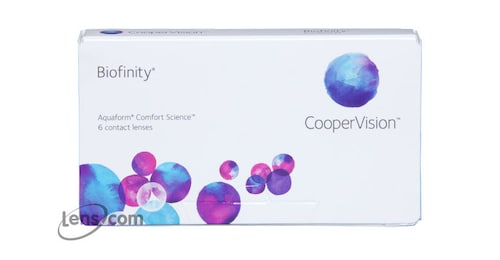
to
to
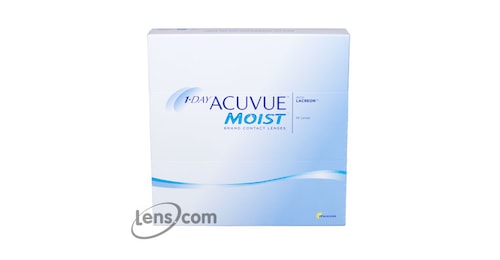
to
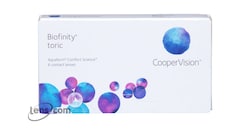
to
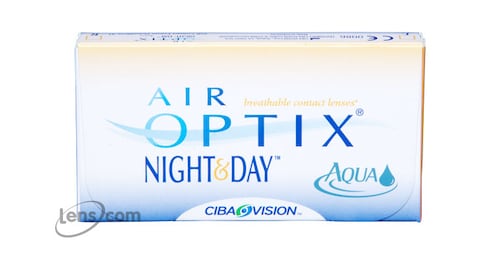
to
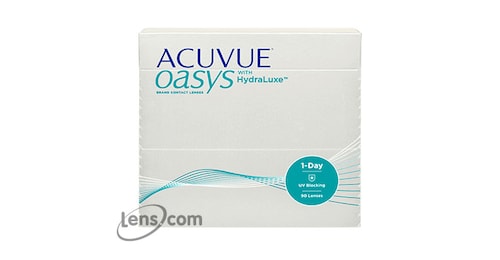
to
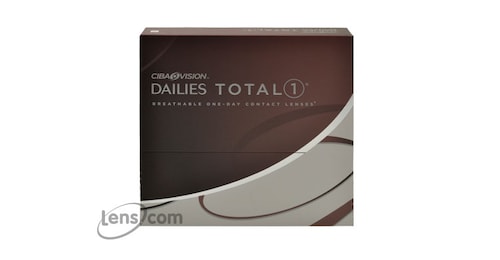
to
to
to
to
to
to
to
to
to
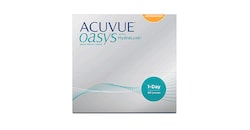
to
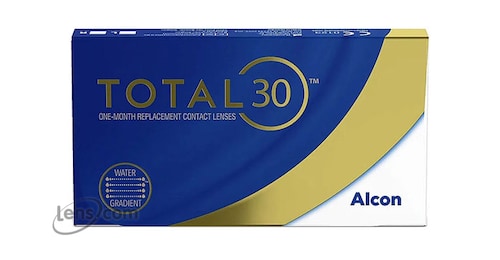
to
to
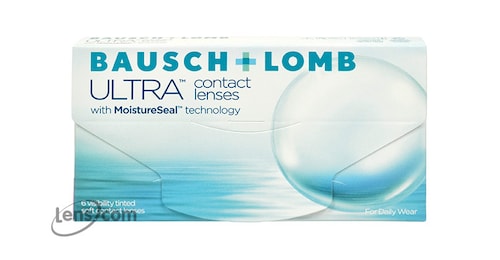
to
to
to
to
to
to
to
to
to
to
to
to
to
to
to
to
to
How to Buy Contact Lenses in the USA
Start by getting a contact lens exam and fitting from an optometrist or ophthalmologist. Your prescription should identify the exact lens brand, power, base curve, diameter, and other values. Additional values are required for astigmatism or multifocal correction. Contact lens prescriptions are product-specific, so don't replace the prescribed lens with another brand simply because the power looks the same.
Purchase the prescribed contact lenses from your eye care professional or a legitimate online retailer. When ordering contacts online, you'll usually upload a copy of the prescription or provide your prescriber's contact details so the seller can verify it. U.S. sellers can dispense contacts only after obtaining a valid prescription or completing the verification process required under the Federal Trade Commission (FTC) Contact Lens Rule.
Before checking out, confirm the right- and left-eye values, box quantity, replacement schedule, prescription expiration date, shipping fees, and total supply length. Buy only sealed, properly labeled prescription contact lenses from a seller that requires prescription verification.
Types of Contact Lenses Available in the USA
Contact lenses sold in the United States come in different materials, replacement schedules, and optical designs. The right type depends on your prescription, eye health, wearing routine, and the lens selected during your contact lens fitting.
- Daily disposable contact lenses - These lenses are worn once and discarded after removal. Daily disposable contact lenses are for people who prefer a fresh pair each day without going through the hassle of cleaning, disinfecting, or storing lenses overnight.
- Biweekly contact lenses - Biweekly lenses are replaced every two weeks. They must be removed, cleaned, disinfected, and stored after each day of wear.
- Monthly contact lenses - These lenses are reusable for up to one month after opening when worn and cared for as directed. Monthly contact lenses work well for regular wearers who want to save money and can diligently follow a consistent cleaning routine.
- Spherical contact lenses - Spherical lenses correct nearsightedness or farsightedness using a uniform optical power across the main vision zone. They're among the most commonly prescribed soft contact lenses.
- Toric contact lenses -Toric lenses correct astigmatism and include cylinder and axis values. Their stabilization design keeps the prescription properly aligned as the wearer blinks and moves their eyes.
- Multifocal contact lenses - Multifocal contacts have multiple focusing zones for near, intermediate, and distance vision. They're commonly prescribed for presbyopia, an age-related condition that gradually affects your ability to see objects near you.
- Colored contact lenses - Colored lenses enhance or change the appearance of the iris and may include corrective power or plano power. They require a valid prescription and proper fitting in the United States.
- Rigid gas-permeable contact lenses. Also called RGP or GP lenses, these rigid contacts allow oxygen to pass through the material. They provide sharp vision for astigmatism, irregular corneas, or prescriptions that are beyond the capabilities of standard soft contact lenses.
- Hybrid contact lenses - Hybrid designs combine a rigid gas-permeable center with a soft outer skirt. The rigid center supports clear optics, while the softer edge is designed to improve wearing comfort.
- Scleral contact lenses - Scleral lenses are large rigid lenses that go over the cornea and rest on the white part of the eye. They may be prescribed for irregular corneas, severe dry eye, or other complex fitting needs.
- Therapeutic contact lenses - These lenses protect the cornea, relieve discomfort, or support healing after certain injuries and surgical procedures.
- Extended-wear contact lenses - Certain lenses are approved for overnight or continuous wear for a limited period. Do not sleep with your contact lenses on unless approved and prescribed by your doctor.
Why Contact Lenses Require a Prescription in the USA
Contact lenses require a prescription in the United States because as per the Food and Drug Administration (FDA) they're medical devices that sit directly on the eye. An eye care professional needs to determine the correct brand, power, base curve, diameter, and any additional parameters required for astigmatism or presbyopia. The fitting also determines how the lens centers, moves with blinking, interacts with the tear film, and affects the cornea during wear. This requirement applies to corrective contacts as well as colored and cosmetic contact lenses without vision-correction power.
A prescription reduces the risks associated with poor fit, unsuitable materials, and improper lens use. It ensures that retailers dispense the exact product evaluated for your eyes rather than an unapproved substitute. Under the Federal Trade Commission (FTC) Contact Lens Rule, sellers must receive a copy of the prescription or verify it with the prescriber before filling an order.
What to Check on a U.S. Contact Lens Prescription
A contact lens USA prescription includes details needed to correct your vision and confirm the proper lens fit. Review every field before ordering, since even a small entry error can delay verification or result in the wrong product.
- Lens brand and product name - Order the exact contact lens listed on your prescription. Products with the same power may use different materials, dimensions, and optical designs, so they aren't interchangeable.
- Right and left eye values - OD refers to the right eye, while OS refers to the left. Check each side separately, especially if your prescription says your eyes have different values.
- Sphere power - The PWR or SPH value shows the amount of correction needed for nearsightedness or farsightedness. Use this exact number, including the plus or minus sign.
- Base curve - The BC describes the curvature of the lens in millimeters. It determines how the contact sits and moves on your eye.
- Diameter -The DIA indicates the overall width of the contact lens. It should match the product and measurement prescribed by your eye care professional.
- Cylinder - CYL appears on toric prescriptions and shows the amount of astigmatism correction needed. Standard spherical contact lenses don't use this value.
- Axis - The AXIS identifies the orientation of the cylinder correction and is measured from 1 to 180 degrees. It's entered along with the correct cylinder value when you buy contacts online.
- Add power - Multifocal and bifocal prescriptions may include an ADD value for near vision. Depending on the brand, it may appear as a number or as low, medium, or high.
- Additional design information - Certain multifocal or specialty contact lenses may list dominant-eye designations, near or distance options, or manufacturer-specific fitting codes.
- Prescription issue and expiration dates - Make sure the prescription is still valid when you place the order. U.S. expiration periods can vary under state law, but a prescription generally can't expire in less than one year unless there's a documented medical reason.
- Prescriber information - The prescription should include the eye care professional's name and contact details. Online retailers may use this information to complete prescription verification.
- Your identifying information - Check that your name matches the information used for the order. Differences in names or other patient details may slow down verification.
How Online Prescription Verification Works in the USA
When you order contact lenses online, the retailer must obtain a copy of your valid prescription or verify the prescription details with your eye care professional before dispensing the lenses. You can upload the prescription during checkout. Another option is to enter the prescribed brand, power, base curve, diameter, and your prescriber's contact information so the retailer can submit a verification request.
After receiving a properly completed request, the prescriber has eight business hours to confirm the prescription, correct inaccurate details, or notify the seller that it is invalid or expired. When the prescriber doesn't respond within that period, the prescription may be treated as verified under the FTC's Contact Lens Rule.
Entering the information exactly as written can help prevent delays or incorrect orders. Double-check the product name, values for each eye, expiration date, and clinic contact details before submitting your purchase. The retailer must dispense the prescribed lenses rather than substitute another brand without proper authorization.
How to Choose a Legitimate US Contact Lens Seller
A trustworthy contact lens retailer follows U.S. prescription requirements and provides sufficient product information for you to order confidently. Check the seller carefully before entering your prescription or payment details.
Make sure the seller requires a prescription.
A legitimate retailer will request a copy of your current contact lens prescription or contact your prescriber to verify it. Sellers can't legally dispense contacts in the US without completing one of these steps.
Check that the exact prescribed lens is available.
The product name, brand, power, base curve, diameter, and any toric or multifocal values should match your prescription. A retailer shouldn't replace the prescribed brand with another lens without proper authorization.
Look for complete product details.
The listing should identify the manufacturer, lens material, box quantity, replacement schedule, and available prescription parameters. Private-label lenses should also include enough information to identify the manufacturer and any equivalent brand name.
Buy lenses intended for the U.S. market.
Contact lenses released for sale in the United States are reviewed by the FDA for their specified materials, uses, and wearing schedules. Avoid products with unclear approval status or labeling intended for another market.
Review the packaging standards.
Lenses should arrive in sealed, undamaged blister packs or manufacturer boxes with expiration dates and lot information. Don't use contacts from opened, leaking, expired, or poorly labeled packages.
Check the seller's contact information.
A legitimate business should provide a working phone number, customer-service channel, mailing address, and clear information about prescription verification.
Read the shipping and return policies.
Check delivery estimates, cancellation terms, and whether unopened boxes can be returned or exchanged. Prescription products may have stricter return rules once the packaging has been opened.
Compare the full checkout price.
Review the number of lenses per box, supply length, shipping charges, taxes, and rebate requirements. Extremely low prices may be misleading when important fees or box quantities aren't clearly disclosed.
Use secure payment and account pages.
Look for encrypted checkout pages and standard payment protections. Avoid sellers asking for payment through nefarious, unusual, or unconventional methods that provide little recourse after the purchase.
Be cautious with decorative contact sellers.
Colored and costume contact lenses require prescriptions too, even when they have no corrective power. The FDA advises avoiding street vendors, novelty shops, flea markets, and websites that sell decorative lenses without prescription verification.
Avoid one-size-fits-all claims.
Contact lenses have product-specific dimensions and fitting characteristics. A seller that says anyone can safely wear the same lenses is overlooking the need for a professional fitting.
Watch for missing or suspicious brand information.
Counterfeit or unapproved lenses may imitate known products while providing limited details about the manufacturer, materials, or sterility controls. Choose a seller that clearly identifies what you're receiving.
What FDA Clearance Means for Contact Lens Buyers
FDA clearance means a contact lens has completed the applicable federal review process and may be marketed in the United States for its specified use. The review considers details such as the lens material, manufacturing controls, optical performance, labeling, prescription range, and approved wearing or replacement schedule. Buyers can check the FDA's contact lens listings to see which products have been reviewed and released for sale in the country.
Clearance doesn't mean a lens is suitable for every person or that it can be worn in any way the buyer chooses. You still need a valid prescription and professional fitting to confirm that the brand, dimensions, material, and vision correction are appropriate for your eyes. Follow the approved instructions for daily wear, overnight use, cleaning, and replacement rather than extending the schedule on your own.
How to Compare Contact Lenses USA Costs
The advertised price per box doesn't show the full cost of wearing contact lenses. Compare the same supply period for both eyes and include discounts, shipping, insurance benefits, and care supplies before choosing where to buy.
- Check the number of lenses per box. Contact lens boxes may contain 6, 12, 30, or 90 lenses. A higher-priced box may still cost less per lens.
- Compare the same supply length. Calculate what each option costs for three months, six months, or one year. Comparing a single box of daily contacts with a single box of monthly contacts won't give you a fair result.
- Include the supply for both eyes. Different prescriptions usually require separate boxes for the right and left eyes. Make sure your estimate covers the full quantity needed for each eye.
- Calculate the price per wearing day. Divide the total supply cost by the number of days the lenses will be worn. This makes daily, biweekly, and monthly products easier to compare.
- Factor in cleaning supplies for reusable lenses. Monthly or biweekly contacts require disinfecting solution and a storage case. Daily disposables cost more per lens in many cases, but they don't need these additional supplies.
- Review manufacturer rebates carefully. A contact lens rebate may require an annual supply, a recent eye exam, or a purchase within a specific period. Compare the price after the rebate only when your order meets all eligibility requirements.
- Check your vision insurance benefits. Some plans provide an allowance for contact lenses or cover part of the fitting fee. Confirm whether the retailer is in network and whether you must submit a claim yourself.
- Consider HSA or FSA funds. Prescription contact lenses and certain related supplies may qualify for payment through a health savings account or flexible spending account. Check your plan rules and keep the receipt for your records.
- Add shipping, handling, and taxes. A low box price may become less competitive once checkout charges are included. Compare the final amount rather than the product price alone.
- Look at the replacement schedule. Daily lenses require a fresh pair for every wearing day, while reusable contacts last longer after opening. Base the calculation on the schedule prescribed for the specific product.
- Consider how frequently you wear contacts. Daily disposables may be practical for occasional use since you open a pair only when needed. Full-time wearers should compare the annual cost of each prescribed option.
- Don't switch lenses based only on price. A cheaper product isn't automatically interchangeable with the contact listed on your prescription. Any change in brand, material, or design should be approved by your eye care professional.
Why the Exact Contact Lens Brand on Your US Prescription Matters
A U.S. contact lens prescription identifies a specific brand and product, not only the corrective power. Lenses with the same sphere value can differ in material, base curve, diameter, edge profile, water content, oxygen permeability, and optical design. These features affect how the lens centers, moves with blinking, feels during wear, and corrects your vision.
Ordering the prescribed brand helps ensure you receive the lens your eye care professional evaluated on your eyes. A similar-looking or less expensive product may fit differently or provide inconsistent comfort and clarity. Don't substitute another brand unless your eye care professional has fitted the new lens and updated or approved your prescription.
Contact Lens Safety Rules for US Wearers
Contact lenses are medical devices, so wearing them safely depends on following the instructions for your prescribed product. Consistent hygiene, timely replacement, and prompt attention to symptoms can help lower the risk of corneal injury and infection.
Wash and dry your hands before handling lenses.
Use soap and dry your hands with a clean, lint-free towel before inserting, removing, or cleaning contacts.
Follow the prescribed wearing schedule.
Remove lenses when directed and don't extend the daily wearing time simply because they still feel comfortable.
Replace lenses on time.
Discard daily, biweekly, monthly, and other planned-replacement contacts according to the product schedule. Don't reuse a daily disposable lens after removal.
Avoid sleeping in contacts unless specifically prescribed.
Sleeping or napping in daily-wear lenses increases the risk of serious eye infection. Overnight wear should be limited to lenses approved and prescribed for that purpose.
Keep contacts away from water.
Remove lenses before showering, swimming, or using a hot tub. Water can change the shape of soft lenses, trap them against the eye, and expose the cornea to harmful microorganisms.
Use fresh disinfecting solution.
Clean and store reusable contacts only with the solution recommended by your eye care professional. Never use water, saliva, or homemade saline, and don't top off old solution in the case.
Clean the storage case properly.
Rub and rinse the case with fresh solution, then leave it open to air-dry. Replace it about every three months or according to your eye care professional's instructions.
Don't share contact lenses.
Contacts are prescribed and fitted for one wearer. Sharing can transfer microorganisms and may place a poorly fitting lens on the eye.
Use only prescribed eye drops and care products.
Some drops aren't compatible with contact lenses. Follow the labeling and your eye care professional's recommendations rather than choosing a product based on redness relief alone.
Handle makeup carefully.
Insert contacts before applying cosmetics and remove them before taking makeup off. Keep glitter, powders, eyeliner, and eyelash adhesive away from the lens surface.
Have your eyes checked regularly.
Your prescription, lens fit, tear film, and ocular health can change over time. Routine evaluations help identify problems that may not cause obvious symptoms early on.
Carry backup glasses.
Keep a pair available in case a lens becomes damaged, contaminated, or uncomfortable during the day.
Remove lenses when warning signs appear.
Stop wearing contacts if you notice persistent redness, pain, discharge, blurred vision, excessive tearing, or unusual light sensitivity. Contact an eye care professional promptly, especially when symptoms continue or worse after removal.
References
Buying Contact Lenses. U.S. Food and Drug Administration. https://www.fda.gov/medical-devices/contact-lenses/buying-contact-lenses. Published Date (October-28-2020). Date Accessed: July 31, 2026.
Types of Contact Lenses. U.S. Food and Drug Administration. https://www.fda.gov/medical-devices/contact-lenses/types-contact-lenses. Published Date (January-16-2018). Date Accessed: July 31, 2026.
FTC Announces Final Amendments to the Agency's Contact Lens Rule. Federal Trade Commission. https://www.ftc.gov/news-events/news/press-releases/2020/06/ftc-announces-final-amendments-agencys-contact-lens-rule. Published Date (June-23-2020). Date Accessed: July 31, 2026.
The Contact Lens Rule: A Guide for Prescribers and Sellers. Federal Trade Commission. https://www.ftc.gov/business-guidance/resources/contact-lens-rule-guide-prescribers-sellers. Published Date (June-17-2020). Date Accessed: July 31, 2026.
FAQs: Complying with the Contact Lens Rule. Federal Trade Commission. https://www.ftc.gov/business-guidance/resources/faqs-complying-contact-lens-rule. Published Date (June-01-2020). Date Accessed: July 31, 2026.
Decorative Contact Lenses for Halloween and More. U.S. Food and Drug Administration. https://www.fda.gov/medical-devices/contact-lenses/decorative-contact-lenses-halloween-and-more. Published Date (October-22-2024). Date Accessed: July 31, 2026.
Popular Contact Lens Reviews
Night and Day
Been wearing these for many years. Very thin to allow more oxygen to the eye. I remove and sanitize daily. Great product.
Excellent service!
This product has nothing to dislike about. It is a good quality of contact lenses and will not stop using this brand. My vision is satisfactory using Air Optix brand. Please do not stop carrying them. The sales representative was also very knowledgeable, professional, articulate and kind. My order came in before Thanksgiving and I appreciate it. She expedited sending my order so I will be happy, satisfied with my new lenses. Thank you kindly, for the excellent service !
Affordable price and quality
Love the ease and price of buying Focus dailies through Lens.com. Quick delivery and cheaper than through my eye doctor. Same product and quality. Why waste time and money anywhere else.
Awesome service
I have used Lens.com for several years now and their service is excellent. They even took back contacts I had ordered by mistake. They make it easy to order and receive your product quickly.
Would highly recommend them!
Easy wearing
Been wearing this brand of contacts for 3 years- feel easy on the eyes, light, flexible & easy to dispose of. Say adios to buying contact solution & contact cases!
The customer service is prompt and OUTSTANDING
Lens.com is such a breeze to order contacts from, and their customer service is the best. Several boxes of contacts I ordered were lost in the mail and they so were so kind about resending me my order fast and without any extra fees. The quality of these contacts (Biofinity) is unmatched as well. I would highly recommend both Lens.com and Biofinity to anyone.
Great prices
I have ordered several times from Lens.com.
I have had no issues with orders or scripts. I love the rebate when you order 4 boxes or more. I will purchase from them again.
First time buyer
Great service, great price and very easy to order and pay. Will be back for my next order.
I have been using B+L SofLens Toric Astigmatism.
After I had been happily using them for decades, I could not reorder my contact lenses since Bausch+Lomb officially discontinued many SofLens® Toric lenses in July  2023.
As my Rx had not changed, my optometrist recommended another manufacturer, which I tried using for months, and was very disappointed.
Then on the Lens.com website, I ordered B+L ULTRA for Astigmatism Contact Lenses, and they seem just the same to me as the discontinued B+L SofLens® Toric contact lens. Now I couldn't be happier!