Contact Lens Numbers
Contact lens numbers can look confusing at first, especially when a prescription and a product box contain several different measurements. These figures describe different aspects of your eye contacts, from the amount of vision correction to the lens size and fit. You might see values such as power, base curve, diameter, cylinder, axis, or addition power, depending on your prescription and lens type.
Knowing what these numbers mean can make it easier to read your prescription and check a product listing before ordering. The numbers for your right and left eyes can also differ, so you need to match each value with the correct eye. Your eye care professional determines the prescription and lens parameters that are appropriate for you, while the numbers on the packaging help you confirm that you're purchasing the prescribed contact lens.
to
to
to
to
to
to
to
to
to
to
to
to
to
to
to
to
to
to
to
to
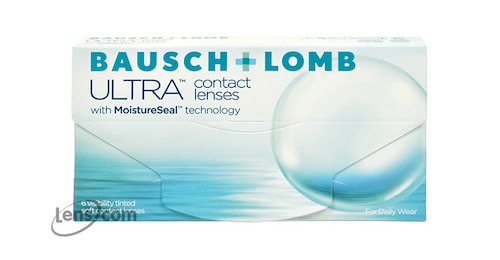
to
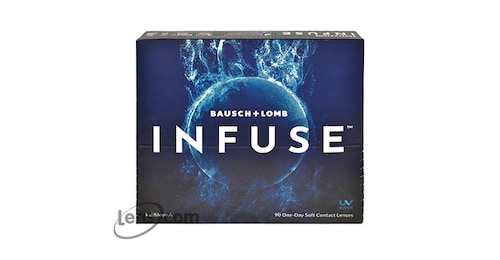
to
to
to
to
to
to
to
to
to
to
to
to
to
to
to
to
What Do the Numbers on Contact Lenses Mean?
Contact lens packaging and prescriptions can include several numbers, each serving a different purpose. Knowing what they represent can help you read your prescription and check contact lenses that match your eye care professional's prescription.
- Power (PWR or SPH)
This number indicates the lens power used to correct nearsightedness or farsightedness. Negative values generally correct nearsightedness, while positive values generally correct farsightedness. - Base Curve (BC)
The base curve describes the curvature of the back surface of the contact lens. It helps determine how the lens fits and moves on your eye. - Diameter (DIA)
Diameter measures the width of the contact lens from edge to edge. It helps describe the overall size of the lens and contributes to its fit on the eye. - Cylinder (CYL)
Cylinder power appears on prescriptions for toric contact lenses for astigmatism. It indicates the amount of additional correction needed to compensate for the uneven curvature of the eye. - Axis
The axis specifies the orientation of the cylinder correction for astigmatism. It is expressed as a number from 1 to 180 degrees. - Addition Power (ADD)
ADD indicates the extra magnifying power used for near vision in multifocal contacts. It helps address the difficulty focusing on close objects associated with presbyopia. - Brand or Lens Name
The product name identifies the specific contact lens prescribed. Different lenses can have different materials, designs, and available parameters even when they provide similar vision correction. - Replacement Schedule
Numbers or wording on the packaging can indicate how often the lens should be replaced, such as daily, biweekly, or monthly. Follow the replacement schedule specified for your particular lens. - Right and Left Eye Values
A prescription can contain different numbers for each eye. Check the right-eye and left-eye values carefully before ordering so you select the correct lens for each eye.
How To Read a Contact Lens Prescription
A contact lens prescription contains several numbers and abbreviations that describe the vision correction and lens parameters prescribed for each eye. Identify which values belong to your right eye and left eye, then review the specific measurements listed for each one. A standard prescription can include PWR or SPH for vision correction. Prescriptions for astigmatism include CYL and AXIS. Multifocal prescriptions include an ADD value for near-vision correction.
You may also see BC for base curve and DIA for diameter, describing the physical dimensions and fit of the lens. These measurements are separate from the power of the lens, but they still need to match the prescribed contact lens. Contact lens prescriptions also indicate the specific lens brand or product because different lenses can have different parameters.
When ordering, compare the prescription with the product information carefully rather than relying only on the power number.
Contact Lens Numbers to Know
Contact lens numbers can appear in different formats depending on the type of correction and the lens specifications.
- Plus and Minus Signs
Pay attention to the sign before a power value. A plus sign and a minus sign indicate different types of vision correction, so they should never be treated as interchangeable. - Decimal Values
Contact lens powers are commonly written as decimal numbers, such as -2.00 or +1.50. Small changes between values can represent different prescriptions, so enter the exact number shown on your prescription. - Quarter-Step Powers
Standard contact lens powers are listed in increments such as 0.25 diopters. A value of -2.25 is not the same as -2.50, even though the difference may look small. - Axis Numbers From 1 to 180
Astigmatism axis values use a degree scale rather than a positive or negative power. The number identifies the orientation of the astigmatism correction. - Millimeter Measurements
Physical lens measurements such as base curve and diameter are typically expressed in millimeters. These figures describe lens dimensions rather than the amount of vision correction. - Different Values for Each Eye
Your right and left eyes can have different numerical values. Keep each eye's figures together when reviewing a prescription or placing an order for contact lenses online. - ADD Values on Multifocal Lenses
Multifocal contact lens listings can show an ADD value alongside the distance prescription. The format can vary between lens brands, so compare the prescribed value with the exact product listing. - Lens Parameters Can Vary by Brand
Two contact lenses can have similar power values but different available measurements or parameter ranges. Check the complete set of numbers rather than comparing power alone. - Numbers on the Box vs. Numbers on the Prescription
Product packaging displays several numerical specifications, while a prescription may list only the parameters needed to identify the prescribed lens. Use the complete product information when confirming an order.
What Does Contact Lens Power Mean?
Contact lens power describes the amount of vision correction built into a lens. It's usually written as PWR or SPH on a contact lens prescription. A negative value, such as -2.00, generally indicates correction for nearsightedness, while a positive value, such as +1.50, generally indicates correction for farsightedness. The number represents the lens power in diopters, with larger values indicating stronger optical correction.
Contact lens power is only one part of a complete prescription. Your eye care professional also considers factors such as your lens fit, eye measurements, and whether you need correction for astigmatism or presbyopia.
Contact lens power differs from the power on an eyeglass prescription. Use the contact lens prescription provided for your specific lenses rather than converting an eyeglass prescription.
What Do BC and DIA Mean on Contact Lenses?
Two of the numbers you may see on a contact lens package are BC and DIA. Unlike power, these measurements describe the physical dimensions of the lens and contribute to how it fits on your eye.
BC (Base Curve)
The base curve measures the curvature of the lens, usually in millimeters. It determines how closely the lens follows the shape of your eye. A different BC changes how the lens sits and moves on the eye, so use the value specified for your prescribed lens.
DIA (Diameter)
Diameter measures the total width of the contact lens from one edge to the other, also in millimeters. It indicates the size of the lens and is used together with the base curve to determine how the lens fits.
BC and DIA Work Together
You shouldn't look at either measurement by itself when checking out a contact lens. The combination of the base curve, diameter, and other lens parameters contributes to the overall fit.
Values Can Differ Between Lens Brands
Two contact lenses may have different BC or DIA values even when they correct the same prescription. Don't assume that a lens with the same power will fit the same way as another brand.
Use the Values for Your Prescribed Lens
Check the BC and DIA listed for the specific lens prescribed by your eye care professional. Don't choose these measurements based solely on the numbers from another pair of contacts.
What Do CYL and AXIS Mean on Contact Lenses?
CYL and AXIS are prescription values used with toric contact lenses to correct astigmatism. The CYL value indicates the amount of astigmatism correction needed. AXIS identifies its orientation. Together, these numbers help the lens provide the appropriate correction across different meridians of the eye.
The CYL value is usually written as a negative number on contact lens prescriptions, although the format can vary depending on the prescription system. The AXIS is expressed in degrees from 1 to 180 and indicates the orientation of the cylinder correction. Both values need to match the prescribed lens, along with the power and other lens parameters.
Toric lenses use a specific design to maintain their orientation on the eye, so don't select CYL or AXIS values based on an eyeglass prescription without guidance from your eye care professional.
What Does ADD Mean on Multifocal Contact Lenses?
Multifocal contact lenses use an ADD value to provide extra correction for near vision. This measurement becomes relevant when a prescription needs to address both distance and near-vision needs, such as with presbyopia.
ADD Indicates Near-Vision Power
The ADD value represents the extra optical power used to support near vision. It works alongside the distance prescription.
ADD Values Can Vary
Multifocal lenses are available with different ADD ranges. Your eye care professional selects the appropriate level based on your vision requirements.
ADD Is Separate From Distance Power
A multifocal prescription includes a distance power along with an ADD value. Don't substitute one for the other when checking your prescription.
The Format Can Differ by Lens
Contact lens manufacturers may use different ADD categories or ranges for their multifocal products. Check the specific lens information when matching your prescription.
Your Prescription Determines the Appropriate ADD
Don't choose an ADD value based only on your age or the amount of near-vision difficulty you experience. An eye care professional can determine the appropriate multifocal lens and ADD level for your eyes.
Why Contact Lens Numbers Can Differ Between Eyes
It's common for the numbers on a contact lens prescription to differ between your right and left eyes because each eye can have different vision correction needs. One eye might be more nearsighted or farsighted than the other, for example, so the prescribed power can differ. If you have astigmatism or presbyopia, the CYL, AXIS, or ADD values can also vary between the two eyes.
The physical lens parameters may differ as well. When you buy contacts online or elsewhere, check the right-eye and left-eye values separately and match them with the correct lens. Even a small difference in power or another parameter can affect your vision. Don't assume that both eyes should use identical numbers simply because they use the same contact lens brand.
Contact Lens Numbers vs. Eyeglass Prescription Numbers
Contact lens and eyeglass prescriptions may contain similar vision-correction values, but these numbers are not interchangeable. The main difference comes from where each lens sits. Eyeglass lenses sit in front of the eyes, while contact lenses rest directly on the cornea. This means that using the numbers as an alternative to each visual aid affects the required power.
Prescription Format
Both prescriptions may include sphere power for nearsightedness or farsightedness. Contact lens prescriptions include lens-specific parameters such as base curve and diameter that aren't part of a standard eyeglass prescription.
Lens Position
The distance between an eyeglass lens and the eye can affect its optical power. A contact lens sits directly on the eye, so an eye care professional can prescribe a different power.
Astigmatism Correction
Both prescriptions use cylinder and axis values to correct astigmatism. The values aren't interchangeable because contact lenses require a specific lens design and fit.
Multifocal Correction
Eyeglass prescriptions and multifocal contact lens prescriptions approach near-vision correction differently. Contact lens prescriptions use an ADD value or a manufacturer-specific multifocal designation.
Base Curve and Diameter
Contact lens prescriptions include BC and DIA because these measurements relate to lens fit and dimensions. Eyeglass prescriptions don't use these contact lens parameters.
Brand and Lens Design
A contact lens prescription identifies a specific lens or lens family because different products can have different available parameters. An eyeglass prescription does not tell you which contact lens brand or design to purchase.
Don't Convert the Numbers Yourself
Avoid using your eyeglass prescription to order contact lenses without professional guidance. An eye care professional needs to determine the appropriate contact lens power, design, and fit for your eyes.
Other Contact Lens Numbers and Specifications
Not every number on a contact lens package describes your prescription. Product packaging and specifications can also include figures that describe the lens material, performance, and recommended use.
- Water Content
Water content shows the percentage of water in a lens material. You may see values such as 38% or 55%. The figure describes the lens material, not how much moisture the lens will provide during wear. - Oxygen Transmissibility (Dk/t)
Dk/t describes how efficiently oxygen can pass through a contact lens to the cornea. Manufacturers often provide this value as part of the lens specifications. A higher Dk/t generally indicates greater oxygen transmissibility through the lens. - Replacement Schedule
A lens can be labeled for daily, two-week, or monthly replacement. Daily disposable contact lenses are discarded after one day of wear, while reusable lenses follow the replacement schedule specified for that product. - Wearing Schedule
Some lenses have specific wearing instructions, such as daily wear or extended wear. An extended-wear designation doesn't mean every wearer should sleep in the lenses, so follow the instructions provided by your eye care professional. - UV Protection
Some contact lenses provide UV-blocking properties, which manufacturers can describe using percentages or UV protection classifications. Contact lenses with UV protection aren't a substitute for UV-blocking sunglasses. - Water Gradient or Surface Water Content
Certain lenses use designs that create a difference between the water content within the lens and at its surface. Product specifications can describe these features using percentages or other measurements. - Lens Material
Specifications identify the material used to make the lens, such as hydrogel or silicone hydrogel. Material information helps distinguish products with different oxygen transmission and water-content characteristics. - Pack Size
Numbers such as 30, 90, or 180 can indicate how many lenses come in a package. Check whether the package contains individual lenses or pairs, particularly when calculating how long a supply will last. - Expiration Date
Contact lens packaging includes an expiration date that indicates how long the unopened product is intended to remain suitable for use under the manufacturer's specified conditions. Don't use lenses past their labeled expiration date.
References
Contact Lens Prescription. U.S. Food and Drug Administration. FDA � Contact Lens Prescription. October-28-2020. Date Accessed: September 24, 2026.
Buying Contact Lenses. U.S. Food and Drug Administration. FDA � Buying Contact Lenses. October-28-2020. Date Accessed: September 24, 2026.
International Trends in Prescribing Multifocal and Monovision Soft Contact Lenses to Correct Presbyopia (2000�2023): An Update. Philip B. Morgan, Nathan Efron, Craig A. Woods, Deborah Jones, Lyndon Jones, and Jason J. Nichols. Contact Lens and Anterior Eye. PubMed � Multifocal and Monovision Contact Lens Trends. December-06-2024. Date Accessed: September 24, 2026.
The Effect of the Changes in Cylinder Power and Axis of Toric Soft Contact Lenses on Vision of Astigmatic Subjects. Dwie Aprina, Tri Rahayu, Joedo Prihartono, Nurani Rahma Arafah, and Shizuka Koh. Korean Journal of Ophthalmology. PubMed � Cylinder Power and Axis of Toric Soft Contact Lenses. June-25-2026. Date Accessed: September 24, 2026.
Oxygen Permeability and Water Content of Silicone Hydrogel Contact Lens Materials. Young G, Coleman S, and others. Optometry and Vision Science. PubMed � Oxygen Permeability and Water Content of Silicone Hydrogel Contact Lens Materials. April-2007. Date Accessed: September 24, 2026.
Water Properties of Soft Contact Lens Materials. Morgan PB, Efron N. Contact Lens and Anterior Eye. PubMed � Water Properties of Soft Contact Lens Materials. 2004.
Local Oxygen Transmissibility of Disposable Contact Lenses. Morgan PB, Efron N. Contact Lens and Anterior Eye. PubMed � Local Oxygen Transmissibility of Disposable Contact Lenses. 2003. Date Accessed: September 24, 2026.
Popular Contact Lens Reviews
Excellent service!
This product has nothing to dislike about. It is a good quality of contact lenses and will not stop using this brand. My vision is satisfactory using Air Optix brand. Please do not stop carrying them. The sales representative was also very knowledgeable, professional, articulate and kind. My order came in before Thanksgiving and I appreciate it. She expedited sending my order so I will be happy, satisfied with my new lenses. Thank you kindly, for the excellent service !
Affordable price and quality
Love the ease and price of buying Focus dailies through Lens.com. Quick delivery and cheaper than through my eye doctor. Same product and quality. Why waste time and money anywhere else.
Awesome service
I have used Lens.com for several years now and their service is excellent. They even took back contacts I had ordered by mistake. They make it easy to order and receive your product quickly.
Would highly recommend them!
Easy wearing
Been wearing this brand of contacts for 3 years- feel easy on the eyes, light, flexible & easy to dispose of. Say adios to buying contact solution & contact cases!
The customer service is prompt and OUTSTANDING
Lens.com is such a breeze to order contacts from, and their customer service is the best. Several boxes of contacts I ordered were lost in the mail and they so were so kind about resending me my order fast and without any extra fees. The quality of these contacts (Biofinity) is unmatched as well. I would highly recommend both Lens.com and Biofinity to anyone.
Great prices
I have ordered several times from Lens.com.
I have had no issues with orders or scripts. I love the rebate when you order 4 boxes or more. I will purchase from them again.
First time buyer
Great service, great price and very easy to order and pay. Will be back for my next order.
I have been using B+L SofLens Toric Astigmatism.
After I had been happily using them for decades, I could not reorder my contact lenses since Bausch+Lomb officially discontinued many SofLens® Toric lenses in July  2023.
As my Rx had not changed, my optometrist recommended another manufacturer, which I tried using for months, and was very disappointed.
Then on the Lens.com website, I ordered B+L ULTRA for Astigmatism Contact Lenses, and they seem just the same to me as the discontinued B+L SofLens® Toric contact lens. Now I couldn't be happier!
Great contact lens
These lens fit well and stay comfortable no matter my activity. Very good value for keeping my eyes seeing as well as possible.