
Colored Eye Contact Lenses
Colored eye contact lenses can refresh your look in a subtle or noticeable way. Some lenses add depth to your natural eye color, while others can create a clearer shift to hazel, green, blue, gray, honey, or brown. You may want them for everyday wear, photos, costumes, special events, or a new style that still works with your prescription.
These lenses aren't the same as regular makeup or beauty accessories. They sit directly on your eyes, so your eye doctor needs to check the fit, movement, size, comfort, and eye health before you wear them. Even plano colored eye contact lenses with no vision correction still need a valid contact lens prescription.
Once your eye doctor approves the exact product, color, power, base curve, diameter, and replacement schedule, shopping becomes easier. Explore the products shown on this page to find colored eye contact lenses that fit your prescription, eye color goals, and wearing routine.
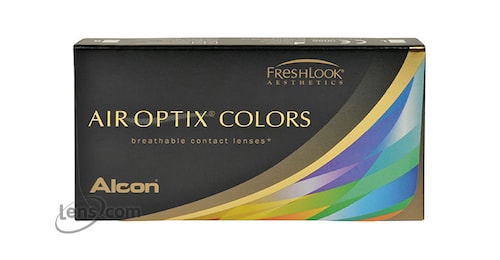
to
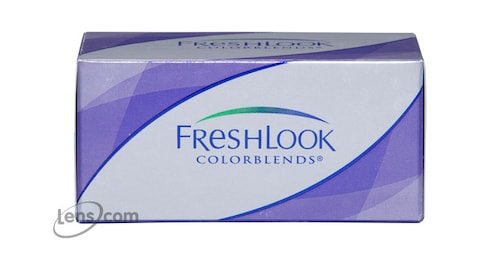
to
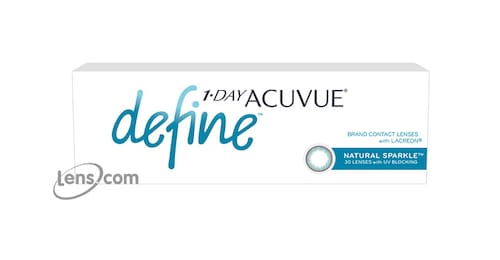
to
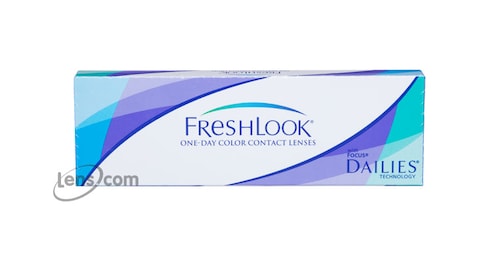
to
How Colored Eye Contact Lenses Can Change Your Look
Colored eye contact lenses can create different results depending on the lens design and your natural eye color. Some are made to blend softly with your iris, while others use stronger opacity to make the color stand out more clearly.
Think about the look you want before choosing a shade:
- Choose enhancement-style lenses if you want a soft change that still looks close to your natural eyes.
- Choose opaque colored lenses if you want a more visible color shift.
- Choose hazel or honey shades if you want warmth and brightness.
- Choose gray, blue, or green shades if you want a cooler eye color effect.
- Choose brown or dark-enhancing shades if you want more depth or definition.
- Choose limbal-ring styles if you want the eyes to look more defined around the edge.
- Choose costume or special-effect lenses only with a valid prescription and proper fitting.
- Compare shades within the lens line your eye doctor approved.
- Check whether the color you want comes in your prescription values.
- Ask your eye doctor before switching to another colored lens product.
The color should fit your style, but the lens still needs to fit your eyes. A shade that looks good in photos can still feel wrong if the product is not right for your eye shape or prescription.
Which Colored Lens Style Fits Your Eye Color Goals?
Colored eye contact lenses aren't all designed for the same kind of result. The best choice depends on how much change you want, how often you plan to wear the lenses, and whether you need vision correction.
Natural-Looking Color
Natural-looking colored lenses are made to blend with your existing eye color instead of covering it completely. They can add brightness, contrast, or definition while keeping the change subtle.
This style can work well if you want colored lenses for everyday wear. Hazel, honey, brown, soft green, gray, and blue shades can all look natural depending on your starting eye color and the lens pattern.
More Noticeable Color Change
Some colored eye contact lenses are made for a stronger color shift. These lenses usually have more opacity, which helps the shade show more clearly over your natural iris.
A more noticeable color can work well for photos, events, or wearers who want the eyes to stand out. If your natural eyes are dark, compare opaque styles first because translucent colors may blend instead of showing clearly.
Costume Or Special-Effect Lenses
Costume and special-effect lenses are made for bold looks, such as cat-eye, vampire, zombie, white-out, black-out, anime, or fantasy styles. These lenses are often used for Halloween, cosplay, performances, themed events, and photo shoots.
Even if you only plan to wear them once, they still need a valid contact lens prescription and proper fitting. Decorative lenses can harm the eyes when they are bought without a prescription or used incorrectly.
Why Colored Eye Contacts Need a Prescription
Colored eye contact lenses need a valid contact lens prescription in the United States, even if they don't correct vision. The U.S. Food and Drug Administration (FDA) classifies contact lenses as medical devices, including colored and decorative lenses. That means an eye doctor needs to prescribe them.
A glasses prescription is not enough. Glasses sit in front of your eyes, while colored contacts sit directly on the eye surface. A contact lens prescription can include details such as product name, power, base curve, diameter, material, and replacement schedule.
Be careful with sellers that advertise colored lenses with no prescription needed. A shortcut can seem convenient, but a poorly fitted lens can scratch the eye, trap debris, cause irritation, or increase the risk of infection. A valid prescription helps confirm that the lens is safe for your eyes.
Prescription vs. Plano Colored Eye Contact Lenses
Prescription colored eye contact lenses change your eye color and correct vision at the same time. They can help with nearsightedness, farsightedness, or other vision needs if the product comes in your prescription values.
Plano colored eye contact lenses change or enhance eye color without correcting vision. They are often used for cosmetic looks, costumes, or style changes, but they are still contact lenses. They still sit directly on your eyes and still need a valid prescription.
The difference is the lens power, not the safety process. If you need vision correction, order the exact product, color, and power your eye doctor approved. If you don't need vision correction, ask your eye doctor about plano colored lenses that match your eye shape, size, and wearing routine.
How Your Natural Eye Color Affects the Final Result
Colored eye contact lenses can look different from one wearer to another. The same green, gray, blue, hazel, honey, or brown lens may look brighter on one person and softer on another. Your natural eye color, iris pattern, pupil size, and lighting all affect the final result.
Lighter eyes usually show subtle colors more easily. A soft blue, gray, or green lens may look brighter when there is less natural pigment underneath. Hazel or honey shades can add warmth without looking too dramatic.
Darker eyes may need a more opaque colored lens if you want a stronger change. Translucent lenses can blend with brown or black eyes instead of covering them fully. Product photos can help you compare, but they aren't an exact preview of how the lenses will look on your eyes.
Can Colored Eye Contact Lenses Correct Vision?
Yes, some colored eye contact lenses can correct vision while changing eye color. The available options depend on the product line and your prescription values. Some lenses are made for standard spherical prescriptions, while others may have more limited correction options.
If you have astigmatism, you may need toric contact lenses with cylinder and axis values. If you have presbyopia, you may need multifocal contacts for near and distance vision. Not every colored lens line comes in toric, multifocal, or multifocal toric designs.
Ask your eye doctor which colored eye contact lenses are realistic for your prescription. Don't choose a standard colored lens just because the shade looks right. The lens still needs to correct your vision properly, fit your eyes, and stay comfortable during wear.
How to Choose a Replacement Schedule
Colored eye contact lenses can come in different replacement schedules, depending on the product. Some are daily disposable lenses, while others may be reusable for a bi-weekly, monthly, or other schedule. Your prescription should tell you which product and schedule your eye doctor approved.
Daily colored lenses are worn once and thrown away after removal. They can be helpful if you want a fresh pair for each wear day or plan to use color lenses occasionally. They don't need overnight cleaning or storage.
Reusable colored lenses need cleaning, fresh contact lens solution, and proper storage after each wear. They also need to be replaced on schedule, even if they still look clean. Don't stretch the replacement schedule to make the lenses last longer.
What to Check Before Buying Colored Eye Contact Lenses
Buying colored eye contact lenses should start with the product your eye doctor prescribed. The color is important, but the prescription and fit details need to match first.
Before checkout, review these details:
- The seller should ask for your prescription or eye doctor's information.
- The lens product should match your prescription.
- The color name should match the shade you want.
- The right-eye and left-eye values should be entered correctly.
- The power should match each eye if you need vision correction.
- The base curve and diameter should match if listed.
- The replacement schedule should match your prescription.
- The box count should fit how often you plan to wear them.
- The lens type should match your needs, such as plano or prescription.
- The product should not be marketed as no-prescription contacts.
A careful order check can help you avoid the wrong shade, wrong power, or wrong lens type. If anything looks different from your prescription, ask your eye doctor before buying.
Can You Wear Colored Eye Contact Lenses Every Day?
You can wear colored eye contact lenses every day if your eye doctor approves that schedule and the lens is designed for regular wear. Some color lenses are daily disposables, while others follow a reusable schedule. The approved wearing time and replacement schedule should come from your prescription and your eye doctor's instructions.
Daily comfort can depend on the lens material, fit, tear film, makeup habits, screen time, allergies, dry air, and how long you wear the lenses. A colored lens should not feel painful, tight, gritty, or irritating. It should also give stable vision if it includes vision correction.
If you want colored eye contacts for everyday wear, ask your eye doctor which product fits your prescription, eye shape, and routine. Remove the lenses if your eyes feel red, dry, blurry, or uncomfortable. Switch to glasses and call your eye doctor if symptoms continue.
How to Care for Colored Eye Contact Lenses
Colored eye contact lenses need careful handling, just like clear contacts. The color may change your look, but the lens still touches your eye directly. Clean hands, proper storage, and on-time replacement help keep the lenses safer and more comfortable to wear.
Step 1. Wash your hands before touching your colored contact lenses. Dry them with a clean, lint-free towel so water, soap, or fibers don't transfer to the lens. This helps keep small particles away from your eyes during insertion and removal.
Step 2. Put colored contacts in before applying eye makeup. This lowers the chance of powder, mascara, eyeliner, or cream getting trapped under the lens. It also gives you a chance to check comfort before adding makeup around your eyes.
Step 3. Take your lenses out before removing makeup. Makeup remover, oils, and loose particles can get on the lens if you leave them in during your nighttime routine. Removing lenses first can also help reduce eye irritation from cleanser or smudged makeup.
Step 4. Throw away daily disposable colored lenses after one use. If your lenses are reusable, clean and store them based on the schedule your eye doctor gave you. Don't stretch the replacement schedule, even if the lenses still look clean.
Step 5. Reusable colored lenses should be cleaned and stored with fresh contact lens solution after removal. Don't top off the old solution in the case, and don't rinse or store lenses with tap water. Fresh solution helps disinfect the lenses before your next wear.
Step 6. Remove colored eye contact lenses before swimming, showering, using a hot tub, or exposing your eyes to water. Water can introduce germs to the lens and increase the risk of eye irritation or infection. This applies to both prescription and plano colored lenses.
Step 7. Don't share colored eye contact lenses with anyone. Sharing lenses can transfer germs and can also put a poorly fitted lens on another person's eye. A lens that fits your eyes may not fit someone else safely.
Step 8. Remove your colored lenses if they feel painful, dry, gritty, or irritating. Call your eye doctor if redness, discharge, light sensitivity, blurry vision, or discomfort continues after removal. Don't keep wearing them just to finish an event, photo shoot, or night out.
Warning Signs Before Buying Decorative Lenses
Colored eye contact lenses should come from sellers that treat them like medical devices, not regular beauty or costume items. If the buying process feels too easy, that can be a warning sign. A legitimate seller should ask for your contact lens prescription or your eye doctor's information before selling you colored lenses.
Be careful if:
- The seller says no prescription is needed.
- The seller does not ask for your eye doctor's details.
- The lenses are sold only as beauty, costume, or fashion accessories.
- The product page does not show the lens brand, material, replacement schedule, or prescription details clearly.
- The seller cannot explain how long the lenses can be worn or how they should be cared for.
- The lenses are sold through unverified social media pages or marketplace listings.
- The price seems unusually low compared with legitimate contact lens sellers.
- The seller encourages you to share lenses with someone else.
- The seller suggests wearing lenses longer than directed.
- The seller treats plano colored lenses as safer than prescription colored lenses.
Colored lenses bought without a prescription may not fit correctly. Poorly fitted decorative lenses can make the eye more vulnerable to scratches, ulcers, infection, scarring, and vision loss. If a seller skips the prescription step, choose another place to buy.
References
About Cleaning, Disinfecting, And Storing Contact Lenses. Centers for Disease Control and Prevention. https://www.cdc.gov/contact-lenses/about/about-cleaning-disinfecting-and-storing-contact-lenses.html. Updated May 27, 2025. Accessed June 16, 2026.
About Contact Lens Types. Centers for Disease Control and Prevention. https://www.cdc.gov/contact-lenses/about/about-contact-lens-types.html. Updated May 27, 2025. Accessed June 16, 2026.
About Decorative Contact Lenses. Centers for Disease Control and Prevention. https://www.cdc.gov/contact-lenses/about/about-decorative-contact-lenses.html. Updated May 27, 2025. Accessed June 16, 2026.
Buying Contact Lenses. U.S. Food and Drug Administration. https://www.fda.gov/medical-devices/contact-lenses/buying-contact-lenses. Published October 28, 2020. Accessed June 16, 2026.
Colored And Decorative Contact Lenses: A Prescription Is A Must. U.S. Food and Drug Administration. https://www.fda.gov/consumers/consumer-updates/colored-and-decorative-contact-lenses-prescription-must. Published October 24, 2022. Accessed June 16, 2026.
Colored Contacts And Halloween Safety. American Academy of Ophthalmology. https://www.aao.org/eye-health/halloween-cosplay-colorful-contacts-eye-safety. Accessed June 16, 2026.
Contact Lens Care. American Optometric Association. https://www.aoa.org/healthy-eyes/vision-and-vision-correction/contact-lens-care. Accessed June 16, 2026.
Contact Lens Prescription. U.S. Food and Drug Administration. https://www.fda.gov/medical-devices/contact-lenses/contact-lens-prescription. Published October 28, 2020. Accessed June 16, 2026.
Contact Lenses. U.S. Food and Drug Administration. https://www.fda.gov/medical-devices/consumer-products/contact-lenses. Published October 28, 2019. Accessed June 16, 2026.
Decorative Contact Lenses For Halloween And More. U.S. Food and Drug Administration. https://www.fda.gov/medical-devices/contact-lenses/decorative-contact-lenses-halloween-and-more. Published October 22, 2024. Accessed June 16, 2026.
Everyday Eye Care. U.S. Food and Drug Administration. https://www.fda.gov/medical-devices/contact-lenses/everyday-eye-care. Updated December 4, 2023. Accessed June 16, 2026.
Four Risks Of Colored Contacts. American Academy of Ophthalmology. https://www.aao.org/eye-health/tips-prevention/avoid-these-four-dangers-of-non-prescription-conta. Published September 12, 2024. Accessed June 16, 2026.
Healthy Habits: Keeping Water Away From Contact Lenses. Centers for Disease Control and Prevention. https://www.cdc.gov/contact-lenses/about/healthy-habits-keeping-water-away-from-contact-lenses.html. Updated May 27, 2025. Accessed June 16, 2026.
Preventing Eye Infections When Wearing Contacts. Centers for Disease Control and Prevention. https://www.cdc.gov/contact-lenses/prevention/index.html. Updated May 27, 2025. Accessed June 16, 2026.
The Contact Lens Rule: A Guide For Prescribers And Sellers. Federal Trade Commission. https://www.ftc.gov/business-guidance/resources/contact-lens-rule-guide-prescribers-sellers. Accessed June 16, 2026.
Types Of Contact Lenses. American Optometric Association. https://www.aoa.org/healthy-eyes/vision-and-vision-correction/types-of-contact-lenses. Accessed June 16, 2026.
Types Of Contact Lenses. U.S. Food and Drug Administration. https://www.fda.gov/medical-devices/contact-lenses/types-contact-lenses. Updated January 16, 2018. Accessed June 16, 2026.
Popular Contact Lens Reviews
Excellent service!
This product has nothing to dislike about. It is a good quality of contact lenses and will not stop using this brand. My vision is satisfactory using Air Optix brand. Please do not stop carrying them. The sales representative was also very knowledgeable, professional, articulate and kind. My order came in before Thanksgiving and I appreciate it. She expedited sending my order so I will be happy, satisfied with my new lenses. Thank you kindly, for the excellent service !
Subtle but noticeable change
It has a subtle difference but completely changes up my look. Very comfortable for colored lenses.
Vibrant Colors
Freshlook ColorBlends are great! The colors are truly vibrant and are just as pictured
Best online vendor for contacts
Never disappoints!!! Best prices and super fast shipping!!