
Best Contacts for Dry Eyes and Allergies
Contact lenses for dry eyes and allergies are lenses selected to reduce irritation, dryness, and deposit buildup during wear. They may use materials or surface treatments designed to hold moisture more consistently, resist deposits, or provide a smoother lens surface. Daily disposable contacts for dry eyes are also commonly considered for allergy-prone eyes since a fresh pair is used each day, which can reduce the amount of pollen, proteins, and other debris that collects on the lens.
The best contacts for dry eyes and allergies below depend on whether dryness, allergies, or both are causing the discomfort. Some wearers need a lens material that works better with an unstable tear film, while others benefit more from frequent replacement and reduced exposure to allergens. An eye care professional can evaluate your eye's surface, tear quality, allergy symptoms, and lens fit to determine which design and replacement schedule are most suitable.
to
to
to
to
to
to
to
to
to
to
to
to
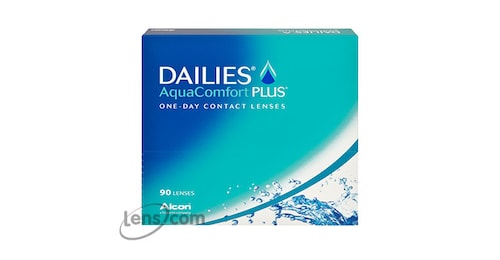
to
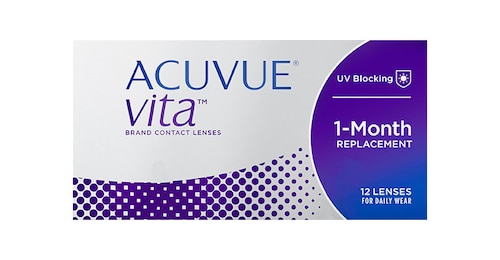
to
to
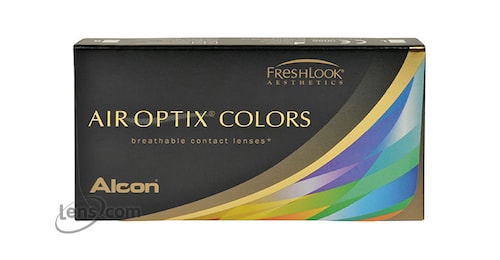
to
to
to
to
to
to
to
to
to
to
to
to
to
to
to
to
to
to
to
to
to
How Dry Eyes and Allergies Affect Contact Lens Comfort
Dry eyes can make contact lenses feel less comfortable because the tear film may not keep the lens surface evenly lubricated. Wearers may notice burning, grittiness, fluctuating vision, or a growing awareness of the lens. Symptoms can become more noticeable during long periods of screen use, in air-conditioned rooms, or in other dry environments.
Eye allergies can create a different set of problems. Pollen, dust, pet dander, and other allergens can trigger itching, redness, watering, and swelling, while deposits may also collect on reusable contact lenses. Rubbing the eyes can make irritation worse and may shift or damage the lens.
When dryness and allergies occur together, comfortable wear time can drop quickly, so lens material, replacement schedule, cleaning habits, and allergy control all become part of finding a better fit.
What to Look for in the Best Contacts for Dry Eyes and Allergies
The best contacts for dry eyes and allergies should support comfortable wear without adding unnecessary irritation. Lens material, replacement schedule, surface properties, and how well the lens works with your tear film all play a role.
A replacement schedule that limits buildup
Daily disposable lenses can be helpful for allergy-prone wearers. Each day, you start with a fresh pair rather than reused lenses that have collected pollen, proteins, or other deposits.
Good surface wettability
A lens surface that stays evenly coated with tears can feel smoother and reduce friction during blinking.
A material that suits your tear film
Silicone hydrogel contacts and hydrogel lenses behave differently on the eye. The better choice depends on your tear quality, wearing time, and how your eyes respond to the material.
Stable moisture throughout the day
Look for lenses designed to maintain hydration or support a consistent tear layer, especially if discomfort tends to increase after several hours.
Resistance to deposits
Protein, lipid, and environmental deposits can make lenses feel rougher and may worsen irritation. Frequent replacement and proper cleaning can reduce buildup.
A comfortable fit
The lens should center well, move appropriately with each blink, and avoid excessive edge interaction with the eyelids.
A practical replacement routine
Monthly or biweekly contacts work well, but they require regular cleaning and disinfection. Daily disposables may be easier during allergy season or for wearers who struggle with deposit buildup.
Compatibility with your prescription
The lens still needs to correct your vision properly, whether you have nearsightedness, farsightedness, astigmatism, or presbyopia.
Comfort during screen-heavy days
Reduced blinking during computer or phone use make dryness more noticeable, so your lenses should hold up during the activities you do most.
Low irritation during allergy flare-ups
A lens that feels fine most of the year may become less comfortable during periods of high pollen or other allergen exposure.
Easy removal when symptoms increase
Backup glasses are useful on days when itching, redness, watering, or dryness makes contact lens wear uncomfortable.
A fitting based on your eye health
An eye care professional can check your tear film, eyelids, ocular surface, and allergy symptoms before recommending a lens type or replacement schedule.
Daily vs. Reusable Contacts for Dry Eyes and Allergies
Daily disposable contacts can be a good option for people with dry, allergy-prone eyes since each day starts with a fresh pair. Pollen, proteins, oils, and other deposits have less time to build up on the lens surface. There's no need for a cleaning solution or a storage case.
Reusable contacts, including the best monthly contact lenses and biweeklies, work well when the material and fit suit your eyes. They require consistent cleaning, disinfection, and storage to limit deposits that can contribute to discomfort. Some wearers prefer reusable lenses for their prescription availability, routine, and lower overall costs. Others find that daily replacement feels better during periods of dryness or allergy symptoms.
Your eye care professional can compare your tear film, allergy history, prescription, and wearing habits before recommending a replacement schedule.
10 Best Contact Lens Options for Dry Eyes and Allergies
These lenses are among the best options for dry eyes and allergies because they use moisture-focused materials and technologies designed to support lens hydration, surface wettability, and comfortable blinking. Many are also daily disposables, which can reduce repeated exposure to allergens, protein deposits, and other buildup that can affect comfort.
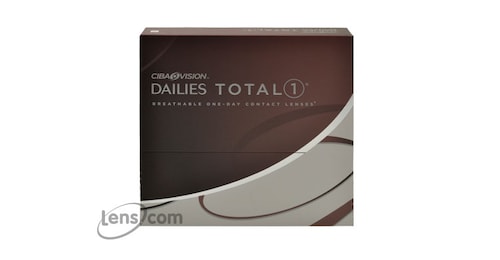
1. DAILIES TOTAL1
These daily disposable lenses use Water Gradient Technology, creating a highly water-rich surface designed to support smooth blinking. Daily replacement also limits repeated exposure to deposits and allergens that collect on reusable lenses.
2. PRECISION1
PRECISION1 uses SMARTSURFACE Technology, which maintains a thin moisture layer at the lens surface. The single-use schedule is convenient for wearers whose allergies or deposit buildup make reusable contacts less comfortable to wear.
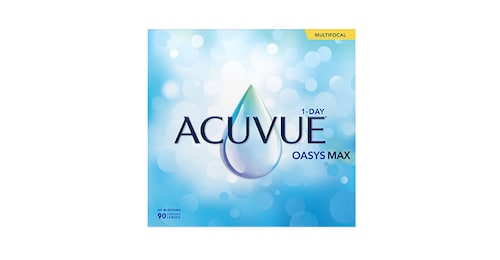
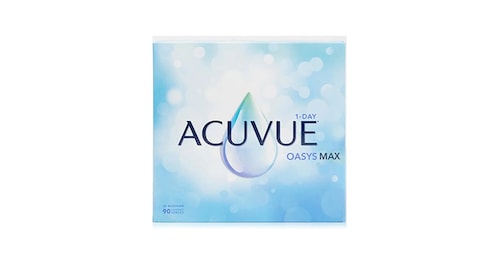
3. ACUVUE OASYS MAX 1-Day
This daily silicone hydrogel lens uses TearStable Technology to support moisture across the lens and its surface. Starting with a new pair each morning can also reduce the buildup associated with repeated wear.
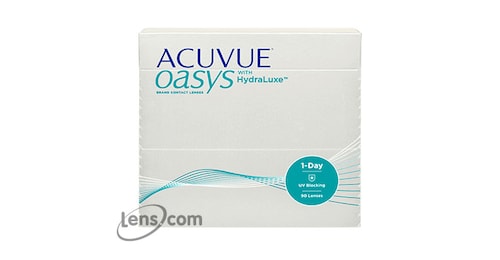
4. ACUVUE OASYS 1-Day with HydraLuxe
HydraLuxe Technology gives this daily disposable a tear-inspired design intended to work with the eye's natural tear film. Talk with your eye doctor if dryness becomes more noticeable during long workdays or extended screen use.
5. Bausch + Lomb INFUSE One-Day
INFUSE is a daily silicone hydrogel lens that uses ProBalance Technology and is designed with contact lens dryness in mind. Its one-day schedule also eliminates overnight cleaning, storage, and repeated deposit exposure.
6. MyDay Daily Disposable
MyDay combines silicone hydrogel with Aquaform Technology, which balances water content, oxygen transmission, and lens softness. A fresh pair every day makes it a comfortable lens to wear.
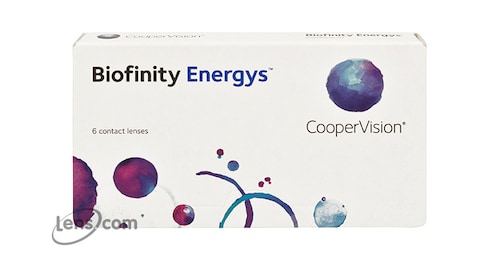
7. Biofinity
Biofinity is a reusable monthly silicone hydrogel lens that uses Aquaform Technology to support natural wettability and moisture retention. It suits wearers who tolerate monthly contacts well and can consistently clean, disinfect, and store their lenses as directed.
8. TOTAL30
TOTAL30 is a monthly silicone hydrogel lens that uses Water Gradient Technology at the lens surface. It gives dry-eye-prone wearers a reusable alternative to daily disposables, though careful cleaning and timely replacement become especially relevant when allergies or deposits affect comfort.
9. DAILIES TOTAL1 for Astigmatism
Wearers who have dry eyes, allergies, and astigmatism may need a toric lens that addresses moisture and rotational stability together. This daily option combines Water Gradient Technology with PRECISION BALANCE 8|4 Lens Design for astigmatism correction.
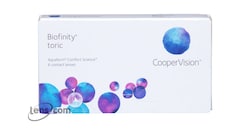
10. Biofinity Toric
For people who need astigmatism correction but prefer reusable lenses, Biofinity Toric uses Aquaform Technology along with Optimized Toric Lens Geometry. Your eye doctor can determine whether its monthly schedule, fit, and full toric prescription work well with your tear film and allergy symptoms.
How Contact Lens Materials Can Affect Dryness and Comfort
The contact lens material affects how a lens interacts with the tear film, retains moisture, transmits oxygen, and feels during blinking. Hydrogel lenses contain relatively high amounts of water, while silicone hydrogel lenses rely more on silicone to let oxygen pass through the material.
Higher water content doesn’t automatically mean a lens will feel better for dry eyes, since some high-water lenses can lose moisture during wear and become less comfortable as the day goes on.
Surface properties also play a major role. Some lenses use wetting agents, water-gradient designs, or surface treatments to help tears spread more evenly across the lens and reduce friction with the eyelids. The best material depends on your tear quality, eyelid health, wearing time, environment, and how your eyes respond to a particular lens.
An eye care professional compares different materials and trial lenses to find one that stays comfortable without compromising vision or fit.
Contact Lens Habits That Can Help During Allergy Season
Allergy season can make contact lens wear more challenging as pollen and other airborne allergens collect on the eyes and lens surfaces. A few changes to your daily routine can help you feel better as you wear contacts.
- Wash and dry your hands before handling lenses. Clean hands reduce the transfer of pollen, dust, and other irritants to your eyes. Use a lint-free towel so fibers don’t stick to the lenses.
- Start each day with clean lenses. Daily disposable wearers should use a fresh pair every morning. Reusable lenses need proper cleaning and disinfection after each time you wear them.
- Replace lenses on schedule. Wearing contacts beyond their prescribed replacement period gives deposits more time to accumulate and can increase irritation.
- Keep reusable lens cases clean. Empty the case after each use, rinse it with fresh contact lens solution, and let it air-dry.
- Avoid rubbing itchy eyes. Rubbing can increase irritation and move or damage a contact lens. Remove your lenses first when itching becomes difficult to ignore.
- Wear glasses. Giving your eyes a break from contacts can help when redness, itching, or watering becomes noticeable.
- Keep windows closed. Limiting outdoor allergens inside your home or car can reduce the amount that reaches your eyes and lenses.
- Change clothes and wash your face after spending time outdoors. Pollen and dust collect on your hair, skin, and clothing and can transfer to your eyes.
- Avoid touching the bottle tip to your eye or lens. When using contact-lens-compatible eye drops, keep the tip clean to prevent contamination.
- Use only eye drops approved for contact lens wear. Some allergy or redness-relief drops aren’t meant to be used while contacts are in. Check the label or ask your eye care professional before applying them.
- Remove lenses when symptoms occur. Persistent itching, burning, redness, or excessive watering is a sign to switch to glasses and give your eyes a break.
- Talk with your eye care professional when symptoms keep returning. Frequent allergy-related discomfort can be a reason to reconsider your lens material, replacement schedule, care products, or allergy treatment plan.
Dry Eye vs. Eye Allergies in Contact Lens Wearers
Dry eye and eye allergies can feel similar when you wear contact lenses, but they tend to cause different patterns of symptoms. Dry eye commonly leads to burning, grittiness, fluctuating vision, and discomfort that builds as the day goes on. The lens surface may dry out between blinks, which can make the contacts feel more noticeable during screen use, air travel, or time spent in air-conditioned spaces.
Eye allergies are more associated with itching, redness, watering, and swollen eyelids, especially after exposure to triggers such as pollen, dust, or pet dander. Allergy symptoms may also be seasonal, while dry-eye discomfort can occur throughout the year. Some people experience both at the same time, which can make the cause harder to identify.
Persistent or worsening symptoms should be evaluated by an eye care professional, since the best lens material, replacement schedule, and treatment approach can differ depending on what’s actually irritating the eyes.
Signs Your Contacts Are Making Dryness or Allergies Worse
Certain symptoms can mean that the lenses, replacement schedule, deposits, or current allergy conditions are making dryness or irritation worse and harder to manage.
- Increasing redness
Eyes that become noticeably redder while the lenses are in may be reacting to dryness, deposits, allergens, or poor lens tolerance. - Persistent itching
Itching is strongly associated with allergies and can become worse when pollen, dust, or other irritants collect on the lens surface. - Burning or stinging
A dry or unstable tear film can make lenses feel rougher and cause a burning sensation, especially later in the day. - A gritty or sandy feeling
This sensation can develop when the lens surface dries out or when debris becomes trapped beneath the lens. - Fluctuating or blurry vision
Vision that clears after blinking and then becomes blurry again can point to poor tear-film stability over the lens. - Excessive watering
Irritated eyes sometimes respond by producing more reflex tears, so watery eyes don’t always mean the surface is well lubricated. - Shorter comfortable wear time
Needing to remove your lenses several hours earlier than usual can be a sign that dryness or allergy symptoms are increasing. - More noticeable lens awareness
Contacts whose edges you can feel with every blink may have become dry, dirty, or less compatible with the eye surface. - Swollen or puffy eyelids
Eyelid swelling can accompany allergic reactions and may make contact lens wear less comfortable. - Stringy or unusual discharge
Mucus or discharge can occur with allergy-related irritation, but heavier or unusual discharge requires professional evaluation. - Frequent eye rubbing
Constantly wanting to rub your eyes suggests that itching or irritation isn’t well controlled. Rubbing can also shift or damage the lenses. - Symptoms that return soon after insertion
Burning, itching, or redness that starts after putting lenses in may point to deposits, care-product sensitivity, or a lens that no longer suits your eyes. - Pain, light sensitivity, or sudden vision changes
These symptoms go beyond routine dryness or allergies. Remove the lenses and seek prompt eye care, since they can signal a more serious eye problem.
How Contact Lenses Are Fitted for Dry, Allergy-Prone Eyes
Contact lens fitting for dry, allergy-prone eyes starts with more than the prescription alone. The eye care professional may check tear-film quality, eyelid health, corneal surface condition, and any signs of inflammation or allergy. The ECP will also review when symptoms tend to appear, how long you wear contacts each day, and whether certain environments or seasons make wearing contact lenses uncomfortable. These details help narrow down the lens material, replacement schedule, and design that are most likely to work well.
Trial lenses are then used to see how the contacts center, move with blinking, and feel after they have been on the eyes for a prescribed amount of time. Follow-up visits give the eye care professional a chance to check comfort, vision, and the ocular surface after real-world wear. The final choice may require a few adjustments before finding a lens that provides clear vision without making dryness or allergy symptoms harder to manage.
Environmental Triggers That Can Make Contact Lens Discomfort Worse
Dry, allergy-prone eyes can react strongly to changes in the environment, even when the contact lenses themselves fit well. Knowing which conditions tend to trigger irritation can help you adjust your routine before symptoms build.
- Pollen - Pollen can settle on the eyes and lens surfaces, increasing itching, redness, and watering during allergy season.
- Windy conditions - Wind speeds up tear evaporation and can blow dust, pollen, and debris toward the eyes.
- Dry indoor air - Air conditioning and heating systems can lower humidity, causing the tear film to evaporate faster and making lenses feel dry sooner.
- Smoke and air pollution - Cigarette smoke, wildfire smoke, exhaust, and other airborne irritants can make the eyes sting, burn, or feel gritty.
- Long periods of screen use - People tend to blink less while looking at phones, computers, or tablets. This leaves the lens surface drier and less evenly coated with tears.
- Air travel - Airplane cabins have very low humidity, which can make contact lenses feel noticeably drier during long flights.
- Dusty environments - Dust can collect on the lens surface or become trapped underneath the lens, leading to irritation and discomfort.
- Pet dander - Dander from cats, dogs, and other animals can trigger allergy symptoms and make wearing contact lenses more uncomfortable.
- Seasonal weather changes - Cold winter air, hot summer conditions, and sudden shifts in humidity change how quickly the eyes and lenses dry out.
- Fans blowing directly at the face - Desk fans, car vents, and ceiling fans can increase tear evaporation when air is directed toward the eyes for long periods.
- Makeup and skin-care products - Powders, creams, sprays, and eye cosmetics can migrate onto the lenses and add residue and deposits.
- Swimming pools and chlorinated water - Pool chemicals can irritate the eyes, and water exposure can contaminate contact lenses. Contacts should not be worn while swimming.
- Strong fragrances or cleaning products - Perfumes, aerosol sprays, and household cleaners can irritate sensitive eyes, especially in poorly ventilated spaces.
- Extended time outdoors - Spending several hours outside during high pollen, wind, or pollution conditions can increase allergen exposure and shorten comfortable wearing time.
References
Causes of Dry Eye. National Eye Institute. https://www.nei.nih.gov/eye-health-information/eye-conditions-and-diseases/dry-eye/causes-dry-eye. Published Date (December-06-2024). Date Accessed: August 12, 2026.
Allergies. American Optometric Association. https://www.aoa.org/healthy-eyes/caring-for-your-eyes/allergies. Published Date (Not listed). Date Accessed: August 12, 2026.
Eye (Ocular) Allergy. American Academy of Allergy, Asthma & Immunology. https://www.aaaai.org/conditions-treatments/allergies/eye-%28ocular%29-allergy. Published Date (Not listed). Date Accessed: August 12, 2026.
Adverse Events in Allergy Sufferers Wearing Contact Lenses. Agnieszka Urgacz, Ewa Mrukwa, and Radoslaw Gawlik/Postepy Dermatologii i Alergologii. https://pmc.ncbi.nlm.nih.gov/articles/PMC4495118/. Published Date (June-01-2015; exact day not listed). Date Accessed: August 12, 2026.
Adhesion of Pollen Particles to Daily Disposable Soft Contact Lenses. Tatsuya Mimura, Hiroshi Fujishima, Eiichi Uchio, Kazumi Fukagawa, Makoto Kawashima, Kazuma Kitsu, Hiroaki Horikawa, and Atsushi Mizota/Clinical Optometry. https://www.dovepress.com/adhesion-of-pollen-particles-to-daily-disposable-soft-contact-lenses-peer-reviewed-fulltext-article-OPTO. Published Date (March-25-2021). Date Accessed: August 12, 2026.
Popular Contact Lens Reviews
Night and Day
Been wearing these for many years. Very thin to allow more oxygen to the eye. I remove and sanitize daily. Great product.
Excellent service!
This product has nothing to dislike about. It is a good quality of contact lenses and will not stop using this brand. My vision is satisfactory using Air Optix brand. Please do not stop carrying them. The sales representative was also very knowledgeable, professional, articulate and kind. My order came in before Thanksgiving and I appreciate it. She expedited sending my order so I will be happy, satisfied with my new lenses. Thank you kindly, for the excellent service !
Affordable price and quality
Love the ease and price of buying Focus dailies through Lens.com. Quick delivery and cheaper than through my eye doctor. Same product and quality. Why waste time and money anywhere else.
Awesome service
I have used Lens.com for several years now and their service is excellent. They even took back contacts I had ordered by mistake. They make it easy to order and receive your product quickly.
Would highly recommend them!
Easy wearing
Been wearing this brand of contacts for 3 years- feel easy on the eyes, light, flexible & easy to dispose of. Say adios to buying contact solution & contact cases!
The customer service is prompt and OUTSTANDING
Lens.com is such a breeze to order contacts from, and their customer service is the best. Several boxes of contacts I ordered were lost in the mail and they so were so kind about resending me my order fast and without any extra fees. The quality of these contacts (Biofinity) is unmatched as well. I would highly recommend both Lens.com and Biofinity to anyone.
Great prices
I have ordered several times from Lens.com.
I have had no issues with orders or scripts. I love the rebate when you order 4 boxes or more. I will purchase from them again.
First time buyer
Great service, great price and very easy to order and pay. Will be back for my next order.
I have been using B+L SofLens Toric Astigmatism.
After I had been happily using them for decades, I could not reorder my contact lenses since Bausch+Lomb officially discontinued many SofLens® Toric lenses in July  2023.
As my Rx had not changed, my optometrist recommended another manufacturer, which I tried using for months, and was very disappointed.
Then on the Lens.com website, I ordered B+L ULTRA for Astigmatism Contact Lenses, and they seem just the same to me as the discontinued B+L SofLens® Toric contact lens. Now I couldn't be happier!