
Thin Contact Lenses
Thin contact lenses are soft contacts with a lightweight lens feel or a thin design feature. Some wearers prefer them because they may feel less noticeable on the eye, especially during long workdays, screen time, errands, or part-time wear.
Thinness is only one part of comfort, though. Material, oxygen transmission, moisture design, edge shape, replacement schedule, and fit all affect how contacts feel during wear. Some thin lenses are made from silicone hydrogel, and comfort can also vary depending on the type of contact lenses you wear.
Shop thin contact lenses below to find your prescribed lens type, box size, and replacement schedule, including 1 day contact lenses and reusable options, with savings of up to 70% on select products.
to
Why Choose Thin Contact Lenses?
Thin contact lenses are chosen for their light, low-profile feel on the eye. Some wearers like them because they can feel less noticeable during wear, especially if the lens also has a smooth edge and a material that works well with the tear film.
Thinness is only one part of the picture, though. A lens can feel light without being the right fit, and a thinner lens is not automatically better for every wearer. Material, moisture design, oxygen flow, edge shape, and prescription all affect how the lens feels once it is on the eye.
Common features wearers look for in thin contact lenses include:
- Slim lens profile: A thinner lens can feel lighter on the eye and less bulky during wear
- Smooth or tapered edges: A softer edge profile can reduce how much the eyelid notices the lens during blinking
- Breathable materials: Some thin lenses use materials that let more oxygen pass through the lens
- Moisture-focused design: Some thin lenses include wetting features or surface designs used in contact lenses for all-day comfort
- Flexible feel: Thin lenses often feel soft and bendable, which some wearers prefer over hard contact lenses
A thin design can feel comfortable, but the lens still needs to match your prescription and fit correctly. Start with the exact prescription contact lenses your eye doctor approved, then compare the features that affect everyday wear.
How Much Are Thin Contact Lenses?
Thin contact lenses can start at about $0.50 to $1.00 per day, depending on the brand, replacement schedule, material, prescription type, and box size. Daily disposable lenses usually cost more per day because each pair is thrown away after one use.
Reusable two-week and monthly lenses can cost less per day, but they also require contact lens solution, a case, and proper storage. Toric and multifocal thin contacts may cost more than standard spherical lenses because they correct more specific vision needs.
To compare options, check the table below for cost per day, replacement schedule, manufacturer, lens material, water content, special features, package size, supply length, and customer rating.
|
Average Cost per day
|
Contact Lens Manufacturer
|
Contact Lens Type
|
Contact Lens Material Type
|
Contact Lens Water Content Percentage
|
Contact Lens Blocks UV
|
Each Box Contains
|
Average Star Rating
|
|
|---|---|---|---|---|---|---|---|---|
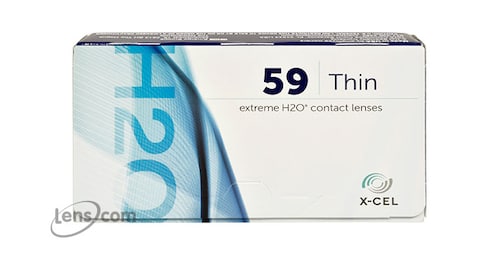
| Extreme H2O 59% Thin | $0.35 | X-Cel Specialty | Weekly | 41% hioxifilcon A | 59% | 6 lenses, a 6-month supply |
|
|
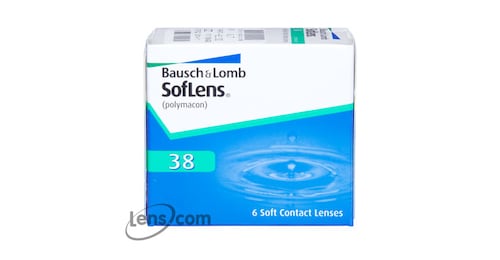
| SofLens 38 (Optima FW) | $0.54 | Bausch & Lomb | Weekly | Hydrogel | 38% | 6 lenses, a 3-month supply |
|
How to Get Rebates for Thin Contact Lenses
|
box rebate
Rebate amount with a 2 box purchase
|
Contact Lens Manufacturer
|
Contact Lens Type
|
Contact Lens Material Type
|
Contact Lens Water Content Percentage
|
Contact Lens Blocks UV
|
Each Box Contains
|
Average Star Rating
|
|
|---|---|---|---|---|---|---|---|---|
| SofLens 38 (Optima FW) | $20 | Bausch & Lomb | Weekly | Hydrogel | 38% | 6 lenses, a 3-month supply |
|
Popular Thin Contact Lenses
Popular thin contact lenses vary by brand, material, and replacement schedule. Some are one day contacts made for a fresh pair every morning, while others are reusable lenses that follow a two-week or monthly schedule.
ACUVUE
Some ACUVUE contacts are known for a lightweight lens feel and comfort-focused design. Depending on your prescription, ACUVUE options may include one day, two-week, toric, and multifocal contacts.
Check the exact product name before ordering. ACUVUE has several lens families, and each one can have a different material, replacement schedule, box count, and prescription availability.
DAILIES
DAILIES contacts include one day lenses that are worn once, then thrown away after removal. This can work well for wearers who want a fresh lens each morning without cleaning or overnight storage.
If you wear contacts part-time, one day lenses can also be easier to manage because there is no opened lens to save for later.
Biotrue ONEday
Biotrue ONEday contacts are daily disposable lenses with a soft, moisture-focused design. They are worn once and replaced with a fresh pair the next day.
This lens family includes options for standard vision correction and presbyopia, depending on the prescription.
Biofinity
Biofinity contacts are monthly silicone hydrogel lenses. They are reusable, so they need cleaning, fresh solution, and proper storage after each wear.
Biofinity also comes in toric and multifocal designs, which can help wearers with astigmatism or presbyopia find a lens that matches more specific prescription needs.
Are Thin Contact Lenses More Comfortable?
Thin contact lenses can feel comfortable for wearers who prefer a lighter lens on the eye. A slim lens profile may feel less noticeable during blinking, especially when the lens also has a smooth edge, a stable fit, and a material that works well with your tear film.
Comfort does not come from thinness alone. The lens material, water content, oxygen flow, edge shape, surface design, prescription strength, and replacement schedule all affect how a contact lens feels throughout the day. A thin lens can still feel dry, tight, blurry, or unstable if it does not sit properly on your eye.
Thin contacts may appeal to wearers who:
- Notice their lenses during the day
- Prefer a lighter lens feel
- Wear contacts for long workdays or screen time
- Want contacts for occasional or part-time wear
- Have tried bulkier-feeling lenses in the past
They are not automatically the best choice for every wearer. Some very soft lenses can fold more easily, cling to the fingertip, or take more practice to insert. A thin lens may also be harder to handle if you are new to contacts or if the material feels too flexible.
If your current contacts feel bulky, dry, tight, or noticeable, ask your eye doctor whether a thinner lens design could work for your eyes. Do not switch brands, materials, base curve, diameter, or replacement schedule without approval, even if the lens power looks the same.
Why Thin Contacts Can Be Tricky to Put On
Thin contacts can take practice to insert and remove because the lens may feel very flexible. Some thin lenses fold, curl, or cling to the fingertip more easily than thicker lenses.
Before putting on thin contacts:
- Wash and dry your hands
- Use a lint-free towel
- Place the lens on a dry fingertip
- Check that the edges form a bowl shape
- Avoid touching the lens with fingernails
- Use fresh solution only if the lens is reusable
For removal, make sure your hands are clean and dry. Slide these contact lenses down to the white part of your eye, then gently pinch it with the pads of your fingers. If the lens feels stuck, dry, or painful to remove, stop and use rewetting drops approved by your eye doctor.
Are Thin Contacts Good for First-Time Wearers?
Thin contacts can be a good fit for first-time wearers who want a light, less noticeable feel on the eye. A thinner lens may feel easier to adjust to during the day, especially when the material, edge shape, and moisture design work well with your tear film.
The main tradeoff is handling. Some thin contacts are very flexible, so they can fold, curl, or stick to your fingertip while you're still learning how to put them on. Daily disposable thin contacts can make the routine simpler because each pair is worn once, then thrown away after removal.
They may be a good match for new wearers who want a lighter lens feel, a fresh pair each day, or contacts for school, work, sports, travel, or occasional wear. Still, first-time wearers need a contact lens exam and fitting before ordering. Your eye doctor will check the lens brand, base curve, diameter, material, movement, and comfort before approving the prescription.
When Thin Lenses Might Not Be the Right Fit
Thin contact lenses are not the best match for every wearer. A lens can feel lightweight but still cause dryness, shifting, blurry vision, or irritation if the fit, material, or prescription is wrong.
They may not be the right fit if the lens folds too easily, keeps sticking to your fingertip, tears often, or feels unstable during wear. Thin contacts may also feel uncomfortable if your eyes get dry before the day ends, your vision changes while wearing them, or your prescription type is not available in that lens.
Do not switch to a thinner lens just because your current contacts feel bulky. A different brand or material can change how the lens sits on your eye, even when the power is the same.
Remove your contacts and contact an eye care professional if you notice eye pain, redness, swelling, discharge, light sensitivity, or sudden vision changes. These symptoms need care, not another day of wear.