
Faux Contact Lenses
Faux contact lenses refer to cosmetic contact lenses that change how your eyes look. They may add a new eye color, create a dramatic effect to complement a costume, or complete a character-inspired look. They need proper fitting, safe handling, and a valid prescription from a licensed eye doctor.
Faux or cosmetic contact lenses are different from actual fake contacts, counterfeit lenses, or over-the-counter costume lenses sold without prescription checks. Using those products is risky because you may not know whether the lens material, size, shape, or manufacturing quality is safe for your eyes. The safest approach is to treat faux contacts like any other contact lens: get an eye exam, follow your doctor's fitting guidance, and buy from a reputable source.
Check out our safe and doctor-approved cosmetic lenses here.
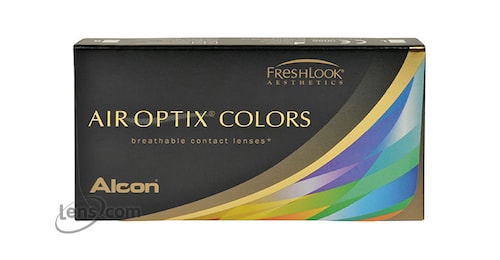
to
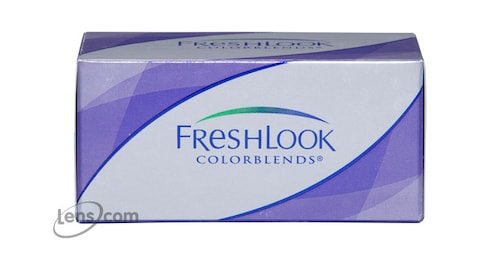
to
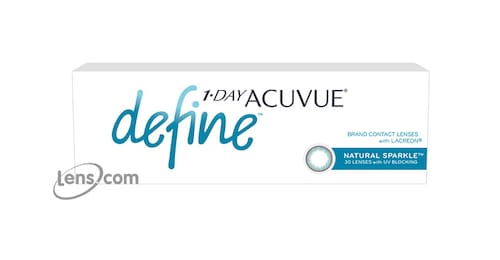
to
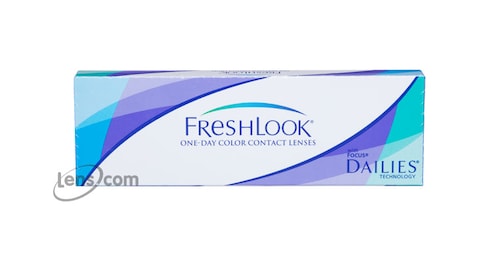
to
Why Wearing Faux Contacts Still Needs A Prescription
Cosmetic contacts still need a prescription because they are real contact lenses, even when they are used only to change eye color or create a specific look. They sit directly on the cornea, so the size, curve, material, and fit all affect comfort and safety. A lens that does not fit properly can rub the eye, move too much, block oxygen flow, or cause irritation.
A prescription also determines which cosmetic lenses are appropriate for your eyes and how long you should wear them. Your eye doctor can measure your eyes, check your eye health, and teach you how to insert, remove, clean, and store the lenses correctly. Buying cosmetic contacts without a prescription may feel convenient, but it puts your eye health at risk of severe complications like corneal abrasions, keratitis, and permanent vision loss.
Safe Ways To Wear Cosmetic Contact Lenses
Cosmetic contact lenses can change your eye color, complete a certain look, or complement a fashion statement. They still need the same care as prescription vision-correcting lenses.
Get an eye exam first.
Your eye doctor can measure your eyes, check your eye health, and confirm which cosmetic lenses are safe for you to wear.
Use a valid contact lens prescription.
Cosmetic contacts still need a prescription, even if they do not correct vision. The prescription helps match the lens size, curve, and fit to your eyes.
Buy from a reputable seller.
Avoid flea markets, beauty shops, costume stores, street vendors, and websites that sell lenses without asking for a valid prescription. Stick with sellers that follow prescription verification rules.
Wash and dry your hands before handling lenses.
Clean hands help keep dirt, oil, and germs off the lens surface. Dry your hands with a clean towel before touching your eyes or contacts.
Follow the wearing schedule recommended by your doctor.
Do not wear cosmetic contacts longer than your eye doctor recommends. If the lenses are daily disposables, throw them away after one use.
Use proper contact lens solution.
Never clean or store lenses with tap water, bottled water, or homemade solutions. Use the lens care products your eye doctor recommends.
Do not share lenses with anyone.
Sharing cosmetic contacts can spread germs and raise the risk of eye infections. Lenses should only be worn by the person they were prescribed for.
Keep contacts away from water.
Remove lenses before swimming, showering, or using a hot tub. Water harbor pathogens that can get stuck on the lens surface. Since the lens sits directly on your eye, your eye can get exposed to these harmful bacteria.
Stop wearing them if you feel any sort of discomfort.
Take the lenses out if you notice pain, redness, blurry vision, light sensitivity, discharge, or strong irritation. Switch to glasses and contact your eye doctor if symptoms continue.
Store reusable lenses correctly.
If your cosmetic lenses are reusable, clean and store them exactly as directed. Use a fresh solution each time, keep the case clean, and replace the case regularly.
What to Check Before Buying Faux Contact Lenses
Before buying faux contact lenses, make sure the lenses are safe, properly prescribed, and coming from a reliable source.
- A Valid Contact Lens Prescription
You need a current contact lens prescription, even if the lenses are only for decorative use. A glasses prescription is not enough because contacts require fit details. - Eye Doctor Approval
Ask your eye doctor whether the lens style, size, and material are safe for your eyes. This is especially important if you have dry eyes, allergies, sensitive eyes, or a history of eye irritation. - A Reputable Seller
Buy from sellers that require a prescription and provide clear product information. Avoid vendors that sell cosmetic lenses without asking for prescription details. - Exact Lens Details
Check the brand, lens name, diameter, base curve, power if needed, and replacement schedule. These details affect how the lens fits and how long it can be worn safely. - Clear Packaging And Labeling
The packaging should look professional and include product details, manufacturer information, expiration dates, and care instructions. Avoid lenses with damaged, missing, or suspicious labeling. - Prescription Or Non-Prescription Power
Some cosmetic lenses correct vision, while others are plano lenses with no vision correction. Both types still need a prescription and proper fitting. - Replacement Schedule
Check whether the lenses are daily, monthly, or another approved schedule. Do not wear them longer than recommended, even if they still look clean. - Care Requirements
Reusable cosmetic lenses need proper cleaning and storage with contact lens solution. Never use water or homemade mixtures on your lenses. - Return And Exchange Policy
Review the return and exchange policy before ordering. This helps if the lenses arrive damaged, do not match your prescription, or are not the correct style. - Red Flags For Unsafe Lenses
Be cautious of extremely cheap lenses, missing prescription checks, vague product details, or sellers that market them as "one size fits all." Safe cosmetic contacts should still be fitted for your eyes.
Colored vs Costume Contact Lenses
Colored contact lenses are designed to enhance or change the natural eye color. Some give a subtle tint, while others create a more noticeable shade change. They may come with vision correction or no vision correction.
Costume contact lenses are made for a more dramatic effect, such as Halloween looks, cosplay, theatrical makeup, or character-inspired designs. These lenses may use bold colors, patterns, or special effects that cover more of the iris. Even if they are worn only for a few hours, they should be treated like medical devices because they sit directly on the eye and can cause problems if they are poorly fitted, shared, overused, or bought from unsafe sellers.
Popular Reasons People Wear Cosmetic Contacts
Cosmetic contacts are mainly used for decorative purposes, ranging from subtle color changes to bold costume effects. They can be fun and expressive.
- Some people wear cosmetic contacts to try a different eye color for everyday style, photos, or special plans. The effect can be soft and natural or more noticeable, depending on the lens design.
- Some of these lenses can make the natural eye color look brighter, defined, or more intense. Wearers who want a small change without extending to an overly dramatic look would find these lenses ideal for such purpose.
- Cosmetic contacts are common for Halloween, themed parties, cosplay, and character-inspired outfits. They create a more in-character look when paired with makeup, clothing, and accessories.
- Some lenses are designed for horror, fantasy, sci-fi, or theatrical styles. These include unusual colors, patterns, or effects that make the eyes look unnatural.
- Cosmetic contacts can help create a specific mood or visual style for photos, short videos, and social media content.
- Performers may use cosmetic contacts to match a role, costume, or stage concept. Since lighting and long wear time can affect comfort, fit and wearing schedule are still important.
- Cosmetic contacts let you change your eye appearance temporarily. They should never be treated like makeup because they sit directly on the eye and need proper handling.
The Dangers of Wearing Fake and Unapproved Contact Lenses
Counterfeit and unapproved contact lenses can put your eyes at severe risk because you do not know how they were made, stored, labeled, or tested. The lens may have the wrong curve or diameter, rough edges, unsafe coloring, poor oxygen flow, or unsterile packaging. Even if the lenses look harmless at a glance, a poor fit can scratch the eye, cause irritation, blur your vision, or make the lens painful to wear.
The bigger risk is that you increase the risk of eye problems when a fake or unapproved contact lens is involved. Scratches, infections, corneal ulcers, and allergic reactions can become serious if they are ignored.
Avoid costume shops, beauty stores, street vendors, and websites that sell lenses without asking you or checking a prescription. If your eyes become red, painful, watery, sensitive to light, or blurry after wearing cosmetic lenses, especially if you bought them from dubious sources, take them out and contact an eye doctor.
Warning Signs That Contact Lenses Are Not Safe to Buy
Unsafe colored or cosmetic contacts can look convincing online, especially when the photos are polished or the price is low. Check for these red flags so you do not end up with lenses that could harm your eyes.
- No Prescription Required
Any seller offering contact lenses without asking for a valid prescription should be treated with caution. Decorative contacts still need a prescription, even if they do not correct vision. - No Eye Doctor Fitting Mentioned
Safe contact lens wear starts with proper fitting. Be wary of sellers that make the lenses sound like makeup, accessories, or one-size-fits-all products. - Extremely Low Prices
Very cheap lenses can be a warning sign, especially from unknown sellers. Low prices may point to poor quality, counterfeit products, or missing safety checks. - Vague Product Information
Safe lenses should have clear details such as brand, lens material, diameter, base curve, power options, replacement schedule, and care instructions. If the listing is unclear, skip it. - No Manufacturer Or Distributor Details
The packaging or product page should identify who made or distributed the lenses. Missing company information makes it harder to verify quality or report a problem. - Damaged Or Suspicious Packaging
Avoid lenses with broken seals, leaking solution, blurry labels, misspellings, missing expiration dates, or packaging that looks tampered with. Sterile packaging matters for eye safety. - Claims That Sound Too Casual
Phrases like "no prescription needed" or "safe for everyone" are absolute red flags. Contact lenses need to match your eye measurements and health needs. - Sold Through Risky Retail Channels
Be careful with lenses sold through street vendors, flea markets, beauty shops, costume stores, and unknown online shops. These sellers may not follow prescription or safety rules. - No Return, Exchange, Or Contact Information
A seller should have clear customer support and product policies. If there is no way to ask questions or report an issue, do not take the risk. - No Clear Care Instructions
Reusable cosmetic lenses need proper cleaning and storage directions. If the seller does not explain how to handle the lenses safely, that is a sign to look elsewhere.
What to Expect During a Cosmetic Contact Lens Fitting
A cosmetic contact lens fitting starts with an eye health check and measurements for the lenses. Your eye doctor will look at the shape and surface of your eyes, check your tear film, and measure details such as the curve and diameter needed for a safe fit.�
You may also try sample lenses so your eye doctor can check comfort, movement, coverage, and vision. For colored or costume lenses, they may look at how the design sits on your iris and whether it affects your sight, especially in different lighting. If this is your first time wearing contact lenses, your doctor will guide you on how to insert, remove, clean, and store the lenses before wearing them on your own. Once the fit is confirmed, your eye doctor can finalize the prescription so you can buy cosmetic contacts from a reputable seller.
Mistakes to Avoid When Wearing Faux Contact Lenses
Faux contact lenses can be fun for color changes, costumes, and special looks, but they should never be treated with respect and worn properly.
Buying Lenses Without A Prescription
Cosmetic contacts still need a valid contact lens prescription. A proper prescription ensures that the lens properly fits your eyes.
Wearing Cheap Or Unapproved Lenses
Avoid lenses from unknown sellers, costume shops, beauty stores, or websites that do not verify prescriptions. If you cannot confirm the source, safety details, or product labeling, do not wear them.
Sharing Lenses With Someone Else
Never swap cosmetic contacts with a friend, sibling, or makeup client. Sharing lenses can spread germs and increase the risk of infection.
Wearing Them Too Long
Follow the wearing schedule from your eye doctor. Costume or colored lenses can feel fine at first but become dry or irritating after extended wear.
Sleeping In Faux Contacts
Remove cosmetic lenses before sleeping unless your eye doctor specifically says otherwise. Sleeping in lenses can reduce oxygen flow and raise the risk of eye problems.
Applying Makeup Too Close To The Lens
Put contacts in before makeup and remove them before taking makeup off. Keep powders, glitter, eyeliner, and creams away from the lens surface as much as possible.
Reusing Daily Costume Lenses
If the lenses are daily disposables, throw them away after one use. Do not clean, store, or wear them again later.
Wearing Damaged Or Expired Lenses
Check the lens and packaging before use. Do not wear lenses with tears, chips, dried edges, leaking packaging, or expired dates.
Buying For The Look Alone
A color or design is not worth it if the lens does not fit safely. Choose cosmetic contacts based on your prescription, eye doctor's guidance, and reputable product sourcing first.
When to Stop Wearing Cosmetic Contacts and Call an Eye Doctor
Stop wearing cosmetic contacts right away if your eyes become red, painful, unusually watery, light-sensitive, or blurry. You should also remove the lenses if you notice any discharge, swelling, a gritty feeling that does not go away, or discomfort that continues after the lenses are out. Switch to glasses and do not put the lenses back in until your eyes feel normal or your eye doctor says it is safe.
Call an eye doctor promptly if symptoms continue, get worse, or affect your vision. Cosmetic contacts can cause problems when they are poorly fitted, worn too long or improperly, exposed to water, shared, or bought from unsafe sellers. Fast care is important because contact lens-related irritation or infection can become serious if ignored.
References
Buying Contact Lenses. U.S. Food and Drug Administration. https://www.fda.gov/medical-devices/contact-lenses/buying-contact-lenses. Published Date (October-28-2020). Date accessed, July 13, 2026.
About Contact Lens Types. Centers for Disease Control and Prevention. https://www.cdc.gov/contact-lenses/about/about-contact-lens-types.html. Published Date (May-27-2025). Date accessed, July 13, 2026.
Preventing Eye Infections When Wearing Contacts. Centers for Disease Control and Prevention. https://www.cdc.gov/contact-lenses/prevention/index.html. Published Date (May-27-2025). Date accessed, July 13, 2026.
Contact Lens Prescription. U.S. Food and Drug Administration. https://www.fda.gov/medical-devices/contact-lenses/contact-lens-prescription. Published Date (October-28-2020). Date accessed, July 13, 2026.
What Causes Contact Lens-related Eye Infections. Centers for Disease Control and Prevention. https://www.cdc.gov/contact-lenses/causes/index.html. Published Date (May-27-2025). Date accessed, July 13, 2026.
Popular Contact Lens Reviews
Excellent service!
This product has nothing to dislike about. It is a good quality of contact lenses and will not stop using this brand. My vision is satisfactory using Air Optix brand. Please do not stop carrying them. The sales representative was also very knowledgeable, professional, articulate and kind. My order came in before Thanksgiving and I appreciate it. She expedited sending my order so I will be happy, satisfied with my new lenses. Thank you kindly, for the excellent service !
Subtle but noticeable change
It has a subtle difference but completely changes up my look. Very comfortable for colored lenses.
Vibrant Colors
Freshlook ColorBlends are great! The colors are truly vibrant and are just as pictured
Best online vendor for contacts
Never disappoints!!! Best prices and super fast shipping!!