
Best Weekly Contacts for Dry Eyes
The best weekly contacts for dry eyes are typically soft lenses with moisture-supporting features, breathable materials, and a short replacement schedule that limits deposit buildup. Still, no single lens is best for every person with dry eyes. So, it's essential to choose your options based on your tear film, prescription, lens fit, wearing habits, and the cause of your symptoms with the help of your eye doctor to help if determine which lenses are best suited for you.
Need a starting point? Take a look at our weekly contacts below and compare options designed with moisture and comfortable wear in mind.
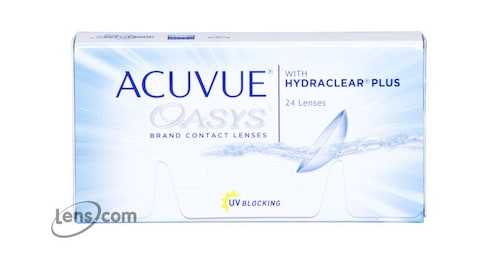
to
to
to
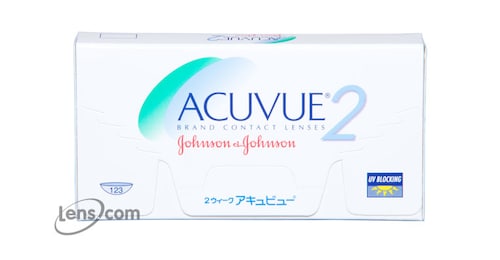
to
to
to
to
to
to
to
to
to
to
What Makes a Weekly Contact Lens Better for Dry Eyes?
A weekly contact lens is more likely to feel comfortable on dry eyes when its material, surface, fit, and replacement schedule work well with your tear film. No single feature can predict comfort on its own. A highly breathable lens can still feel dry, while a lens with a large percentage of water isn't automatically the most hydrating choice.
Always use the replacement period listed in your prescription rather than replacing a bi-weekly lens early or stretching them beyond its approved schedule.
Moisture Retention and Surface Wettability
A comfortable lens needs to remain evenly coated by your tears as you blink. This property is known as wettability. When tears spread smoothly across the surface, the lens is less likely to develop dry patches that can cause fluctuating vision, friction, or a gritty feeling. Manufacturers use different approaches to support wettability. Some contact lenses contain internal wetting agents, while others use surface treatments or materials designed to attract and retain water. These technologies work differently, so two lenses with similar water content can feel very different on your eyes.
Lens Material and Oxygen Transmission
Weekly and bi-weekly soft contacts are commonly made from either hydrogel or silicone hydrogel. Silicone hydrogel allows more oxygen to pass through the lens to the cornea, which helps reduce problems associated with insufficient oxygen during wear. Greater oxygen transmission can support corneal health, but it doesn't directly measure how moist or comfortable a lens will feel. Traditional hydrogel lenses transmit oxygen mainly through their water content. Some wearers find their soft, flexible feel comfortable, while others do better with silicone hydrogel. The right choice depends on how the material interacts with your tears, eyelids, and ocular surface.
Higher Water Content Isn't Always Better
It's easy to assume that a contact with more water will be better for dry eyes. Water content tells you how much water is present within a hydrated lens, but it doesn't tell you how well the surface stays wet during a full day of wear. Higher-water content lenses can feel comfortable initially, yet some lose moisture as the day progresses. Lower-water silicone hydrogel lenses can still maintain a wettable surface through their material chemistry or moisture technology. Water content is worth comparing, but it should be considered alongside wettability, oxygen transmissibility, fit, and your individual tear film.
A Shorter Replacement Schedule Can Limit Deposits
Proteins, oils, cosmetics, and environmental debris can collect on reusable contacts. These deposits can interfere with the tear layer covering the lens and contribute to dryness, irritation, or cloudy vision. Replacing lenses every week or two limits how long the same pair is exposed to this buildup compared with a monthly schedule. Frequent replacement only helps when you follow the prescribed schedule. Wearing the same pair beyond its replacement date gives deposits and surface changes more time to affect comfort. Proper nightly cleaning and storage are still required throughout the lens's approved life.
Fit and Lens Design Affect Comfort
Material specifications can't tell you whether a lens will fit correctly. Base curve, diameter, edge design, thickness, and movement on the eye all influence how the lens interacts with your eyelids and tears. A lens that fits too tightly can limit movement and tear exchange. One that moves too much can create friction, unstable vision, or awareness with every blink. Your prescription power can also change lens thickness, so the same product can perform differently across prescriptions. This is why contacts shouldn't be selected through moisture claims or online specifications alone.
Daily Habits Still Shape the Wearing Experience
Even a well-fitted weekly lenses can become uncomfortable when it's worn too long, cleaned incorrectly, or exposed to conditions that increase tear evaporation. Screen use can reduce blinking, while air conditioning, wind, smoke, and low-humidity environments can make dryness more noticeable. To support comfortable wear:
- Replace each pair according to the schedule in your prescription.
- Rub, rinse, and store reusable lenses with the care solution recommended by your eye doctor.
- Never use tap water, bottled water, saliva, or homemade saline on your contacts.
- Take regular blinking breaks during extended screen use.
- Use only contact-lens-compatible drops approved for your eyes and lenses.
- Remove your contacts rather than pushing through worsening dryness or irritation.
Recurring dryness can stem from more than the lens itself. Tear-film problems, eyelid conditions, allergies, medications, screen habits, and environmental exposure can all contribute.
Quick Overview of Our Weekly Contact Lenses
Acuvue Oasys for Astigmatism
Acuvue Oasys 2-week Multifocal
Acuvue 2
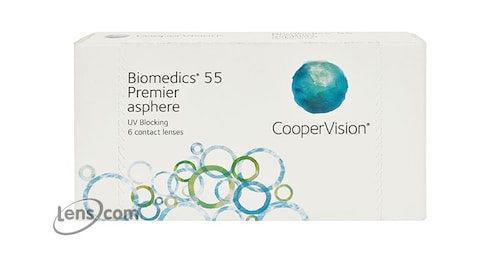
Biomedics 55 Premier Asphere
Avaira Vitality
Avaira Vitality Toric
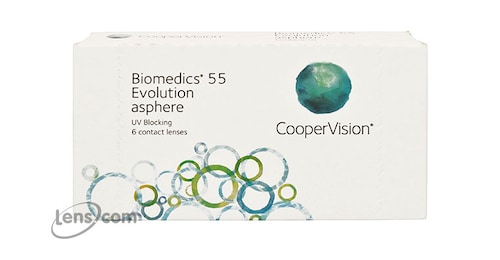
Biomedics 55 Evolution Asphere
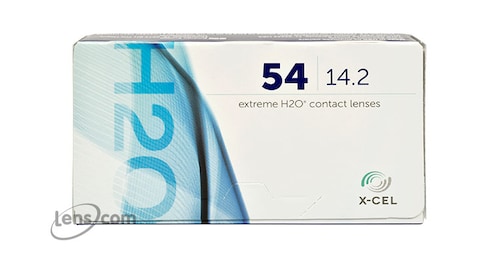
Extreme H2O 54%
Compare Weekly Lenses by Manufacturer, Material, and Price
|
Average Cost per day
|
Contact Lens Manufacturer
|
Contact Lens Type
|
Contact Lens Material Type
|
Contact Lens Water Content Percentage
|
Contact Lens Blocks UV
|
Each Box Contains
|
Average Star Rating
|
|
|---|---|---|---|---|---|---|---|---|
| Acuvue Oasys | $0.14 | Johnson & Johnson | Weekly | Silicone Hydrogel | 38% | 12 lenses, a 6-month supply |
|
|
| Acuvue Oasys for Astigmatism | $0.19 | Johnson & Johnson | Weekly | Silicone Hydrogel | 38% | 6 lenses, a 3-month supply |
|
|
| Acuvue Oasys 2-week Multifocal | $0.38 | Johnson & Johnson | Weekly | Silicone Hydrogel | 38% | 6 lenses, a 3-month supply |
|
|
| Acuvue 2 | $0.12 | Johnson & Johnson | Weekly | Hydrogel | 58% | 6 lenses, a 3-month supply |
|
|
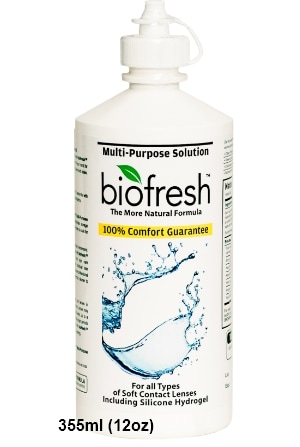
| biofresh Multi-Purpose Solution | biofresh� | Weekly |
|
|||||
| Biomedics 55 Premier Asphere | $0.30 | CooperVision | Weekly | Hydrogel | 55% | 6 lenses, a 3-month supply |
|
|
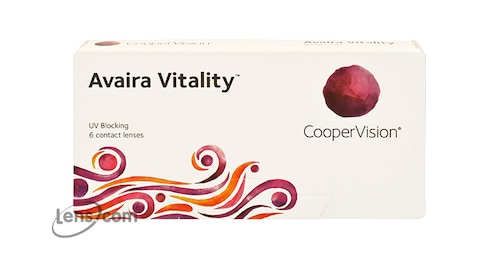
| Avaira Vitality | $0.20 | CooperVision | Weekly | Silicone Hydrogel | 55% | 6 lenses, a 3-month supply |
|
|
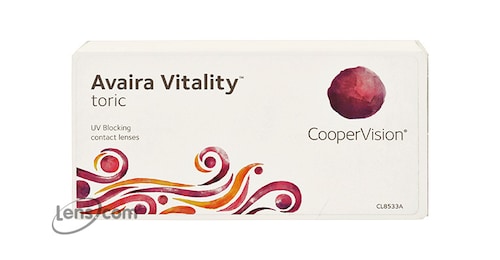
| Avaira Vitality Toric | $0.25 | CooperVision | Weekly | Silicone Hydrogel | 55% | 6 lenses, a 3-month supply |
|
|
| Biomedics 55 Evolution Asphere | $0.15 | CooperVision | Monthly | 45% ocufilcon D | 55% | 6 lenses, a 6-month supply |
|
|
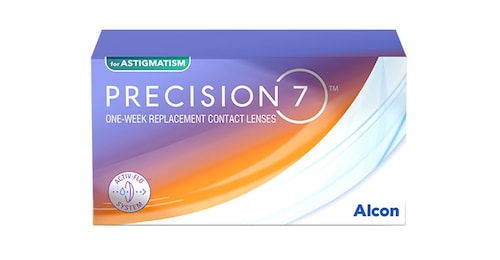
| PRECISION7 for Astigmatism | $0.30 | Alcon | Weekly | 45% serafilcon A | 55% | 12 lenses, a 3-month supply |
|
|
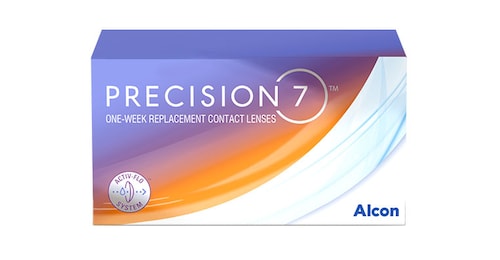
| PRECISION7 | $0.50 | Alcon | Weekly | 45% serafilcon A | 55% | 12 lenses, a 3-month supply |
|
|
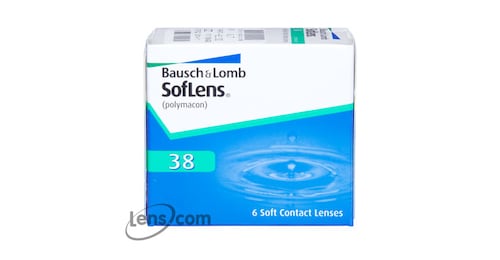
| Optima FW (SofLens 38) | $0.32 | Bausch & Lomb | Weekly | 62% polymacon | 38% | 6 lenses, a 3-month supply |
|
|
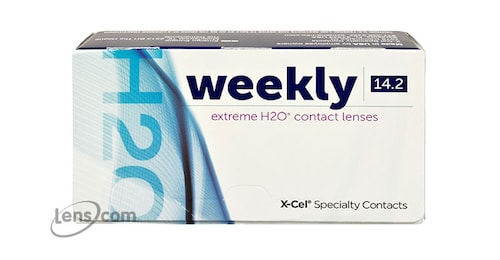
| Extreme H2O 54% | $0.19 | X-Cel Specialty | Weekly | 46% hioxifilcon D | 54% | 6 lenses, a 3-month supply |
|
|
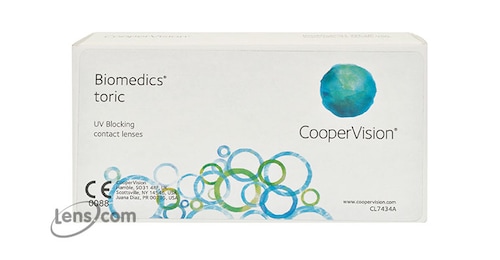
| Biomedics Toric | $0.53 | CooperVision | Weekly | 45% ocufilcon D | 55% | 6 lenses, a 3-month supply |
|
|
| SofLens 38 (Optima FW) | $0.19 | Bausch & Lomb | Weekly | Hydrogel | 38% | 6 lenses, a 3-month supply |
|
Save More on Weekly Lenses With Rebates
|
box rebate
Rebate amount with a 4 box purchase
|
box rebate
Rebate amount with a 8 box purchase
|
Contact Lens Manufacturer
|
Contact Lens Type
|
Contact Lens Material Type
|
Contact Lens Water Content Percentage
|
Contact Lens Blocks UV
|
Each Box Contains
|
Average Star Rating
|
|
|---|---|---|---|---|---|---|---|---|---|
| Acuvue Oasys | $145 | -- | Johnson & Johnson | Weekly | Silicone Hydrogel | 38% | 12 lenses, a 6-month supply |
|
|
| Acuvue Oasys for Astigmatism | -- | $220 | Johnson & Johnson | Weekly | Silicone Hydrogel | 38% | 6 lenses, a 3-month supply |
|
|
| Acuvue Oasys 2-week Multifocal | -- | $160 | Johnson & Johnson | Weekly | Silicone Hydrogel | 38% | 6 lenses, a 3-month supply |
|
|
| Acuvue 2 | -- | $180 | Johnson & Johnson | Weekly | Hydrogel | 58% | 6 lenses, a 3-month supply |
|
|
| Avaira Vitality | -- | $160 | CooperVision | Weekly | Silicone Hydrogel | 55% | 6 lenses, a 3-month supply |
|
|
| Avaira Vitality Toric | -- | $160 | CooperVision | Weekly | Silicone Hydrogel | 55% | 6 lenses, a 3-month supply |
|
|
| Extreme H2O 54% | -- | $160 | X-Cel Specialty | Weekly | 46% hioxifilcon D | 54% | 6 lenses, a 3-month supply |
|
|
| Biomedics Toric | $75 | -- | CooperVision | Weekly | 45% ocufilcon D | 55% | 6 lenses, a 3-month supply |
|
|
| SofLens 38 (Optima FW) | -- | $160 | Bausch & Lomb | Weekly | Hydrogel | 38% | 6 lenses, a 3-month supply |
|
|
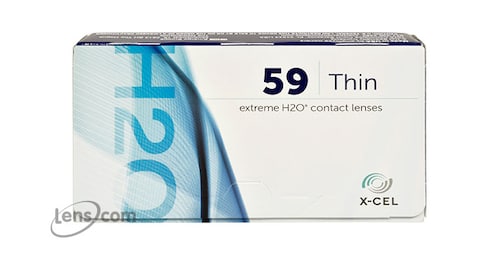
| Extreme H2O 59% Thin | $85 | -- | X-Cel Specialty | Weekly | 41% hioxifilcon A | 59% | 6 lenses, a 6-month supply |
|
|
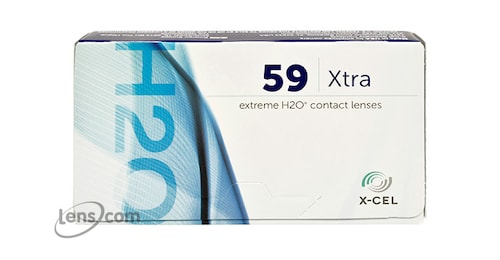
| Extreme H2O 59% Xtra | $85 | -- | X-Cel Specialty | Weekly | Hydrogel | 59% | 6 lenses, a 6-month supply |
|
|
| Extreme H2O Weekly | -- | $160 | X-Cel Specialty | Weekly | Hydrogel | 59% | 12 lenses, a 3-month supply |
|
|
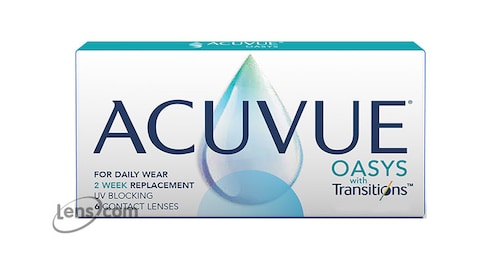
| Acuvue Oasys with Transitions | -- | $160 | Johnson & Johnson | Weekly | Silicone Hydrogel | 38% | 6 lenses, a 3-month supply |
|
10 Best Weekly Contacts for Dry Eyes
We've rounded up 10 options that we consider the best for dry eyes. These lenses stand out for features such as moisture retention, surface wettability, breathable materials, or designs that support a more precise fit. Still, dry eyes have different causes, so one lens may feels comfortable for one while the same can feel dry or irritating for another.
1. ACUVUE OASYS
ACUVUE OASYS is a two-week silicone hydrogel lens made with HYDRACLEAR PLUS Technology. Its embedded wetting agent helps maintain a smooth, wettable surface, making it a strong candidate for people who experience dryness during screen use or in air-conditioned and low-humidity environments.
2. ACUVUE OASYS for Astigmatism
This toric version combines HYDRACLEAR PLUS Technology with a design that uses eyelid movement to keep the lens properly oriented. It can be worth discussing with your eye doctor when you have astigmatism and need both stable vision and moisture-supporting features.
3. ACUVUE OASYS 2-Week Multifocal
ACUVUE OASYS 2-Week Multifocal provides vision correction at near, intermediate, and far distances while using the same moisture-supporting technology found in the OASYS family. It gives people with presbyopia a reusable alternative to multifocal lenses replaced monthly.
4. Extreme H2O Weekly
Extreme H2O Weekly is made from a high-water hydrogel material designed to retain moisture as the day progresses. It's also available in multiple diameters, giving an eye doctor more flexibility when selecting a fit that interacts comfortably with your eyelids and tear film.
5. Extreme H2O 54%
Extreme H2O 54% uses hioxifilcon D, a hydrogel material developed to resist dehydration during wear. Its combination of moisture retention and a two-week replacement schedule makes it an option for wearers whose lenses tend to feel less comfortable later in the day.
6. Extreme H2O 59% Thin
This lens combines 59% water content with a thinner design intended to reduce lens awareness. A thinner profile can feel more natural for some wearers, although your prescription and lens fit will determine whether it performs comfortably on your eyes.
7. Extreme H2O 59% Xtra
Extreme H2O 59% Xtra has a slightly thicker profile than the Thin version, which can make the lens easier to handle while retaining the moisture-focused characteristics of the Extreme H2O material. It can suit wearers who find very thin contacts difficult to insert or remove.
8. Avaira Vitality
Avaira Vitality is a two-week silicone hydrogel lens with 55% water content and high oxygen transmissibility. Its naturally wettable material balances breathability and hydration without relying on an added surface coating.
9. Avaira Vitality Toric
Avaira Vitality Toric brings the same breathable, naturally wettable material to wearers with astigmatism. Its toric geometry is designed to limit rotation, which supports stable vision while avoiding excessive lens movement that could contribute to discomfort.
10. ACUVUE 2
ACUVUE 2 is a two-week hydrogel lens made from etafilcon A with 58% water content. Its thin lens profile and two available base curves give eye doctors some flexibility when fitting it, making it a potential option for dry-eye-prone wearers who prefer a traditional hydrogel lens over silicone hydrogel. As with any lens, its suitability depends on how the material and fit interact with your tear film.
Are Weekly Contacts Better Than Monthly Contacts for Dry Eyes?
Weekly contacts aren't automatically better than monthly contacts for dry eyes, but their shorter replacement cycle can benefit wearers whose comfort declines as deposits accumulate. Proteins, oils, cosmetics, and environmental debris have less time to build up when a fresh pair is opened every one or two weeks.
Monthly lenses can still work well for dry-eye-prone wearers when the material suits their tear film and they follow the prescribed cleaning and replacement routine. Some monthly contacts also use moisture-supporting materials or surface technologies designed to maintain wettability throughout their replacement period. In contrast, a poorly fitted weekly lens can feel dry even when it's replaced frequently.
To some, weekly contacts can be the better choice when deposit buildup contributes to your symptoms, while monthly contacts can suit wearers who remain comfortable throughout the full replacement cycle and prefer fewer lens changes. If neither schedule provides reliable comfort, daily disposable contacts could be worth discussing.
Weekly vs. Daily Contacts for Dry Eyes
Daily disposable contacts are frequently the better starting point for people with dry eyes because you wear a fresh, clean pair each day. With no overnight storage or repeated handling, there's less opportunity for deposits to accumulate and disrupt the wettable lens surface. Dailies also remove the need for contact lens solution, which can benefit wearers who are sensitive to certain preservatives.
Weekly contacts can still work well when their material and moisture technology suit your tear film. They cost less per lens than many daily disposables and create less packaging waste, but each pair must be cleaned, disinfected, and stored correctly every night. Comfort can decline before replacement day when deposits develop or the care routine isn't followed closely.
Neither schedule guarantees relief from dryness. Daily contacts can simplify lens care and reduce deposit-related irritation, while weekly lenses can provide comfortable reusable wear for people who tolerate them well.
Silicone Hydrogel vs. Hydrogel Lenses for Dry Eyes
Silicone hydrogel lenses allow considerably more oxygen to reach the cornea than traditional hydrogel lenses. This added breathability supports corneal health and can reduce redness associated with low oxygen levels, especially during longer periods of wear. Still, greater oxygen transmission doesn't automatically make silicone hydrogel more comfortable for everyone with dry eyes.
Hydrogel lenses transmit oxygen mainly through their water content and can feel soft and flexible on the eye. Some wearers prefer this material, while others find that certain high-water hydrogel lenses become less comfortable as moisture evaporates throughout the day. Silicone hydrogel lenses rely more on silicone for oxygen transmission, so they can provide high breathability without requiring as much water.
The better material depends on how the specific lens interacts with your tear film, eyelids, and ocular surface. Surface wettability, lens design, fit, replacement schedule, and moisture technology can influence dryness as much as the material itself.
Signs Your Contacts Are Making Dryness Worse
Contacts can make dryness worse when discomfort becomes more noticeable during wear and improves after you remove the lenses. Common signs include burning, stinging, grittiness, redness, excessive watering, increased lens awareness, and blurry vision that temporarily clears after blinking. You might also find yourself removing your contacts earlier than usual or struggling to wear them comfortably for the full day.
These symptoms can develop when the lens surface dries out, deposits collect on reusable contacts, or the fit interferes with normal tear distribution. Environmental conditions, reduced blinking during screen use, allergies, medications, and an existing tear-film problem can also contribute, so the lens isn't always the only cause.
Remove your contacts when dryness becomes painful, redness increases, or your vision stays blurry. Don't put the lenses back in until your eyes feel normal. Seek immediate care from an eye doctor for severe pain, light sensitivity, discharge, sudden vision changes, or symptoms that continue after lens removal, as these can point to an eye injury or infection rather than routine dryness.
What to Check Before Choosing Weekly Contacts for Dry Eyes
Before choosing weekly contacts for dry eyes, check more than the moisture claims on the packaging. A lens must match your prescription, fit your eye correctly, and work well with your tear film. Your eye doctor can evaluate these details during a fitting and confirm whether a seven-day or two-week lens is suitable for you. Consider the following before making your choice:
- Replacement schedule: Confirm whether the lenses must be replaced every seven or 14 days, and follow the schedule stated in your prescription.
- Lens material: Compare hydrogel and silicone hydrogel options based on breathability, wettability, and how each material feels on your eyes.
- Moisture technology: Look at wetting agents, surface treatments, and moisture-retaining materials rather than relying on water content alone.
- Fit and prescription: Base curve, diameter, lens design, and power can affect movement, tear distribution, comfort, and visual stability.
- Care requirements: Make sure you can clean, disinfect, and store the lenses correctly every night using the recommended solution.
- Your usual environment: Extended screen use, air conditioning, wind, smoke, and low humidity can make contact lens dryness more noticeable.
A trial fitting gives you a better indication of comfort than product specifications alone. Pay attention to how the lenses feel at the beginning and end of the day, whether your vision fluctuates, and whether redness or irritation develops. Let your eye doctor know about any persistent symptoms so they can adjust the fit, recommend another material or replacement schedule, or address an underlying dry-eye condition.
References
About Contact Lens Types. Centers for Disease Control and Prevention. https://www.cdc.gov/contact-lenses/about/about-contact-lens-types.html. Accessed August 10, 2026.
Preventing Eye Infections When Wearing Contacts. Centers for Disease Control and Prevention. https://www.cdc.gov/contact-lenses/prevention/index.html. Updated May 27, 2025. Accessed August 10, 2026.
Contact Lenses. U.S. Food and Drug Administration. https://www.fda.gov/medical-devices/consumer-products/contact-lenses. Accessed August 10, 2026.
What Is Dry Eye? Symptoms, Causes and Treatment. American Academy of Ophthalmology. https://www.aao.org/eye-health/diseases/what-is-dry-eye. Updated December 8, 2025. Accessed August 10, 2026.
How to Take Care of Contact Lenses. American Academy of Ophthalmology. https://www.aao.org/eye-health/glasses-contacts/contact-lens-care. Updated April 22, 2022. Accessed August 10, 2026.
Nichols JJ, Willcox MDP, Bron AJ, et al. The TFOS International Workshop on Contact Lens Discomfort: Executive Summary. Investigative Ophthalmology & Visual Science. https://pmc.ncbi.nlm.nih.gov/articles/PMC4686219/. Published October 2013. Accessed August 10, 2026.
Haworth KM, Travis R, Guillon M, et al. Silicone Hydrogel Versus Hydrogel Soft Contact Lenses for Differences in Patient-Reported Eye Comfort and Safety. Cochrane Database of Systematic Reviews. https://pubmed.ncbi.nlm.nih.gov/37724689/. Published September 18, 2023. Accessed August 10, 2026.
Popular Contact Lens Reviews
Good contacts
Love ordering from Len’s com. They have great prices and great contacts.
Have used these for years at Lens.com.
Your service and product has always been excellent. I would never order anywhere else. Thank you for prompt shipping and prompt issuance of the rebate card. You are the best!
Been using these for 10 years
Super basic but they work. Clear vision and they don't break the bank. Glad lens.com still stocks them.
Decent biweeklies
vision is clear but they get a bit sticky if you keep them in past 10 hours. thanks for the super fast delivery
Stops the blurry blinking fits
Used to have to blink like crazy to get my focus back cause my old lenses would slide around on my eye. These stay put when I look around.
Great value and good quality
I appreciate the quick and accurate orders as always.