
Average Cost Contact Lenses
The average cost contact lenses can vary widely depending on the lens type, replacement schedule, prescription, brand, and number of lenses in each box. Daily disposable lenses usually have a different yearly cost than biweekly or monthly contacts, while toric, multifocal, and other specialty contact lenses often cost more than standard spherical contacts.
Looking at the price per box alone can be misleading. A better comparison includes how many lenses you use each month, how often they need to be replaced, and whether rebates, vision benefits, shipping fees, or lens care supplies affect the final total. Estimating your monthly and annual spending gives you a clearer picture of what your contacts really cost.
to
to
to
to
to
to
to
to
to
to
to
to
to
to
to
to
to
to
to
to
to
to
to
to
to
to
to
to
to
to
to
to
to
to
to
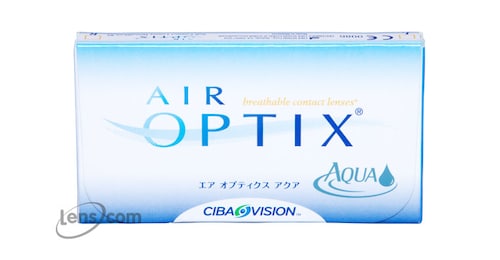
to
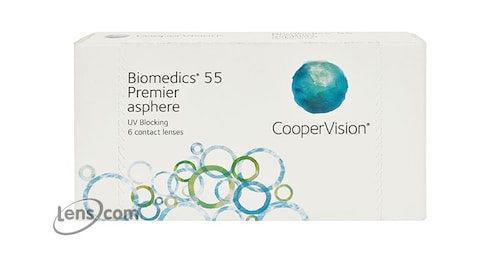
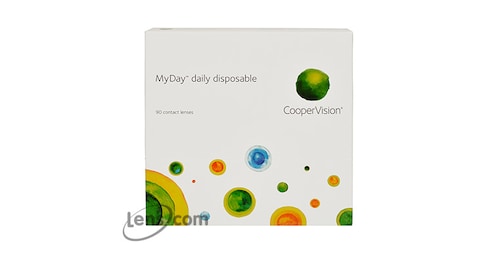
to
Factors Affecting the Cost of Contact Lenses
Several factors can determine what you pay for contact lenses. The most useful comparison looks at the lens design, replacement schedule, prescription needs, and how many lenses you use.
- Replacement Schedule
Daily, biweekly, and monthly contact lenses are priced differently because each lens is worn for a different amount of time. Your annual cost can vary a lot depending on how often you replace them. - Prescription Type
Standard spherical lenses cost less than toric, multifocal, multifocal toric, or other specialty contacts because the latter types require more complex correction. - Brand and Manufacturer
Prices vary between brands based on lens technology, material, design, and product positioning. Two lenses with the same replacement schedule may still have noticeably different prices. - Lens Material
Silicone hydrogel and other specialized materials can affect cost. Some lenses also include moisture-focused or surface technologies that add to the price. - Number of Lenses Per Box
A lower box price doesn't always mean a lower cost per lens. Compare package quantities before deciding which option is cheaper. - Prescription Range
Higher powers, extended ranges, or uncommon cylinder and axis combinations can sometimes limit product choices and increase cost. - Specialty Lens Design
Toric, multifocal, multifocal toric, rigid gas permeable contact lenses, and custom contacts often cost more than basic spherical contacts because they are designed for more specific vision needs. - How Often You Wear Contacts
Full-time wearers usually spend more over the year than people who switch between contacts and glasses. Wearing frequency can change which replacement schedule is the better value. - Manufacturer Rebates
Rebates can lower the effective cost of eligible purchases, especially when buying multiple boxes or an annual supply. - Retailer Pricing
The same contact lens can be sold at different prices depending on the retailer, current promotions, and available discounts. - Shipping and Handling Fees
Delivery charges can raise the final total, especially on smaller orders. Always compare the checkout price, not just the listed box price. - Lens Care Supplies
Reusable contacts require cleaning solution and storage cases. These recurring expenses should be included when comparing them with daily disposables.
How Much Do Contact Lenses Cost Per Month and Per Year?
Contact lens costs can vary considerably, but a general estimate is about $15 to $85 per month, or roughly $185 to $1,000 per year for both eyes. The wide range reflects differences in replacement schedule, brand, prescription, and lens design.
Standard monthly contacts often fall toward the lower end, while daily disposables, toric contact lenses for astigmatism, and multifocal contacts can cost more.
Your actual monthly and yearly cost also depends on how often you wear contacts. Someone who uses daily disposables only a few days per week may spend less than a full-time wearer. Those wearing reusable lenses may enjoy lower lens costs but have to factor in cleaning solutions and storage cases in their budget. For example, daily disposables can cost around $50 or more per month for regular wear, whereas monthly lenses generally have a lower annual lens cost before care supplies are added.
Average Cost of Contact Lenses by Replacement Schedule
The replacement schedule significantly impacts how much contact lenses cost over time.
Daily Disposable Contacts
Daily disposable lenses are replaced after every use, so full-time wear requires about 730 individual lenses annually for both eyes. Based on products currently compared on Lens.com, daily lenses can run about $0.25 to $0.63 per eye per day, or roughly $15 to $38 per month for both eyes before shipping, fees, or rebates are considered. Toric and multifocal dailies can fall toward the higher end of the range.
Biweekly Contacts
Biweekly contacts are generally replaced every two weeks, so you need far fewer lenses over the course of a year. Current Lens.com examples range from about $0.12 to $0.38 per eye per day, which works out to roughly $7 to $23 per month for both eyes. Reusable lenses also require contact lens solution and a storage case, which should be included in the total cost.
Monthly Contacts
Monthly contacts are worn for up to a month before being replaced according to the prescribed schedule. Lens.com comparison listings currently show examples at around $0.07 to $0.28 per eye per day, or approximately $4 to $17 per month for both eyes. Standard spherical monthly lenses tend to cost less than toric or multifocal versions.
These ranges are useful for comparison, but they are not fixed prices. The actual cost you'll be paying depends on the prescribed brand, lens type, box size, current pricing, rebates, and how consistently you wear contacts.
Why Do Daily Contacts Usually Cost More Than Reusable Contacts?
Daily contacts usually cost more than reusable contacts because you replace them after every wear. Someone who wears contacts every day needs hundreds of individual lenses each year. That higher replacement frequency increases the total number of lenses you purchase over time.
Reusable contacts spread the cost of each pair across several days or weeks, which can lower the annual lens expense. The tradeoff is that they require cleaning solution, storage cases, and regular care, so the true cost is not limited to the box price.
One day contact lenses may cost more upfront in many cases, but some wearers prefer the convenience of starting with a fresh pair each day and skipping the cleaning routine.
How Prescription Type Can Change Contact Lens Prices
Prescription type can have a noticeable effect on contact lens prices. More specialized lenses generally cost more because they need additional optical design, prescription parameters, or stabilization features. Note that the figures here are general benchmarks rather than fixed averages.
- Standard Spherical Contacts
Spherical lenses correct common nearsightedness or farsightedness and are usually the least expensive prescription type. Depending on whether you choose monthly or daily lenses, current examples can range from roughly $0.06 to $0.49 per eye per day, or about $45 to $360 per year for both eyes. - Toric Contacts for Astigmatism
Toric lenses include cylinder and axis correction and are designed to stay properly oriented on the eye. Current options range from around $0.10 per eye per day for some monthly toric lenses to about $1.10 per eye per day for premium daily torics. That works out to roughly $75 to $800 per year for both eyes. - Multifocal Lenses
Multifocal contacts provide different powers for near, intermediate, and distance vision. Current Lens.com examples range from approximately $0.13 to $1.22 per eye per day, putting full-time wear at roughly $95 to $890 per year for both eyes. - Multifocal Toric Contacts
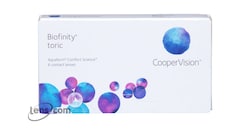
These lenses combine astigmatism correction with multifocal optics, making them one of the more specialized soft lens types. For example, Biofinity Toric Multifocal currently averages about $0.64 per eye per day, which comes to roughly $465 per year for both eyes before other expenses. - Extended-Range Prescriptions
Higher sphere powers, stronger cylinder values, or less common prescription combinations can limit the number of available lenses. Prices vary widely, but these products often cost more than standard versions because fewer brands manufacture extended parameters. - Rigid Gas Permeable (RGP) Contacts
RGP lenses generally have a higher upfront cost than disposable soft contacts because they are individually fitted and designed for longer-term use. Since one pair can last much longer when properly cared for, the annual cost cannot be compared directly with daily or monthly disposable lenses. - Specialty and Custom Contacts
Scleral, hybrid, custom soft, and other specialty lenses usually sit at the higher end of contact lens pricing. Custom manufacturing, detailed measurements, specialized fittings, and follow-up appointments can raise the overall cost well beyond that of standard soft lenses.
The contact lens brand, replacement schedule, box quantity, rebates, and current promotions can all change what you ultimately pay.
Does Buying a Larger Supply of Contacts Cost Less?
Buying a larger supply of contact lenses can lower the effective cost, especially when retailers or manufacturers tie discounts and rebates to multi-box purchases. A six-month or annual supply may qualify for better pricing than buying one box at a time, and fewer orders also reduce repeated shipping costs. The savings are not automatic, though. Compare the price per lens or per day rather than assuming the biggest package is the cheapest.
It makes sense to think about timing before stocking up. If your prescription is close to expiring or you have an eye exam coming soon, buying too far ahead could leave you with unused boxes if your prescription changes. Larger orders are usually most practical when your prescription is stable, you wear the same lenses consistently, and the total cost after rebates and shipping is clearly lower.
Extra Contact Lens Costs to Include in Your Budget
The price of the lenses themselves is only part of what you may spend on contact lens wear. Exams, fittings, care supplies, and delivery charges can add to the total, especially over the course of a year.
- Eye Exam Fees
You may need a routine eye exam before receiving or renewing a contact lens prescription. The cost can vary depending on the provider and whether insurance covers part of the visit. - Contact Lens Fitting Fees
A contact lens fitting is often separate from a standard eye exam. This visit helps confirm the correct lens type, fit, and prescription for your eyes. - Cleaning and Disinfecting Solution
Biweekly and monthly contacts need regular cleaning and storage. Solution is a recurring expense that should be included when comparing reusable lenses with daily disposables. - Contact Lens Cases
Reusable lenses need a clean storage case. The case should be replaced regularly. The cost is small, but it adds up over time. - Rewetting Drops
Some wearers use contact-lens-safe rewetting drops during the day. These are optional for many people but can become a regular expense if you use them often. - Shipping Charges
Delivery fees can increase the final order total, particularly when buying only one or two boxes at a time. Infrequent but large orders reduce how often you pay for shipping. - Expedited Delivery
Running out of lenses can lead to rush shipping fees. Ordering before your current supply gets too low can help you avoid this extra cost. - Taxes and Service Fees
Depending on the retailer and location, taxes or processing fees may be added at checkout. Compare the final total rather than relying only on the listed box price. - Replacement for Lost or Damaged Lenses
Torn, dropped, or contaminated lenses need to be discarded before their scheduled replacement date. Keeping a small backup supply can help, but it also affects your annual spending. - Follow-Up Appointments
Some wearers need additional visits after a new fitting, especially when changing brands or using specialty lenses. Ask whether follow-up care is included in the original fitting fee or billed separately.
How Insurance, Rebates, FSA, and HSA Funds Affect Contact Lens Costs
Vision insurance, manufacturer rebates, Flexible Spending Account (FSA) funds, and Health Savings Account (HSA) funds can all reduce what you pay out of pocket for eye contacts, but they work in different ways. Vision insurance may provide a contact lens allowance or partial coverage. Manufacturer rebates usually return part of the purchase price after you buy an eligible quantity. Since coverage and rebate rules vary, compare the final cost after benefits rather than looking only at the advertised box price.
FSA and HSA funds can also be used for eligible medical expenses, including contact lenses needed for medical reasons. The IRS also recognizes related supplies such as saline solution and other materials required for contact lens use as medical expenses. FSAFEDS likewise lists all types of contact lenses and solutions as eligible vision expenses. Keep your receipts and check your specific plan rules, especially if part of the purchase has already been reimbursed by insurance or another benefit.
Comparing Contact Lens Prices More Accurately
Contact lens prices can be misleading when box sizes, replacement schedules, and rebates differ. To compare products more accurately, break the cost down into the amount you actually pay per lens, per day, and over a full year.
Compare the price per lens.
Divide the box price by the number of lenses inside. This makes it easier to compare products with different package sizes.
Calculate the cost per day.
A monthly lens may have a higher box price but a lower daily cost because each lens is worn for several weeks. Daily disposables work the opposite way.
Check the number of lenses per box.
Some boxes contain 30 lenses, while others may include 6, 12, or 90. Always compare quantity before deciding which box is cheaper.
Estimate the annual cost.
Work out how many boxes you need for both eyes over 12 months. Annual cost gives you a clearer picture than a single-box price.
Include manufacturer rebates.
Rebates can lower the effective cost, especially on larger purchases. Make sure you meet the brand, quantity, and submission requirements before counting the savings.
Factor in shipping fees.
A lower product price can lose its advantage if delivery costs are high. Compare the final checkout total instead.
Add care supply costs.
Reusable contacts need cleaning solution and storage cases. Include those expenses when comparing them with daily disposable lenses.
Look at the replacement schedule.
Daily, biweekly, and monthly contacts use very different numbers of lenses over the year. Compare total usage, not just box price.
Check whether each eye needs a separate box.
Different prescriptions between your right and left eyes usually mean buying separate boxes. This can change the total cost significantly.
Review minimum purchase requirements.
Some promotions or rebates require multiple boxes or an annual supply. Make sure the larger purchase still fits your actual needs.
Compare final out-of-pocket cost.
Insurance benefits, Flexible Spending Account (FSA) funds, Health Savings Account (HSA) funds, rebates, and discounts can impact what you ultimately spend. Focus on the amount you actually pay after all applicable savings are considered.
Are Cheaper Contact Lenses Always the Better Value?
Cheaper contact lenses are not always the better value. A lower box price can be appealing, but it does not tell you how well the lenses match your prescription, replacement schedule, comfort needs, or wearing habits.
Box quantity also matters. A product that looks less expensive upfront may cost more over the year if you need to buy it more often.
The better comparison is the total cost relative to how well the lenses work for you. Consider price per lens, annual supply cost, care supplies for reusable contacts, rebates, and any insurance benefits. Most importantly, stick with the contact lens brand and specifications prescribed by your eye doctor unless they approve a change.
Saving money is useful, but only when the lenses still fit properly and provide the vision correction you need.
References
Buying Contact Lenses. U.S. Food and Drug Administration. https://www.fda.gov/medical-devices/contact-lenses/buying-contact-lenses. October-28-2020. Date Accessed: September 1, 2026.
About Contact Lenses. Centers for Disease Control and Prevention. https://www.cdc.gov/contact-lenses/about/index.html. May-27-2025. Date Accessed: September 1, 2026.
About Contact Lens Types. Centers for Disease Control and Prevention. https://www.cdc.gov/contact-lenses/about/about-contact-lens-types.html. May-27-2025. Date Accessed: September 1, 2026.
About Cleaning, Disinfecting, and Storing Contact Lenses. Centers for Disease Control and Prevention. https://www.cdc.gov/contact-lenses/about/about-cleaning-disinfecting-and-storing-contact-lenses.html. May-27-2025. Date Accessed: September 1, 2026.
Publication 502 (2025), Medical and Dental Expenses. Internal Revenue Service. https://www.irs.gov/publications/p502. 2025. Date Accessed: September 1, 2026.
Popular Contact Lens Reviews
Excellent service!
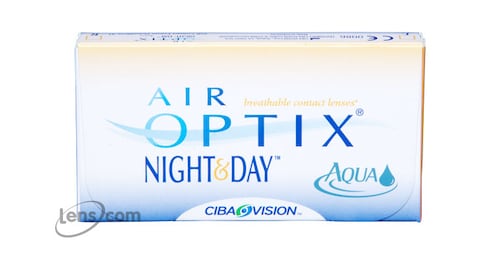
This product has nothing to dislike about. It is a good quality of contact lenses and will not stop using this brand. My vision is satisfactory using Air Optix brand. Please do not stop carrying them. The sales representative was also very knowledgeable, professional, articulate and kind. My order came in before Thanksgiving and I appreciate it. She expedited sending my order so I will be happy, satisfied with my new lenses. Thank you kindly, for the excellent service !
Affordable price and quality
Love the ease and price of buying Focus dailies through Lens.com. Quick delivery and cheaper than through my eye doctor. Same product and quality. Why waste time and money anywhere else.
Awesome service
I have used Lens.com for several years now and their service is excellent. They even took back contacts I had ordered by mistake. They make it easy to order and receive your product quickly.
Would highly recommend them!
Easy wearing
Been wearing this brand of contacts for 3 years- feel easy on the eyes, light, flexible & easy to dispose of. Say adios to buying contact solution & contact cases!
The customer service is prompt and OUTSTANDING
Lens.com is such a breeze to order contacts from, and their customer service is the best. Several boxes of contacts I ordered were lost in the mail and they so were so kind about resending me my order fast and without any extra fees. The quality of these contacts (Biofinity) is unmatched as well. I would highly recommend both Lens.com and Biofinity to anyone.
Great prices
I have ordered several times from Lens.com.
I have had no issues with orders or scripts. I love the rebate when you order 4 boxes or more. I will purchase from them again.
First time buyer
Great service, great price and very easy to order and pay. Will be back for my next order.
I have been using B+L SofLens Toric Astigmatism.
After I had been happily using them for decades, I could not reorder my contact lenses since Bausch+Lomb officially discontinued many SofLens® Toric lenses in July  2023.
As my Rx had not changed, my optometrist recommended another manufacturer, which I tried using for months, and was very disappointed.
Then on the Lens.com website, I ordered B+L ULTRA for Astigmatism Contact Lenses, and they seem just the same to me as the discontinued B+L SofLens® Toric contact lens. Now I couldn't be happier!
Great contact lens
These lens fit well and stay comfortable no matter my activity. Very good value for keeping my eyes seeing as well as possible.