
Save on Contacts
Saving on contacts starts with buying the right lenses, not simply finding the lowest price. Your contact lens prescription should guide the product name, power, base curve, diameter, and replacement schedule. If you switch brands, stretch your contacts' wear time, or buy a similar-looking lens without your eye doctor's approval, the short-term savings can turn into discomfort, wasted boxes, or massive expenses to correct problems on eye health.
A smarter approach is to compare prices, watch for rebates, use vision benefits when available, and reorder before you run out. You can also look at box counts, shipping costs, return policies, and multi-box discounts before checkout. Check out our collection and see where you can lower your total cost.
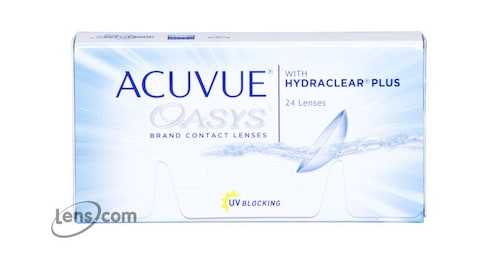
to
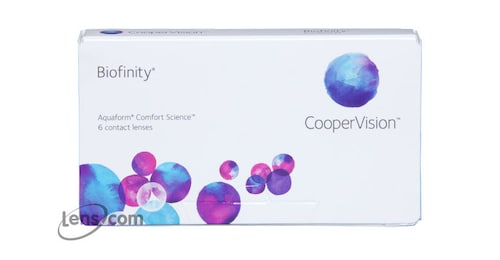
to
to
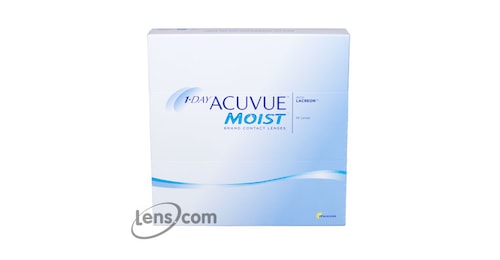
to
to
to
to
to
to
to
to
to
to
to
to
to
to
to
to
to
to
to
to
to
to
to
to
to
to
to
to
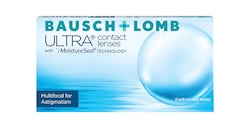
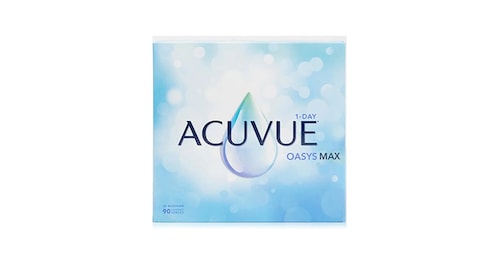
to
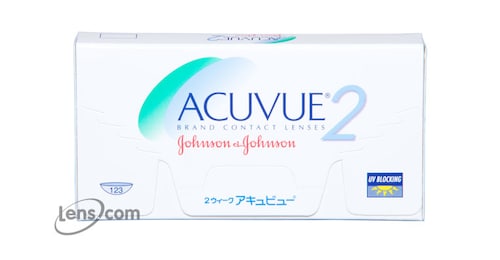
to
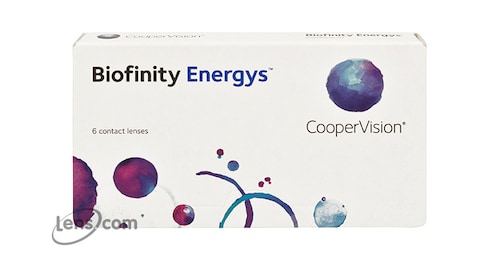
to
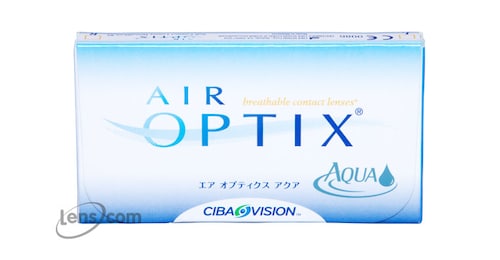
to
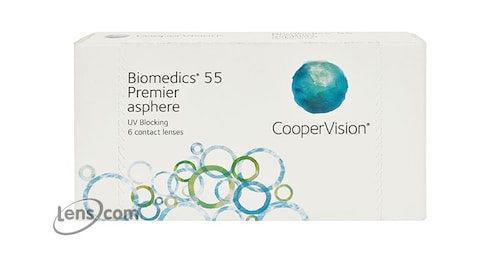
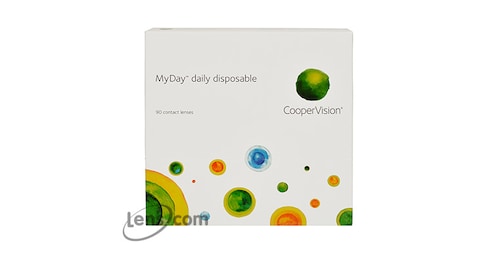
to
Smart Ways To Lower Your Contact Lens Costs
You can save on contacts without cutting corners on eye health. Check out some of the ways where you can save money in keeping your vision clear and crisp.
Compare the same lens across multiple retailers.
Search for the exact product name on your prescription. Compare the price per box, number of lenses per box, shipping fees, taxes, and final checkout total.
Look for rebates before you buy
Some contact lenses come with manufacturer rebates or retailer rebate deals. Check the terms carefully, including purchase dates, box quantity, submission deadline, and required documents.
Buy the right box count.
Larger packs can lower the cost per lens, especially for daily contacts. Before buying in bulk, check your prescription expiration date so you don't order more than you can use.
Use vision insurance or HSA/FSA funds.
If you have vision benefits, check your allowance for contact lenses. You can also use eligible HSA or FSA funds for prescription contacts in many cases.
Reorder before you run out of stocks.
Last-minute orders can lead to rushed shipping costs or fewer price options. Reordering early gives you more time to compare prices and avoid paying extra for speed.
Watch for multi-box discounts.
Some retailers lower the price when you buy several boxes at once. This can help if your prescription is stable and you wear the same lenses regularly.
Avoid switching lenses without approval.
A cheaper lens is not a good deal if it does not fit your eyes and your vision requirements. Ask your eye doctor before changing brands, materials, or replacement schedules.
Follow the replacement schedule.
Stretching daily, biweekly, or monthly lenses past the prescribed schedule can cause discomfort and eye health risks. Saving money should not mean overwearing lenses.
Check the return and exchange policies.
Review the retailer's policy before checkout, especially if you are buying a larger supply. This can help if your prescription changes or you ordered the wrong box by mistake.
Keep your prescription updated.
An expired prescription can delay orders and limit your buying options. Schedule your contact lens exam before you're down to your last pair.
Why Contact Lens Prices Can Vary so Much
Contact lens prices can vary greatly because not all lenses are made for the same type of vision correction. Standard spherical lenses, for instance, cost less than toric lenses for astigmatism, multifocal lenses for presbyopia, or specialty lenses for more complex eye needs. Materials, moisture features, oxygen flow, UV blocking, and newer lens designs can also influence the price.
The replacement schedule can also determine the final cost. Daily contacts may cost more upfront since you use a fresh pair every day. Biweekly or monthly lenses can be cheaper but require an investment on solution, cases, and more care. Box size also changes the math, so a cheaper box is not always the better deal if it contains fewer lenses.
Retailer pricing, rebates, insurance benefits, shipping, taxes, and multi-box discounts can all change the final total. That's why it helps to compare the full checkout cost, not just the price shown on the product page. The safest way to save is to shop for the exact lenses on your prescription, then look for the best total value.
Ways to Compare Contact Lens Prices Before Buying
To compare contact lens prices properly, look at the full cost of the exact lenses on your prescription.
- Check the exact product name. Start with the contact lens brand and version listed on your prescription. A similar lens is not the same lens, even if the name, material, or replacement schedule looks close.
- Check how many lenses are in each box. One box may contain 30, 90, or 180 daily lenses, while reusable lenses may come in smaller packs. Compare the cost per lens or cost per month, not just the box price.
- Look at the final checkout total. Shipping, taxes, handling fees, and other charges can change the real price. Add the lenses to your cart before deciding which retailer costs less.
- Factor in rebates. Rebates can lower your final cost, but only if you qualify and submit everything on time. Check the purchase requirements, deadline, and whether the rebate applies to your box quantity.
- Compare multi-box pricing. Some retailers lower the price when you buy several boxes at once. This can decrease your expenses if your prescription is current, stable, and you wear the same lenses regularly.
- Review the shipping speed and cost. A cheaper box can become more expensive if you require fast shipping. Ordering early gives you more room to choose standard delivery instead of paying extra.
- Check return and exchange policies. A clear return policy matters when you buy larger supplies. This is especially helpful if your prescription changes, you order the wrong lens, or your eye doctor switches your brand.
- Avoid comparing different lens types as if they are equal. Daily, biweekly, monthly, toric, multifocal, and specialty lenses have different costs. Compare options within the lens type your eye doctor prescribed.
- Do not trade the fit for price. A cheaper lens is not worth it if it causes blurry vision, dryness, irritation, or poor fit. The best savings come from finding a better price on the right lens.
Do Rebates and Discounts Really Help You Save on Contacts?
Yes, rebates and discounts can help lower the cost of contact lenses, especially when you buy several boxes at once. The savings are often tied to specific products, purchase dates, box quantities, and submission rules. A rebate can look generous at first, but the real value depends on whether you qualify and whether you can submit the required documents on time.
Discounts are more straightforward because they lessen the price at checkout. Rebates may come later as a prepaid card, check, or digital reward. Before buying, compare the regular price, discount amount, rebate terms, shipping cost, taxes, and final total.
What to Check Before Buying Contact Lenses in Bulk
Before adding several boxes to your cart, check the details that could affect both savings and comfort.
Your Prescription's Expiration Date
Make sure your contact lens prescription stays valid long enough for the supply you plan to buy. If your prescription expires soon, it may be smarter to schedule an eye exam first.
The Exact Lens Name
Check the brand, product line, and lens type on your prescription. A similar-looking lens is not always a safe substitute.
Your Power, Base Curve, And Diameter
Review the prescription details for each eye before ordering. It's easy to mistakenly buy lenses that you cannot use because you weren't able to check the exact prescription details.
How Often You Wear Contacts
Bulk buying works best when you wear contacts regularly. If you only wear contacts occasionally, a large order may sit unused before your prescription changes or expires.
The Replacement Schedule
Daily, biweekly, and monthly contacts are priced differently since they are replaced regularly. Calculate how many lenses or boxes you need for the next few months.
Your Prescription Stability
If your vision or lens fit tends to change frequently, avoid buying too far ahead. Buying a big supply of contacts is a waste of money if your eye doctor changes your brand, power, or lens type later.
The Final Checkout Cost
Look beyond the box price. Shipping, taxes, handling fees, discounts, and rebates can change the real cost of a bulk order.
Rebate Requirements
Some rebates require a certain number of boxes. Check the purchase window, submission deadline, proof-of-purchase rules, and whether your order qualifies.
Storage Conditions
Keep unopened lenses in a clean, dry place away from heat and direct sunlight. Proper storage protects the lenses until you are ready to wear them.
Your Budget
Bulk orders can save money over time, but the upfront cost may be higher. Choose a quantity that gives you value without putting pressure on your budget.
Can Switching Contact Lens Brands Save You Money?
It depends. Switching contact lens brands can sometimes lower your costs, but it is not something to do on your own. Contact lenses are prescription medical devices, and each brand can fit, feel, and move differently on the eye. Even if two lenses have the same power or replacement schedule, the material, curve, diameter, edge design, moisture features, and thickness may not match.
A safer way to explore savings is to ask your eye doctor if there are approved alternatives that fit your prescription and comfort needs. They may be able to trial another daily, biweekly, monthly, toric, or multifocal lens before you commit to buying boxes. The rest of this section can explain when brand switching may make sense, what to compare, and why fit should come before price.
Safe Ways to Use Vision Insurance for Contact Lenses
Vision insurance can help lower your contact lens costs, but the rules can vary by plan.
- Check your contact lens allowance.
Look at how much your plan gives you for contact lenses. Some plans offer a set dollar amount, while others cover certain lenses through in-network providers. - Check whether you need to buy in their network.
Some insurance plans give higher savings when you order through approved retailers or eye care offices. Out-of-network orders may still qualify, but you may need to pay first and submit a claim later. - Use the exact lens on your prescription.
Insurance savings should not push you into the wrong lens. Order the brand, power, base curve, diameter, and lens type approved by your eye doctor. - Ask about exam and fitting coverage.
Contact lens exams and fittings may be billed separately from a routine eye exam. Check whether your plan helps cover these costs before your appointment. - Compare insurance pricing with retail discounts.
Insurance is helpful, but it is not always the lowest final price. Compare your plan benefit with online discounts, rebates, shipping fees, and taxes before deciding where to buy. - Save your receipt and prescription details.
Keep your order receipt, itemized invoice, and prescription copy. These may be needed if you file for reimbursement or use HSA or FSA funds. - Watch the benefit year.
Vision benefits usually reset on a schedule. If your allowance expires soon, plan your order early so you are not rushing at the end of the year. - Check rebate rules before combining savings.
Some rebates may have rules about insurance, purchase quantity, or where you buy. Read the terms so you know whether your order still qualifies. - Do not overbuy just to use benefits.
Buying a larger supply can make sense if your prescription is stable. If your prescription expires soon or your eye doctor may change your lenses, a smaller order may be safer. - Ask your provider when you are unsure.
Insurance terms can be confusing. A quick call to your plan, retailer, or eye care office can help you avoid rejected claims or surprise out-of-pocket costs.
Daily vs Monthly Contacts, Which Costs Less Over Time?
Monthly contacts usually cost less per lens since one pair can last up to a month when cleaned, stored, and replaced correctly. That can make them appealing for regular wearers who can maintain a daily care routine. The total cost, though, should include contact lens solution, lens cases, and any replacement supplies you need throughout the year.
Daily contacts can cost more over time because you use a fresh pair every day. The tradeoff is convenience. You do not need cleaning solutions, rewetting solutions, or lens storage, and you start each day with a clean pair. For people who travel, wear contacts occasionally, or want a simpler routine, dailies may still feel worth the higher lens cost.
The better value depends on how often you wear contacts, how well you follow lens care steps, and what your eye doctor prescribes. Monthly lenses may save money if you wear contact lenses consistently. Daily lenses may make more sense if convenience, freshness, allergies, travel, or occasional wear are your bigger priorities.
Costly Contact Lens Buying Mistakes to Avoid
Saving money on contacts is easier when you know what not to do.
Buying A Similar Lens Instead Of The Prescribed Lens
Contact lenses are not interchangeable just because the power looks the same. Always match the brand, lens type, base curve, diameter, and replacement schedule on your prescription.
Ignoring The Final Checkout Total
A low box price can change once shipping, taxes, handling fees, and rush delivery are added. Compare the full total before choosing where to buy.
Overbuying Before Your Prescription Expires
Bulk orders can save money if you can use the lenses in time. Check your prescription expiration date before ordering several boxes.
Forgetting To Check Rebates Early
Rebates may require a certain box count, purchase date, receipt, UPC, or submission deadline. Review the rules before checkout so you do not miss the savings.
Waiting Until Your Last Pair
Last-minute orders can lead to expensive shipping or limited choices. Reorder while you still have enough lenses to compare prices calmly.
Skipping Return And Exchange Policies
Mistakes happen, especially with different prescriptions for each eye. Check the retailer's policy before buying, particularly when ordering a larger supply.
Stretching Lenses Past Their Replacement Schedule
Wearing daily, biweekly, or monthly lenses longer than prescribed can lead to discomfort and eye health risks. Saving money should not come from overwearing lenses.
Switching Brands Without Your Eye Doctor's Approval
A cheaper lens may not fit your eye properly. Ask your eye doctor about approved alternatives before changing brands or lens materials.
Forgetting Solution Costs For Reusable Lenses
Monthly or biweekly lenses may look cheaper at first. Add the cost of cleaning solution, lens cases, and replacement supplies when comparing them with daily contacts.
Ordering Without Reviewing Both Eyes
Your right and left eye prescriptions may be different. Double-check the power, quantity, and lens details for each eye before placing the order.
Reordering Contacts Before You Run Out
Reordering contacts early gives you more control over price, shipping, and product availability. Waiting until your last pair can force you into rush delivery, fewer retailer options, or a stressful gap in your lens supply. A better habit is to check your remaining lenses when you still have at least one to two weeks left, especially if you wear dailies.
Before reordering, check if your prescription is still valid and that the lens name, power, base curve, diameter, and quantity match your last approved order. It also helps to compare the final checkout total, check for rebates, and review shipping timelines before you buy. The rest of this section can walk readers through a simple reorder routine that keeps costs lower and helps avoid last-minute mistakes.
References
National Current Wearer Patient Rebate 2026. CooperVision. https://coopervision.com/sites/coopervision.com/files/media-document/national-current-wearer-patient-rebate-2026.pdf. Published Date (January-01-2026). Date Accessed: June 24, 2026.
Topic No. 502, Medical and Dental Expenses. Internal Revenue Service. https://www.irs.gov/taxtopics/tc502. Published Date (May-20-2026). Date Accessed: June 24, 2026.
Contact Lenses. U.S. Food and Drug Administration. https://www.fda.gov/medical-devices/consumer-products/contact-lenses. Published Date (October-28-2019). Date Accessed: June 24, 2026.
About Contact Lenses. Centers for Disease Control and Prevention. https://www.cdc.gov/contact-lenses/about/index.html. Published Date (May-27-2025). Date Accessed: June 24, 2026.
FTC Announces Final Amendments to the Agency's Contact Lens Rule. Federal Trade Commission. https://www.ftc.gov/news-events/news/press-releases/2020/06/ftc-announces-final-amendments-agencys-contact-lens-rule. Published Date (June-23-2020). Date Accessed: June 24, 2026.
Popular Contact Lens Reviews
Night and Day
Been wearing these for many years. Very thin to allow more oxygen to the eye. I remove and sanitize daily. Great product.
Excellent service!
This product has nothing to dislike about. It is a good quality of contact lenses and will not stop using this brand. My vision is satisfactory using Air Optix brand. Please do not stop carrying them. The sales representative was also very knowledgeable, professional, articulate and kind. My order came in before Thanksgiving and I appreciate it. She expedited sending my order so I will be happy, satisfied with my new lenses. Thank you kindly, for the excellent service !
Affordable price and quality
Love the ease and price of buying Focus dailies through Lens.com. Quick delivery and cheaper than through my eye doctor. Same product and quality. Why waste time and money anywhere else.
Awesome service
I have used Lens.com for several years now and their service is excellent. They even took back contacts I had ordered by mistake. They make it easy to order and receive your product quickly.
Would highly recommend them!
Easy wearing
Been wearing this brand of contacts for 3 years- feel easy on the eyes, light, flexible & easy to dispose of. Say adios to buying contact solution & contact cases!
The customer service is prompt and OUTSTANDING
Lens.com is such a breeze to order contacts from, and their customer service is the best. Several boxes of contacts I ordered were lost in the mail and they so were so kind about resending me my order fast and without any extra fees. The quality of these contacts (Biofinity) is unmatched as well. I would highly recommend both Lens.com and Biofinity to anyone.
Great prices
I have ordered several times from Lens.com.
I have had no issues with orders or scripts. I love the rebate when you order 4 boxes or more. I will purchase from them again.
First time buyer
Great service, great price and very easy to order and pay. Will be back for my next order.
I have been using B+L SofLens Toric Astigmatism.
After I had been happily using them for decades, I could not reorder my contact lenses since Bausch+Lomb officially discontinued many SofLens® Toric lenses in July  2023.
As my Rx had not changed, my optometrist recommended another manufacturer, which I tried using for months, and was very disappointed.
Then on the Lens.com website, I ordered B+L ULTRA for Astigmatism Contact Lenses, and they seem just the same to me as the discontinued B+L SofLens® Toric contact lens. Now I couldn't be happier!