
Most Realistic Colored Contacts
The most realistic colored contacts combine layered colors, iris-like patterns, balanced opacity, and a design that blends naturally with your eye color. There isn't one lens that looks the most natural on everyone since the final appearance depends on your natural iris color, eye features, and the specific lens design. A shade that creates a subtle enhancement on light eyes may produce a more noticeable transformation if you wear colored lenses on dark brown eyes.
Beyond color, details such as the limbal ring, printed pattern, opacity, and lens fit all influence how realistic these cosmetic colored contacts appear. A properly fitted lens stays centered over the iris, helping the printed design blend more naturally as you blink and move your eyes. Compare our selection of realistic colored contact lenses to find shades and designs that match the look you're trying to achieve, then choose the exact product your eye care professional prescribed if you need vision correction.
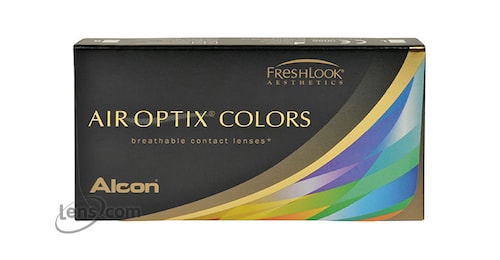
to
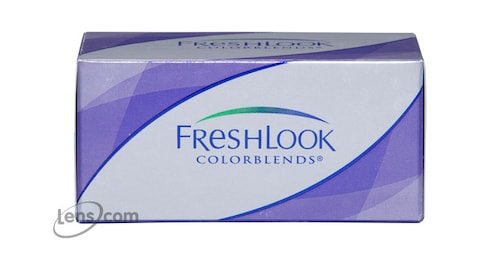
to
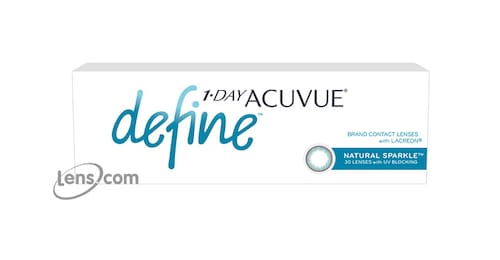
to
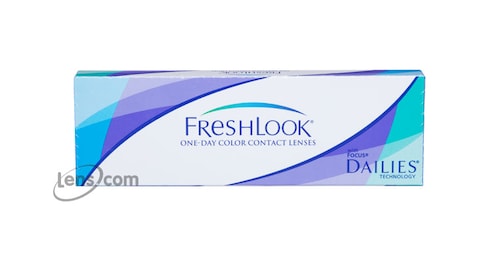
to
What Makes Colored Contacts Look Realistic?
Realistic colored contact lenses are designed to mimic the natural features of the iris instead of covering it with a single solid color. Several design elements work together to create a believable appearance, from the printed pattern to the opacity of the pigment. Looking at these details on your contact lenses can help you choose the one that complement your natural eye color while achieving the effect you're after.
Layered Iris Patterns
The most realistic colored contacts use multiple colors and fine details that resemble the texture of a natural iris. Instead of a flat printed circle, these lenses blend different tones with subtle streaks and radial lines to create depth. This layered design helps the color transition more naturally from the pupil toward the outer edge of the iris.
Natural-Looking Opacity
Opacity influences how much of your natural eye color remains visible. Lower-opacity designs allow more of your iris to show through for a subtle yet natural color enhancement, while higher-opacity lenses create a more noticeable change. Many realistic lenses strike a balance between the two, producing a visible transformation without appearing overly artificial.
Blended Color Combinations
Natural irises rarely contain only one color. Many realistic colored contacts combine complementary shades such as blue with gray, green with hazel, or honey with brown to create a softer appearance. These blended tones help the lenses mimic the natural color variation found in real eyes.
Soft or Defined Limbal Rings
A limbal ring is the darker outline around the iris. Some realistic lenses use a subtle limbal ring to add definition without making the eyes look exaggerated. Others reduce or soften the border for an even more natural transition between the iris and the white of the eye. The effect depends on the style you're trying to achieve.
Choosing the Right Shade for Your Natural Eye Color
Light eyes may display brighter, truer colors, while some colored lenses on dark brown eyes can create deeper or warmer tones. Comparing product photos, reading the lens description, and considering your natural eye color can help you choose a shade that produces the realistic look you want.
Explore Our Colored Contact Lenses
Air Optix Colors
FreshLook ColorBlends
1-Day Acuvue Define
FreshLook One-Day
Compare Colored Lenses by Manufacturer, Material, and Price
|
Average Cost per day
|
Contact Lens Manufacturer
|
Contact Lens Type
|
Contact Lens Material Type
|
Contact Lens Water Content Percentage
|
Contact Lens Blocks UV
|
Each Box Contains
|
Average Star Rating
|
|
|---|---|---|---|---|---|---|---|---|
| Air Optix Colors | $0.26 | Alcon | Monthly | Silicone Hydrogel | 33% | 6 lenses, a 6-month supply |
|
|
| FreshLook ColorBlends | $0.71 | Alcon | Daily | Hydrogel | 55% | 6 lenses, a 3-month supply |
|
|
| 1-Day Acuvue Define | $0.67 | Johnson & Johnson | Daily | Hydrogel | 58% | 30 lenses, a 1-month supply |
|
|
| FreshLook One-Day | $0.90 | Alcon | Daily | Hydrogel | 69% | 10 lenses, a 0-month supply |
|
Save More on Our Realistic Colored Lenses With Rebates
|
box rebate
Rebate amount with a 4 box purchase
|
box rebate
Rebate amount with a 8 box purchase
|
Contact Lens Manufacturer
|
Contact Lens Type
|
Contact Lens Material Type
|
Contact Lens Water Content Percentage
|
Contact Lens Blocks UV
|
Each Box Contains
|
Average Star Rating
|
|
|---|---|---|---|---|---|---|---|---|---|
| Air Optix Colors | $85 | -- | Alcon | Monthly | Silicone Hydrogel | 33% | 6 lenses, a 6-month supply |
|
|
| FreshLook ColorBlends | -- | $180 | Alcon | Daily | Hydrogel | 55% | 6 lenses, a 3-month supply |
|
|
| 1-Day Acuvue Define | -- | $160 | Johnson & Johnson | Daily | Hydrogel | 58% | 30 lenses, a 1-month supply |
|
|
| FreshLook One-Day | $75 | -- | Alcon | Daily | Hydrogel | 69% | 10 lenses, a 0-month supply |
|
Which Colored Contacts Look Most Natural on Brown Eyes?
The most natural-looking colored contacts for brown eyes depend on how much of a color change you want. If you prefer a subtle enhancement, shades like hazel, honey, gray, and light brown can add depth while complementing your natural iris. If you're looking for a more noticeable transformation, green, blue, or gray lenses with layered iris patterns can still appear realistic when they're designed with balanced opacity and blended colors.
- Hazel and honey create warm, natural-looking enhancements that blend well with most brown eyes.
- Gray lenses can produce a soft, sophisticated look, especially when they combine multiple gray tones instead of a single solid color.
- Green shades provide a noticeable color change while maintaining a realistic appearance when paired with detailed iris patterns.
- Blue lenses create one of the biggest transformations for brown eyes. Choosing designs with layered colors instead of flat, opaque prints can help the result look more natural.
Your natural eye color, skin tone, lighting, and even makeup can all influence how colored contacts appear once they're on your eyes.
Which Colors Look Realistic on Blue or Green Eyes?
Blue and green eyes naturally reflect and blend with many colored contact lenses, making it easier to achieve a realistic appearance. Since lighter irises don't need as much coverage as dark brown eyes, both subtle enhancements and noticeable color changes can look believable when the lenses feature detailed iris patterns and well-blended pigments.
- Gray lenses can deepen blue or green eyes while maintaining a soft, natural appearance. Multi-toned gray designs tend to create more depth than lenses with a single flat color.
- Green lenses can enhance blue eyes with a fresh, natural-looking color shift, while green-eyed wearers may choose richer green shades to add intensity without dramatically changing their eye color.
- Blue lenses can brighten naturally blue eyes or introduce cooler tones to green eyes. Layered shades generally create a more realistic result than a single opaque blue.
- Hazel or honey lenses add warmth to blue and green eyes, creating a subtle golden appearance that still allows some of the natural iris color to contribute to the final look.
Limbal Rings For a More Natural Look
Limbal rings can make colored contacts look more natural, but the effect depends on how they're designed. A limbal ring is the darker border around the edge of the iris. Many colored contacts include one to add definition and create the appearance of a naturally well-defined iris. When the border is soft and proportional, it can enhance realism without drawing too much attention.
- Subtle limbal rings create gentle definition around the iris and are commonly used in lenses designed for everyday wear and natural-looking color enhancement.
- More pronounced limbal rings make the iris appear larger and more defined. While this can create a striking look, it may appear less natural depending on the lens design and your personal style.
- Some realistic lenses have little or no limbal ring. Instead, they rely on layered iris patterns and blended colors to produce a soft, lifelike appearance.
A limbal ring is only one part of the overall design. The iris pattern, color blending, opacity, and how the lens complements your natural eye color all contribute to the final appearance.
Why Do the Same Contacts Look Different on Different People?
The same colored contacts can look noticeably different from one person to another because the printed lens design blends with each wearer's natural features. Your original iris color, iris pattern, pupil size, skin tone, lighting, and the way the lens centers on your eye can all influence the finished appearance.
- Natural eye color affects how the printed pigments appear. Light irises may allow more of the lens color to show through, while dark brown eyes may deepen or warm the final shade.
- Iris patterns vary from person to person. Natural streaks, rings, and color variations can remain partly visible through some lenses, changing the way the printed design blends.
- Pupil size changes throughout the day. Pupils expand in dim lighting and become smaller in brighter conditions, which can affect how much of the natural iris is visible through the clear center of the lens.
- Skin tone, hair color, and makeup can change how the eye color is perceived. The same gray lens, for example, may appear cooler on one person and warmer on another.
- Lens fit and centration also influence the result. A well-fitted lens should remain properly positioned, while a lens that shifts may reveal more of the natural iris around the pupil or outer edge.
Product photos are useful for comparing colors and patterns, but they should be treated as examples rather than exact predictions. Looking at images of the lenses on people with an eye color similar to yours can give you a more realistic idea of how they may appear.
Are Enhancement Tints More Realistic Than Opaque Contacts?
Enhancement tints can look more realistic than opaque contacts when your natural eye color is light and you want a subtle change. These lenses use translucent color to intensify or slightly shift the shade of your iris rather than fully covering it, allowing your natural patterns and color variations to remain visible.
Opaque contacts use denser pigmentation to create a stronger color change, which makes them more suitable for dark brown eyes or wearers who want a noticeably different shade. They can still look realistic when the design includes layered colors, fine iris details, and a soft transition around the pupil instead of a flat block of color.
- Enhancement tints tend to work best for blue, green, gray, or light hazel eyes. They preserve more of the natural iris, but the effect may be very subtle or nearly invisible on darker eyes.
- Opaque contacts provide greater coverage and a more dramatic transformation. Their realism depends heavily on the printed pattern, color blending, pupil opening, and how well the lens centers on the eye.
Neither type is automatically more natural-looking for everyone. Enhancement tints usually create the softest result on light eyes, while a well-designed opaque lens may look more realistic on dark eyes by providing enough coverage to produce a clear, balanced color change.
Prescription Colored Contacts Can Still Look Natural
Yes, prescription colored contacts can look natural while correcting nearsightedness, farsightedness, or other refractive errors supported by the lens design. The prescription power changes how the lens focuses light, while the printed color pattern controls its cosmetic appearance. A corrective lens doesn't automatically look less realistic than a plano colored contact.
The final result depends more on the lens's color blending, opacity, iris pattern, limbal ring, and fit. Prescription colored contacts with layered pigments and gradual transitions around the pupil can create a lifelike effect, especially when the shade works well with your natural iris color.
Proper centration also contributes to realism. A correctly fitted lens should sit in the intended position so the printed iris pattern aligns with your eye and the clear pupil opening remains centered. Since colored contacts are available in different powers, base curves, diameters, and designs, you should wear the exact product prescribed by your eye care professional rather than switching to another colored lens based on power alone.
Some prescriptions may have fewer colored lens choices, particularly for astigmatism, presbyopia, or other vision correcting needs. Your eye care professional can help you compare suitable options that provide clear vision, a proper fit, and the natural-looking color change you prefer.
How to Tell If Your Colored Contacts Fit Properly
Colored contacts that fit correctly should remain centered over the iris, move slightly when you blink, and provide clear, stable vision without causing pain or persistent irritation. You may notice the lenses briefly when you first put them in, but they shouldn't feel sharp, scratchy, tight, or difficult to keep in place.
- The lens stays centered. The printed color should align with your iris rather than shifting noticeably each time you blink or look around.
- Your vision remains stable. Frequent blurring, fluctuating vision, halos, or part of the printed pattern entering your line of sight may indicate poor centration, an unsuitable fit, or a problem with the lens.
- The lens moves slightly with each blink. A small amount of movement is normal. A lens that barely moves may fit too tightly, while one that slides excessively may fit too loosely.
- Your eyes remain comfortable. Persistent dryness, burning, stinging, redness, excessive tearing, or a strong awareness of the lens shouldn't be ignored.
- The lens is easy to remove. A lens that repeatedly folds, shifts off-center, or feels unusually difficult to remove may need to be checked by your eye care professional.
An eye care professional also evaluates how the lens sits on the eye, how it moves, whether the cornea receives enough oxygen, and whether the prescription provides clear vision. Remove the contacts and seek professional advice if discomfort, redness, light sensitivity, discharge, or blurred vision continues after removal.
References
Colored and Decorative Contact Lenses: A Prescription Is a Must. U.S. Food and Drug Administration. https://www.fda.gov/consumers/consumer-updates/colored-and-decorative-contact-lenses-prescription-must. Updated October 24, 2022. Accessed July 28, 2026.
Decorative Contact Lenses for Halloween and More. U.S. Food and Drug Administration. https://www.fda.gov/medical-devices/contact-lenses/decorative-contact-lenses-halloween-and-more. Updated October 22, 2024. Accessed July 28, 2026.
Types of Contact Lenses. U.S. Food and Drug Administration. https://www.fda.gov/medical-devices/contact-lenses/types-contact-lenses. Updated January 16, 2018. Accessed July 28, 2026.
About Decorative Contact Lenses. Centers for Disease Control and Prevention. https://www.cdc.gov/contact-lenses/about/about-decorative-contact-lenses.html. Updated May 27, 2025. Accessed July 28, 2026.
About Contact Lens Types. Centers for Disease Control and Prevention. https://www.cdc.gov/contact-lenses/about/about-contact-lens-types.html. Updated May 27, 2025. Accessed July 28, 2026.
About Contact Lenses. Centers for Disease Control and Prevention. https://www.cdc.gov/contact-lenses/about/index.html. Updated May 27, 2025. Accessed July 28, 2026.
Types of Contact Lenses. American Optometric Association. https://www.aoa.org/healthy-eyes/vision-and-vision-correction/types-of-contact-lenses. Accessed July 28, 2026.
Popular Contact Lens Reviews
Excellent service!
This product has nothing to dislike about. It is a good quality of contact lenses and will not stop using this brand. My vision is satisfactory using Air Optix brand. Please do not stop carrying them. The sales representative was also very knowledgeable, professional, articulate and kind. My order came in before Thanksgiving and I appreciate it. She expedited sending my order so I will be happy, satisfied with my new lenses. Thank you kindly, for the excellent service !
Subtle but noticeable change
It has a subtle difference but completely changes up my look. Very comfortable for colored lenses.
Vibrant Colors
Freshlook ColorBlends are great! The colors are truly vibrant and are just as pictured
Best online vendor for contacts
Never disappoints!!! Best prices and super fast shipping!!