
Medically Necessary Contact Lenses
Medically necessary contact lenses are prescribed when a medical or vision condition makes glasses or standard contact lenses less suitable for clear, functional vision. They aren't chosen solely for convenience, style, or preference. Your eye doctor may recommend them when the shape of the cornea, the strength of the prescription, eye-surface health, or a post-surgical change requires a more specialized lens approach.
These lenses can help people with conditions such as keratoconus, irregular astigmatism, corneal scarring, aphakia, anisometropia, high refractive errors, ocular surface disease, or certain post-surgical vision needs. The exact reason depends on your diagnosis, visual acuity, lens fit, and how well glasses or standard contacts correct your vision.
Medically necessary lenses can include scleral lenses, rigid gas permeable lenses, hybrid lenses, custom soft lenses, bandage contact lenses, or other specialty designs. Your eye doctor will evaluate your eyes, measure the fit, document the medical need, and explain whether your vision plan or medical insurance may review the lenses for coverage.
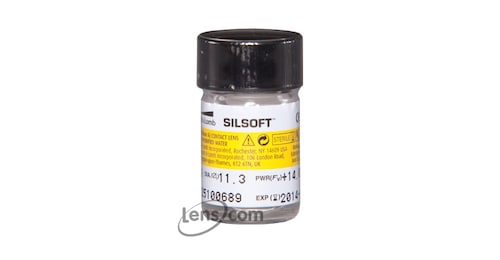
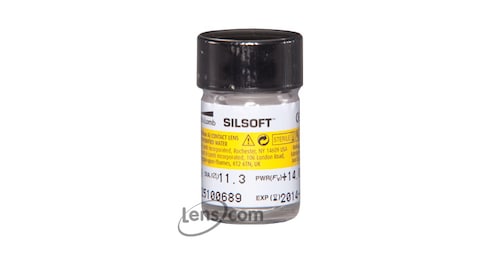
What Should You Know Before Getting Medically Necessary Contact Lenses?
Medically necessary contact lenses serve a functional or medical purpose beyond ordinary vision correction. They can help when the eye's shape, prescription, or surface condition keeps glasses or standard contacts from giving the vision or comfort a patient needs. Before moving forward, understand the diagnosis, lens type, documentation, coverage rules, and follow-up care involved.
Medical or Functional Need
A lens may be considered medically necessary when it helps manage a diagnosed vision or eye health issue. This can include irregular corneas, corneal disease, severe prescription differences between the eyes, post-surgical changes, or eye-surface problems. The decision starts with an eye exam and professional documentation, not personal preference.
Glasses or Standard Contacts May Not Be Enough
Glasses can work well for many prescriptions, but some eye conditions create irregular focusing that glasses can't fully correct. Standard soft contacts may also fall short if the cornea has an unusual shape or the eye needs a more customized fit. In those cases, specialty lenses can create a smoother optical surface or protect the eye surface.
Specialty Lens Types
Your eye doctor may discuss scleral lenses, rigid gas permeable lenses, hybrid lenses, custom soft lenses, prosthetic lenses, or bandage contact lenses depending on the condition. Each lens type solves a different problem, so the best option depends on the eye's shape, health, and vision goals.
Insurance and Documentation
Insurance coverage can vary by plan. Some plans review medically necessary lenses only when specific clinical criteria are met. Your eye doctor may need to submit diagnosis codes, measurements, visual acuity results, fitting notes, and proof that glasses or standard contacts don't meet the patient's needs.
Follow-Up Care
Medically necessary contact lenses usually require careful fitting and follow-up visits. Your eye doctor may check lens movement, corneal health, comfort, vision quality, wearing time, and cleaning routine. Don't skip follow-up care, especially if the lens manages an eye condition.
What Medically Necessary Contact Lenses Mean
Medically necessary contact lenses help address a diagnosed vision or eye health need. They aren't the same as choosing contacts because you prefer them over glasses for convenience, sports, or appearance.
A lens can fall into this category when it helps provide better functional vision, supports the eye surface, or manages a condition that standard correction doesn't handle well. The eye doctor's findings drive the decision.
Use this quick distinction:
- Regular contact lens wear usually starts with preference, lifestyle, and standard vision correction.
- Medically necessary contact lens wear starts with a documented medical or functional need.
- Standard contacts usually follow a common product fit and prescription range.
- Medically necessary lenses may require specialty measurements, custom fitting, or more follow-up care.
- Insurance may review medically necessary lenses under separate criteria.
- A lens that feels specialty or expensive doesn't automatically qualify as medically necessary.
The safest way to know where you stand is to ask your eye doctor what diagnosis supports the lens and what documentation your plan may require.
Conditions That May Lead to Medically Necessary Contacts
Different conditions can lead an eye doctor to consider medically necessary contact lenses. The lens type depends on how the condition affects vision, corneal shape, comfort, or eye-surface health. These examples can help you understand why a specialty fitting may be discussed, but the final decision depends on your exam findings and documentation.
Corneal Shape or Corneal Surface Conditions
Some medically necessary contact lens fittings are connected to changes in the cornea. This can include keratoconus, irregular astigmatism, corneal scarring, corneal ectasia, post-corneal transplant needs, or vision changes after procedures such as LASIK or RK. In these cases, glasses or standard soft contacts may not create a smooth enough focusing surface for clear, functional vision.
Prescription-Related Needs
Certain prescriptions may also lead to a medically necessary lens discussion. High nearsightedness, high farsightedness, aphakia, or anisometropia can create vision challenges that standard correction may not handle well. If the prescription difference between the eyes is significant, your eye doctor may evaluate whether contact lenses can provide more usable vision than glasses alone.
Eye Surface, Healing, or Protection Needs
Some lenses are used to support the eye surface rather than only correct vision. Severe dry eye, ocular surface disease, certain corneal injuries, or healing needs after a procedure may lead an eye doctor to discuss specialty or bandage contact lenses. The goal may be protection, comfort, healing support, or a more stable surface for the eye.
Trauma or Appearance-Related Medical Needs
Prosthetic or cosmetic-medical lenses may be considered after trauma, scarring, or eye appearance changes. These lenses are different from cosmetic contacts chosen only for style because they may support a medical, functional, or appearance-related treatment need. Your eye doctor can explain whether the lens is being used for vision, protection, appearance restoration, or a combination of needs.
These examples don't guarantee insurance coverage. Plans can define medical necessity differently, so the diagnosis, measurements, visual results, and plan rules all count.
How These Lenses Differ From Standard Contacts
Standard contacts usually correct common refractive errors such as nearsightedness, farsightedness, astigmatism, or presbyopia. Medically necessary contact lenses may correct vision, protect the eye, improve the optical surface, or help manage a condition that standard lenses don't address well. The difference is not just that the lens is more specialized; it is that the lens is being prescribed for a documented medical or functional need.
The fitting process can also be more detailed. A standard soft contact lens fitting may focus on prescription, comfort, and basic lens movement, while medically necessary lenses may require corneal topography, extra measurements, trial lenses, and several follow-up visits. Your eye doctor may need to check how the lens sits, moves, vaults, or interacts with the cornea and ocular surface before finalizing the design.
The lens design may be different too. Some medically necessary lenses are larger, firmer, custom-made, or shaped to vault over the cornea instead of resting directly on it like many standard soft contacts. Scleral lenses, rigid gas permeable lenses, hybrid lenses, and custom soft lenses can each support different needs depending on the condition being managed.
Coverage, documentation, and follow-up care can add another layer. A regular contact lens prescription may be enough for standard lens ordering, but medically necessary lenses may require your provider to show why glasses or standard contacts don't provide adequate correction, comfort, or eye-surface support. Follow-up visits help your doctor check clarity, comfort, corneal health, and wearing time so the lens supports your eyes safely in daily use.
Specialty Lens Types Your Eye Doctor May Discuss
Medically necessary contact lenses can come in several designs. Your eye doctor will choose based on your diagnosis, eye shape, tear film, and vision needs.
Scleral Lenses
Scleral lenses are large rigid lenses that rest on the sclera, or white part of the eye. They vault over the cornea and can hold a fluid layer between the lens and eye. They can help with keratoconus, corneal irregularity, dry eye, and certain ocular surface conditions.
Rigid Gas Permeable Lenses
Rigid gas permeable lenses hold their shape on the eye. That shape can help mask corneal irregularities and support clearer vision for some people with keratoconus or irregular astigmatism.
Hybrid Lenses
Hybrid lenses combine a rigid center with a soft outer skirt. They can offer sharper optics than a soft lens while aiming for a softer edge feel.
Custom Soft Lenses
Custom soft lenses can help some wearers with unusual prescriptions or mild corneal irregularity. They may use larger diameters, custom parameters, or specialty designs.
Bandage Contact Lenses
Bandage lenses don't focus mainly on vision correction. Eye doctors use them in certain cases to protect the cornea, support healing, or reduce discomfort after injury or a procedure.
Medical Documentation and Insurance Review
An insurance review for medically necessary contact lenses needs more than a receipt and a prescription. The plan may ask the eye doctor to show why the lenses meet medical criteria.
Your provider may document:
- Diagnosis or condition
- Visual acuity with glasses
- Visual acuity with contact lenses
- Corneal measurements or topography
- Prescription strength
- Fit notes
- Lens type and parameters
- Why standard correction doesn't meet the patient's needs
- Prior treatment or fitting history
- Follow-up plan
Coverage rules vary widely. One plan may review keratoconus, aphakia, high prescriptions, or anisometropia under specific criteria, while another may use different thresholds. Confirm the rules with your plan before assuming the lenses will qualify.
Keratoconus, Irregular Corneas, and Specialty Fitting
Keratoconus and irregular corneas are common reasons people discuss specialty contact lenses with an eye doctor. These conditions can distort the corneal shape, which makes it harder for glasses to focus light cleanly. The goal of specialty fitting is to find a lens design that helps create more functional, comfortable vision.
What the Lens Is Trying to Improve
When the cornea has an irregular shape, light may not focus evenly through glasses or standard soft contacts. A specialty lens can help by creating a smoother optical surface over the eye. This can make vision feel more stable, especially when irregular astigmatism, corneal scarring, or keratoconus affects clarity.
How Different Specialty Lenses May Help
Rigid gas permeable lenses can hold a regular shape over the cornea, which may help mask some surface irregularity. Scleral lenses can vault over the cornea and hold a fluid layer between the lens and eye, which may help with both vision and certain surface comfort needs. Hybrid lenses combine rigid optics with a softer outer edge, which may be discussed when your doctor wants to balance clarity and comfort.
What the Fitting May Involve
A specialty fitting can take more time than a standard soft contact lens fitting. Your eye doctor may measure the cornea, place trial lenses, check lens movement, evaluate comfort, and adjust the design over several visits. These steps help confirm that the lens supports vision without creating avoidable pressure, irritation, or fit problems.
Details to Bring Up During the Visit
Tell your eye doctor where your vision feels distorted, whether glasses help enough, and how long you can wear lenses comfortably. It also helps to mention if one eye feels harder to correct, if you have a history of corneal surgery, scarring, or injury, and whether dryness, redness, or discomfort affects lens wear. Your work, screen, driving, and reading needs can also help your doctor understand what "functional vision" needs to look like in your daily routine.
The goal is functional, comfortable vision, not a lens that only looks right on paper. If the first trial lens does not feel perfect, your eye doctor may still be able to adjust the fit, lens type, or parameters.
Costs, Coverage, and What to Confirm First
Medically necessary contact lenses can cost more than standard soft lenses because they may require specialty fitting, extra visits, custom measurements, and custom lens designs. Coverage can help, but it depends on your plan.
Before you schedule or order, confirm:
- Whether your vision plan or medical insurance handles the benefit
- Which diagnoses qualify under your plan
- Whether your provider is in network
- Whether prior authorization is required
- Which exam, fitting, lens, and follow-up fees apply
- Whether the plan covers one lens, both lenses, or a full supply
- Whether replacement lenses have a separate benefit
- Whether you'll owe copays, coinsurance, or out-of-pocket costs
- Which documents the plan needs before approval
- How long the review can take
Don't rely only on the phrase "medically necessary." Ask your eye doctor and insurance plan what proof they need and what costs you may still owe.
Safe Wear and Follow-Up Care
Medically necessary contact lenses still need careful handling, cleaning, and follow-up care. Some specialty lenses touch the eye differently than standard soft contacts, so follow your eye doctor's exact instructions. A lens that is part of a treatment or specialty fitting plan should be handled as carefully as the condition it is helping manage.
Handle the Lenses Cleanly
Wash and dry your hands before handling medically necessary lenses. Use the solution your eye doctor recommends, and don't rinse or store lenses in water. If your lens requires special filling, rinsing, plungers, cases, or accessories, follow the exact routine your doctor provided.
Care for Reusable Lenses Properly
Reusable specialty lenses need cleaning and storage steps that match the lens type. Clean them exactly as instructed, use fresh approved solution, and replace cases, plungers, or accessories as directed. Don't stretch the cleaning routine or replacement schedule just because the lens still looks clear.
Follow the Approved Wearing Schedule
Wear the lenses only for the amount of time your eye doctor approves. Don't sleep in lenses unless your doctor specifically approves that lens for overnight wear. If your wearing time changes because of dryness, discomfort, redness, or blurred vision, bring that up during follow-up care.
Know Which Symptoms Need Attention
Report pain, redness, discharge, blurry vision, unusual discomfort, or light sensitivity promptly. Remove the lenses if your eye doctor has instructed you to do so when symptoms appear, and avoid forcing wear when something feels wrong. Keep backup glasses available when possible so you have another vision option if the lenses need to come out.
Follow-up visits help your doctor check the lens fit, eye surface, cornea, and vision. If the lens manages an eye condition, those visits are part of the treatment plan.
What to Bring to Your Eye Doctor or Insurance Review
A little preparation can make the medically necessary contact lens process smoother. Bring information that helps your eye doctor evaluate your eyes and helps your insurance plan review the request.
Bring these items to your appointment:
- Current glasses prescription
- Current contact lens prescription, if you have one
- Previous specialty lens information
- Insurance card and vision plan details
- Medical insurance card, if separate
- Prior authorization forms, if your plan requires them
- Records from corneal procedures or eye surgery
- Diagnosis history, if you know it
- Notes about symptoms, blur, glare, dryness, or discomfort
- Details about work, driving, reading, and screen needs
- A list of products or solutions you currently use
- Backup glasses
Before leaving the appointment, ask what happens next. Confirm whether the office will submit documentation, whether you need approval before ordering, and when you should return for fitting or follow-up.
References
What Is a Specialty Contact Lens? Lens.com. https://www.lens.com/what-is/specialty-contact-lens/. Accessed June 16, 2026.
Update on Scleral Lenses. American Academy of Ophthalmology. https://www.aao.org/eyenet/article/update-on-scleral-lenses. Published October 31, 2018. Accessed June 16, 2026.
Contact Lenses for Vision Correction. American Academy of Ophthalmology. https://www.aao.org/eye-health/glasses-contacts/contact-lens-102. Published July 16, 2025. Accessed June 16, 2026.
Keratoconus. American Optometric Association. https://www.aoa.org/healthy-eyes/eye-and-vision-conditions/keratoconus. Accessed June 16, 2026.
Astigmatism. American Optometric Association. https://www.aoa.org/healthy-eyes/eye-and-vision-conditions/astigmatism. Accessed June 16, 2026.
Healthy Vision and Contact Lenses. American Optometric Association. https://www.aoa.org/healthy-eyes/vision-and-vision-correction/healthy-vision-and-contact-lenses. Accessed June 16, 2026.
Scleral Lenses. Cleveland Clinic. https://my.clevelandclinic.org/health/treatments/scleral-lenses. Published May 28, 2024. Accessed June 16, 2026.
Keratoconus. MSD Manual Professional Edition. https://www.msdmanuals.com/professional/eye-disorders/corneal-disorders/keratoconus. Accessed June 16, 2026.
Clinical Policy 1309: Medically Necessary Contact Lenses. Superior Vision. https://superiorvision.com/wp-content/uploads/2023/08/Clinical-Policy-1309-Medically-Necessary-Contact-Lenses-effect-1.1.2024.pdf. Effective January 1, 2024. Accessed June 16, 2026.
Buying Contact Lenses. U.S. Food and Drug Administration. https://www.fda.gov/medical-devices/contact-lenses/buying-contact-lenses. Published October 28, 2020. Accessed June 16, 2026.