
Low Cost Contact Lenses
Low cost contact lenses can help you manage vision expenses without moving away from the lens your eye doctor prescribed. The right price is important, especially if you wear contacts often, need separate boxes for each eye, or buy lenses for several months at a time. A lower cost should still come with the right product, prescription match, and wearing schedule.
Contact lenses sit directly on your eyes, so price should never be the only detail you compare. The product name, power, base curve, diameter, replacement schedule, and extra values need to match your contact lens prescription. A low cost lens is only a smart buy when it fits properly, gives clear vision, and comes from a seller that verifies your prescription.
Lens cost can change based on replacement schedule, box count, material, prescription type, brand family, rebates, shipping, and how often you wear contacts. Daily, bi-weekly, monthly, toric, multifocal, and colored lenses can all have different price ranges. Explore the products shown on this page to find low cost contact lenses that fit your prescription, comfort needs, and budget.
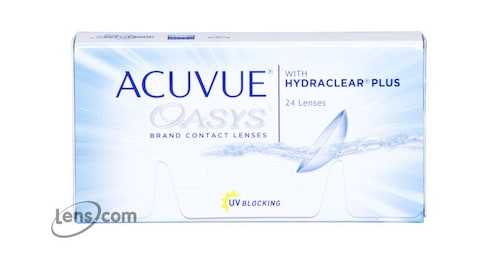
to
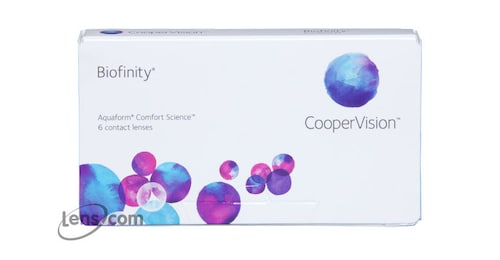
to
to
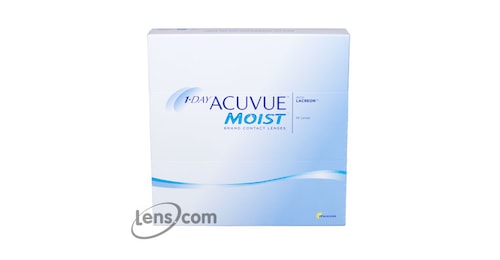
to
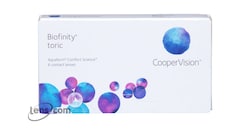
to
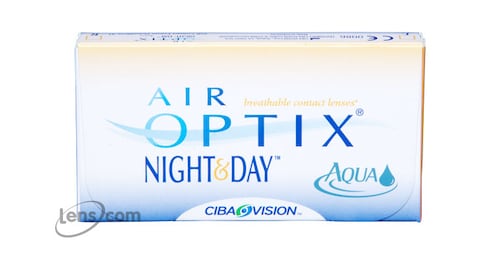
to
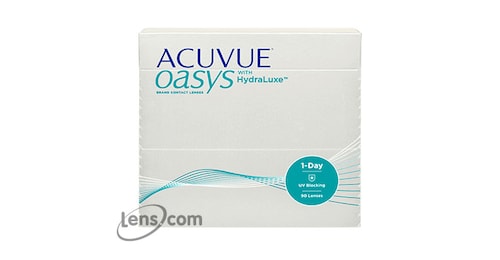
to
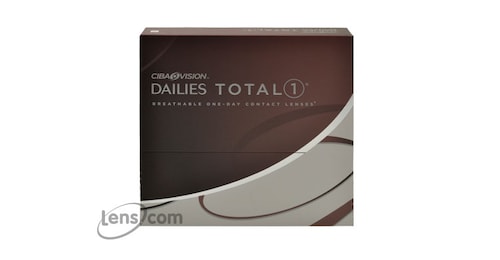
to
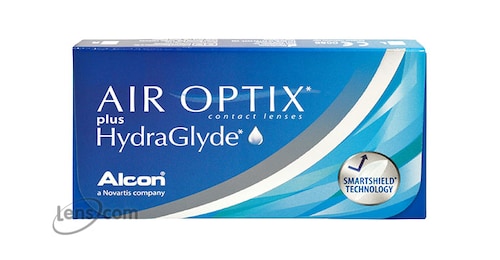
to
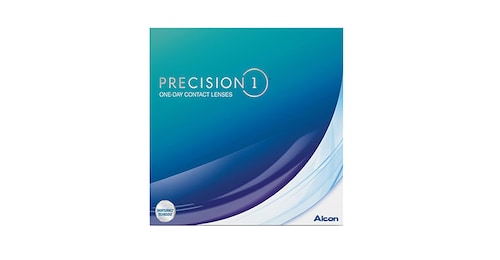
to
to
to
to
to
to
to
to
to
to
to
to
to
to
to
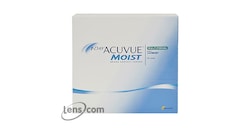
to
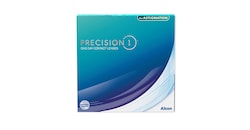
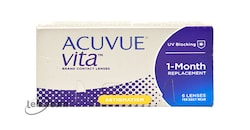
to
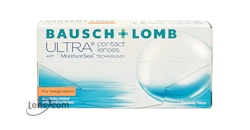
to
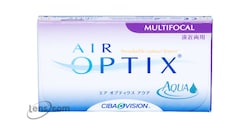
to
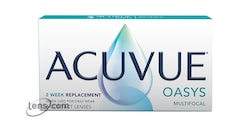
to
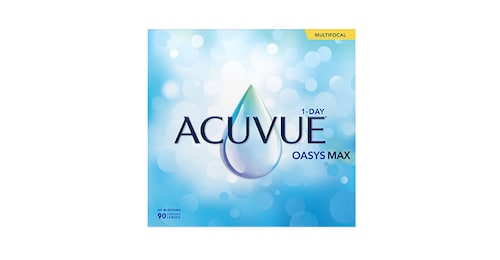
to
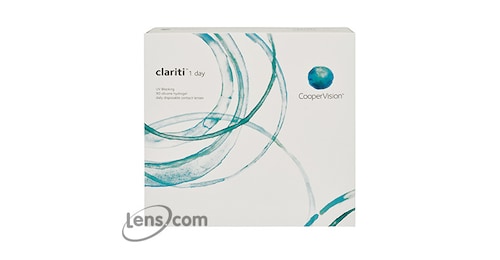
to
to
to
to
to
to
How to Compare Low Cost Contact Lenses Without Choosing the Wrong Product
Low cost contact lenses should be compared by total value, not by the lowest box price alone. A lens that costs less may not save money if it does not match your prescription, feels uncomfortable, or needs to be replaced differently from your current lens.
Before choosing a lower-priced contact lens, check these details:
- Confirm that your contact lens prescription is current.
- Match the exact product name your eye doctor prescribed.
- Check right-eye and left-eye values before checkout.
- Compare the same box count across products.
- Review the price per box and the price per wear.
- Check power, base curve, and diameter if listed.
- Check cylinder and axis if you wear toric lenses.
- Check ADD power if you wear multifocal lenses.
- Add shipping costs before judging the final price.
- Look for rebates, coupons, or larger-supply savings when they apply.
- Avoid sellers that skip prescription verification.
- Ask your eye doctor before switching to a lower-cost lens.
The best value isn't always the cheapest box. It is the lens that fits your eyes, works with your routine, and helps you stay within budget.
Contact Lens Types That Can Change the Total Price
Low cost contact lenses can fall into different product categories, and each category can affect the final price. Prescription complexity, replacement schedule, lens material, design, and box size all influence what you pay over time.
Daily Disposable Contact Lenses
Daily disposable contacts are worn once and thrown away after removal. They can be simple to use because there is no overnight cleaning or lens storage. The cost depends on how often you wear them and whether you buy smaller or larger supplies.
Bi-Weekly Contact Lenses
Bi-weekly contact lenses are reusable lenses that are typically replaced every two weeks, based on the product and your eye doctor's instructions. They need cleaning and storage after each wear. They may fit wearers who want a shorter reusable cycle than monthly contacts.
Monthly Contact Lenses
Monthly contact lenses are reusable lenses typically replaced every month. They need a fresh solution, a clean lens case, and consistent care after each wear. They can be cost-friendly for some regular wearers, depending on the product and routine.
Toric, Multifocal, and Colored Lenses
Toric lenses for astigmatism, multifocal lenses for presbyopia, and colored lenses can have different price ranges because they use more specific designs. These lenses often require extra prescription details, such as cylinder, axis, ADD power, or color. The product still needs to match your eye doctor's prescription.
What Low Cost Really Means Beyond the Box Price
Low cost contact lenses should be judged by what you pay across your full wearing routine. The box price is only one part of the cost. Shipping, prescription verification, rebates, coupons, lens solution, cases, and how often you replace the lenses can all affect the final total.
Cost per wear can give a clearer picture than cost per box. A daily disposable lens used every day will run out faster than one used only for sports or weekends. A monthly lens may have a lower lens cost across the year, but it also needs solution and a case. The better value depends on how often you wear contacts and how well the routine fits your habits.
A low price isn't helpful if the lens is uncomfortable or incorrect. If you remove lenses early because they feel dry, blurry, or tight, that product may not be worth the lower cost. The better choice is the most affordable lens that still matches your prescription and feels right through approved wear time.
Daily, Bi-Weekly, or Monthly: Which Schedule Can Lower Costs?
Daily disposable contacts can make sense for people who wear lenses part-time. If you only use contacts for workouts, travel, weekends, or events, you open a fresh pair only on wear days. That can make the supply last longer than it would for a full-time daily wearer.
Bi-weekly and monthly lenses may work well for people who wear contacts often and can follow a cleaning routine. These lenses are worn more than once, so the lens cost may be lower across a longer period. The tradeoff is that you need a solution, a lens case, and steady care habits.
The lowest-cost schedule depends on your eyes and lifestyle. Someone who wears contacts seven days a week may compare monthly lenses differently from someone who wears contacts twice a week. Your eye doctor can help you decide which schedule fits your prescription, eye health, and budget.
Ways to Lower Out-Of-Pocket Contact Lens Costs
There are safer ways to look for low cost contact lenses without switching to an unapproved product. Start with the exact lens your eye doctor prescribed, then compare buying details around that product.
Consider these cost-saving steps:
- Compare the same product across box sizes.
- Check whether a larger supply lowers the per-lens cost.
- Look for manufacturer rebates when they apply.
- Use promo codes only after checking the final price.
- Compare shipping fees before checkout.
- Reorder before you run out to avoid rushed shipping costs.
- Keep your prescription current to reduce ordering delays.
- Ask your eye doctor about lower-cost lens options during the fitting..
- Avoid buying more than you can use before your prescription expires.
- Keep backup glasses so you do not overwear old lenses.
The aim is to lower cost without lowering safety. A contact lens should still be prescribed, verified, and replaced on schedule.
Why Prescriptions and Fittings Still Affect Your Budget
A contact lens prescription does more than tell you lens power. It can include the product name, base curve, diameter, replacement schedule, and other values that help the lens sit properly on your eye. These details affect comfort, vision, and whether the lens is safe for daily wear.
Trying to save money by choosing a similar product can backfire. Two lenses with the same power can still differ in material, edge design, oxygen flow, surface feel, and movement on the eye. A cheaper substitute may feel dry, shift too much, or give blurry vision.
A proper fitting can also help you avoid wasting money on lenses you cannot wear. If you want a lower-cost option, ask your eye doctor during the exam. They can compare products that fit your prescription instead of leaving you to guess online.
What to Check Before Checkout
A low price can make an order feel easy to complete, but contact lenses still need a careful review. Small errors can lead to the wrong lens, wrong eye value, or wrong replacement schedule.
Before checkout, review:
- Full product name
- Right-eye and left-eye values
- Power for each eye
- Base curve and diameter if listed
- Cylinder and axis for toric lenses
- ADD power for multifocal lenses
- Color if you wear colored contacts
- Replacement schedule
- Box count
- Prescription expiration date
- Prescription verification process
- Shipping cost and delivery timing
- Return or exchange rules
If any detail doesn't match your prescription, pause before buying. Ask your eye doctor before switching to another lens, even if it costs less.
When A Low Price Should Make You Pause
Low cost contact lenses can be legitimate, but some prices come with warning signs. Be careful when a seller makes contact lenses look too easy to buy. A proper seller should ask for your prescription or your eye doctor's information before completing the order.
A very low price may also come with missing product details. If the page doesn't show the full lens name, box count, replacement schedule, prescription range, or return rules, it may be harder to compare with your prescription. Clear product information helps you know what you are putting on your eyes.
Avoid sellers that say no prescription is needed. Contact lenses are medical devices, including colored and plano lenses. Saving money isn't worth buying from a seller that skips the basic steps meant to protect your eyes.
Why the Cheapest Lens May Not Be the Right Lens
The cheapest contact lens may not be the lens your eye doctor prescribed. That doesn't make it a safe substitute. A lens can have the same power as your current contacts but still differ in material, curve, diameter, water content, edge shape, and how it moves when you blink.
Those differences can affect your comfort and vision. You may notice dryness, shifting vision, blur after blinking, or a lens that feels too tight or too loose. Toric and multifocal lenses can be even more sensitive to design changes because lens position affects how well they work.
If you want to move to a lower-cost contact lens, ask your eye doctor about safe alternatives. They may need to refit you in another product before you buy it. Saving money should not mean guessing which lens belongs on your eye.
How to Keep Low Cost Contact Lenses Comfortable and Safe
Low cost contact lenses still need the same care as any other lens your eye doctor prescribes. Clean handling is part of the value because it helps reduce irritation, discomfort, and wasted lenses. Wash and dry your hands before touching contacts, and never wear a lens that looks torn, dry, chipped, folded, or dirty.
Replacement timing also plays a major role. Daily disposable lenses should be thrown away after one use. Reusable lenses need fresh solution, proper storage, and replacement on schedule. Stretching lenses to save money can make them less comfortable and may increase the risk of eye problems.
Water exposure should also be avoided. Remove contacts before swimming, showering, or using a hot tub. Keep backup glasses nearby so you can remove your lenses if your eyes feel red, painful, dry, gritty, or sensitive to light.
Reordering and Supply Planning on a Budget
Low cost contact lenses are easier to manage when you plan your supply before you run out. Last-minute orders can lead to rushed shipping, limited stock, or pressure to buy a product that is not your prescribed lens. A little planning can help keep your costs steadier.
Track Wear Days
Count how often you wear contacts each week. Daily disposable wearers use a fresh pair each wear day, while reusable lens wearers replace lenses based on the prescribed schedule. Your actual wear pattern can help you decide whether a smaller or larger supply makes sense.
Check Both Eyes
Your right and left eyes may have different prescription values. If they do, you may need separate boxes for each eye. Compare the full order cost, not only the price of one box.
Watch Prescription Dates
A larger supply may not be the right choice if your prescription expires soon. Check the date before ordering several boxes. If your exam is coming up, ask your eye doctor whether you should wait before buying a larger supply.
References
About Cleaning, Disinfecting, And Storing Contact Lenses. Centers for Disease Control and Prevention. Updated May 27, 2025. Accessed July 9, 2026.
About Contact Lens Types. Centers for Disease Control and Prevention. Updated May 27, 2025. Accessed July 9, 2026.
Buying Contact Lenses. U.S. Food and Drug Administration. Published October 28, 2020. Accessed July 9, 2026.
Contact Lens Care. American Optometric Association. Accessed July 9, 2026.
Contact Lens Prescription. U.S. Food and Drug Administration. Published October 28, 2020. Accessed July 9, 2026.
Contact Lenses. U.S. Food and Drug Administration. Published October 28, 2019. Accessed July 9, 2026.
Preventing Eye Infections When Wearing Contacts. Centers for Disease Control and Prevention. Updated May 27, 2025. Accessed July 9, 2026.
The Contact Lens Rule: A Guide For Prescribers And Sellers. Federal Trade Commission. Accessed July 9, 2026.
Types Of Contact Lenses. U.S. Food and Drug Administration. Updated January 16, 2018. Accessed July 9, 2026.
Popular Contact Lens Reviews
Night and Day
Been wearing these for many years. Very thin to allow more oxygen to the eye. I remove and sanitize daily. Great product.
Excellent service!
This product has nothing to dislike about. It is a good quality of contact lenses and will not stop using this brand. My vision is satisfactory using Air Optix brand. Please do not stop carrying them. The sales representative was also very knowledgeable, professional, articulate and kind. My order came in before Thanksgiving and I appreciate it. She expedited sending my order so I will be happy, satisfied with my new lenses. Thank you kindly, for the excellent service !
Affordable price and quality
Love the ease and price of buying Focus dailies through Lens.com. Quick delivery and cheaper than through my eye doctor. Same product and quality. Why waste time and money anywhere else.
Awesome service
I have used Lens.com for several years now and their service is excellent. They even took back contacts I had ordered by mistake. They make it easy to order and receive your product quickly.
Would highly recommend them!
Easy wearing
Been wearing this brand of contacts for 3 years- feel easy on the eyes, light, flexible & easy to dispose of. Say adios to buying contact solution & contact cases!
The customer service is prompt and OUTSTANDING
Lens.com is such a breeze to order contacts from, and their customer service is the best. Several boxes of contacts I ordered were lost in the mail and they so were so kind about resending me my order fast and without any extra fees. The quality of these contacts (Biofinity) is unmatched as well. I would highly recommend both Lens.com and Biofinity to anyone.
Great prices
I have ordered several times from Lens.com.
I have had no issues with orders or scripts. I love the rebate when you order 4 boxes or more. I will purchase from them again.
First time buyer
Great service, great price and very easy to order and pay. Will be back for my next order.
I have been using B+L SofLens Toric Astigmatism.
After I had been happily using them for decades, I could not reorder my contact lenses since Bausch+Lomb officially discontinued many SofLens® Toric lenses in July  2023.
As my Rx had not changed, my optometrist recommended another manufacturer, which I tried using for months, and was very disappointed.
Then on the Lens.com website, I ordered B+L ULTRA for Astigmatism Contact Lenses, and they seem just the same to me as the discontinued B+L SofLens® Toric contact lens. Now I couldn't be happier!