
Different Color Contacts
Different color contacts are prescription colored contacts designed to change, brighten, or define your natural eye color while following a prescribed contact lens fit. Some lenses create a subtle enhancement, while others provide a more noticeable color change on brown or dark eyes. Depending on the product, these contacts may be daily disposable, biweekly, or monthly lenses made with hydrogel or silicone hydrogel materials, different water content, tint patterns, oxygen flow, and handling routines.
Choose the exact product name, power or plano status, base curve, diameter, shade, and replacement schedule written on your current contact lens prescription. Non-prescription colored contacts do not correct vision, but they still require a valid contact lens prescription and proper fitting. A blue, green, gray, hazel, or brown lens from one brand should not replace a similar shade from another brand unless your eye doctor has approved the switch.
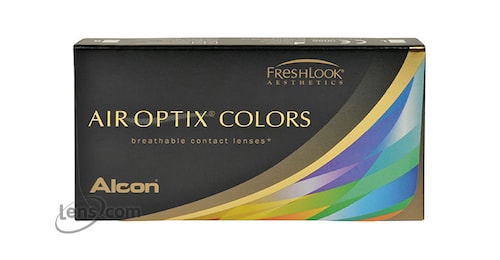
to
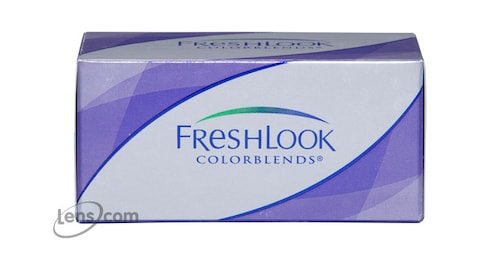
to
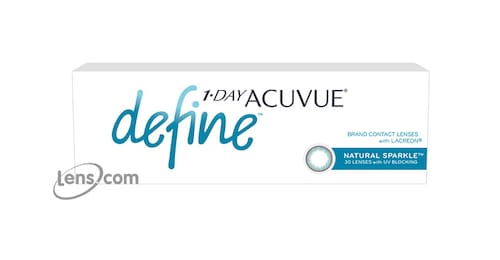
to
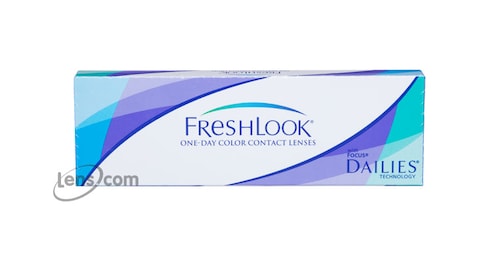
to
How Different Color Contacts Change and Define Eye Color
Different color contacts use tint coverage, shade depth, and lens design to create subtle or noticeable eye color effects. You can also compare these colored options with other prescription contact lenses by vision need, material, replacement schedule, and fit.
1. Shade and Tint Pattern
Colored contacts may use enhancement tints, opaque color patterns, iris-defining rings, or blended shade designs. AIR OPTIX COLORS and FreshLook ColorBlends offer multiple color options, while 1-DAY ACUVUE DEFINE focuses more on iris definition than a full color change. FreshLook One-Day gives wearers daily disposable color options in select shades.
2. Daily, Biweekly, and Monthly Schedules
Daily coloured contact lenses, such as FreshLook One-Day and 1-DAY ACUVUE DEFINE, are worn once and discarded after removal. FreshLook ColorBlends is a reusable color lens with a scheduled replacement routine. Monthly disposable colored contact lenses, such as AIR OPTIX COLORS, are reused during the prescribed monthly period. Reusable colored contacts need cleaning, disinfection, fresh solution, and storage after each wear.
3. Natural Eye Color and Final Result
The same shade can look different on light, brown, hazel, or dark eyes. Eye color results depend on your natural iris color, pupil size, lens opacity, tint placement, lighting, and how well the lens centers. Try the prescribed shade before ordering a larger supply.
Why Wearers Choose Different Color Contact Lenses
Wearers choose different color contacts when they want a prescribed lens that fits their vision needs, eye color goal, and daily routine.
- AIR OPTIX COLORS offers 12 shades in a monthly silicone hydrogel lens.
- AIR OPTIX COLORS uses 3-in-1 Color Technology and SmartShield Technology.
- FreshLook ColorBlends offers blended color effects in a reusable hydrogel lens.
- FreshLook One-Day gives wearers a fresh color lens for each wearing day.
- 1-DAY ACUVUE DEFINE adds iris definition with daily disposable convenience.
- Blue and gray shades may create a cooler, more noticeable change on brown eyes.
- Brown, honey, hazel, gray, green, and softer blue shades may appeal to wearers comparing natural looking colored contacts.
- Green shades may add contrast without always looking as bright as blue or gray.
- Daily color contacts may suit occasional wear, travel, events, or low-maintenance routines.
- Reusable color contacts may suit wearers who can clean, store, and replace lenses on schedule.
- Prescription and plano colored contacts both require a valid contact lens prescription.
- Most colored contacts are spherical or plano, so wearers with astigmatism or presbyopia should confirm whether the lens can match their full prescription.
What to Check Before Ordering Different Color Contacts
Before ordering, confirm that the exact color lens, shade, prescription, and replacement schedule match your current contact lens prescription.
Exact Product and Shade
Match the full product name and shade listed on your prescription. AIR OPTIX COLORS Green, FreshLook ColorBlends Green, FreshLook One-Day Green, and 1-DAY ACUVUE DEFINE Natural Shine are different product-and-design combinations. Do not switch contact lens brands or shades based only on photos.
Prescription or Plano Status
Confirm whether you need corrective power or plano lenses. Plano colored contacts do not correct vision, but they still require a contact lens prescription because fit and eye response matter. If your prescription includes cylinder, axis, add power, or specialty details, ask your eye doctor whether the colored lens can meet those needs.
Replacement Schedule
Check whether your prescribed colored contacts are daily disposable, biweekly, or monthly. Daily lenses are discarded after removal, while reusable lenses need cleaning, disinfection, fresh solution, and proper storage. Do not reuse daily lenses or stretch reusable lenses beyond the approved schedule.
Care Routine and Safe Wear
Wash and fully dry your hands before handling colored contacts. Keep lenses away from tap water, showers, swimming pools, and hot tubs. Remove the lenses and contact your eye doctor if you notice pain, lasting redness, discharge, swelling, light sensitivity, sudden blur, or discomfort that does not improve after removal.
What Do Different Colors Mean on Contacts?
Different contact lens colors usually describe the shade or visual effect of the printed lens design, not a medical category.
Blue and Gray
Blue and gray contacts often create a cooler eye color effect. They may look subtle on light eyes and more noticeable on brown or dark eyes.
Green and Hazel
Green and hazel contacts can add warmth, contrast, or a mixed-tone effect. They may suit wearers who want a color change that still blends with the original iris.
Brown, Honey, and Defining Designs
Brown and honey shades can deepen or brighten the natural eye color. Iris-defining lenses can make the eye pattern look more defined without a full color change.
Is It Safe to Wear Colored Contacts?
Colored contacts can be safe when they are prescribed, fitted, handled, cleaned, and replaced correctly. They are not ordinary beauty accessories because they rest directly on your eyes. A safe routine includes clean hands, correct lens storage, fresh solution for reusable lenses, and the replacement schedule your eye doctor prescribed. Do not buy colored contacts from sellers that skip prescription verification.
Safety also depends on how the lens fits and moves on your eyes. Remove the lenses if they feel painful, tight, scratchy, unstable, or suddenly blurry. Keep them away from water and never share them with another person. Contact your eye doctor if redness, discharge, swelling, light sensitivity, or discomfort continues after removal.
Which Colored Contact Lens Shade Should You Choose?
Choose a colored contact lens shade by matching your natural eye color, desired effect, and approved prescription. Begin with natural colored contacts if you want a softer change, or compare higher-contrast shades when you want the color to look more noticeable.
May be a good match if:
- You want blue, green, gray, hazel, brown, honey, or another shade already available in your prescribed product.
- You tested the shade in natural and indoor lighting.
- The lens centers well and does not shift over your iris.
- The color effect fits your daily look, event, or makeup style.
- The product matches your power or plano status.
Recheck before ordering if:
- You expect the color to look exactly like a product image.
- You are switching shades without eye doctor approval.
- The lens feels tight, dry, or unstable.
- The color blocks or distracts your vision.
- You need toric or multifocal correction that the color lens does not provide.
Natural-Looking Contacts in Different Eye Colors
Natural looking colored contacts usually use blended tones, iris patterns, or soft limbal definition instead of a flat printed color. Brown, honey, hazel, gray, green, and softer blue shades may look more realistic when they blend with your original iris. 1-DAY ACUVUE DEFINE may suit wearers who want iris definition rather than a strong color change. AIR OPTIX COLORS and FreshLook ColorBlends may suit wearers comparing multiple shade options.
A natural result depends on more than the shade name. Lens centering, pupil size, lighting, and your original eye color all affect how the lens looks. If the printed ring moves off-center, the color may look less realistic. Try the exact prescribed color before ordering a larger supply.
Different Colored Contacts That Show on Dark Eyes
Best colored contacts for dark eyes usually have stronger coverage, deeper contrast, or layered tint patterns.
Cooler High-Contrast Shades
Blue, gray, and turquoise shades may create a more noticeable change on dark eyes. These colors can appear brighter in daylight or flash photos.
Warmer Visible Shades
Honey, hazel, and warm brown shades may brighten dark eyes without creating as much contrast. These shades may look softer for everyday wear.
Green and Mixed-Tone Shades
Green can create a visible color shift while still blending with some brown eyes. The result depends on the product's tint depth and your natural iris tone.
Daily Versus Monthly Colored Contact Lenses
Daily and monthly colored contact lenses differ in care, replacement timing, and buying routine.
Daily Colored Contacts
Daily disposable coloured contact lenses, such as FreshLook One-Day and 1-DAY ACUVUE DEFINE, are worn once and discarded after removal, so they do not need overnight cleaning or storage.
Monthly Colored Contacts
AIR OPTIX COLORS is a monthly colored contact lens. It is reused during the prescribed monthly period and needs cleaning, disinfection, and storage after each wear.
Choosing the Schedule
Daily lenses may suit occasional color wear or wearers who prefer no lens care routine. Monthly lenses may suit regular wearers who can follow cleaning and replacement steps consistently.
AIR OPTIX COLORS vs FreshLook ColorBlends vs FreshLook One-Day vs 1-DAY ACUVUE DEFINE
These colored contact lenses differ in schedule, material, color effect, and care routine.
AIR OPTIX COLORS
AIR OPTIX colored contact lenses use a monthly silicone hydrogel design available in multiple shades. AIR OPTIX COLORS uses 3-in-1 Color Technology and SmartShield Technology.
FreshLook ColorBlends
FreshLook ColorBlends is a reusable hydrogel color lens with a blended tint pattern. It offers several color options for wearers who want a natural-looking or more noticeable shade change.
FreshLook One-Day and 1-DAY ACUVUE DEFINE
FreshLook One-Day is a daily disposable hydrogel color lens available in select shades. 1-DAY ACUVUE DEFINE is a daily disposable lens that adds iris definition rather than a full opaque color change.
Can You Wear Different Color Contacts Every Day?
Yes, you may use colored contacts as daily wear contact lenses when your eye doctor has approved the product, fit, and wearing schedule. Daily disposable lenses should be replaced with a fresh pair each wearing day. Reusable lenses need cleaning, disinfection, storage, and replacement on schedule. Comfort and eye health should be monitored if you plan to wear colored contacts often.
Daily wear does not mean sleeping in the lenses. Remove colored contacts before sleeping, showering, swimming, or using a hot tub unless your eye doctor has approved a different product-specific schedule. Do not share lenses with another person. Recheck the fit if the lens becomes dry, blurry, painful, or unstable.
How to Choose From Different Color Contacts
Choose from different color contacts by starting with your prescription, then narrowing the shade by your eye color and routine.
Step 1. Confirm the Product Fit
Check the exact product name, power or plano status, base curve, diameter, and replacement schedule. Do not order by color name alone.
Step 2. Choose the Color Effect
Pick a subtle effect for everyday definition or a stronger effect for a visible color change. Brown, honey, and hazel may look softer, while blue, gray, green, and turquoise may create more contrast.
Step 3. Match the Care Routine
Choose daily lenses if you prefer a fresh pair and no cleaning routine. Choose reusable lenses only if you can clean, disinfect, store, and replace them correctly.
References
Common Types of Prescription Colored Contact Lenses. ACUVUE / Johnson & Johnson Vision. https://www.acuvue.com/en-us/products/types-of-contacts/colored-contacts/. Date Accessed: August 5, 2026.
AIR OPTIX� COLORS 510(k) Summary. U.S. Food and Drug Administration. https://www.accessdata.fda.gov/cdrh_docs/pdf22/K222500.pdf. Date Accessed: August 5, 2026.
About Decorative Contact Lenses. Centers for Disease Control and Prevention. https://www.cdc.gov/contact-lenses/about/about-decorative-contact-lenses.html. Date Accessed: August 5, 2026.
Colored and Decorative Contact Lenses: A Prescription Is A Must. U.S. Food and Drug Administration. https://www.fda.gov/consumers/consumer-updates/colored-and-decorative-contact-lenses-prescription-must. Date Accessed: August 5, 2026.
Decorative Contact Lenses for Halloween and More. U.S. Food and Drug Administration. https://www.fda.gov/medical-devices/contact-lenses/decorative-contact-lenses-halloween-and-more. Date Accessed: August 5, 2026.
Popular Contact Lens Reviews
Excellent service!
This product has nothing to dislike about. It is a good quality of contact lenses and will not stop using this brand. My vision is satisfactory using Air Optix brand. Please do not stop carrying them. The sales representative was also very knowledgeable, professional, articulate and kind. My order came in before Thanksgiving and I appreciate it. She expedited sending my order so I will be happy, satisfied with my new lenses. Thank you kindly, for the excellent service !
Subtle but noticeable change
It has a subtle difference but completely changes up my look. Very comfortable for colored lenses.
Vibrant Colors
Freshlook ColorBlends are great! The colors are truly vibrant and are just as pictured
Best online vendor for contacts
Never disappoints!!! Best prices and super fast shipping!!