
Daily Use Contact Lenses
Daily use contact lenses are made for people who want clear vision during regular daytime activities. They can fit workdays, school, errands, workouts, travel, screen time, and social plans where glasses feel less convenient. The right lens should help you move through your day with stable vision and comfortable wear.
Daily use can also refer to different lens routines. Some lenses are replaced after one wear, while others are worn during the day, removed at night, cleaned, and reused on a bi-weekly or monthly schedule. Checking the exact replacement schedule on your prescription helps you know whether you need a fresh pair every day or a reusable lens routine.
Your contact lens prescription should guide the exact product you choose. Explore the products shown on this page to find daily-use contact lenses that fit your prescription, wearing schedule, comfort needs, and everyday routine.
to
to
to
to
to
to
to
to
to
to
to
to
to
to
to
to
to

to

to
to
to
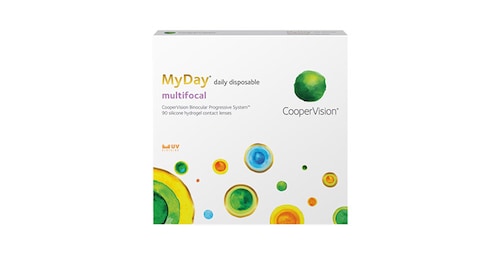
to
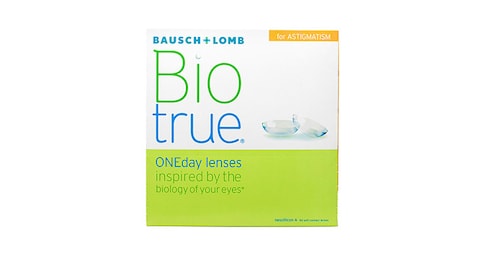
to
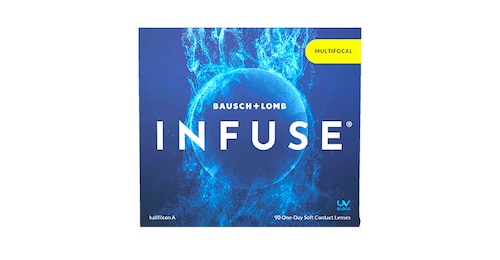
to
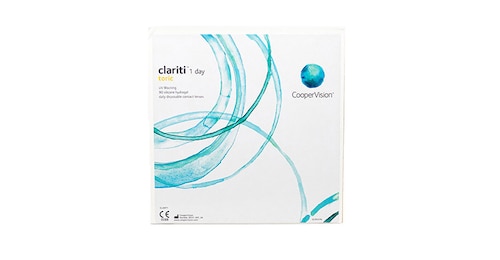
to
to
to
to
to
to
to
to
to
to
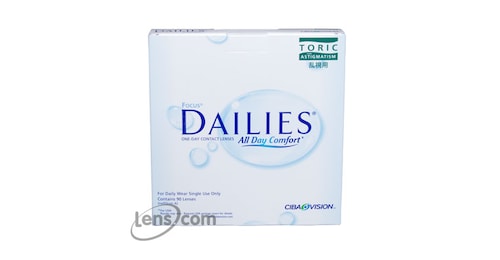
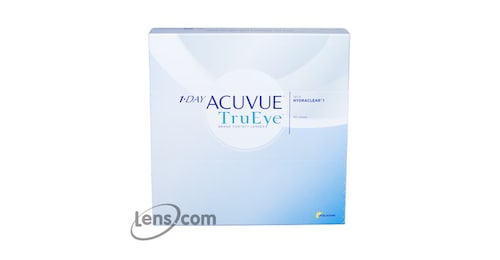
What Daily Use Means For Contact Lens Wearers
Daily use contact lenses are usually worn during waking hours, then removed before sleep unless your eye doctor has prescribed a different schedule. They can include daily disposables, reusable soft lenses, toric lenses, multifocal lenses, colored contacts, or other daytime lens types.
Before choosing a product, it helps to know what "daily use" means for your routine:
- You wear the lenses during regular daytime activities.
- You remove them based on your eye doctor's approved schedule.
- You replace them according to the product instructions.
- You use a fresh pair every wear day if they are daily disposable.
- You clean and store them after removal if they are reusable.
- You follow the exact product and prescription your eye doctor approved.
- You avoid sleeping in lenses unless they are prescribed for overnight wear.
- You keep backup glasses available for dry or uncomfortable days.
- You reorder early if you wear contacts most days.
- You should ask your eye doctor before switching to another lens type.
Daily use should not mean guessing your own wearing schedule. The lens product, replacement timing, and care routine should all match your prescription and your eye doctor's instructions.
Choosing Between Daily Disposable And Reusable Lenses
Daily-use contact lenses can be single-use or reusable. Both can work for daytime wear, but the routine after removal is different.
Daily Disposable Contacts
Daily disposable contacts are worn once and thrown away after removal. You start each wear day with a fresh pair, which can make the routine feel simpler.
This option can work well for people who wear contacts every day, travel often, play sports, or prefer not to clean and store lenses overnight. You still need clean hands and safe handling every time you touch the lenses.
Reusable Daily Wear Contacts
Reusable daily wear contacts are removed after use, cleaned, stored, and worn again until the scheduled replacement date. These can include bi-weekly or monthly lenses, depending on what your eye doctor prescribed.
Reusable lenses need fresh contact lens solution and proper storage after each wear. They also need to be replaced on time, even if they still look clean.
How To Compare The Two
Daily disposables can reduce cleaning steps, while reusable lenses add a care routine after removal. The better choice depends on your prescription, comfort, budget, hygiene habits, and how often you wear contacts.
If you want to change from reusable lenses to daily disposables, or the other way around, ask your eye doctor first. A different schedule can also mean a different material, fit, or lens design.
Explore Contacts for Daily, Biweekly, and Monthly Use
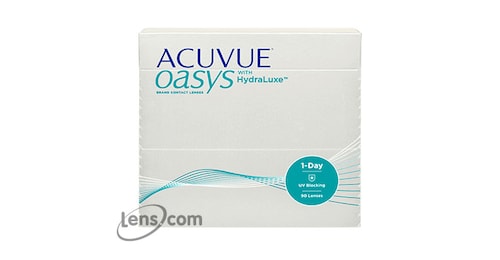
Acuvue Oasys 1-Day with Hydraluxe
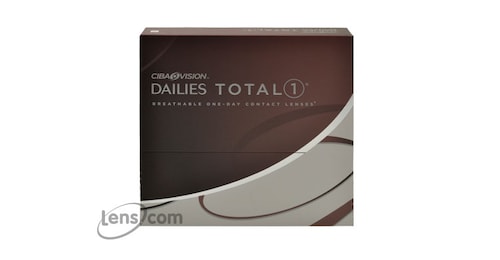
Dailies Total 1
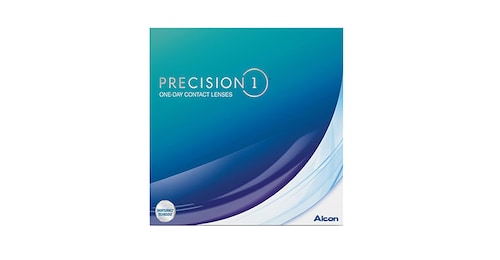
Precision1
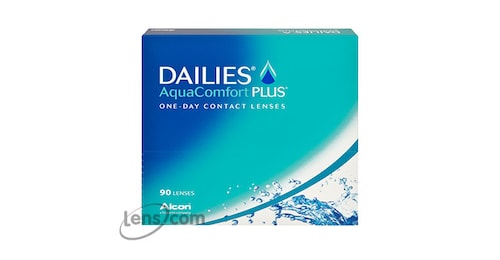
Dailies AquaComfort Plus
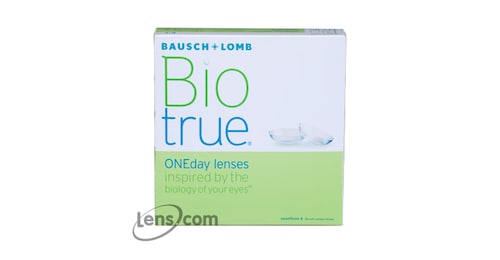
Biotrue ONEday
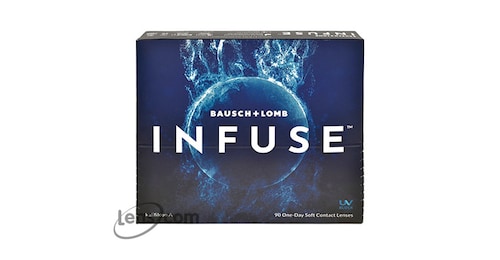
INFUSE One-Day
Dailies Total 1 Multifocal
Precision1 for Astigmatism
Which Contacts Work Best for Everyday Vision?
|
Average Cost per day
|
Contact Lens Manufacturer
|
Contact Lens Type
|
Contact Lens Material Type
|
Contact Lens Water Content Percentage
|
Contact Lens Blocks UV
|
Each Box Contains
|
Average Star Rating
|
|
|---|---|---|---|---|---|---|---|---|
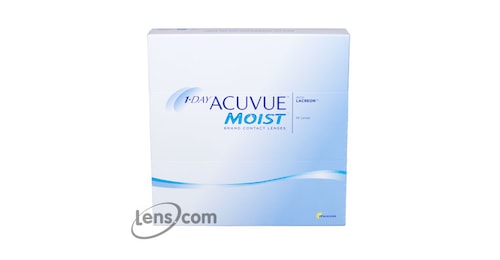
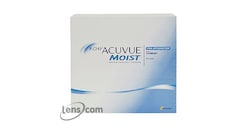
| 1-Day Acuvue Moist | $1.37 | Johnson & Johnson | Daily | Hydrogel | 58% | 30 lenses, a 1-month supply |
|
|
| Acuvue Oasys 1-Day with Hydraluxe | $1.29 | Johnson & Johnson | Daily | Silicone Hydrogel | 38% | 90 lenses, a 3-month supply |
|
|
| Dailies Total 1 | $1.51 | Alcon | Daily | Silicone Hydrogel | 33% | 90 lenses, a 3-month supply |
|
|
| Precision1 | $0.96 | Alcon | Daily | Silicone Hydrogel | 51% | 90 lenses, a 3-month supply |
|
|
| 1-Day Acuvue Moist for Astigmatism | $1.61 | Johnson & Johnson | Daily | Hydrogel | 58% | 30 lenses, a 1-month supply |
|
|
| Dailies AquaComfort Plus | $1.08 | Alcon | Daily | Hydrogel | 69% | 90 lenses, a 3-month supply |
|
|
| Acuvue Oasys 1-Day for Astigmatism | $1.54 | Johnson & Johnson | Daily | Silicone Hydrogel | 38% | 30 lenses, a 1-month supply |
|
|
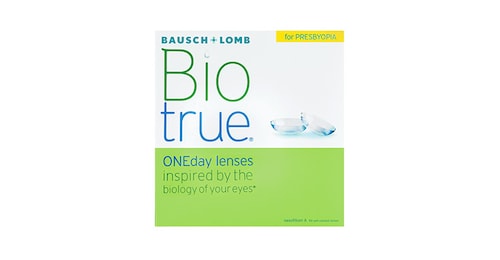
| Biotrue ONEday | $0.94 | Bausch & Lomb | Daily | Hydrogel | 78% | 90 lenses, a 3-month supply |
|
|
| INFUSE One-Day | $1.37 | Bausch & Lomb | Daily | Silicone Hydrogel | 55% | 90 lenses, a 3-month supply |
|
|
| Dailies Total 1 Multifocal | $1.83 | Alcon | Daily | Silicone Hydrogel | 33% | 90 lenses, a 3-month supply |
|
|
| 1-Day Acuvue Moist Multifocal | $1.80 | Johnson & Johnson | Daily | Hydrogel | 58% | 30 lenses, a 1-month supply |
|
|
| Precision1 for Astigmatism | $1.30 | Alcon | Daily | Silicone Hydrogel | 51% | 90 lenses, a 3-month supply |
|
|
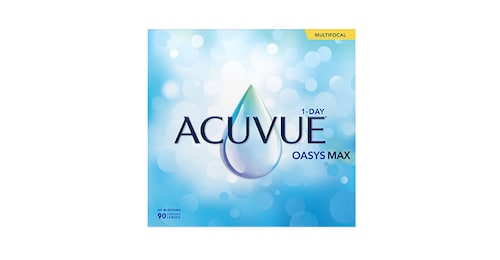
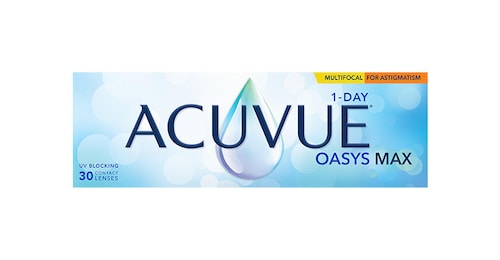
| Acuvue Oasys Max 1-Day Multifocal | $1.90 | Johnson & Johnson | Monthly | Silicone Hydrogel | 38% | 30 lenses, a 1-month supply |
|
|
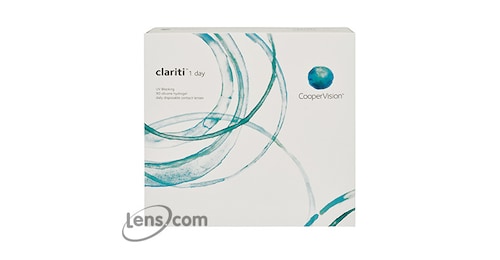
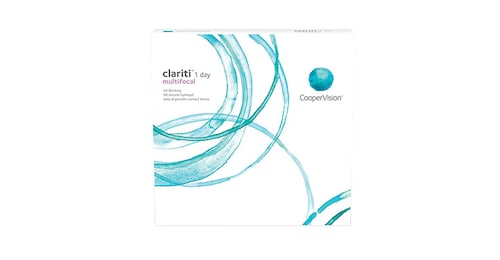
| Clariti 1-Day | $0.90 | CooperVision | Daily | Silicone Hydrogel | 56% | 90 lenses, a 3-month supply |
|
|
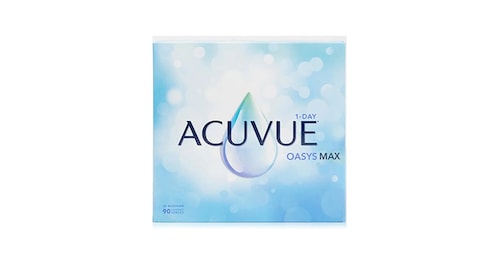
| Acuvue Oasys Max 1-Day | $1.53 | Johnson & Johnson | Daily | Silicone Hydrogel | 38% | 30 lenses, a 1-month supply |
|
How to Claim Rebates on Contact Lenses
|
box rebate
Rebate amount with a 2 box purchase
|
box rebate
Rebate amount with a 8 box purchase
|
box rebate
Rebate amount with a 4 box purchase
|
Contact Lens Manufacturer
|
Contact Lens Type
|
Contact Lens Material Type
|
Contact Lens Water Content Percentage
|
Contact Lens Blocks UV
|
Each Box Contains
|
Average Star Rating
|
|
|---|---|---|---|---|---|---|---|---|---|---|
| 1-Day Acuvue Moist | $20 | $130 | -- | Johnson & Johnson | Daily | Hydrogel | 58% | 30 lenses, a 1-month supply |
|
|
| Acuvue Oasys 1-Day with Hydraluxe | -- | $90 | -- | Johnson & Johnson | Daily | Silicone Hydrogel | 38% | 90 lenses, a 3-month supply |
|
|
| Dailies Total 1 | -- | $150 | -- | Alcon | Daily | Silicone Hydrogel | 33% | 90 lenses, a 3-month supply |
|
|
| Precision1 | -- | $105 | -- | Alcon | Daily | Silicone Hydrogel | 51% | 90 lenses, a 3-month supply |
|
|
| 1-Day Acuvue Moist for Astigmatism | $20 | $130 | -- | Johnson & Johnson | Daily | Hydrogel | 58% | 30 lenses, a 1-month supply |
|
|
| Dailies AquaComfort Plus | -- | $115 | -- | Alcon | Daily | Hydrogel | 69% | 90 lenses, a 3-month supply |
|
|
| Acuvue Oasys 1-Day for Astigmatism | $20 | $160 | -- | Johnson & Johnson | Daily | Silicone Hydrogel | 38% | 30 lenses, a 1-month supply |
|
|
| Biotrue ONEday | -- | $100 | -- | Bausch & Lomb | Daily | Hydrogel | 78% | 90 lenses, a 3-month supply |
|
|
| INFUSE One-Day | -- | $110 | -- | Bausch & Lomb | Daily | Silicone Hydrogel | 55% | 90 lenses, a 3-month supply |
|
|
| Dailies Total 1 Multifocal | -- | $100 | -- | Alcon | Daily | Silicone Hydrogel | 33% | 90 lenses, a 3-month supply |
|
|
| 1-Day Acuvue Moist Multifocal | -- | $170 | -- | Johnson & Johnson | Daily | Hydrogel | 58% | 30 lenses, a 1-month supply |
|
|
| Precision1 for Astigmatism | -- | $135 | -- | Alcon | Daily | Silicone Hydrogel | 51% | 90 lenses, a 3-month supply |
|
|
| Acuvue Oasys Max 1-Day Multifocal | -- | $100 | -- | Johnson & Johnson | Monthly | Silicone Hydrogel | 38% | 30 lenses, a 1-month supply |
|
|
| Clariti 1-Day | $20 | -- | -- | CooperVision | Daily | Silicone Hydrogel | 56% | 90 lenses, a 3-month supply |
|
|
| Acuvue Oasys Max 1-Day | -- | $100 | -- | Johnson & Johnson | Daily | Silicone Hydrogel | 38% | 30 lenses, a 1-month supply |
|
Which Daily Use Lens Type Fits Your Vision?
Daily use contact lenses are not one-size-fits-all. The right type depends on your prescription, eye shape, and how the lens performs during everyday wear.
Standard Daily Use Contacts
Some daily use contacts correct nearsightedness or farsightedness with a standard spherical design. These lenses can help with daily tasks like driving, studying, working, shopping, and reading signs.
The product name, power, base curve, diameter, and replacement schedule should match your contact lens prescription. If your current lenses still feel good and give clear vision, refilling the same approved product can make ordering easier.
Daily Use Contacts For Astigmatism
Toric daily use contacts are made for astigmatism. These lenses include cylinder and axis values to help correct uneven focus.
Toric lenses need to stay lined up properly on the eye. If your vision blurs after blinking or changes throughout the day, your eye doctor can check whether the lens is rotating or shifting too much.
Daily Use Contacts For Near Vision
Multifocal daily use contacts can help with near and distance vision. They can be useful if reading small text, phone screens, or close-up details has become harder.
These lenses can take some adjustment because they use different viewing zones. Follow the exact product and values your eye doctor approved so your eyes get the correction they need.
Daily Use Colored Contacts
Colored contact lenses can enhance or change eye color while being worn during the day. Some colored lenses correct vision, while plano colored contacts change eye color without vision correction.
Even plano colored contacts need a valid contact lens prescription. Since they sit directly on your eyes, fit, comfort, and safe wear come before color.
How Daily Lenses Fit Into a Regular Day
Daily use contact lenses should work with the way you actually spend your time. A lens that feels fine for a short errand should also be judged by how it feels through work, classes, screens, driving, exercise, and evening plans.
Your eyes can feel different depending on the day. Dry air, long screen sessions, allergies, makeup, lack of sleep, and long wearing hours can all affect comfort. This is why your eye doctor should know how often you plan to wear contacts and what your typical day looks like.
If you wear contacts most days, comfort needs to hold up beyond the first few hours. If your lenses keep feeling dry, tight, blurry, or noticeable before the day ends, ask your eye doctor whether another material, fit, or replacement schedule would suit your routine better.
What Daily Wear Should Feel Like
Daily use contact lenses should feel comfortable, stable, and easy to manage during the wearing time your eye doctor approved. They should not feel painful, gritty, tight, or distracting.
Clear vision should also stay steady. If your vision keeps shifting, blurring after blinking, or changing between near and distance tasks, the lens fit or prescription may need another look.
A small adjustment period can happen with a new lens type, especially with toric or multifocal contacts. Ongoing discomfort is different. Remove the lenses and contact your eye doctor if redness, pain, light sensitivity, discharge, or blurry vision continues after removal.
Daily Use Contact Lenses for Screen-Heavy Routines
Daily use contact lenses can fit screen-heavy routines, but screen time can make lenses feel drier or more noticeable. People often blink less while focusing on a computer, phone, tablet, or gaming screen. Less blinking can affect how the tear film spreads across the lens.
Your environment can also affect comfort. Air conditioning, fans, dry rooms, long meetings, and long study sessions can make contact lenses feel different by the end of the day.
If your eyes feel dry during screen time, talk to your eye doctor before switching lenses on your own. They can check the lens fit, tear film, wearing time, and material, then explain whether another daily use contact lens or a different wearing routine would work better.
Daily Use Contacts for Workouts, Travel, and Busy Days
Daily use contact lenses can be helpful on active days when glasses feel distracting. They can give a wider field of vision for workouts, commuting, sports, errands, outdoor plans, and travel.
Daily disposable contacts can be especially practical for busy schedules. You can wear a fresh pair for the day and throw them away after removal, which reduces the need to pack a case and solution for that lens type.
Reusable contacts can also work for active routines, but they need proper care after removal. If you travel with reusable lenses, pack contact lens solution, a clean case, backup lenses, and glasses.
Choosing a Replacement Schedule for Daily Use
The replacement schedule tells you how often to start with a new pair of lenses. Daily use contacts can be daily disposable, bi-weekly, monthly, or another schedule depending on the product your eye doctor prescribed.
Daily disposable lenses are thrown away after one wear. Bi-weekly and monthly lenses are reused, but they still need cleaning and storage after each wear.
Do not choose a replacement schedule based only on price or convenience. Your eyes, prescription, comfort, care habits, and wearing frequency should guide the choice. Your eye doctor can explain which schedule fits your daily use routine best.
How to Keep Your Lens Supply on Track
Daily use contact lenses can run out faster than expected, especially if you wear them most days. A simple supply plan can help you avoid last-minute orders or wearing lenses longer than directed.
Count Your Contact Lens Days
Think about how often you wear contacts each week. Someone who wears lenses seven days a week will need a different supply than someone who wears them only for work, workouts, weekends, or events.
Daily disposable wearers use a fresh pair every wear day. Reusable lens wearers still need to replace lenses on schedule, even if they skip a few days.
Check Each Eye Separately
Your right and left eye may not use the same prescription. This is common with toric, multifocal, colored, and higher prescriptions.
Before ordering, check whether each eye needs a separate box. Mixing up eye values can lead to blurry vision or boxes you cannot use.
Reorder Before You Run Out
Do not wait until your last pair to reorder. Prescription verification, shipping, backorders, and product availability can all affect timing.
Keep your lens name and prescription values saved. Reordering is easier when you already have the exact product details ready.
Why Your Prescription Details Still Matter
Daily use contact lenses need more than a vision power number. A contact lens prescription can include product name, power, base curve, diameter, replacement schedule, and extra values for astigmatism or presbyopia.
These details help the lens fit and correct vision properly. Two lenses with the same power can still feel different because the material, curve, diameter, edge design, and movement can change.
If you only have a glasses prescription, schedule a contact lens exam before buying daily use contacts. Glasses sit in front of your eyes, while contacts sit directly on the eye surface, so the prescriptions are not the same.
What to Review Before Reordering
Reordering daily use contact lenses can feel simple when you already know your product, but small details can still cause problems. Check your prescription before you buy another box.
Review these details before checkout:
- Product name
- Right-eye and left-eye values
- Power for each eye
- Base curve and diameter if listed
- Cylinder and axis for toric lenses
- ADD power for multifocal lenses
- Color if you wear colored contacts
- Replacement schedule
- Box count
- Prescription expiration date
If anything does not match your prescription, pause before buying. Ask your eye doctor before switching to another lens, even if the product looks similar.
References
About Cleaning, Disinfecting, And Storing Contact Lenses. Centers for Disease Control and Prevention. https://www.cdc.gov/contact-lenses/about/about-cleaning-disinfecting-and-storing-contact-lenses.html. Updated May 27, 2025. Accessed June 17, 2026.
About Contact Lens Types. Centers for Disease Control and Prevention. https://www.cdc.gov/contact-lenses/about/about-contact-lens-types.html. Updated May 27, 2025. Accessed June 17, 2026.
Buying Contact Lenses. U.S. Food and Drug Administration. https://www.fda.gov/medical-devices/contact-lenses/buying-contact-lenses. Published October 28, 2020. Accessed June 17, 2026.
Contact Lens Care. American Optometric Association. https://www.aoa.org/healthy-eyes/vision-and-vision-correction/contact-lens-care. Accessed June 17, 2026.
Contact Lens Prescription. U.S. Food and Drug Administration. https://www.fda.gov/medical-devices/contact-lenses/contact-lens-prescription. Published October 28, 2020. Accessed June 17, 2026.
Contact Lenses. U.S. Food and Drug Administration. https://www.fda.gov/medical-devices/consumer-products/contact-lenses. Published October 28, 2019. Accessed June 17, 2026.
Contact Lenses For Vision Correction. American Academy of Ophthalmology. https://www.aao.org/eye-health/glasses-contacts/contact-lens-102. Updated July 16, 2025. Accessed June 17, 2026.
Everyday Eye Care. U.S. Food and Drug Administration. https://www.fda.gov/medical-devices/contact-lenses/everyday-eye-care. Updated December 4, 2023. Accessed June 17, 2026.
Healthy Habits: Keeping Water Away From Contact Lenses. Centers for Disease Control and Prevention. https://www.cdc.gov/contact-lenses/about/healthy-habits-keeping-water-away-from-contact-lenses.html. Updated May 27, 2025. Accessed June 17, 2026.
Preventing Eye Infections When Wearing Contacts. Centers for Disease Control and Prevention. https://www.cdc.gov/contact-lenses/prevention/index.html. Updated May 27, 2025. Accessed June 17, 2026.
The Contact Lens Rule: A Guide For Prescribers And Sellers. Federal Trade Commission. https://www.ftc.gov/business-guidance/resources/contact-lens-rule-guide-prescribers-sellers. Accessed June 17, 2026.
Types Of Contact Lenses. American Optometric Association. https://www.aoa.org/healthy-eyes/vision-and-vision-correction/types-of-contact-lenses. Accessed June 17, 2026.
Types Of Contact Lenses. U.S. Food and Drug Administration. https://www.fda.gov/medical-devices/contact-lenses/types-contact-lenses. Updated January 16, 2018. Accessed June 17, 2026.
Popular Contact Lens Reviews
Affordable price and quality
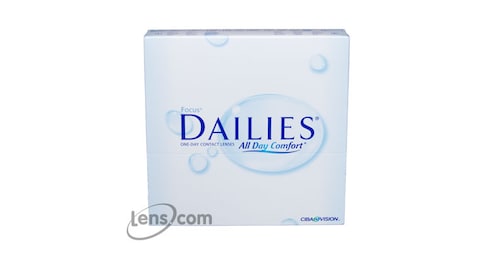
Love the ease and price of buying Focus dailies through Lens.com. Quick delivery and cheaper than through my eye doctor. Same product and quality. Why waste time and money anywhere else.
Awesome service
I have used Lens.com for several years now and their service is excellent. They even took back contacts I had ordered by mistake. They make it easy to order and receive your product quickly.
Would highly recommend them!
Easy wearing
Been wearing this brand of contacts for 3 years- feel easy on the eyes, light, flexible & easy to dispose of. Say adios to buying contact solution & contact cases!
First time buyer
Great service, great price and very easy to order and pay. Will be back for my next order.
Great contact lens
These lens fit well and stay comfortable no matter my activity. Very good value for keeping my eyes seeing as well as possible.
Dalies Rule
I have experienced dailies for the first time and will not go back to the conventional lenses. No cleaning or cleaning supplies and always comfortable. At the end of the day I forget that I have them on. Great product!
Comfortable
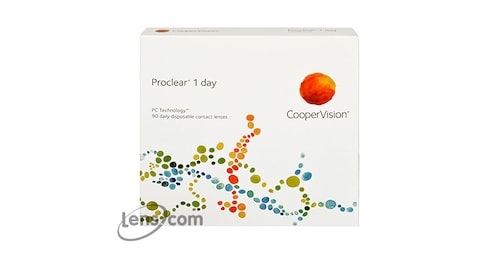
I've been wearing Proclear 1 Day for a very long time. They are comfortable and last me all day. No rips or dryness. Highly recommend!
Great
Customer Service was great put my order in quickly, and she was very friendly. Got my order within a few days very satisfied.
Thank You Lens.com
Knowledgeable
I have been comfortable physically and emotionally with the quality of the product and client support of the Team at Lens.com.