
Contact Lenses for Reading
Contact lenses for reading can help when close-up text starts to look blurry, tiring, or harder to focus on. If you find yourself holding your phone farther away, turning on brighter lights to read a menu, or reaching for readers over your contacts, you may be dealing with presbyopia or another near-vision change.
Reading-focused contact lenses aren't always labeled with "reading" in the product name. For many wearers, the better match is a multifocal or bifocal contact lens that supports near, middle, and distance vision in one lens. Your eye doctor can also talk through other options based on your prescription, add power, lens design, and how your eyes handle close-up tasks.
The right choice depends on more than near vision alone. Replacement schedule, fit, comfort during screen use, and your daily routine can all affect how well reading contacts work for you. Take a closer look at the lenses below with your reading habits, prescription details, and comfort goals in mind so you can compare which options may fit your day best.
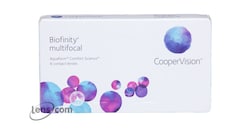
to
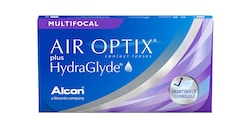
to
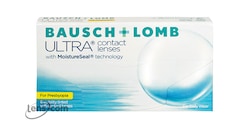
to
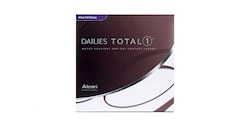
to
to
to
to
to
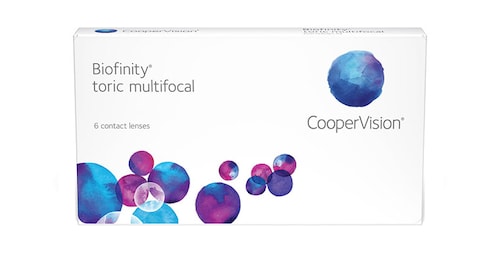
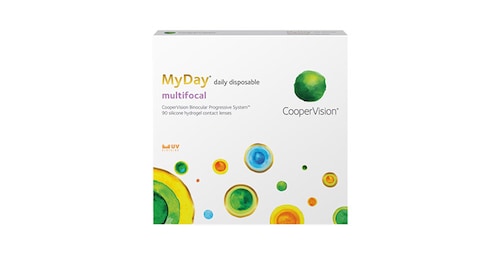

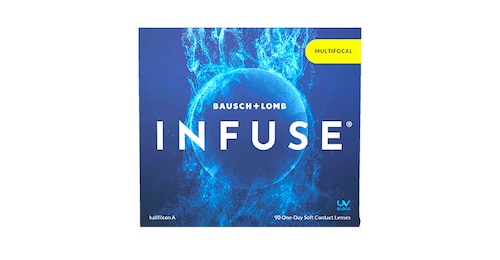
to
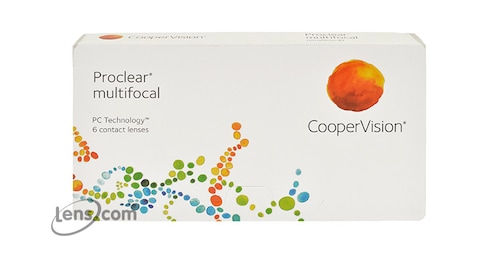
to
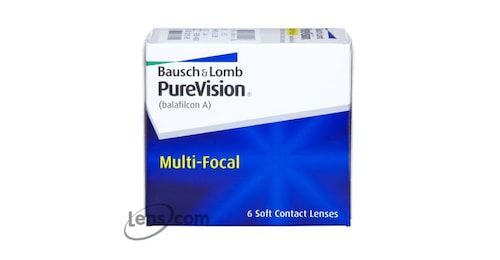
to
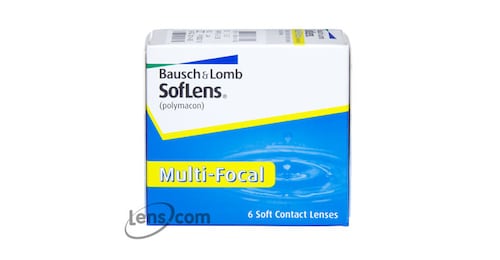
to
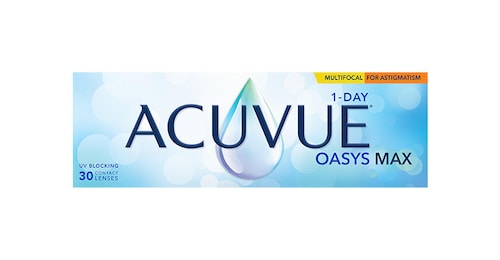
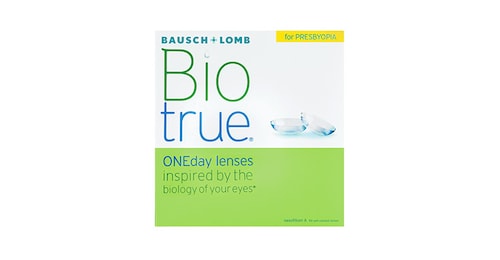
to
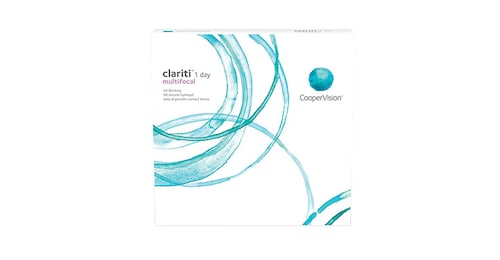
to
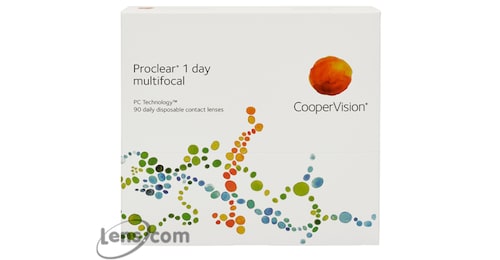
to
How Do You Choose the Right Contact Lenses for Reading?
Contact lenses for reading should match the way you use your eyes throughout the day. Some shoppers need help with books and labels, while others need steady near- and middle-distance vision for phones, tablets, laptops, and desk work. Before ordering, compare the lens design, prescription values, replacement schedule, and comfort details tied to near-vision support.
Near Vision Needs
Start with the close-up tasks that feel harder. Reading a phone screen, checking labels, reviewing paperwork, cooking from a recipe, or looking at a menu can all point to different near-vision demands. Sharing those details with your eye doctor helps connect your prescription to real daily use.
Multifocal Design
Multifocal contact lenses use over one corrective power to help with different viewing distances. This can support reading while still helping with middle and distance vision. The exact design can differ by product, so lens fit and trial wear can affect how natural the vision feels.
Add Power
Multifocal contact lens prescriptions can include an ADD value for near-vision support. This value helps guide how much extra help your eyes need for close-up focus. When ordering, match the ADD value exactly to your contact lens prescription instead of guessing from your glasses prescription.
Daily or Reusable Routine
Reading contact lens options come in daily disposable, biweekly, or monthly replacement schedules. Daily lenses are discarded after one use, while reusable lenses need cleaning and storage after removal. Choose a schedule that fits your eyes, your budget, and the care routine you can follow.
Comfort During Close-Up Work
Reading, phone use, and computer work make dryness or tired eyes more noticeable. Screen time, lighting, indoor air, and long wear hours can all affect comfort. If your lenses feel dry or your near vision fades later in the day, your eye doctor can check whether the lens type, fit, or wearing schedule needs adjustment.
Can Contact Lenses Help With Presbyopia?
Contact lenses can help with presbyopia by adding near-vision support to a contact lens prescription. Presbyopia affects the eye's ability to shift focus from far objects to close-up text, so the lens design needs to account for more than one viewing distance. That's why reading-related contact lens options are usually fitted differently from standard single-vision contacts.
For contact lens wearers, presbyopia is often managed with multifocal contacts, bifocal contacts, or a fitting approach such as monovision, depending on the prescription and how the eyes work together. These options are designed to support near vision without relying only on reading glasses, but the right setup depends on comfort, clarity at different distances, and guidance from an eye doctor.
What Should You Expect When Trying Reading Contacts?
Trying contact lenses for reading can take some adjustment, especially if you're moving from single-vision contacts or reading glasses. Multifocal, bifocal, and monovision fittings ask your eyes to handle near and distance focus differently, so the first pair may not feel perfect immediately. Some wearers notice sharper near vision right away, while others need a short adaptation period before the lenses feel natural.
Your eye doctor may use trial lenses to check how well you read, use screens, drive, and move between different distances. This step is important because reading contacts need to support more than one part of your day, not just one close-up task. A lens that works well for phone use may still need fine-tuning if computer work, small print, or nighttime vision feels uncomfortable.
Small prescription or lens design adjustments can make a noticeable difference in comfort and clarity. It helps to pay attention to where your vision feels strongest, where it feels blurry, and whether symptoms like eye strain, headaches, or trouble switching focus appear during close-up tasks. Sharing those details during follow-up visits can help your eye doctor refine the fit.
How Multifocal Lenses Work
Multifocal reading contacts are designed to support a range of distances. Think about your day in three viewing zones:
Near Vision
Near vision covers books, phones, labels, and menus. This is the distance that feels most frustrating when presbyopia starts to show.
Middle Vision
Middle vision covers computers, dashboards, tablets, and kitchen counters. This distance can feel tricky because it sits between reading and distance vision.
Distance Vision
Distance vision covers driving, walking, watching TV, and looking across a room. A good contact lens plan should consider this distance too, especially if you need clear vision beyond close-up tasks.
How Do You Read a Prescription for Multifocal Contacts?
A multifocal contact lens prescription includes vision correction details plus fitting information for the lens that sits on your eye. Before ordering, check each field against the prescription from your eye doctor, especially if you need near-vision support for reading, screens, or close-up tasks.
Lens Name
The lens name tells you the exact multifocal product your eye doctor fitted. This detail is important since multifocal lenses can use different designs, materials, and replacement schedules, even when they correct similar vision needs.
Power
Power shows the correction needed for each eye. Your right and left eyes may have different values, so match the prescription exactly instead of assuming both eyes use the same strength.
Add Power
Add power is one of the most important fields for multifocal contacts. It refers to the added near-vision support built into the lens, which helps with reading and other close-up tasks. Some prescriptions may show this as a number, while others may use terms such as low, medium, or high.
Base Curve and Diameter
Base curve and diameter help describe how the lens fits on your eye. These measurements affect comfort, movement, and stability, so they shouldn't be changed without your eye doctor's guidance.
Replacement Schedule
The prescription should also match the lens replacement schedule, such as daily, bi-weekly, or monthly wear. Multifocal contacts need to be worn and replaced as directed to support comfort, clear vision, and proper eye care.
Don't use a glasses prescription to order multifocal contacts. Contact lens prescriptions include lens fit details and product-specific information that glasses prescriptions don't include.
Daily, Biweekly, and Monthly Options
Reading contact lens options can differ by replacement schedule. Use this comparison as a starting point:
- Daily disposable lenses are thrown after one use. They can be convenient for wearers who want a fresh pair each day.
- Biweekly lenses are replaced on a planned two-week schedule and need cleaning after each wear.
- Monthly lenses are reused for a longer schedule and need consistent cleaning, storage, and case care.
- Care supplies should be part of the cost comparison for reusable lenses.
Your eye doctor can help you decide which schedule fits your eyes and daily reading needs.
Reading Contacts for Phones, Books, and Screens
Reading contacts can feel different depending on the task. Use these tips when comparing lenses or talking with your eye doctor:
- Mention how much time you spend on your phone each day.
- Share whether computer work feels harder than reading printed text.
- Check whether near vision worsens in dim lighting.
- Ask whether your lenses should support middle-distance screen use.
- Track dryness, blur, or tired eyes during long reading sessions.
- Bring up night driving if distance clarity changes with multifocal lenses.
- Ask when to schedule a follow-up if near vision still feels off.
These details can help your eye doctor understand how your lenses perform outside the exam room.
What Should You Do if Reading Still Looks Blurry With Contacts?
Blurry near vision with contacts can show up in different ways. You might notice that phone text looks fuzzy, menus feel harder to read, screen use becomes tiring, or close-up focus changes throughout the day. If this keeps happening, don't keep adjusting your habits around the blur. Use the symptoms as clues and bring them up with your eye doctor.
Check When the Blur Happens
Pay attention to whether the blur happens only during reading, after long screen use, in dim lighting, or at the end of the day. This can help show whether the issue may be related to near-vision correction, dryness, lighting, or lens wear time.
Confirm the Multifocal Details
If you wear multifocal contacts, the ADD value, lens design, and right-eye and left-eye details all need to match your prescription. A wrong or missing near-vision detail can make close-up tasks feel unclear, even if distance vision seems fine.
Review Lens Wear and Replacement
Contacts worn past their replacement schedule can feel less comfortable and may not perform as well. Make sure you're following the recommended wearing time, cleaning routine, and replacement schedule for your specific lenses.
Ask About Fit or Prescription Changes
Presbyopia can change over time, so a lens that once worked well may eventually need an update. Your eye doctor can check whether the prescription, lens fit, or multifocal design needs to be adjusted for your current reading needs.
Don't Ignore Red Flags
If blurry vision comes with eye pain, redness, discharge, light sensitivity, or sudden vision changes, remove your lenses and contact an eye care professional promptly. Those symptoms may point to something beyond a routine prescription adjustment.
Reading Contacts or Reading Glasses
Reading contacts and reading glasses can both help with close-up vision, but they fit different routines.
Reading Contacts
Reading contacts can help if you want vision support without taking glasses on and off throughout the day. They can be useful for active routines, screen-heavy work, or people who already prefer contacts.
Reading Glasses
Reading glasses can be simple for short close-up tasks. They can also help when you need extra clarity for fine print, crafts, detailed work, or reading in lower light.
Combination Use
Some wearers use multifocal contacts for daily flexibility and keep readers nearby for tiny print or long reading sessions. Your eye doctor can help decide whether that mix fits your vision needs.
Questions to Ask Before Ordering Contacts for Reading
Before ordering contact lenses for reading, ask your eye doctor these questions:
- Do you need multifocal, bifocal, monovision, or another contact lens setup?
- What ADD value should you use for each eye?
- Will these lenses help with phone, computer, and book reading?
- Should you expect an adjustment period?
- What should you do if near vision feels blurry after a few days?
- Can you still use reading glasses with these contacts when needed?
- Which replacement schedule fits your routine?
- What signs mean the lenses aren't working well for your eyes?
Clear answers can help you order the correct lenses and set realistic expectations for reading comfort.
References
Bifocal & Multifocal Contact Lenses for Presbyopia. Lens.com. https://www.lens.com/contact-lenses/bifocal-lenses/. Accessed June 8, 2026.
The 10 Best Selling Multi-focal Contact Lenses for Presbyopia. Lens.com. https://www.lens.com/eyestyle/tips-advice/the-10-best-selling-multi-focal-contact-lenses-for-presbyopia/. Accessed June 8, 2026.
Proclear Multifocal Contact Lenses. Lens.com. https://www.lens.com/contact-lenses/proclear-multifocal/. Accessed June 8, 2026.
Proclear 1 Day Multifocal Contacts. Lens.com. https://www.lens.com/contact-lenses/proclear-1-day-multifocal/. Accessed June 8, 2026.
Contact Lenses for Vision Correction. American Academy of Ophthalmology. https://www.aao.org/eye-health/glasses-contacts/contact-lens-102. Published July 16, 2025. Accessed June 8, 2026.
Presbyopia. American Optometric Association. https://www.aoa.org/healthy-eyes/eye-and-vision-conditions/presbyopia. Accessed June 8, 2026.
Buying Contact Lenses. U.S. Food and Drug Administration. https://www.fda.gov/medical-devices/contact-lenses/buying-contact-lenses. Published October 28, 2020. Accessed June 8, 2026.
The Contact Lens Rule: A Guide for Prescribers and Sellers. Federal Trade Commission. https://www.ftc.gov/business-guidance/resources/contact-lens-rule-guide-prescribers-sellers. Accessed June 8, 2026.
Popular Contact Lens Reviews
Contacts
This particular company is trustworthy and easy to order from and their prices are competitive as well!
Dalies Rule
I have experienced dailies for the first time and will not go back to the conventional lenses. No cleaning or cleaning supplies and always comfortable. At the end of the day I forget that I have them on. Great product!
Mr.
As with my last order, I received the contacts in only days. The product is excellent and the price is excellent and the service is excellent. I had an issue with one order several years ago and it was resolved to m satisfaction immediately and generously. Keeping my prescription on file makes a second ordering even easier. Thank you!
Shipping and rebate expediency and accuracy.
I have been doing business with lens.com for many years now, and have found them to be an excellent provider of contact lenses. I would highly recommend them to anyone, wishing to save money on their contract purchase.
Air optics multifocal contacts
Air optics multifocal contacts. I love them they’re so comfortable you never even know they’re there
Can read the dash again
I can finally see my phone and look up at the road while driving without weird blurs. Price tag hurts but they work perfectly.
Regular customer now
First time ordering from lens.com and they got my prescription right and shipped it fast. lenses feel great.
smooth focus
Seamless transition between reading up close and long distance. No headaches or squinting for me. Great service thank you!
Saved me from bifocals
I was so resistant to getting bifocal glasses, so my doctor suggested these instead. It took a couple of days for my brain to adjust to the zones, but now I can read my text messages and watch TV with zero issues.