
Colored Contact Lenses for Sale
Colored contact lenses presently sold in the market are lenses designed to change or enhance the appearance of your natural eye color. Some create a subtle effect by adding definition around the iris, while others use more opaque color patterns to produce a noticeable or dramatic change. They're available with vision correction or in plano form for people who don't need corrective power.
Like clear contacts, colored lenses must fit the shape of your eyes properly and require a valid contact lens prescription in the United States. An eye care professional can check the fit, determine the correct lens measurements, and help you choose a product that suits your vision and comfort needs. Even cosmetic colored contacts should never be shared or purchased from sellers that skip prescription verification. You can check out our colored contact lenses for sale here.
to
to
to
to
Plano vs Vision Correction Colored Contacts
Plano colored contact lenses change the appearance of your eye color without correcting your vision. That means, they have zero focusing power. They are chosen primarily for aesthetics and cosmetics. Even though they don't provide vision correction, plano lenses are still medical devices and require a proper contact lens fitting and prescription.
Vision-correction colored contacts combine cosmetic color with the lens power needed to correct nearsightedness or farsightedness. Some contacts are also available for astigmatism or presbyopia, though shade and prescription choices can be more limited. Your eye care professional can determine which type fits your eyes, matches your visual needs, and provides the color effect you want.
What To Check Before Buying Colored Contacts for Sale
Purchasing colored contacts involves more than choosing a shade you like. Check the prescription, product details, and seller requirements carefully so you receive lenses that are suitable for your eyes and intended wearing routine.
- A current contact lens prescription
Colored contacts require a valid prescription. A seller should request your prescription or your eye care professional's information for verification. - The exact prescribed brand and product
Contact lenses aren't automatically interchangeable. Make sure the product name matches your prescription rather than accepting a substitute based only on similar powers or colors. - The correct lens measurements
Review the power, base curve, diameter, and any other prescribed values before submitting the order. These details affect how the lens fits and performs on your eye. - Your preferred color effect
Consider whether you want subtle definition, an enhancement of your natural shade, or a more noticeable color change. Product images can be helpful, but the final result usually varies based on your natural eye color and lighting. - The replacement schedule
Check whether the lenses are daily disposables or reusable lenses replaced on a longer schedule. This affects how often you'll need new boxes and whether cleaning solution and a storage case are required. - The number of lenses in each box
Don't compare prices by the box alone. Look at the box quantity, whether both eyes use the same prescription, and how long the supply will last. - The seller's legitimacy
Avoid websites that don't verify prescriptions, provide limited product information, or claim their lenses are one-size-fits-all. The FDA and CDC advise buying colored contacts only from sellers that require a prescription. - Shipping and return conditions
Review delivery estimates and the seller's policy for unopened boxes before ordering. Colored lenses may be difficult to exchange once the packaging has been opened.
How Are Contact Lenses Colored?
Colored contact lenses are manufactured by carefully applying specific pigment patterns to the lens material or to the mold used to form the lens. Manufacturers use pad printing, inkjet printing, or similar transfer methods to place tiny dots, lines, and rings in the iris area. Several colors and pattern layers can be combined to create depth, definition, or a more natural-looking blend, while the central optical zone is generally kept clear so the wearer can see through it.
The printed color is then cured and bonded to the lens. Depending on the manufacturing method, the pigment may become part of the lens surface or be enclosed within clear polymer layers before the lens material is fully cured. Encapsulating the color helps limit direct contact between pigment particles and the eye. Once formed, the lenses undergo quality checks for pattern placement, color consistency, surface condition, fit-related measurements, and overall lens integrity.
How to Compare Colored Contact Lens Prices Accurately
The lowest box price isn't always the best deal. To compare colored contact lens costs fairly, look at how many lenses you receive, how often they're replaced, and what you'll spend over several months.
- Check the number of lenses per box. A cheaper box may contain fewer lenses, so compare the quantity before deciding which product costs less.
- Calculate the price per lens or pair. Divide the box price by the number of lenses inside. This gives you a clearer comparison between products with different box sizes.
- Factor in the replacement schedule. Daily disposable lenses may cost more per box, while monthly lenses last longer but require cleaning solution and a storage case.
- Estimate the cost for both eyes. You may need separate boxes if each eye has a different prescription. Include the full supply required for your right and left eyes.
- Compare the cost over the same period. Work out what each option would cost for three months, six months, or a full year instead of comparing single-box prices.
- Review rebates and current discounts. Manufacturer rebates, multi-box savings, and limited-time promotions can reduce the final cost. Check the eligibility requirements before including them in your estimate.
- Include shipping and handling fees. A lower product price can become less competitive once delivery charges are added. Compare the total at checkout rather than the advertised box price alone.
- Consider how often you'll wear the lenses. Daily lenses may be economical for occasional use since you open a fresh pair only when needed. Reusable lenses can make more sense for frequent wear, provided you replace them on schedule.
- Don't choose by price alone. The lens must match your prescription and fit your eyes properly. A cheaper product isn't a suitable substitute unless your eye care professional approves the change.
Do Colored Contact Lenses for Sale Require a Prescription?
Yes. In the US, all colored contact lenses require a valid contact lens prescription. Colored contacts are medical devices, so an eye care professional must check the fit, measure your eyes, and confirm that the selected lens is suitable for you. A glasses prescription isn't enough since it doesn't include contact lens details such as the brand, base curve, and diameter.
When you order colored contacts online, the seller must receive a copy of your prescription or verify the information with your eye doctor before dispensing the lenses. Avoid retailers that let you buy contacts without prescription verification, even when the lenses are labeled cosmetic or non-corrective. Poorly fitted or unapproved lenses can cause irritation, corneal damage, infection, and other serious eye problems.
Why Wearing Unprescribed or Counterfeit Colored Contacts Is Dangerous
Colored contacts should come from a legitimate seller and match a prescription issued after a proper lens fitting. Unprescribed or counterfeit lenses may fit poorly, lack reliable quality controls, or expose your eyes to contaminants.
Scratches and Corneal Ulcers
A lens with the wrong size or shape can rub against the cornea. This causes painful scratches or open sores that make the eye more vulnerable to infection.
Serious Eye Infections
Poorly fitted, contaminated, or improperly handled lenses can increase the risk of microbial keratitis, an infection or inflammation of the cornea. Severe cases may lead to permanent vision damage or require a corneal transplant.
Redness, Pain, and Blurred Vision
Irritation when wearing contact lenses isn't something to bear with. Remove the lenses immediately if you develop persistent redness, discomfort, light sensitivity, discharge, or changes in vision.
Uncertain Materials and Manufacturing Quality
Counterfeit lenses may copy legitimate packaging without meeting the same standards for materials, sterility, labeling, or quality testing. The FDA warns that some decorative lenses sold without proper authorization may be counterfeit or unapproved.
A Poor or Unsafe Fit
Contact lenses aren't one-size-fits-all. An eye care professional needs to evaluate the lens measurements and how the product moves and centers on your eye, even when the lenses have no corrective power.
Delayed Treatment and Lasting Vision Loss
Continuing to wear questionable lenses after symptoms appear can allow an injury or infection to worsen. Some contact lens complications can cause corneal scarring, severe vision loss, or blindness.
No Reliable Instructions or Follow-up Support
Unauthorized sellers may leave out important guidance on wear time, cleaning, storage, and warning signs. Buy only the exact lenses prescribed for you from a seller that verifies contact lens prescriptions.
How Natural Eye Color Affects the Shade You Buy
Your natural eye color plays a big role in how colored contact lenses will look once they're in place. Light eyes usually show more of the lens tint, so enhancement shades and softer colors can create a noticeable change. Darker eyes often need more opaque lenses with stronger pigment coverage to produce a visible result.
The final effect also depends on the lens pattern, opacity, limbal ring, and lighting. A shade that looks bright in product photos may appear softer over brown eyes or more intense over blue or gray eyes. Compare the lens design with your natural iris color and choose the level of contrast you want.
Suggested Colored Lenses for Your Natural Eye Color
Your natural iris color affects how a colored contact lens will look once it's on the eye. Use these suggestions as a starting point, then compare the lens opacity, printed pattern, and product photos before choosing a shade.
Dark Brown Eyes
Opaque colors usually create the most noticeable change. Try honey, hazel, gray, green, blue, or violet lenses with strong pigment coverage and a defined iris pattern.
Medium Brown Eyes
Hazel, amber, olive green, gray, and warm brown shades tend to blend well while still changing the eye's appearance. Brighter blue or green lenses can work when you want more contrast.
Light Brown Eyes
Enhancement and multi-tone lenses can bring out the eye's natural warmth. Consider hazel, honey, green, gray, or soft blue shades for a visible but balanced result.
Hazel Eyes
Green, gold, honey, and light brown lenses can highlight the mixed tones already present in the iris. Gray or blue shades create a cooler and more distinct color change.
Green Eyes
Hazel, brown, gray, and blue lenses can shift the overall tone without looking too heavy. Green enhancement lenses are useful when you want to deepen the natural color rather than replace it.
Blue Eyes
Gray, aqua, green, and deeper blue lenses can add dimension or adjust the undertone. Hazel or light brown lenses create a warmer contrast and a more noticeable transformation.
Gray Eyes
Blue, green, violet, and darker gray lenses often show clearly over a naturally light iris. Soft enhancement tints can add depth, while opaque shades produce a stronger change.
How Prescription Verification Works When Ordering Colored Contacts
When you order colored contacts online, submit a copy of your valid contact lens prescription or provide your eye care professional's contact details. The seller checks that the brand, lens measurements, power, and prescription expiration date match the product you're buying. Plano colored contacts still require verification, even though they don't correct vision.
If you don't upload the prescription or if you somehow can't procure it when you order, the seller may contact your prescriber to confirm the details before processing the order. Any mismatch, missing information, or expired prescription can delay the purchase until the issue is resolved. To avoid problems, enter the prescription exactly as written and make sure you're ordering the specific colored lens prescribed for your eyes.
Recommended Colored Contact Lenses for Sale
Lens.com currently carries four colored contact lens options, ranging from subtle daily enhancers to reusable lenses with more noticeable shades. The right choice depends on your prescription, preferred color effect, how often you plan to wear them, and your doctor's evaluation and approval.
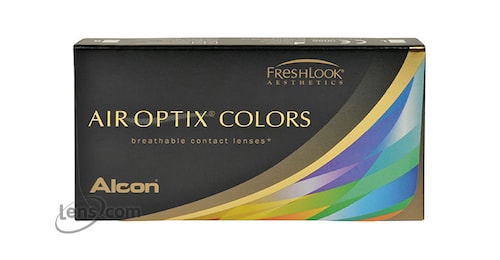
- AIR OPTIX COLORS
A practical choice for regular wearers who prefer monthly lenses and a broad shade range. These silicone hydrogel contacts come in 12 colors, including natural browns and grays as well as brighter blue, green, and violet tones. - FreshLook ColorBlends
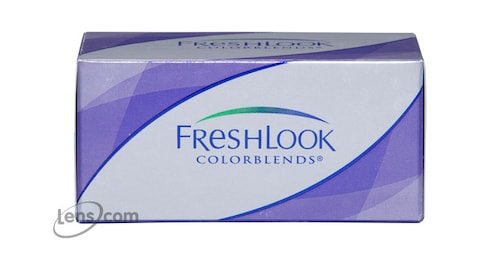
Consider these lenses when you want a multi-toned color change that still blends with the natural iris. Their 3-in-1 color pattern creates added depth, with shades ranging from subtle brown and hazel to more noticeable green, blue, gray, and amethyst. - 1-DAY ACUVUE DEFINE
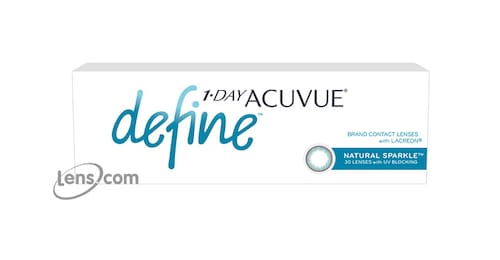
These daily disposables work well for people who want to highlight the iris rather than completely replace its natural color. Different patterns add definition, brightness, or contrast, and each pair is discarded after one day of wear. - FreshLook One-Day
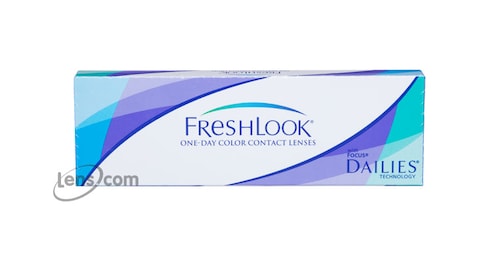
A convenient option for occasional wear, events, or anyone who doesn't want to clean and store reusable lenses. These daily contacts use a 3-in-1 color blend and are available in blue, green, gray, and pure hazel.
References
About Decorative Contact Lenses. Centers for Disease Control and Prevention. https://www.cdc.gov/contact-lenses/about/about-decorative-contact-lenses.html. Published Date (May-27-2025). Date Accessed: July 22, 2026.
Colored and Decorative Contact Lenses: A Prescription Is A Must. U.S. Food and Drug Administration. https://www.fda.gov/consumers/consumer-updates/colored-and-decorative-contact-lenses-prescription-must. Published Date (October-24-2022). Date Accessed: July 22, 2026.
Decorative, Non-corrective Contact Lenses: Guidance for Industry, FDA Staff, Eye Care Professionals, and Consumers. U.S. Food and Drug Administration. https://www.hhs.gov/guidance/document/decorative-non-corrective-contact-lenses-guidance-industry-fda-staff-eye-care. Published Date (November-24-2006). Date Accessed: July 22, 2026.
Buying Contact Lenses. U.S. Food and Drug Administration. https://www.fda.gov/medical-devices/contact-lenses/buying-contact-lenses. Published Date (October-28-2020). Date Accessed: July 22, 2026.
FTC Announces Final Amendments to the Agency's Contact Lens Rule. Federal Trade Commission. https://www.ftc.gov/news-events/news/press-releases/2020/06/ftc-announces-final-amendments-agencys-contact-lens-rule. Published Date (June-23-2020). Date Accessed: July 22, 2026.
Popular Contact Lens Reviews
Excellent service!
This product has nothing to dislike about. It is a good quality of contact lenses and will not stop using this brand. My vision is satisfactory using Air Optix brand. Please do not stop carrying them. The sales representative was also very knowledgeable, professional, articulate and kind. My order came in before Thanksgiving and I appreciate it. She expedited sending my order so I will be happy, satisfied with my new lenses. Thank you kindly, for the excellent service !
Subtle but noticeable change
It has a subtle difference but completely changes up my look. Very comfortable for colored lenses.
Vibrant Colors
Freshlook ColorBlends are great! The colors are truly vibrant and are just as pictured
Best online vendor for contacts
Never disappoints!!! Best prices and super fast shipping!!